

I Spent Nine Years Trying to Get Back to the Person I Was Before I Lost Maddie. Last Year I Finally Stopped.
Chris Coulter lost his daughter Maddie to suicide in 2015. For nine years he tried to recover the person he was before. Then something shifted — and Maddie came back not as a loss, but as a presence. A personal reflection on grief, purpose, and what it means to finally stop looking backward.
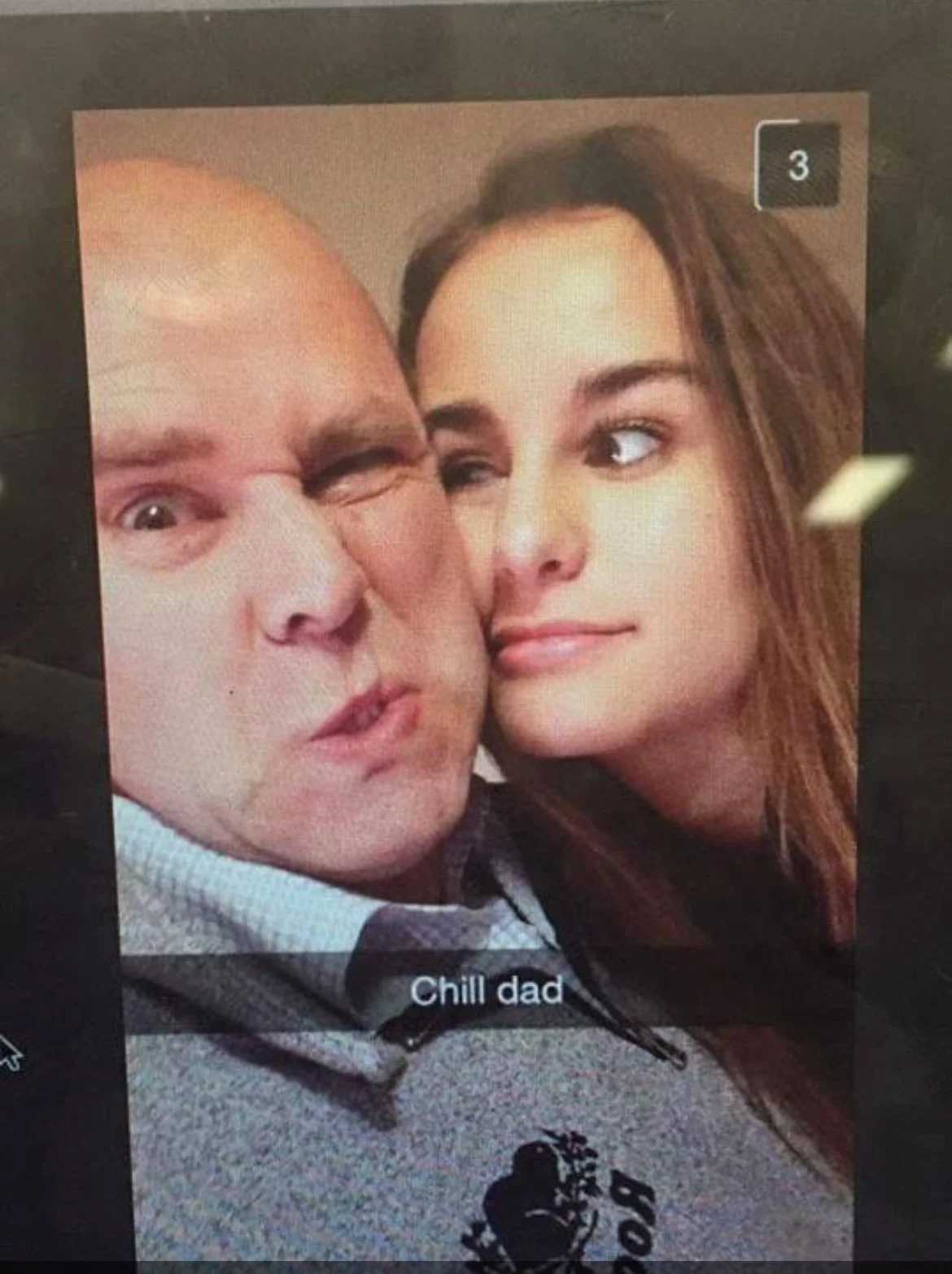
Grief Doesn't Get Smaller. You Get Larger Around It
Over ten years, parents who have lost a child find their way to Chris Coulter. They carry the same four questions. When does the pain ease. The guilt. How to honour their child. And the one nobody asks out loud. This is his honest answer to all of them. In memory of Maddie Coulter. June 28, 2000 — April 11, 2015.

For Maddie: Why The MentorWell Exists, And How It Got Here
In 2015, Chris Coulter lost his 14-year-old daughter Maddie to suicide. What followed was ten years of listening to families, building what they told him they needed, and turning the worst moment of his life into something that protects other families before it's too late.

7 Physical Signs Your Neurodivergent Child Is Emotionally Overwhelmed (Before the Meltdown)
By the time the meltdown happens, the window has already closed. This post covers 7 physical signs neurodivergent kids show before they hit the wall — and what to do in that window. Written by an EQ specialist and parent of a neurodivergent child, grounded in a real conversation from our parent community.
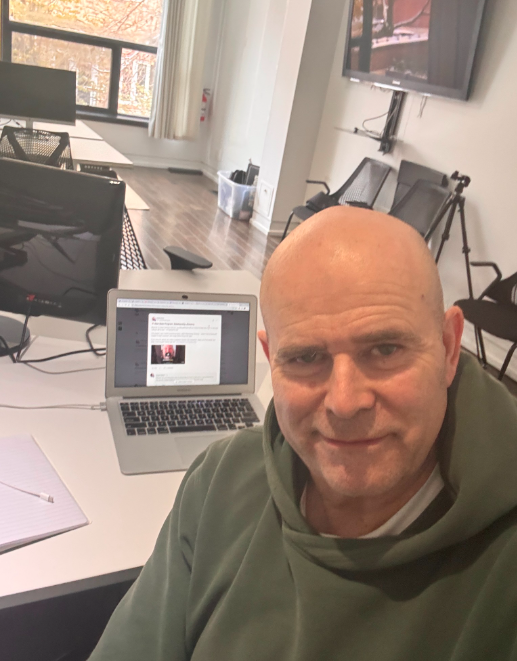

10 Questions I'd Ask Every Parent at a Dinner Party. But Probably Won't.
Ten questions I'd ask every parent if dinner parties allowed honesty. Not about grades or behaviour — about trust, silence, shame, and fear. Built from 2,000 conversations with parents in 102 countries. These aren't comfortable questions. They're the ones worth sitting with before it's too late to ask them.
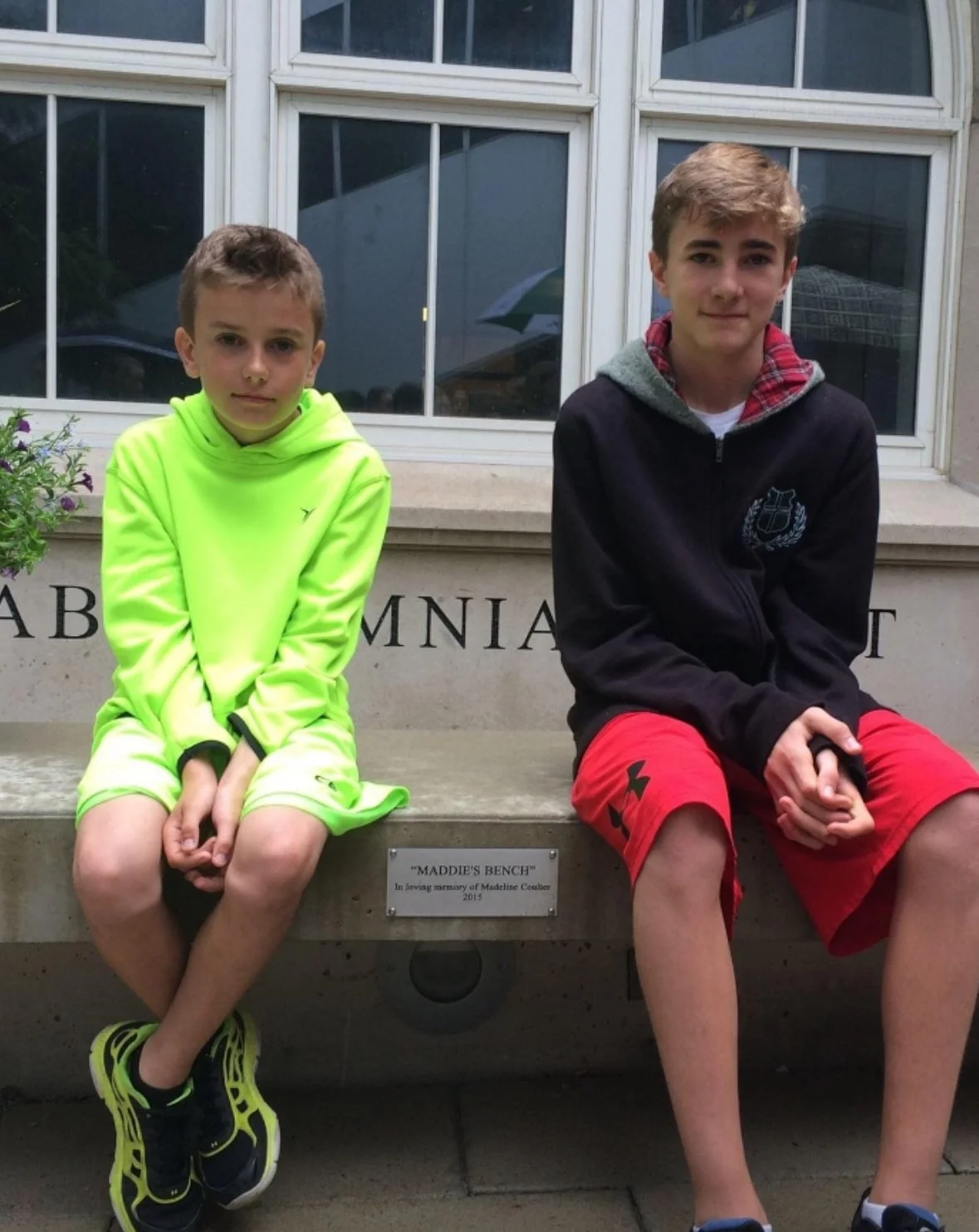
The Child Who Isn't Asking for Help Is Often the One Who Needs It Most.
When one child is in crisis, siblings often go quiet — not because they're fine, but because they've decided their pain doesn't get to take up space. Research shows 43% of siblings struggle too. This piece is for the parent who's doing everything right for one child and hasn't had a chance to look at the others.

Inbox Diaries: Episode 5 "I Called Every Number They Gave Me. Nobody Called Back."
A parent got a referral for her struggling daughter and was told to wait three months. Her daughter had told her she didn't want to be alive six days earlier. This Inbox Diaries episode explores the most dangerous stretch of road a family can be on — the gap between asking for help and help actually arriving — and what parents can do when the system can't meet them where they need to be met.
Girls Are Struggling More. Boys Are Dying More. We're Missing Both.
Girls and boys show distress differently. Girls struggle more visibly. Boys die more often. Most screening tools — including ours — were built around one. Teen Signal Check 2.0 fixes that with revised questions, gender-aware scoring, and two new signals most parents miss entirely.

My Boss Said "Let Me Know If You Need Anything." I Never Brought It Up Again
A manager said the right words and got it completely wrong. Here's what actually happens when employees share something hard at work — and what managers need to say in the 30 seconds that follow. A story about silence, psychological safety, and the moment that changes everything.

95% of Students Said Their School's Mental Health Program Wasn't Working. The School Disagreed
When 95% of students at one Toronto school said existing mental health programs weren't meeting their needs, the school pointed to its resources. But having programs and reaching students are different things. This post explores the gap between what schools believe they're providing and what students actually experience — and makes the case that mentorship is the relational layer that activates everything else.
We Train for Jobs That Don't Matter. But Not for the One That Matters Most
According to the Deloitte Family Wellness Survey, 22% of parents have a child who is emotionally struggling. In your company, that’s 1 in 7 employees. They’ve had leadership training, communication training, conflict resolution. Zero hours on parenting a struggling teen. This article makes the case for treating parenting as professional development and shows employers what the gap is costing them.

I Made My Divorce Harder on My Kids Than It Needed to Be. I Told Myself They Were Fine.
Chris Coulter doesn't pretend he handled his divorce well. It got ugly, his kids were in the middle of it, and he told himself they were fine because he needed to believe it. This post is a raw reckoning with what he missed — how children protect their parents from pain, why silence isn't resilience, and the question every divorcing parent needs to sit with before it's too late.

She Checked If Her Daughter was Breathing. Then She Went to Work
1 in 4 working parents is dealing with an emotionally struggling child right now. In a 200-person company that’s roughly 30 employees carrying something heavy in silence. This post breaks down what parenting stress is actually costing your organization, why EAP isn’t enough, and what companies can do to support the working parents who show up every day pretending everything is fine. Includes the free Workplace Signal Check.

What No One Tells You About Admitting Your Teen to a Psychiatric Ward
When Chris Coulter's daughter Maddie was admitted to a psychiatric ward, he didn't know what he was looking at. Most parents don't. This is an honest account of what the experience is actually like, what happens after discharge, and why the hardest part isn't the crisis itself but the weeks that follow. Written from lived experience by the founder of The MentorWell. Includes the free Teen Signal Check.

7 Subtle Signs Your Child Might Be Struggling(Even If They Say They’re Fine)
Most kids won't say they're struggling. They'll shrug, smile, and say "I'm fine." The real signals are in what they stop doing and start hiding. This post walks through 7 subtle behavioural shifts that parents often dismiss as phases but may point to something deeper. Includes practical next steps and a free Teen Signal Check used by over 3,500 parents.

The Inbox Diaries: Episode 3, "My Teen Won't Talk to Me. So I Stopped Talking Too."
When a teen withdraws, parents often try harder to reach them—only to create more distance. In this episode of The Inbox Diaries, a father asks whether giving his son space means giving up. Through a personal story about Maddie, this post explores the powerful shift that happens when parents stop pushing and simply stay present. Sometimes the quietest moments reopen the door to connection.

What Maddie Taught Me About the Depression Parents Don’t See
Teen depression often hides behind smiles and success. After losing my daughter Maddie, I began hearing from families facing the same quiet struggles. This article explores the signs parents often miss and why young people need safe adults to talk to before problems become crises.

Grief Doesn’t Peak at the Funeral. It Begins the Day After.
Grief often begins after the funeral, when the calls stop and the house grows quiet. In this reflection, Chris Coulter shares what he learned after losing his daughter Maddie and what he now sees as his father grieves the loss of his wife, Chris’ mom. The silence that follows loss can feel disorienting, but understanding it can help people support those grieving long after the funeral ends.

It's Not Too Early. It Might Already Be Late.
Parents assume mental health concerns start in high school. They don't. Parents of children as young as 8 are reporting warning signs including suicidal language, online bullying carrying into school, and emotional shutdown. Therapy waitlists are months long. This post covers what parents can do now to build emotional foundation, set boundaries, and create connection before the teen years hit. Free guide and parent community included.