

What Qualifies You to Give Parenting Advice When You Lost a Child to Suicide?
A stranger sent Chris Coulter a message on LinkedIn: “What qualifies you to give parenting advice when you lost a child to suicide?” The question stung. But it deserved an answer. This article is that answer — told through the loss of his daughter Maddie, and two messages from parents whose lives were changed by what he writes. The stories are the credentials.
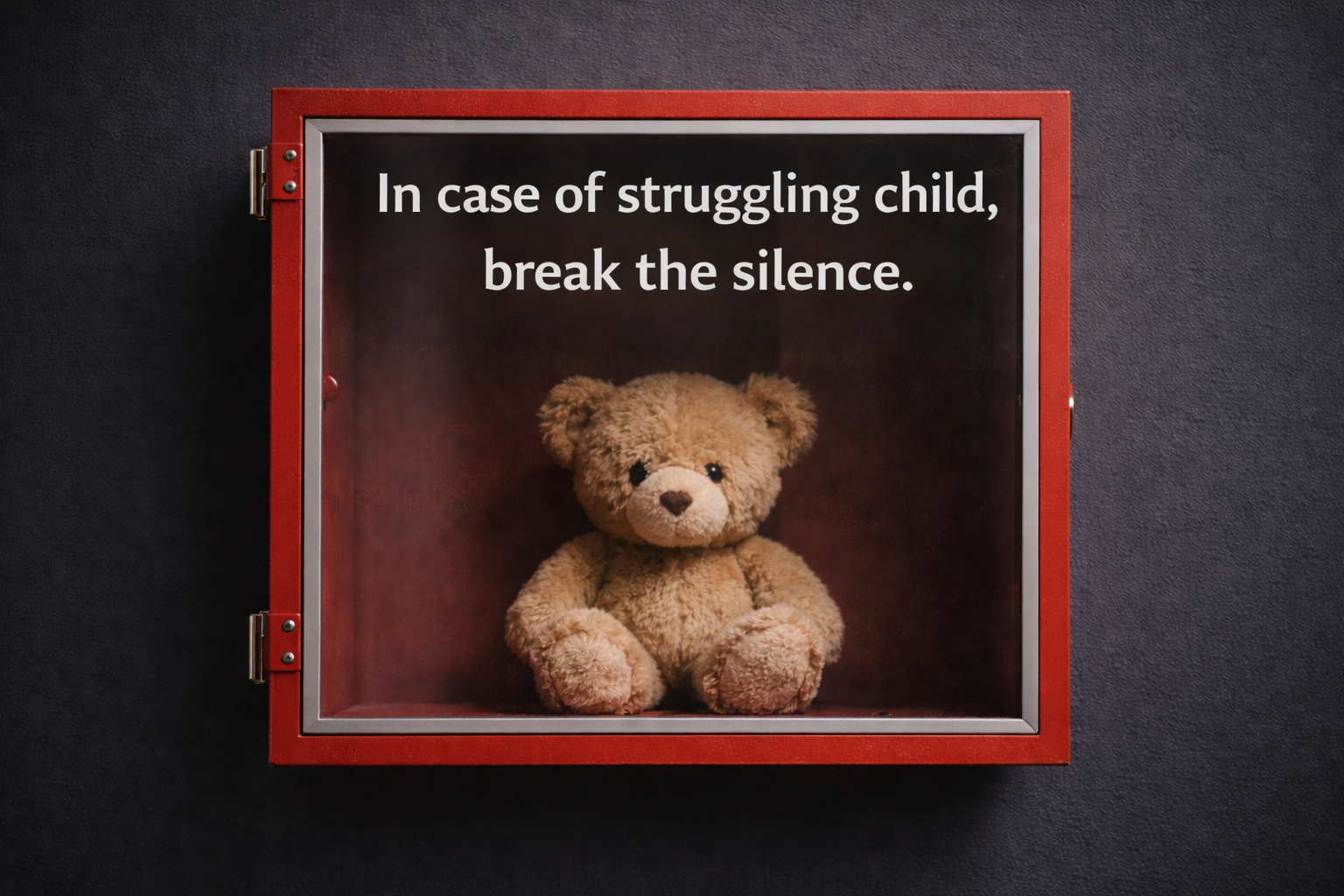
What If Schools Treated Suicide the Way They Treat Fire?
Every school has fire drills, fire exits, and evacuation plans. Suicide is the second leading cause of death among Canadian teenagers and most schools have no plan for it at all. This article explores why schools avoid the conversation, what that silence teaches teens, what actually works, and what parents can do when their child’s school won’t start the conversation. Includes the Teen Signal Check tool.

The Inbox Diaries — Episode 2. "I Haven't Told Anyone at Work"
When a parent messaged Chris Coulter privately because her company frowns on honesty, it revealed something he’d been carrying too. When Maddie was struggling, he told no one at work. In a company of 200, roughly 30 employees are navigating a child’s mental health challenge silently. This article explores the cost of that silence and what it takes to fix the thirty seconds after someone says something real.

I Thought Loving Her Harder Would Save Her. I Was Wrong
When his daughter was hospitalized for the second time, Chris Coulter realised that loving her harder was not going to close the gap. This post explores why teens in crisis need more than one person, why mentorship fills the space between therapy and parenting, and how parents can take a first step before things escalate. Includes the free Teen Signal Check tool.
The 30 Seconds That Decide Whether Your Best People Stay or Leave
Chris Coulter of The MentorWell makes the case for supporting whole employees — not just the 9-5 version. From teen mental health to aging parents to financial stress, the employers who show up when it matters earn loyalty no salary can buy. For HR leaders and executives at companies with 50-500 employees.

How Maddie's Death Prepared Me for My Mom's Passing
Chris Coulter reflects on losing his mother days after her stroke, and how eleven years of grieving his daughter Maddie prepared him for this loss. A deeply personal piece on grief, presence, and the unexpected gifts loss leaves behind. For anyone navigating the loss of a parent or child.

The Inbox Diaries — Edition 1. "I Check If She's Breathing Before I Go to Work"
A weekly series drawing from real messages sent to Chris Coulter of The MentorWell. Episode 1 explores the silent epidemic of parents navigating teen mental health crises while performing fine at work. For parents carrying this alone and employers who don't know what's happening in their building.

Social Media: The Cause or a Symptom of Teen Anxiety?
We blame social media for the teen mental health crisis. But is it the cause or just a mirror? Chris Coulter explores the deeper pressures driving teen anxiety and what parents can actually do about it. Includes a free two-minute tool to help parents understand what they are seeing right now.
You’re Not Bad at This. You Were Just Never Taught.
Most managers want to support their struggling employees. They freeze because nobody gave them a framework for the first 90 seconds. First Conversation Coaching gives managers the exact language to open the conversation that keeps someone in the door — instead of the one that accidentally signals it isn’t safe to be honest here.

To the Parent Thinking, “This Could Never Happen to Us”
A parent and mental health advocate shares what he learned after losing his daughter — not to scare you, but to help you pay attention. This article challenges the assumption that good parenting, academic success, or a strong family protects your child from silent suffering. It's a call for awareness over fear, curiosity over criticism, and earlier conversations over regret.

The Day I Realized I Didn't Know My Own Child
Chris Coulter thought his daughter Maddie was just being a teenager. Eye rolls, silence, withdrawal. He told himself it was a phase. One night he found her at a party in distress. He told her tomorrow would be a new day. That night she attempted suicide. This article is about what he missed, what he's learned since, and why he built The Mentor Well — a mentorship platform for teens and families navigating mental health challenges. Includes free tools and resources for parents.

We Don’t Wait to Talk About Cancer, Why Wait for Mental Health?
When a teenager is diagnosed with cancer, the support is immediate. When a teenager is admitted to a psychiatric ward, there's silence. Chris Coulter's daughter Maddie spent two months in a youth psychiatric ward. Her friends were told it was stomach issues. Only family visited. This article explores why we treat physical and mental illness differently, the cost of silence, and why it's time to stop whispering about youth mental health. Includes practical resources for parents and employers.
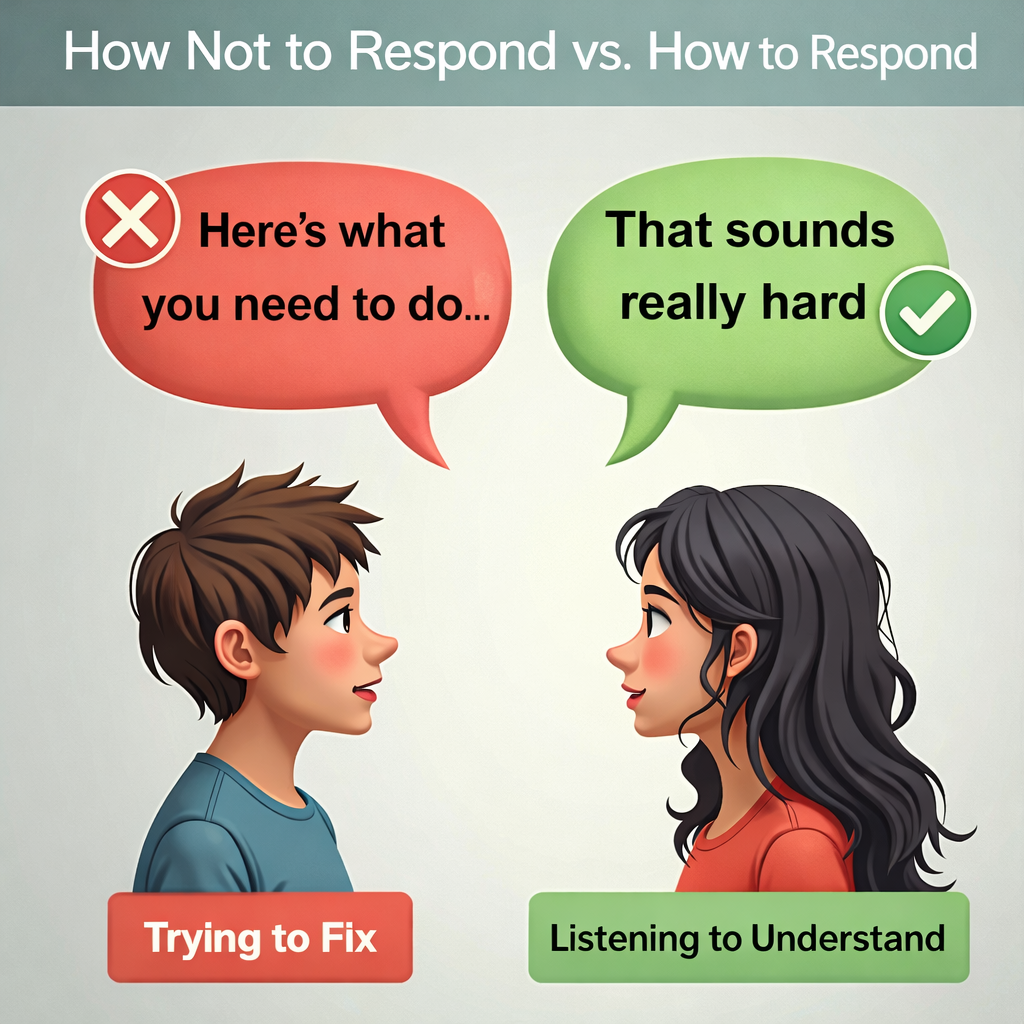
How to Listen to Your Teen Without Pushing Them Away
Many parents unintentionally shut down teen communication by jumping into problem-solving mode. This article explains why “fixing” backfires, what teens actually need when they open up, and simple conversation scripts that build emotional safety. Includes warning signs your teen may be struggling and a 2-minute tool to help you assess what’s normal and what needs attention.

Teen Mental Health at Work: What HR Leaders Need to Know
Teen mental health is already impacting your workforce. Roughly 1 in 4 working parents is navigating a teen mental health challenge, often silently. When companies fail to support parents proactively, productivity, engagement, and retention suffer. This article explores why compassionate leadership during family crisis builds loyalty, advocacy, and long-term cultural strength.

Don’t Make Your Employees Beg
A parent in your company is quietly deciding if it is safe to tell you their child is in mental health crisis. Benefits do not determine that decision, culture does. This article shows leaders how to build trust before crisis hits, support employees without making them beg, and turn real human care into a lasting competitive advantage.
The 7 Questions Parents Ask Me in Private
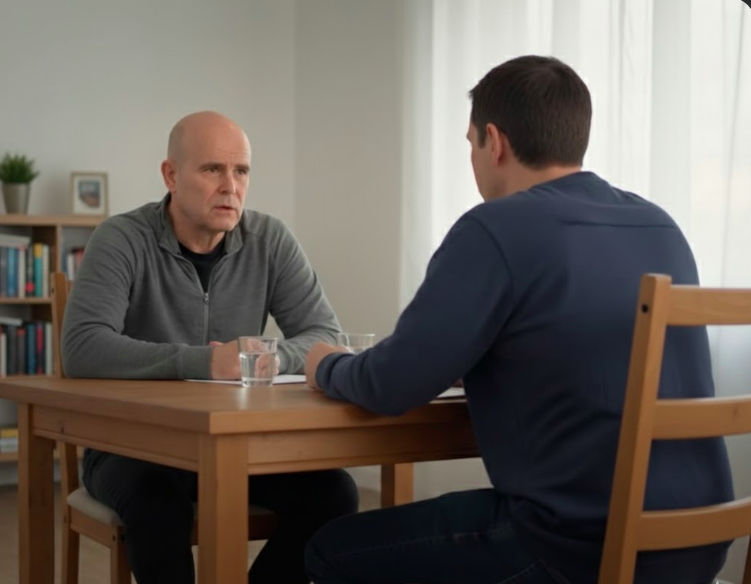
Parents of struggling teens ask me the same 7 questions in private about exhaustion, isolation, "I'm fine," when to act, and fear of overreacting. These aren't signs of bad parenting. They're signs you're paying attention. If you're noticing changes in your teen and wondering if you should be worried, this is for you. Trust your instincts.

Your Competitor Just Became the Company Parents Choose Over You
Two types of companies compete for the same talent. Type A says "leave personal life at the door." Type B supports the whole human. When 1 in 4 working parents has a teen in crisis, parents are screening for which type you are in interviews. They're asking: "What happens if my kid has a crisis?" One answer loses talent. One builds loyalty. The companies choosing Type B aren't being nice—they're being strategic.

I Want Your Kids to Be Okay, And I Want You to Be Able to Live With Yourself
I can't promise your kid will be okay. No one can. But I can promise this: if you act on what you're seeing—if you pay attention, ask hard questions, get support before crisis—you'll be able to live with yourself regardless of what happens. The cost of overreacting is awkwardness. The cost of underreacting is something you'll never forgive yourself for. From Chris Coulter, founder of MentorWell.
Selling Prevention in a Culture Addicted to Crisis
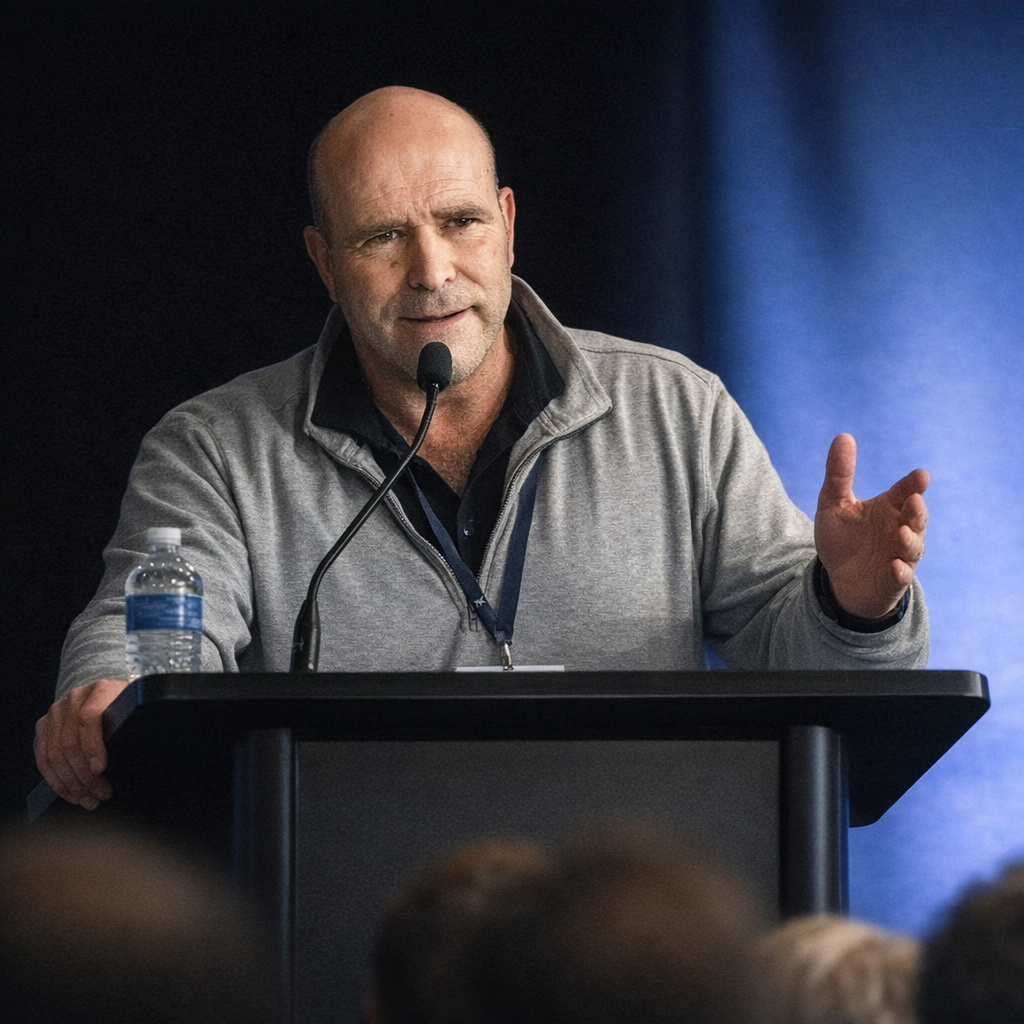
The healthcare system is designed backwards. We fund crisis and ignore prevention. A parent trying to be proactive pays $150/hour out of pocket. Wait until your teen is in crisis and it's suddenly covered. So parents wait. And sometimes waiting costs them everything. I waited. Maddie died. Now I'm selling prevention in a system that only pays for crisis—the worst business model and the only ethical one.

You Say You're Employee-Centric, But 14% of Your Workforce Is Hiding Something From You Right Now
One in seven of your employees is dealing with a struggling teen right now. They're hiding it because they don't trust your culture enough to be honest. This isn't about adding benefits—it's about proving your employee-centric mission statement is real. When a parent's kid is in crisis, do they feel safe telling you? Or do they perform wellness while falling apart? Your answer determines what kind of employer you actually are.