

She Used to Tell Me the Number
Your teenager comes home flat. You ask what happened and they say nothing. That can be the literal truth. Chris Coulter remembers when his daughter could name what upset her: a photo that only got forty-two likes. Today the pressure arrives in small pieces a teen can't explain. Here's why hunting for the incident backfires, and a better way to talk to your teenager about mental health.
6 Things Parents Mistake for Laziness That May Be Something Else
Is your teenager lazy, or is something else going on? Chris Coulter looks at six behaviours parents often mistake for laziness, from procrastinating to doing the bare minimum to dropping activities they used to love. Practical ways to respond, what may sit underneath, and how to tell when your teen's behaviour is normal and when it's a change from the kid you know.
We Have a Recognition Problem
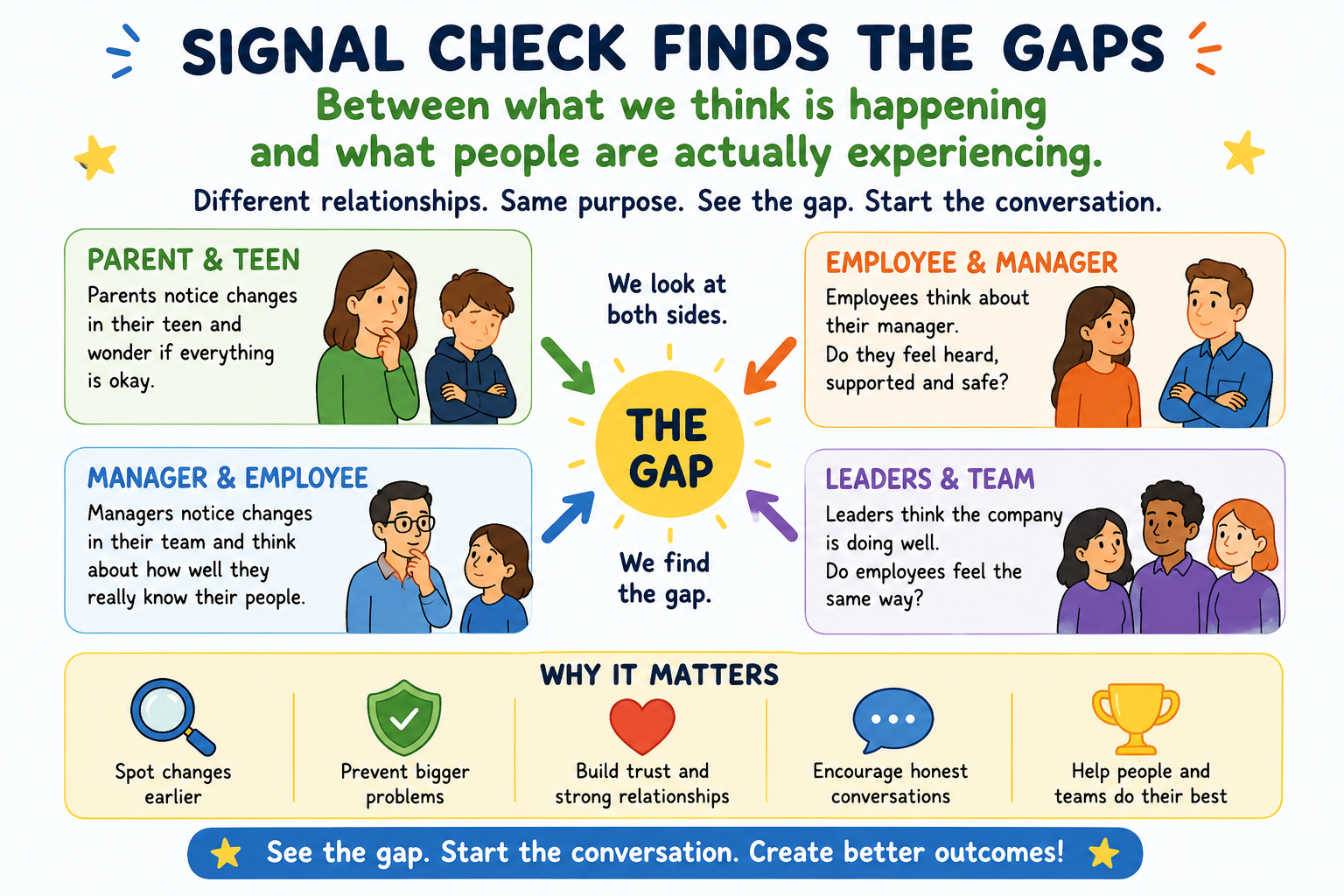
Mental health support often begins after someone asks for help. But what happens before that? Chris Coulter explores the recognition gap facing parents, managers and employers, and how Teen Signal Check, Manager Signal Check and Culture Signal Check can help identify changes, blind spots and disconnects earlier, before assumptions replace conversations.
Your Teen Isn’t Refusing Therapy. They’re Refusing What Saying Yes Would Mean
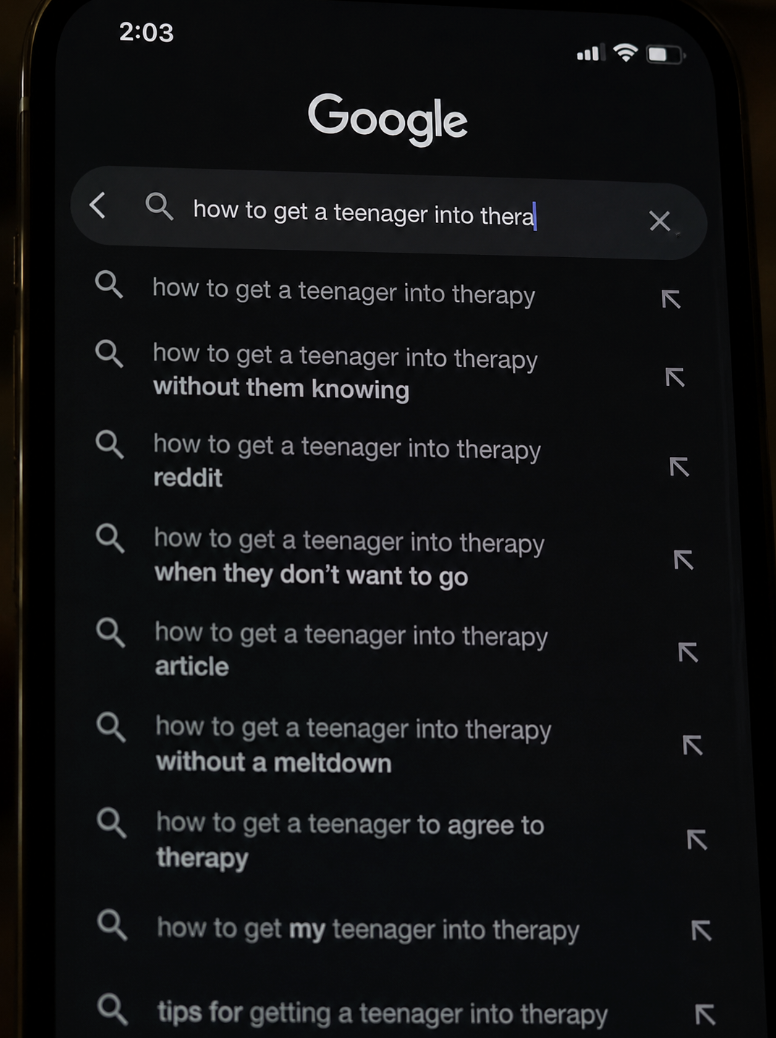
You found someone, sorted the coverage, worked out how to raise it. And your teenager said no, with no reason attached. Most parents read that as stubbornness. It's usually something else. Six things a teenager is protecting when they refuse therapy, what to say instead of arguing, and what to do when the answer stays no.

Nobody Asks the Second Question
Every podcast opens with the same question about my daughter Maddie. Off the microphone, people say they're sorry for my loss. One asks me to be her dad for a minute. The other closes the conversation. This is about what you actually get when you ask a grieving parent a second question, and the fourteen year old who appointed herself greeter on a psychiatric ward.

Don't Tell Them the Odds
Most teenagers come through the teenage years. That statistic means nothing to the parent checking their child is breathing before work. This is what a teenage mental health crisis looks like from the parent's side: the bracing, the silence, the fear they cannot say out loud. Written by a father who lost his daughter, for parents living it and the people who love them.

The Kids Who Never Cause Problems Worry Me the Most
Every parent keeps a mental list of the kid they worry about. The kid who never causes problems isn't on it. Chris Coulter on why high achievers, helpers, and conflict-avoiders are the hardest to read, how to know when to worry about teenage behaviour that looks perfect from the outside, and four questions that help you get your teenager to open up before "fine" becomes a wall.

I Thought I Would Know if My Child Was Hurting. I Was Wrong.
Chris Coulter thought he knew his daughter better than anyone. A quiet four-hour drive home from Prince Edward Island proved him wrong in ways he wouldn't understand for years. This piece looks at confirmation bias in parenting, why "fine" isn't proof of anything, and the early warning signs of teen depression that get explained away. For parents who assume they'd know if something was wrong.

Your Teenager Doesn't Need a Crisis to Need Support
Many parents wait for a crisis before getting their teenager support. This guide explains teen mental health coaching, how it differs from therapy, and why the space before a crisis is where the most good gets done. Written by a parent who's lived through loss, it covers warning signs, how mentoring works, and how to know if your teenager needs a mentor, a therapist, or both.
Love Isn't Always Enough. That Truth Nearly Broke Me
Love is why parents show up. But love alone does not teach you how to recognize when your child is struggling. Chris Coulter writes from eleven years of hindsight about the gap between loving deeply and seeing clearly, and why awareness is a skill every parent can learn.
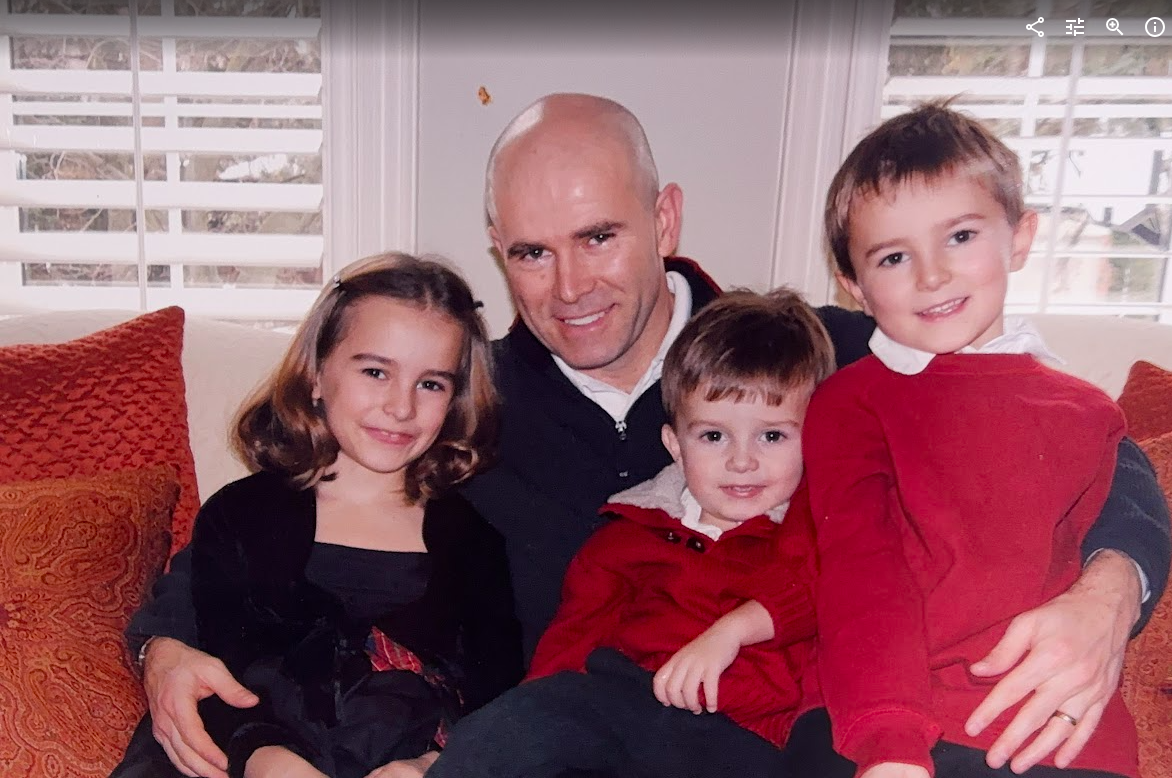
How to Navigate a Teen Mental Health Crisis Together
Worried your teenager is struggling with mental health? Learn the warning signs, the 5Rs framework, and practical ways to support your teen before a crisis escalates.

The Scariest Words a Parent Can Hear Are "I'm Fine"
Most parents accept "I'm fine" because the alternative feels harder. Chris Coulter writes about why teenagers use fine as protection, why parents let them, and what one extra question can do when you stay in the conversation a little longer than feels comfortable.

Experience Teaches. Learning Follows. Everything Else Becomes Regret.
Chris Coulter shares seven honest lessons about parenting a teenager, drawn from lived experience and regret. Written for parents who still have time to listen longer, fix less, and say what matters. A personal reflection rooted in loss and the hope that another family gets a different story.

Maddie Never Got to Be 26. This Is Her Legacy
Maddie would have been 26 today. Twelve birthdays without her. The Teen Signal Check she inspired has now been taken by more than 10,000 parents. 48% had their instincts confirmed. This is about silence, awareness, and the window parents have before worry becomes crisis. Three minutes tonight could change what happens next.

The Feeling I Wish I Had Trusted Before I Lost My Daughter
48% of parents who took the Teen Signal Check discovered their teen needed more attention than they realised. 52% Green. 30% Yellow. 18% Red. Three minutes. 14 questions. Built by a father who missed the signs and spent everything he had since making sure other parents don't. Free at thementorwell.com.
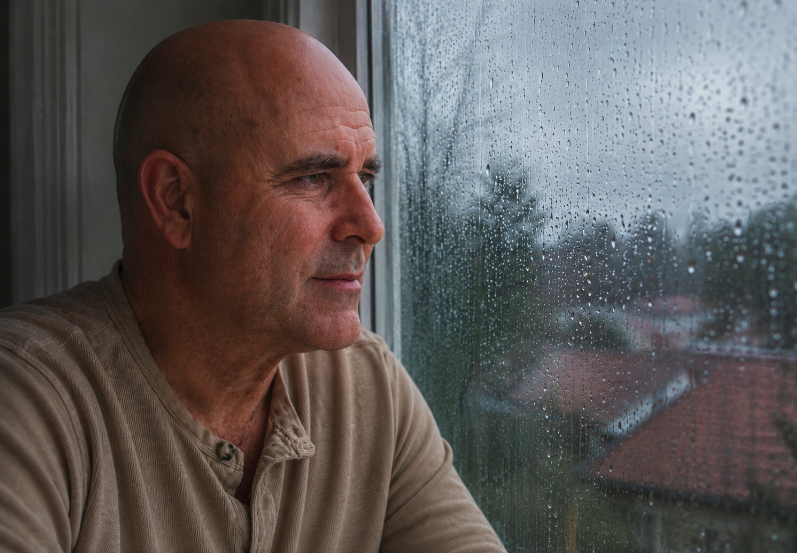
Why I Built a Private Community for Parents of Struggling Teens
Most parent groups start with energy and quietly die. When Something Feels Off is different. Built on Skool by a parent who lost a child and needed a safe room that didn't exist, this private community gives parents of struggling teens a place to think out loud, get informed, and stop carrying it alone. 217 parents and growing.

Why Teenagers Stop Talking to Their Parents
Most parents notice the silence before they understand it. This post breaks down why teenagers stop talking, including the small moments that close the door long before parents realize it's closed. Covers what drives teen withdrawal, what parents do that backfires, how to tell the difference between private and struggling, and what actually helps reconnect without pressure.

The Dad Who is Barely Holding It Together
Father's Day is not easy for every dad. For fathers carrying worry about a struggling teenager, or grief for one they lost, this is for you. And for the employers who need to understand what their people are carrying through the door every morning.
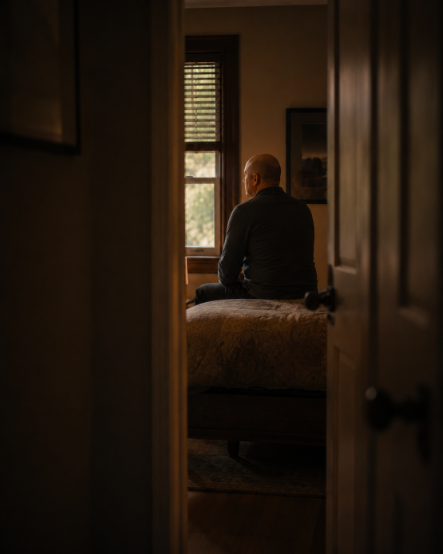
The Signs Were There. I Just Didn't Know What I Was Looking At.
The early signs of teen struggle rarely look dramatic. Irritability. Withdrawal. Sleep changes. Loss of interest in things they used to love. Most parents see these patterns and assume it's a phase. Sometimes it is. Sometimes it's the beginning of something that needed attention weeks ago. This post helps parents notice the difference — calmly, and before the window closes.
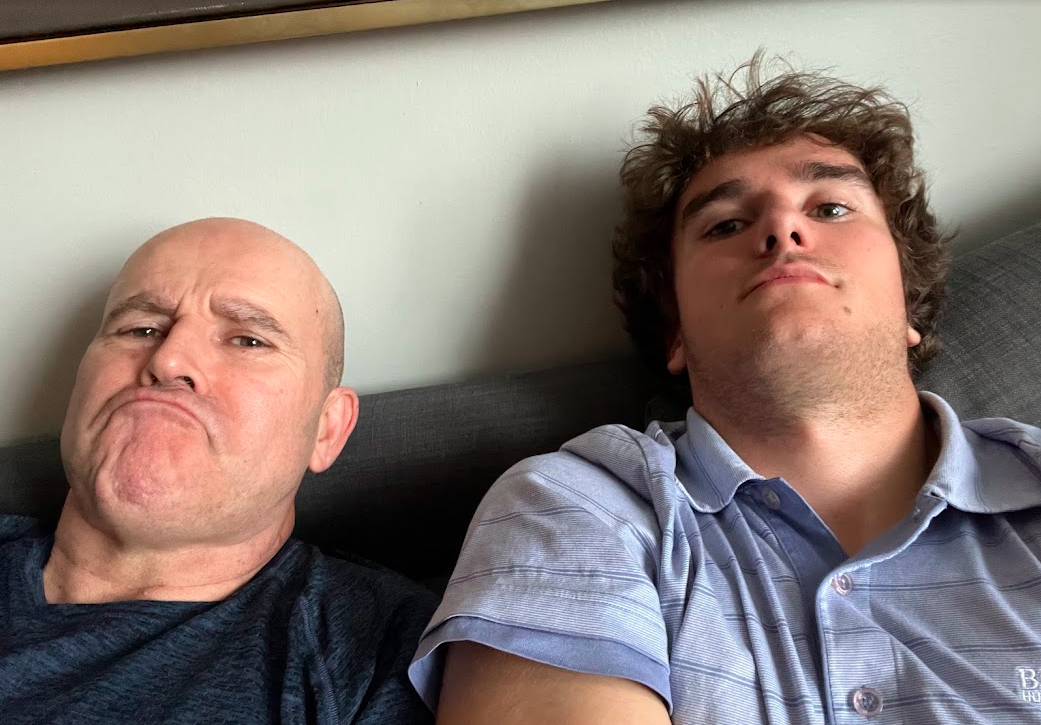
There's a Window. And Most Parents Don't Know It's Closing.
Most parents wait too long. By the time they realise their teenager has stopped talking to them, the distance feels permanent. But there is a window before that happens. A window to listen differently. To speak less. To build the kind of trust that makes a teenager want to share things rather than hide them. This post is for parents who can still feel that window and want to know how to use it.