

7 Subtle Signs Your Child Might Be Struggling (Even If They Say They're Fine)
Many kids won’t say they’re struggling—they’ll show it in subtle ways. This article outlines 7 behaviours that could signal emotional distress in teens, even if they say everything is “fine.” Learn how to recognize these red flags early, respond with compassion, and take action that could make all the difference.
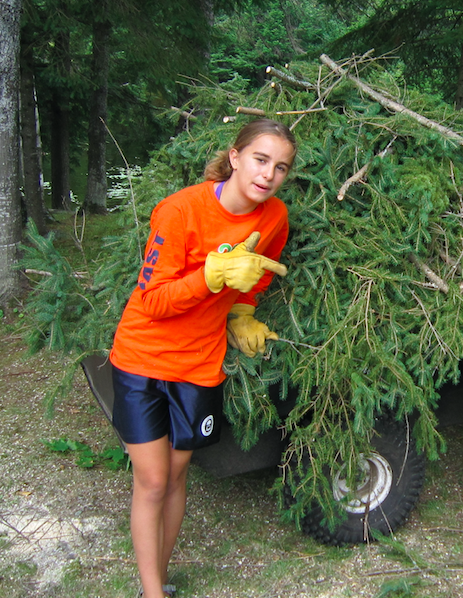
Teen Suicide Warning Signs Parents Miss: Why "It Won't Happen to Us" Is Dangerous
After my 14-year-old daughter Maddie died by suicide, I created a talk called "Wake Up: You Could Lose Your Teen to Suicide." Four parents signed up. The school cancelled. Most parents believe "that would never happen in our family." But 40% of teens experience significant mental health changes during adolescence—and many won't tell their parents. The warning signs were there. I just didn't know what I was looking at.
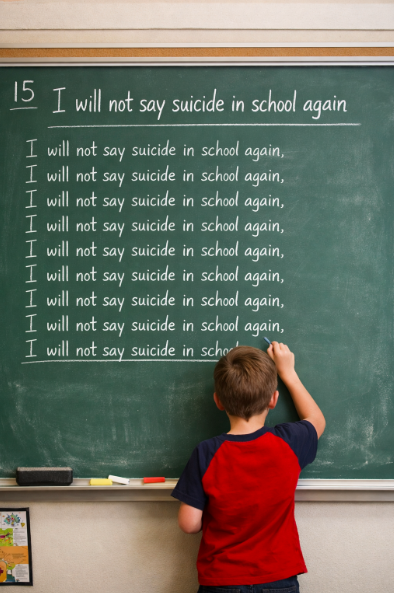
"I Will Not Say Suicide in School Again.”
Schools won't say the word — but suicide is the second leading cause of death among youth aged 15 to 24. The silence isn't protection. It's a policy choice defended by a myth. Here's what the research says, what it costs, and what needs to change before another student learns not to speak.

Girls Are Struggling More. Boys Are Dying More. We're Missing Both.
Girls and boys show distress differently. Girls struggle more visibly. Boys die more often. Most screening tools — including ours — were built around one. Teen Signal Check 2.0 fixes that with revised questions, gender-aware scoring, and two new signals most parents miss entirely.
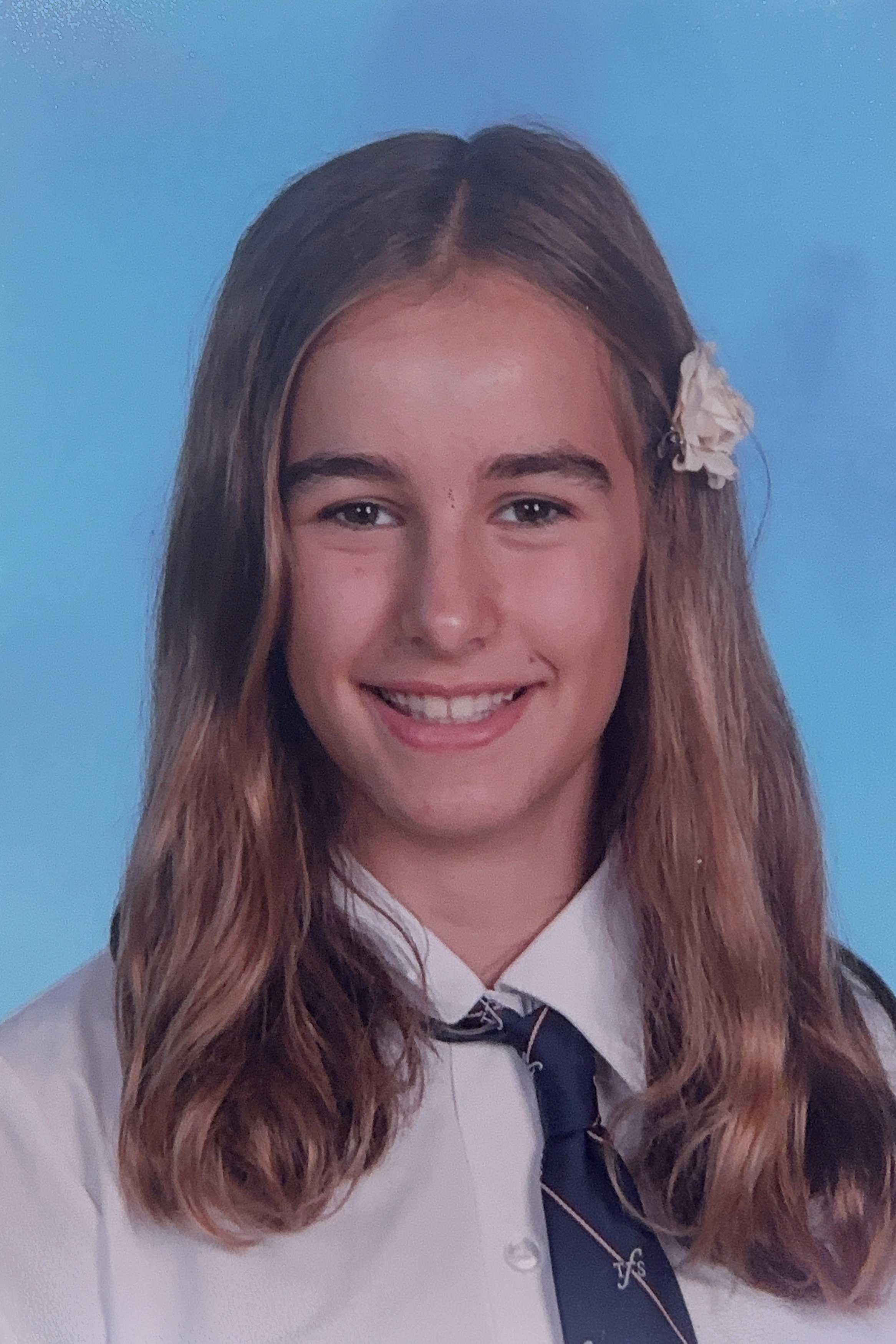
95% of Students Said Their School's Mental Health Program Wasn't Working. The School Disagreed
When 95% of students at one Toronto school said existing mental health programs weren't meeting their needs, the school pointed to its resources. But having programs and reaching students are different things. This post explores the gap between what schools believe they're providing and what students actually experience — and makes the case that mentorship is the relational layer that activates everything else.

What No One Tells You About Admitting Your Teen to a Psychiatric Ward
When Chris Coulter's daughter Maddie was admitted to a psychiatric ward, he didn't know what he was looking at. Most parents don't. This is an honest account of what the experience is actually like, what happens after discharge, and why the hardest part isn't the crisis itself but the weeks that follow. Written from lived experience by the founder of The MentorWell. Includes the free Teen Signal Check.
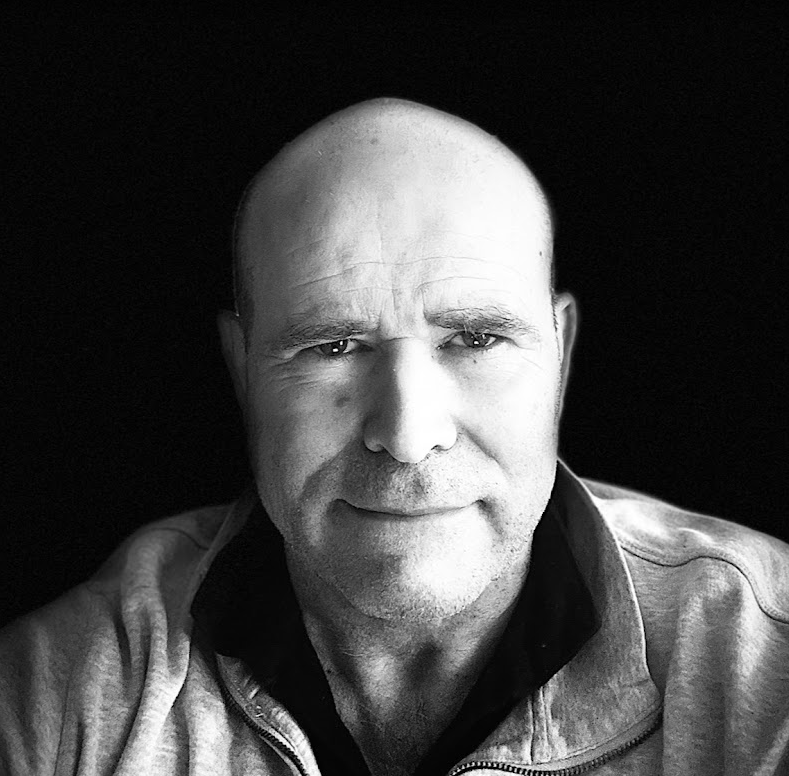
Building a Business Around a Problem People Don't Want to Admit They Have
I'm building a business around a problem people won't admit they have: missing the warning signs their teen is struggling. My target market is in active denial. I can't use fear or shame. Instead, I show them my failures. I missed the signs with my daughter Maddie. Now I'm building what I needed and didn't have, a way for parents to move from dismissal to awareness before it's too late.

Your Teen Is Not a Project to Fix, They’re a Person to See
Most teens aren’t lazy—they’re exhausted by the pressure to prove their worth through grades, awards, and perfection. This post explores how mentorship offers teens a new narrative: one rooted in self-worth, emotional resilience, and identity beyond performance. Parents, too, are invited to embrace a gentler, more affirming way forward.

You’re Not Their Therapist, And That’s a Good Thing
Maddie was a high-performing teen athlete silently struggling with life changes. This post explores how a mentor—not a therapist—might have helped her stay connected, feel supported, and know she wasn’t alone. Learn how MentorWell empowers real people to guide teens through overwhelm, burnout, and emotional shifts with presence and care.