

7 Things I’d Tell a Parent in the First Years After Losing a Child
Chris Coulter lost his daughter Maddie to suicide in 2015, when she was 14. Eleven years later, after telling his own father the truth about early grief, he rewrote what he’d tell a parent in the first years after losing a child: no schedule, a brain that changes, friends who go quiet, saying their name, and why some of it might make you angry.
7 Things I Got Wrong About Mental Health as a Business Owner
Chris Coulter co-owned a 70-person office furniture company from 1992 to 2010. Here are seven things he got wrong about mental health at work: calling it an excuse, doubting parents with sick kids, banning remote work, saying "let us know how we can help," ignoring the EAP, pushing through his own depression, and keeping it hidden. What to say when an employee shares a personal struggle.
She Used to Tell Me the Number
Your teenager comes home flat. You ask what happened and they say nothing. That can be the literal truth. Chris Coulter remembers when his daughter could name what upset her: a photo that only got forty-two likes. Today the pressure arrives in small pieces a teen can't explain. Here's why hunting for the incident backfires, and a better way to talk to your teenager about mental health.

I Wrote the Warning Signs for Parents. Then I Counted 11 in Myself.
Seven signs your teenager might be struggling, read back by the man who wrote them. The adult version of that list runs to fourteen items and the first seven are the same seven. Chris Coulter on cycling that quietly stopped, four hours of sleep for years, the explanation waiting for any man in his fifties who goes quiet, and why recognizing something and admitting it applies to you are two different things.

The Mental Health Checklist I Wish I Had When Maddie Was 14
They spend more time alone. They stop talking as much. They're on their phone more. Something feels different and you can't put your finger on it. Six things a parent can do when they've noticed a change in their teenager and don't know whether it means anything, including what to ask instead of how was your day, when to bring in someone who isn't you, and what changed in one house afterwards.

Know Your Child's Normal Well Enough to See When It Changes
Your teenager is quieter. Their sleep has changed. Conversations are shorter. Every item on that list also describes a perfectly normal fifteen-year-old, which is why parents explain it away. Chris Coulter on the difference between teenage moodiness and something worth attention, the six questions that separate a bad week from a pattern, and why knowing your child's baseline matters more than knowing the warning signs.
Everyone Goes Home After the Funeral. You Don’t.
The funeral director said he had never seen a line that long. Chris Coulter remembers comforting the people who came to comfort him. Then the next day arrived, the house went quiet, and grief moved in properly. On the hardest day after losing a child, why support thins out exactly when it starts to hurt, and why it is never too late to go back to a family in the quiet part.

I Picked a Day
In the spring of 2018, three years after we lost Maddie, I picked a day and told nobody. Not my therapist, not my closest friends, not the people who had already carried me through the worst thing that can happen to a family. Nothing was missing from my life. I had every person I needed. What I didn't have was any willingness to be a burden to them, and that was the dangerous part.

We Told Everyone It Was Her Stomach
Maddie was in the youth psychiatric ward in North York. Twice. Her friends would call the house and I'd tell them she had a stomach thing and would be home soon. She asked me to keep it quiet and I did. Chris Coulter on the two months nobody visited, why a broken back fills a room and this doesn't, and the decision he never realised he was making.

The Gap
Ask a parent how their kid is doing and you get an answer, not a guess. Ask a manager about the person ten feet away, same confidence. Nobody is lying. Everyone is answering from what they were shown, and somebody decided what that would be. Chris Coulter on why the people closest to you tell you least, what we measure instead, and the question worth sitting with.

She Would Have Told Me
I believed my daughter would tell me if something was wrong. Not confidence. Something closer to how you believe the floor will hold. Every quiet week, every look I couldn't read, went through that filter and came back fine. Chris Coulter on why teenagers often hide more from the parents they're closest to, what that belief was really doing, and the question to ask when your teenager won't talk to you.
Seventeen Hours
While my daughter was in a psychiatric unit, I felt something close to safe. There was a building with staff in it. When she came home, the fear arrived properly, and my sons were in that house for every hour of it. What the reversal does to the other children, why nobody catches it, and what helps more than a big conversation. (
Don't Tell Them the Odds
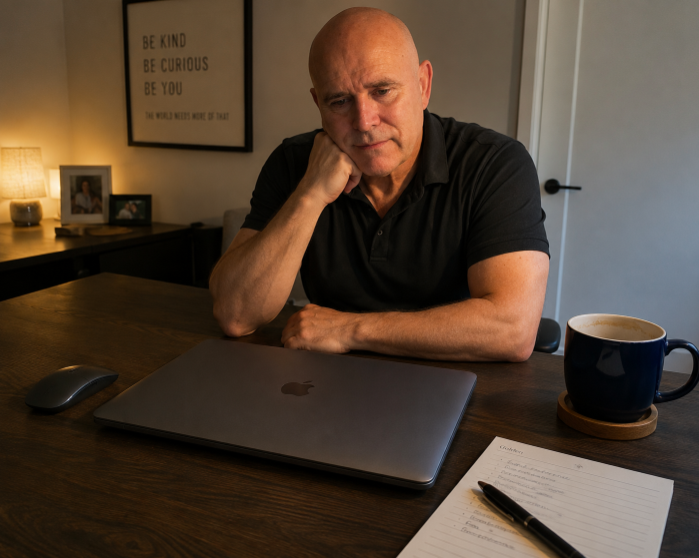
Most teenagers come through the teenage years. That statistic means nothing to the parent checking their child is breathing before work. This is what a teenage mental health crisis looks like from the parent's side: the bracing, the silence, the fear they cannot say out loud. Written by a father who lost his daughter, for parents living it and the people who love them.

Lived Experience is Not a Consolation Prize
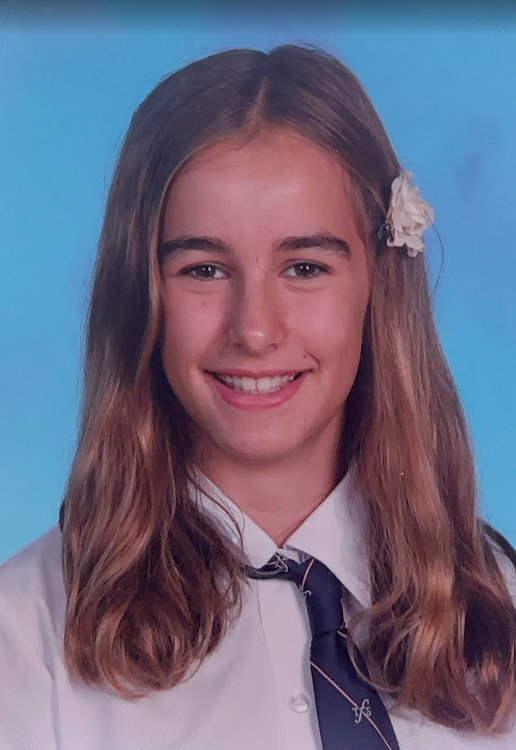
Chris Coulter lost his daughter Maddie in 2015. He is not a therapist or clinician. He is a father who survived the worst thing a parent can face and decided that could not be the whole story. This piece explores why lived experience is a legitimate credential and why it reaches people clinical training sometimes cannot.
The Things That Outlast the Person
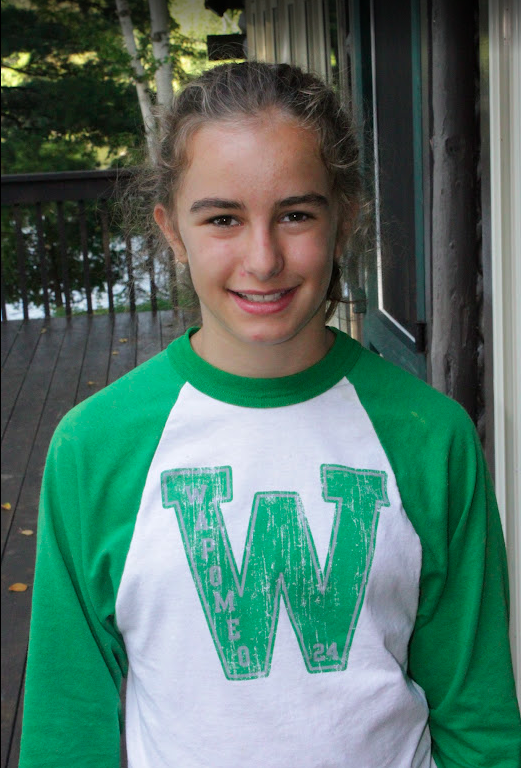
When someone you love dies, ordinary objects become something else entirely. A hoodie. A playlist. A card in a drawer. This piece explores what grief does to the things they left behind, why holding on is not the same as being stuck, and how you will know when the time is right to let go.
What Grief Actually Does to a Person
Eleven years after losing his daughter Maddie, Chris Coulter writes honestly about what traumatic grief does to the brain, why the pain does not diminish with time, and what people carrying loss actually need from the people around them. For parents navigating grief, loss, or the weight of a struggling child.

The Rogue Wave
Eleven years into grief and the rogue waves still come. This post is for parents who are years out from their hardest moments and still being blindsided. It addresses antidepressant stigma, the myth of easy grieving, and what it actually means to move forward with grief instead of without it.
I Ran Out of Options. Not Resolve.
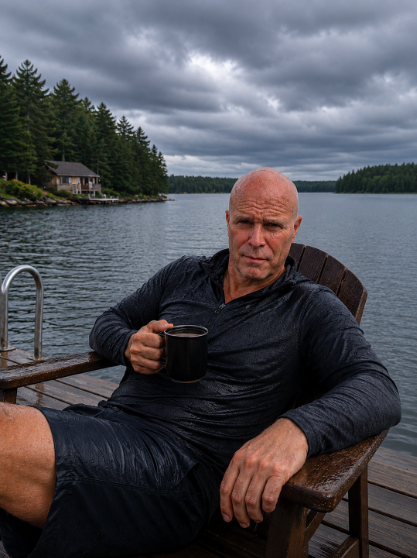
Some parents of struggling teens reach a moment where they have tried everything and the distance still is not closing. This post names that experience honestly — the exhaustion, the silence, the floodgate that opens when someone finally finds a safe room. For parents who have run out of options but not resolve.
The Inbox Diaries: Episode 4. "A Stranger on the Internet Understood Me Better Than Anyone in My Life"
Every week parents send Chris Coulter messages they haven't shared with anyone — not friends, not family, not coworkers. A father whose daughter was attacked. A mother who discovered self-harm. A woman carrying 33 years of grief alone. Episode 4 of The Inbox Diaries explores why the people closest to us are the last ones we tell — and what it takes to become someone safe enough to hear the truth.
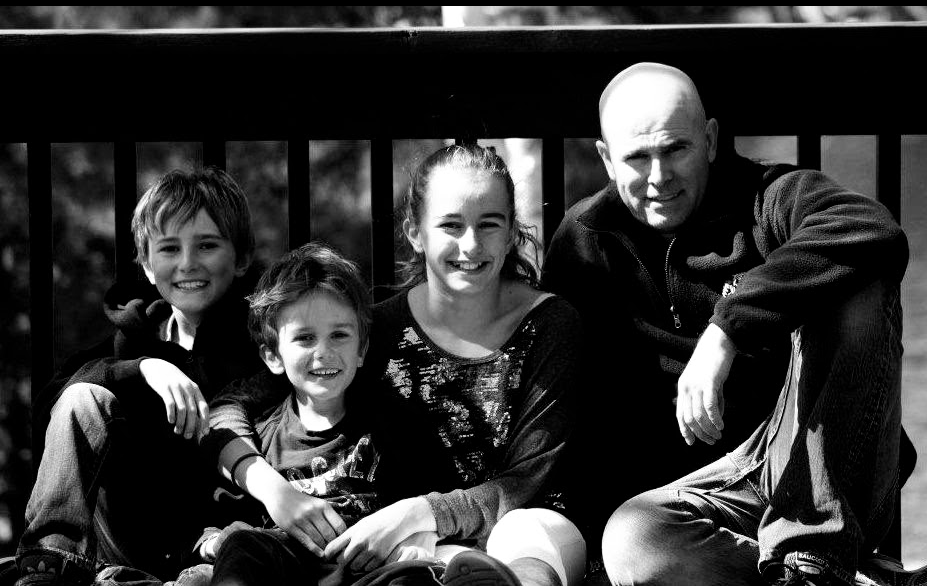
I Made My Divorce Harder on My Kids Than It Needed to Be. I Told Myself They Were Fine.
Chris Coulter doesn't pretend he handled his divorce well. It got ugly, his kids were in the middle of it, and he told himself they were fine because he needed to believe it. This post is a raw reckoning with what he missed — how children protect their parents from pain, why silence isn't resilience, and the question every divorcing parent needs to sit with before it's too late.