

What Kept Me Here
After my daughter died, there were days I wasn't sure life was worth it. I once wrote a list of thirteen things that kept me going. I padded it. Eight of them held up: laughter, sunshine, moving every day, gratitude, a few people, a purpose, the future, and curiosity. None of them fix anything. On the worst days, one was enough. Then a question worth asking your own teen.
My Dad Asked Me If Life Was Still Worth Living
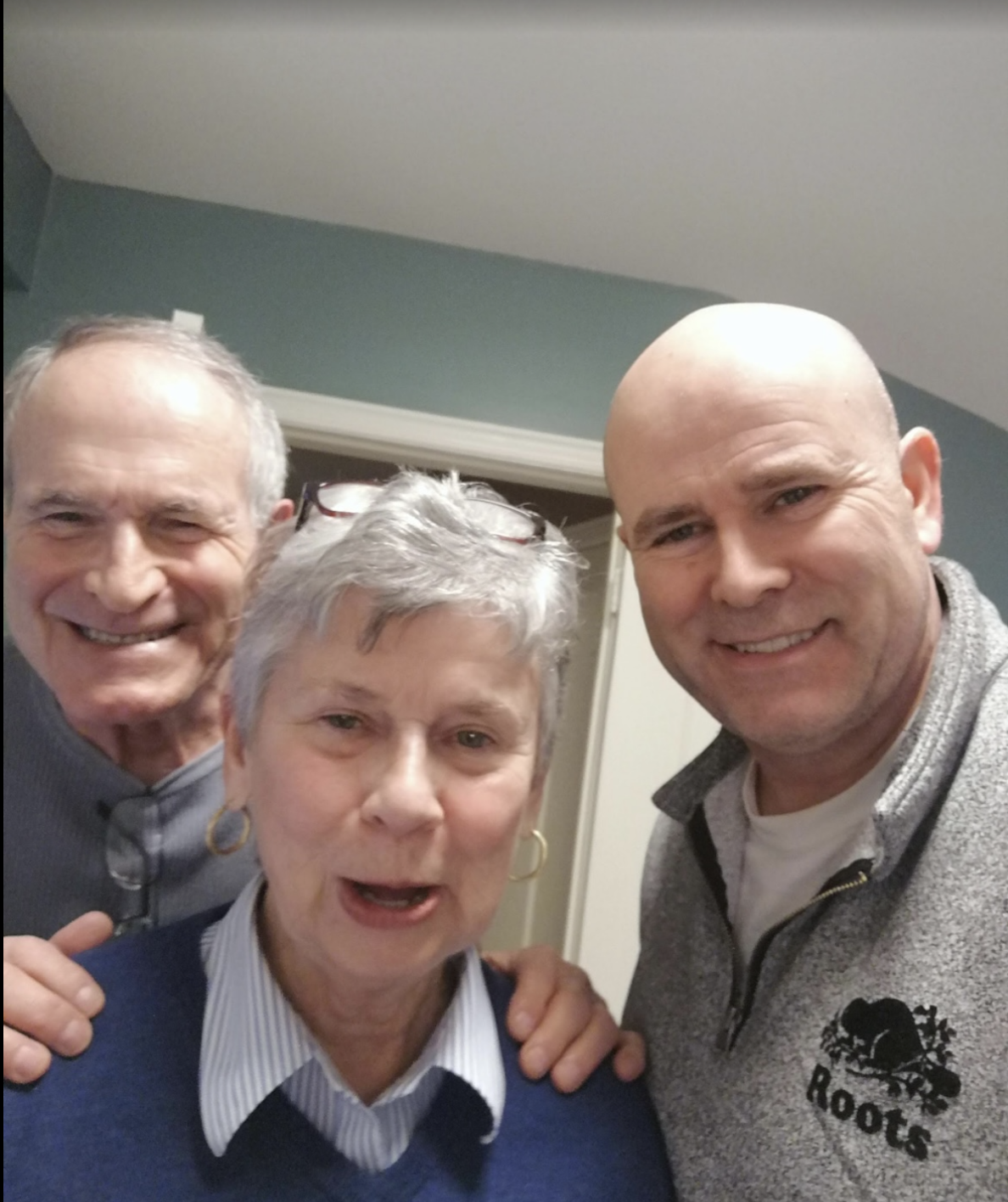
After my mother died, my father walked into my room, sat down on my bed and asked whether I ever felt life wasn't worth living. I told him yes. I'd felt it after my daughter Maddie died. What followed was the most open conversation we'd ever had, and it taught me something about why almost nobody asks that question, and what happens when somebody finally does.
The Photo That Never Changes
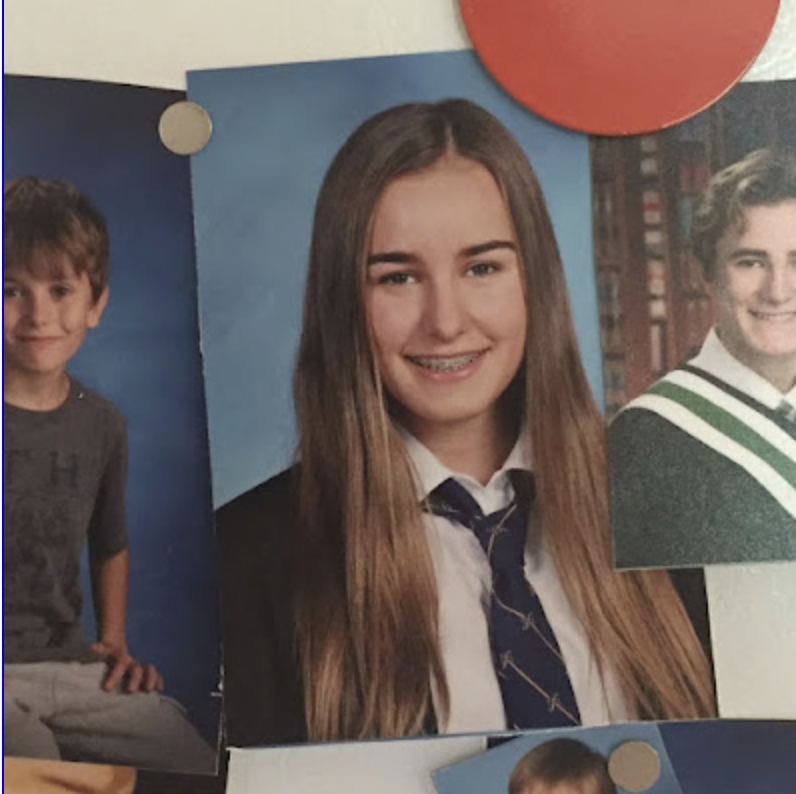
In January 2017, twenty-one months after my daughter Maddie died at fourteen, I wrote about the photos on my fridge. Everyone else's get swapped out at the end of the school year. Hers does not. Nine years on, I'm putting the piece back up unchanged, with one correction: I was wrong about what her brothers were carrying, and wrong about why.
The hardest part of losing a child isn't what most people think.
The hardest part of losing a child is not the funeral. It is learning to live with the guilt, unanswered questions, and fear that your child will be forgotten. Chris Coulter shares what grief looks like ten years after losing his daughter Maddie and offers practical ways to support bereaved parents with compassion, presence, and remembrance.
Grief Doesn’t Follow a Schedule
Grief does not arrive on anniversaries and leave the rest of the year alone. It arrives in aisle seven. Eleven years after losing his daughter Maddie, Chris Coulter writes about what it means to stop being surprised by it.

Grief Doesn’t Peak at the Funeral. It Begins the Day After.
Grief often begins after the funeral, when the calls stop and the house grows quiet. In this reflection, Chris Coulter shares what he learned after losing his daughter Maddie and what he now sees as his father grieves the loss of his wife, Chris’ mom. The silence that follows loss can feel disorienting, but understanding it can help people support those grieving long after the funeral ends.

My Beautiful Daughter’s Story Didn’t End in 2015….And Neither Did Mine.
A parent reflects on life after losing a child and why writing remains a way to stay connected. Grief changed over time. It moved from survival to purpose. Sharing Maddie’s story now supports parents who feel alone or unsure how to help their teens. This writing keeps her present. Not as a memory that fades but as part of the work and the care offered through The MentorWell.