

The Emotional Load Economy: The Cost Your Company Is Already Paying
Every employee brings their life to work: the struggling kid, the sick parent, the divorce. Employers already pay for that weight in lost attention, slower judgment and quiet resignations. Chris Coulter ran a 70-person company, then lived his own hardest years in silence. He explains the Emotional Load Economy and why every workplace is either adding weight to its people or taking some off.
“Do You Have a Minute?” The Conversation Most Managers Aren’t Ready For
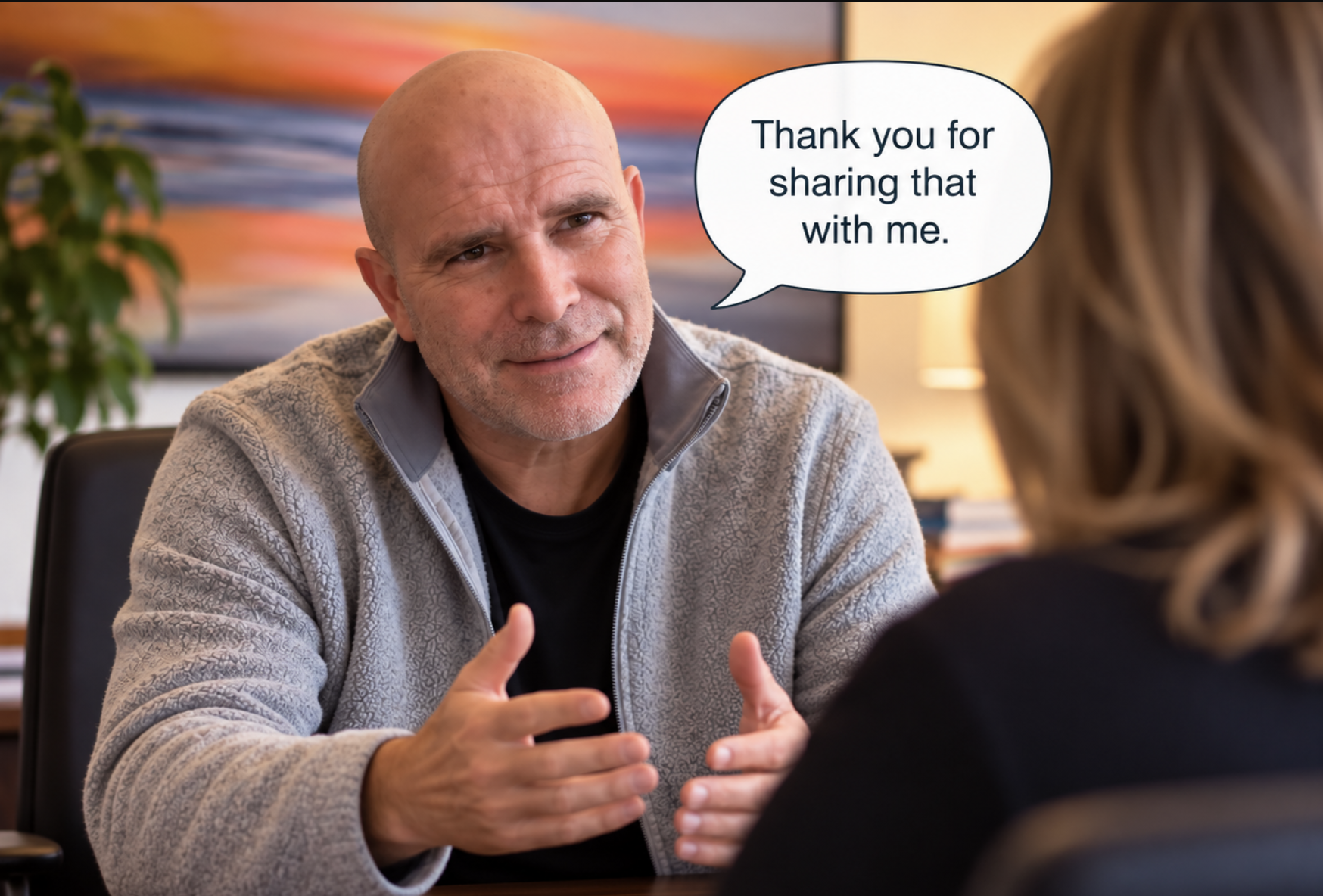
A top sales rep closes her manager's door and says her son hasn't been to school in two weeks. Chris Coulter, founder of The MentorWell, walks through five things leaders can do when an employee shares a personal struggle: thank them, listen, ask what they need, leave the reassurance out, and follow up. Plus why this conversation matters for retention, and what it costs when it goes wrong.

When One Person Struggles, Five Others Feel It
When a teenager struggles, the whole circle around them struggles too: parents performing normal at work, siblings who shrink their needs, grandparents who worry twice, and managers guessing at a drop in output. Chris Coulter of The MentorWell counts who's affected, what it costs families and employers, and why earlier awareness shrinks the load everyone carries.

7 Things I Got Wrong About Mental Health as a Business Owner
Chris Coulter co-owned a 70-person office furniture company from 1992 to 2010. Here are seven things he got wrong about mental health at work: calling it an excuse, doubting parents with sick kids, banning remote work, saying "let us know how we can help," ignoring the EAP, pushing through his own depression, and keeping it hidden. What to say when an employee shares a personal struggle.
They Told a Stranger What They Haven't Told You
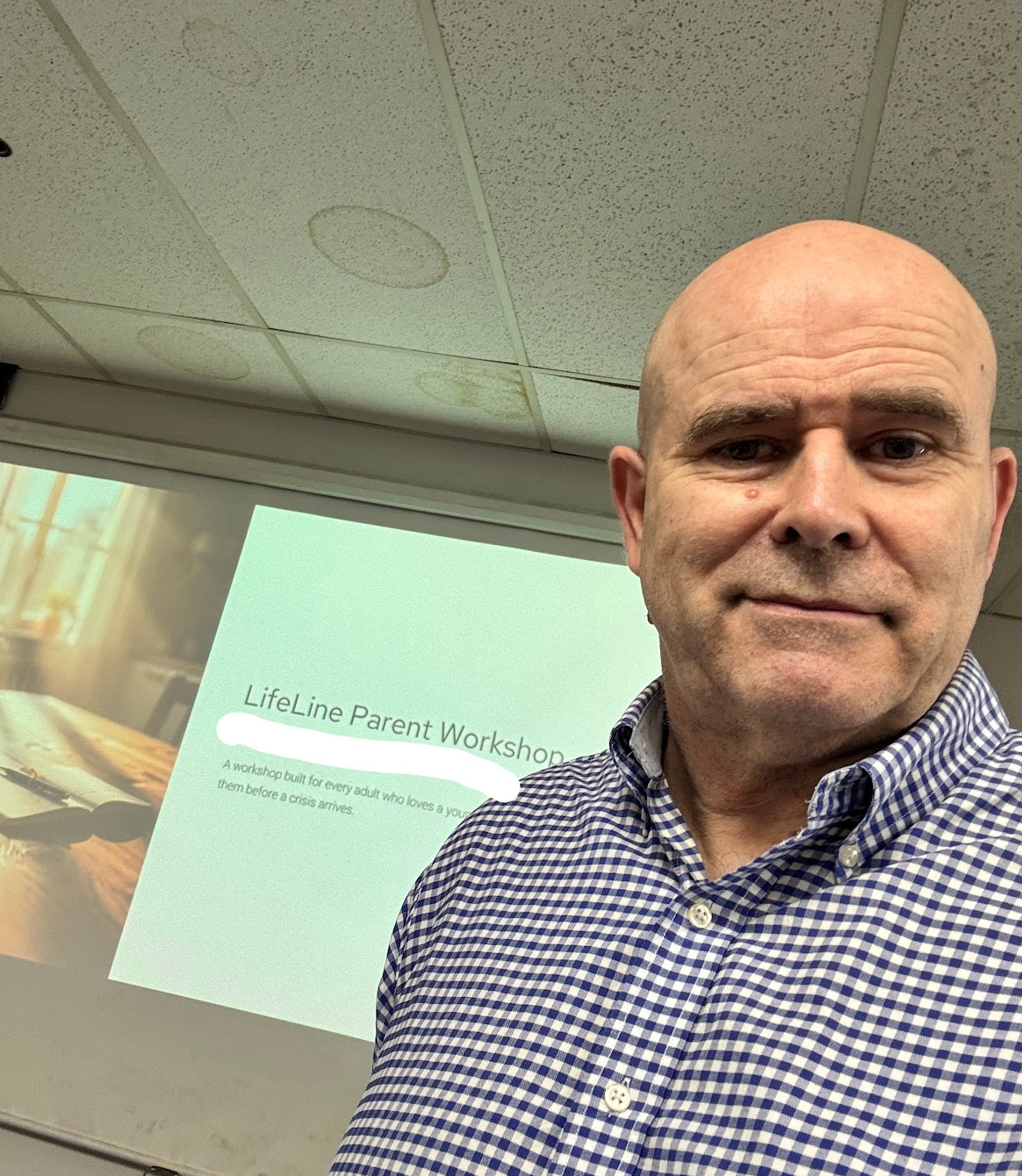
About one in seven employees is parenting a child who's struggling, and most will never tell HR. After six months of LifeLine Parent Workshops, Chris Coulter shares what the Teen Signal Check shows about working parents, why 30% are surprised by their result, and what employers can do about working parents' mental health at work before it shows up as absence or a resignation.
HR Can Build the Programme. HR Can't Make It Safe.
A mental health programme only works if people believe it's safe to use. Chris Coulter, founder of The MentorWell, shows how psychological safety at work gets set at the top: by a CEO who says something true about their own life, or who responds well when a leader discloses a struggle. Includes a real CEO story for leaders and HR teams, and what it costs when good people leave without saying why.

What Happened Last Night Is Sitting in Your 9 A.M. Meeting
Somebody on your team sat outside their kid's bedroom last night and was on your 9 a.m. call anyway. Gallup now finds more US workers struggling in their lives than thriving. Most will never tell their manager, because they don't believe it's safe. They don't complain. They start looking. And the reason they give in the exit interview is never the real one.
Every Company Value Has an “Unless”
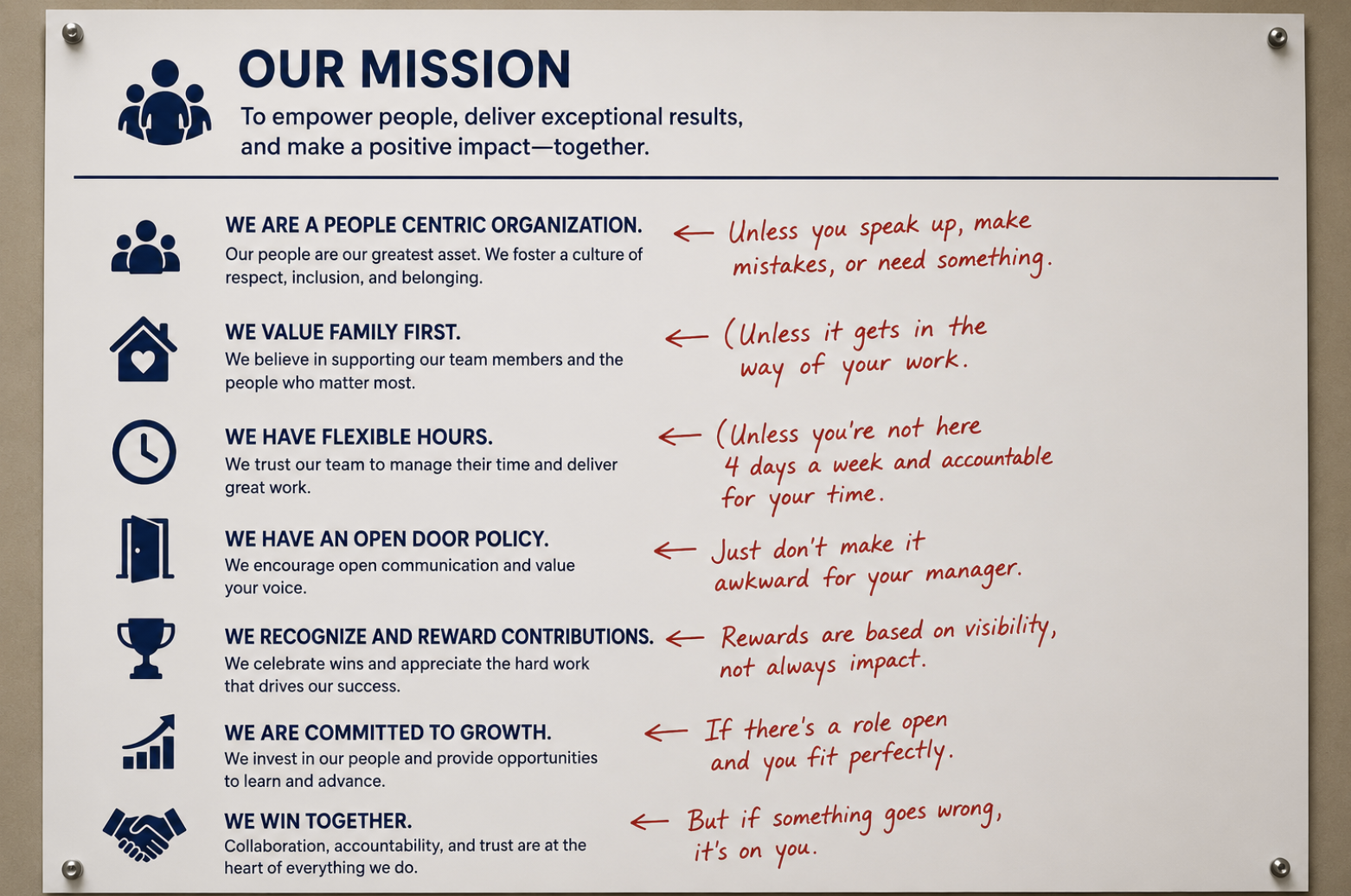
Most companies say they support employees through personal difficulty. Employees learn quickly where that support ends. Chris Coulter on the gap between the values board and what actually happens when someone's performance drops for six months, why low EAP utilisation is not a communications problem, and the three questions worth putting to your own leadership team this week.
We Have a Recognition Problem
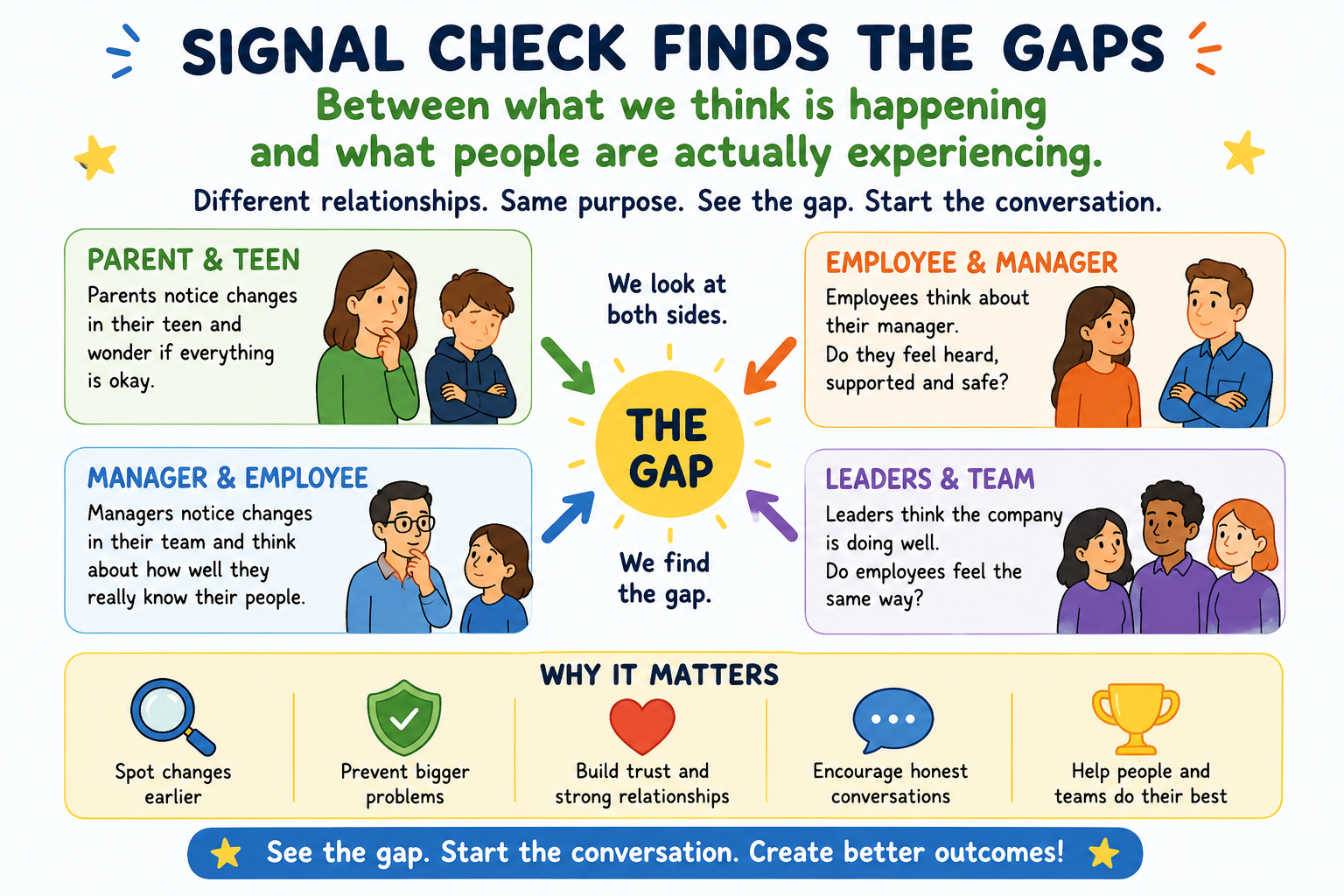
Mental health support often begins after someone asks for help. But what happens before that? Chris Coulter explores the recognition gap facing parents, managers and employers, and how Teen Signal Check, Manager Signal Check and Culture Signal Check can help identify changes, blind spots and disconnects earlier, before assumptions replace conversations.
The Numbers Tell You What Happened. Your People Could Tell You Why
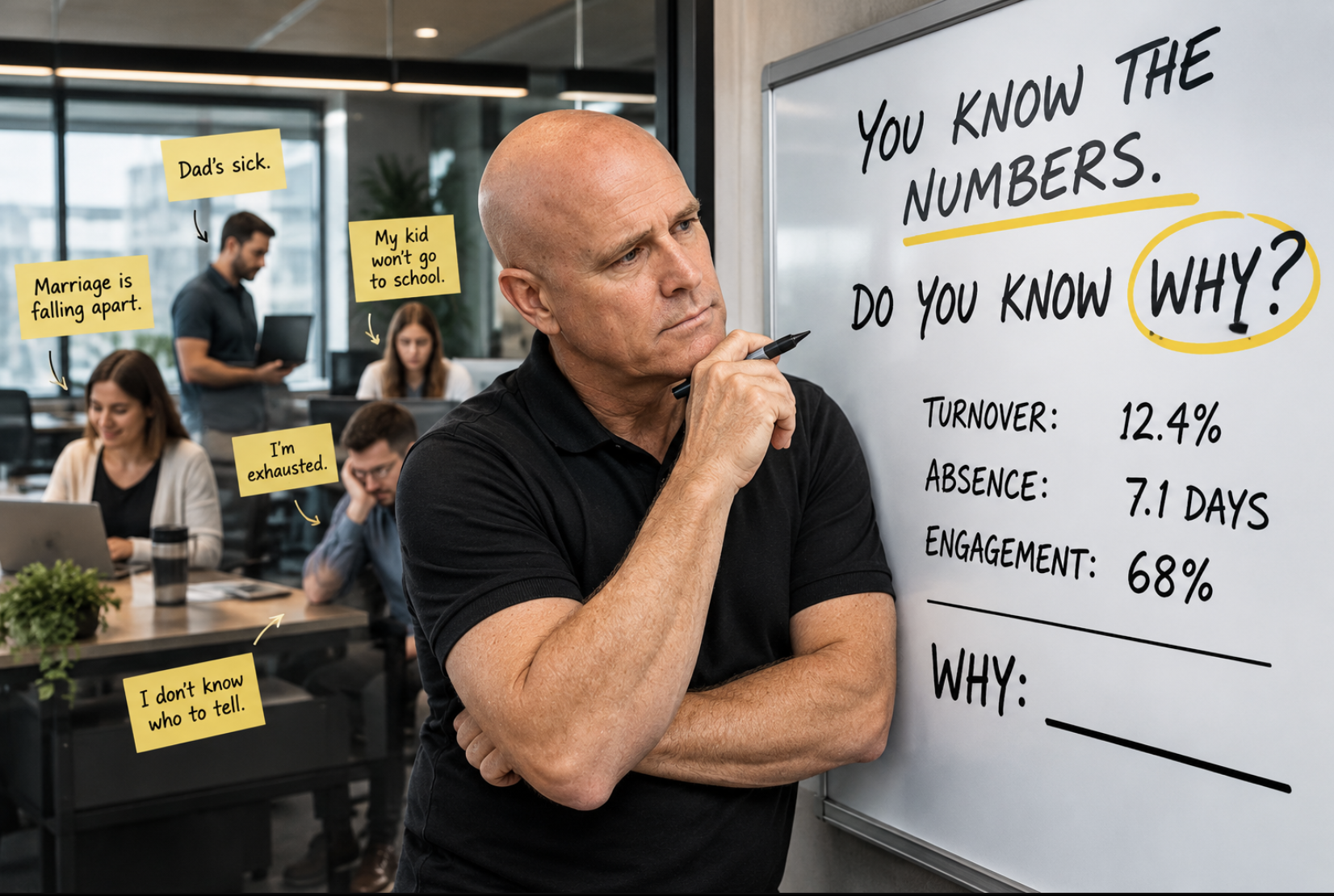
Turnover, absence and engagement scores record decisions your people already finished making. The account of why sits with the people the numbers are about, and most of them will never volunteer it. Chris Coulter on why employees stay quiet, why the manager script never asks, and a way to test whether your leadership team knows its own organization.

I Was Still Hitting My Numbers. Sort Of.
The work went out. Deadlines got met. Nobody chased me for anything. It was taking five times as long to get there, and none of that appears in a performance review, a dashboard, or an engagement survey. This is what a year of hidden decline looked like from the inside, what a manager saw instead, and the one signal that showed up before anything else moved.

The Best Benefit Items Aren't Even In Your Benefit Booklet
A CPO showed me her benefits guide. Twenty-two pages, EAP near the back, four percent utilization. She called it a communications problem. Run any credible prevalence estimate against your headcount and the number should be forty percent or higher. So thirty-six percent of your people are carrying something and never raising a hand. This is where they went, and what reaches them when a phone number doesn't.
How Well Do You Actually Know Your Team
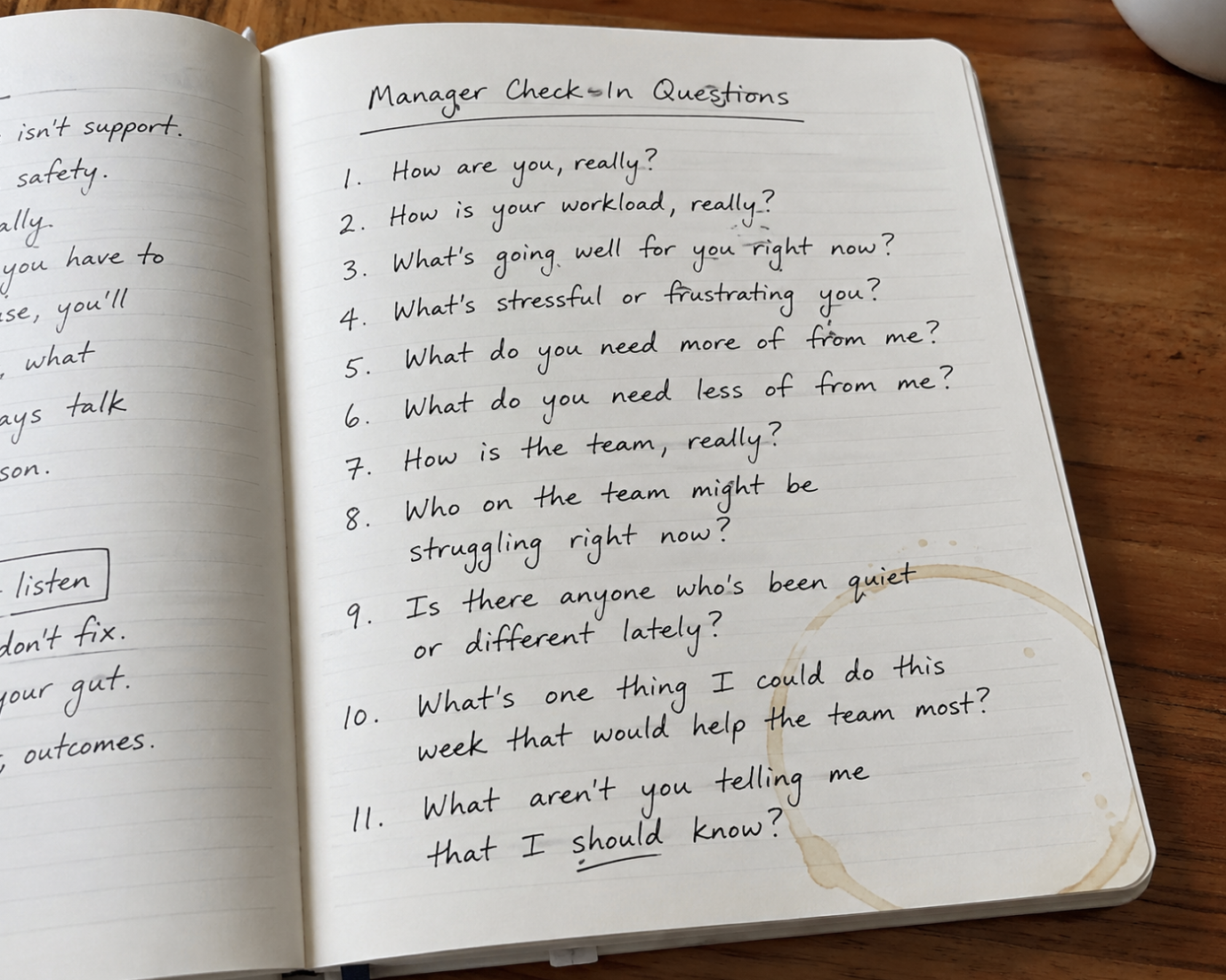
Most managers are most confident about the people they've known the longest, and least informed about the one who never causes a problem. The Manager Signal Check is a ten minute self-assessment that measures what you actually know about your team. No employee is named or rated. Nobody sees your results. Built for managers who want the conversation to happen before the resignation does.

We Gave 500 Parents Free Help. Fewer Than 5% Opened It.
Almost every company has an EAP and almost nobody uses it. Typical utilization sits somewhere between three and eight per cent, and low uptake keeps getting read as low need. Chris Coulter on the 500-parent experiment that removed every barrier and produced the same number anyway, what utilization is actually measuring, and what reaches the ninety-five per cent an EAP was never designed to find.
The Conversation Is Coming Either Way
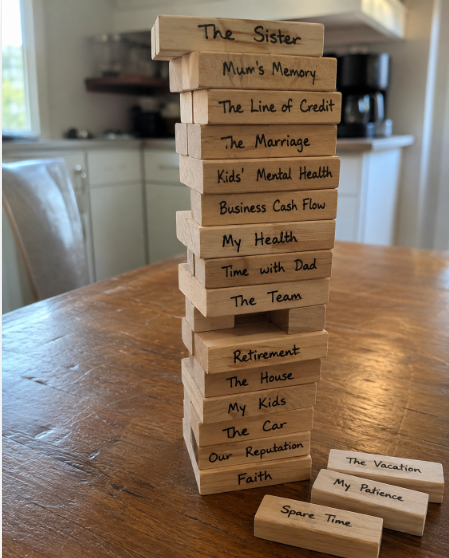
There is no date anyone can point to. No incident. Just a sentence in a review about losing a step. Chris Coulter on what your employee is actually carrying, why the 2 a.m. loop determines your 10 a.m. meeting, and the choice every leader makes by default: have the real conversation now, or pay 50 to 200% of their salary to start over with a stranger in eighteen months.

What If Your Best Employee Is Carrying Five Major Life Challenges Right Now?
Your best employee looks fine. They meet deadlines, answer emails, show up on time. What you can't see is the child in crisis, the aging parent, the grief that never left. This post looks at how parenting stress and personal crisis affect work performance, why presenteeism costs more than absenteeism, and what leaders can actually do without becoming a therapist.

The Parent No One Sees Barely Holding It Together
There is a parent in your office right now who was out at 3am looking for their kid. She smiles at the elevator. She hits her targets. Nobody knows what she is carrying. This is for that parent, and for the ones who love her but cannot help her because they don't know. A piece about the invisible weight of raising a struggling teen while showing up for a job, a team, and the rest of a family. Written from lived experience.
What Your Executives Believe About Your Culture and What Your Employees Actually Live
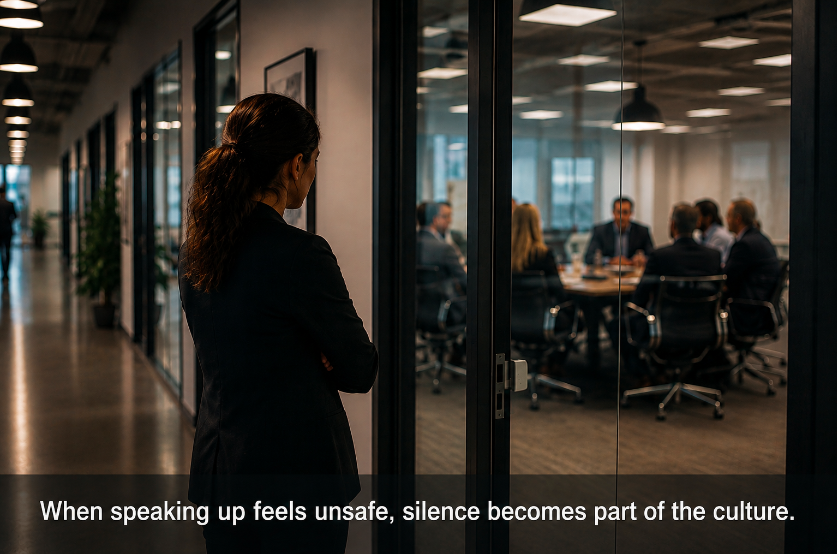
Leadership sees one company. Employees live in a different one. The Culture Signal Check measures the gap between executive perception and employee reality across 25 questions and three groups. Green means alignment. Red means your best people are already looking. Built by a founder who lost his job for telling the truth in a culture that couldn't tolerate it.
The Dad Who is Barely Holding It Together
Father's Day is not easy for every dad. For fathers carrying worry about a struggling teenager, or grief for one they lost, this is for you. And for the employers who need to understand what their people are carrying through the door every morning.
Your Employee Said They're Fine. Are You Willing to Bet Their Job on It?
Most managers wait for an employee to say something is wrong. Most parents do too. The assumption — "if something were really wrong, they would tell me" — is the most expensive belief in both relationships. This post names the parallel, explains what quietly quitting actually looks like from the inside, and introduces the Manager Signal Check for leaders who want to act earlier.