
Grief Doesn’t Peak at the Funeral. It Begins the Day After.
The pace of text messages eases. The phone calls slow. Everyone else gets back to life.
You don’t. You stay in neutral. Stuck.
The funeral director told us they had never seen so many people at a viewing before. The line stretched around the corner and down the block. From the doors opening until they closed. I vaguely remember it. I remember tears, hugs, and people trying to say the right thing.
But mostly, I remember feeling like I was the one comforting them. Supporting friends and neighbours as they tried to process the loss of a young girl taken far too soon.
Then the next day came. The house was quiet. The crowd was gone.
And that’s when grief truly hit. In the silence that followed. When the chair at the dinner table stayed empty. When her bedroom door remained closed. When the reality of what had happened settled into the walls of the house and didn’t leave.
I lost my daughter, Maddie, to suicide at 14.
And here’s what I’ve learned: grief doesn’t end when the funeral does. It moves in the day after. And the day after that. It doesn’t follow a timeline. It doesn’t arrive when you expect it and it doesn’t leave when you need it to.
When I stood up to speak at Maddie’s Celebration of Life, I wasn’t thinking about the speech. I was thinking about everything I couldn’t take back. The custody battle. The fight to keep my kids in Canada. The pressure that landed squarely on Maddie. I’d give anything to go back. But we don’t get that choice.
My mom passed away on February 26, 2026.
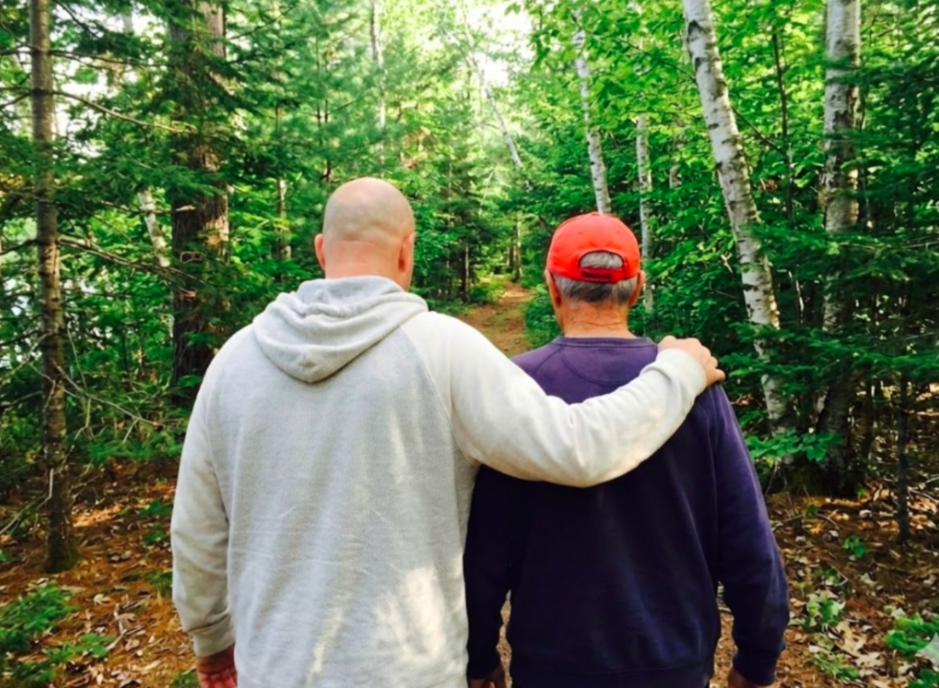
And I’ve been watching my dad walk into the same silence I walked into more than ten years ago.
Different loss. Different grief. But the same painful, almost numbing feeling. The first days are full. People show up. The phone rings. The meals arrive. The flowers come. There’s a structure to the shock. Things to do. Calls to make. Arrangements to handle. You’re too busy to feel the full weight of it.
Then the phone calls slow down. The texts stop coming. The meals stop arriving. The flowers die. And you’re left with this emptiness that has nowhere to go.
That’s the part nobody prepares you for. The post-funeral sadness.
I’ve been trying to prepare my dad for it. Because I know what happens when the world moves on and you’re stuck in neutral. I know how disorienting it is when the support disappears and the grief is just beginning. I know what it feels like to wake up on a Tuesday morning and realize that nobody is coming today. That this is your life now. And you have to find a way to carry it.
I couldn’t protect him from losing her. But I could tell him the truth about what comes next. So he doesn’t have to face that silence unprepared the way I did.
Grief is not a single event. It’s not the moment you get the call or the day you stand at the graveside. It’s the accumulation of every ordinary moment that follows, where the person you lost is supposed to be there and isn’t.
It’s the empty chair where they enjoyed their glass of wine together. The little routines that you took for granted . The birthday that comes and goes. The thing you want to tell them, but you can’t. The sound of the house when it’s too quiet.
If you’ve ever lost someone, you know this. You know that the ache doesn’t go away. It just changes shape. Some days it’s sharp. Some days it’s dull. Some days you forget for a moment and then remember, and the remembering is worse than anything.
If you know someone who is grieving, here’s what I’d ask of you:
Don’t disappear after the funeral. The first two weeks are full of people. Month two is empty. That’s when your call matters most. They don’t need advice. Don’r compare your loss with theirs. Don’t issue the lame “let me know if you need anything” comment. Don’t put the burden on them. All they need is your presence. A text that says “I’m thinking of you” on a random Wednesday in month three means more than you know.
Don’t assume they’re doing better because time has passed. Time doesn’t heal grief. It just makes everyone around you more comfortable pretending it has.
And if you’re the one grieving, know this: the heaviness you feel when the world moves on is not weakness. It’s the cost of having loved someone so deeply. It’s supposed to be heavy. You’re not stuck. You’re carrying something that most people can’t see. Or imagine.
I’ve now grieved as a father and as a son. The losses are different. The silence after is the same.
What I know is that the people who survive grief are the ones who don’t carry it alone. Who have someone willing to sit with them in the quiet. Who have someone who doesn’t try to fix it, just stays.
That’s what mentorship is for teenagers. That’s what community is for parents. That’s what showing up is for anyone walking through loss.
If you’re a parent navigating something hard with your teen right now, you don’t have to carry it alone. The When Something Feels Off community is free, private, and full of parents who understand what you’re going through.
If you’ve been noticing something in your teen and you’re not sure what it means, the Teen Signal Check can help you sort what you’re seeing into clear next steps. Three minutes. Free. Private.
And if you know someone who is grieving, send them a message today. Not next week. Today. They’re in the silence right now. The impact of your voice matters more than you think.

