
Teen Suicide Warning Signs Parents Miss: Why "It Won't Happen to Us" Is Dangerous
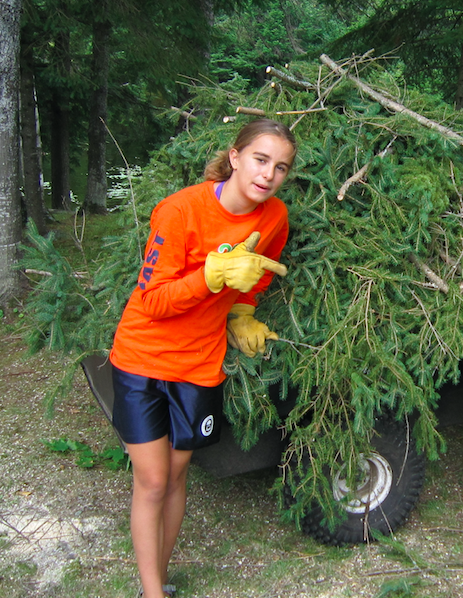
After my 14-year-old daughter Maddie died by suicide, I created a talk called "Wake Up: You Could Lose Your Teen to Suicide." Four parents signed up. The school cancelled. Most parents believe "that would never happen in our family." But 40% of teens experience significant mental health changes during adolescence—and many won't tell their parents. The warning signs were there. I just didn't know what I was looking at.
If You Had 19 of Me, Your Company Would’ve Collapsed
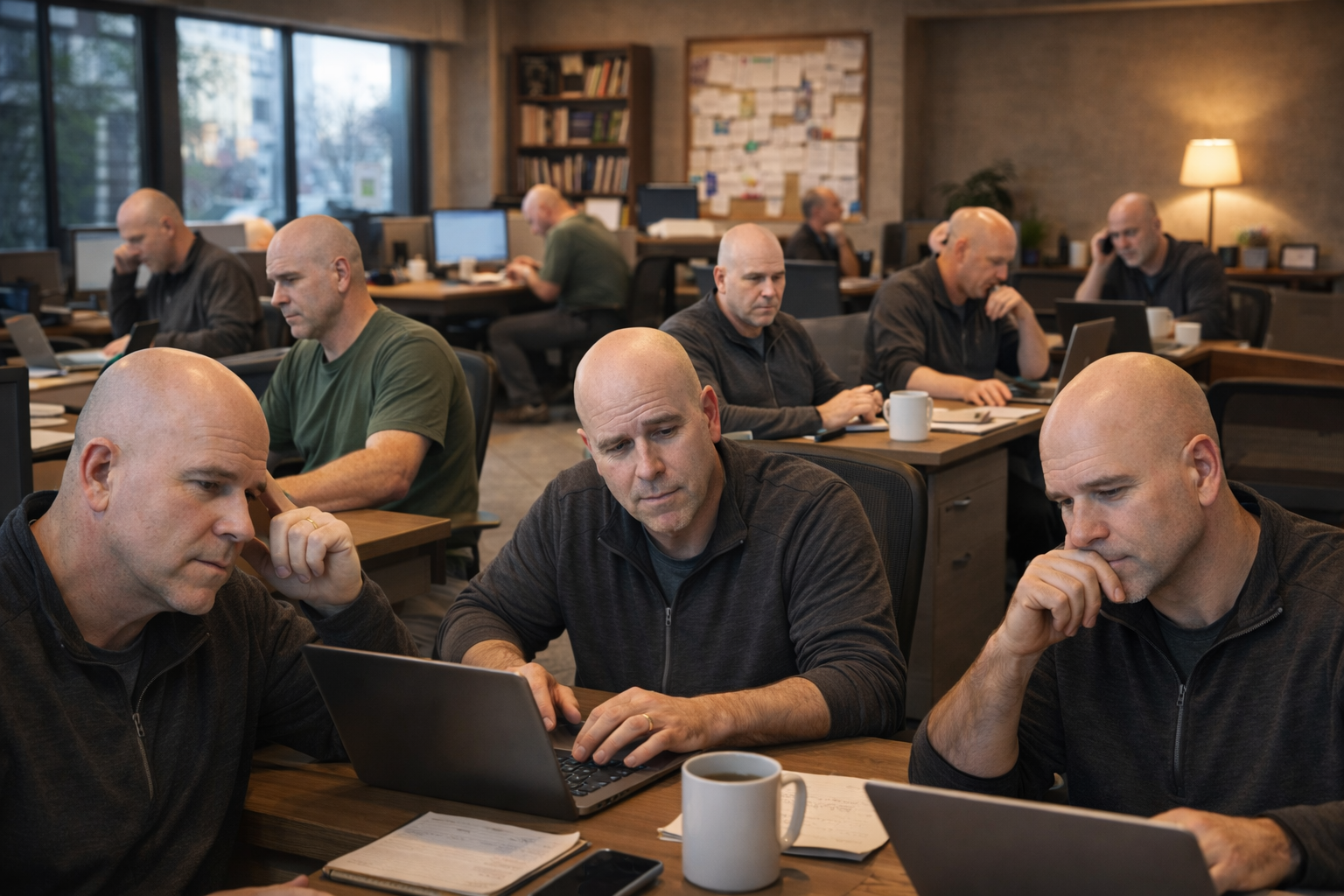
ROI calculators claim a parent in crisis operates at 65% productivity. But grief doesn't average. Crisis compounds. One employee might work harder to avoid feeling. Another can barely function. You won't know which until it's too late. The real cost? Teams that collapse. Talent that quietly leaves. Employees suffering in silence. The smartest companies don't need a calculator to know people matter. They decide to help first—then justify it later.
You Are Not a Bad Parent: Breaking the Silence Around Mental Health and Shame
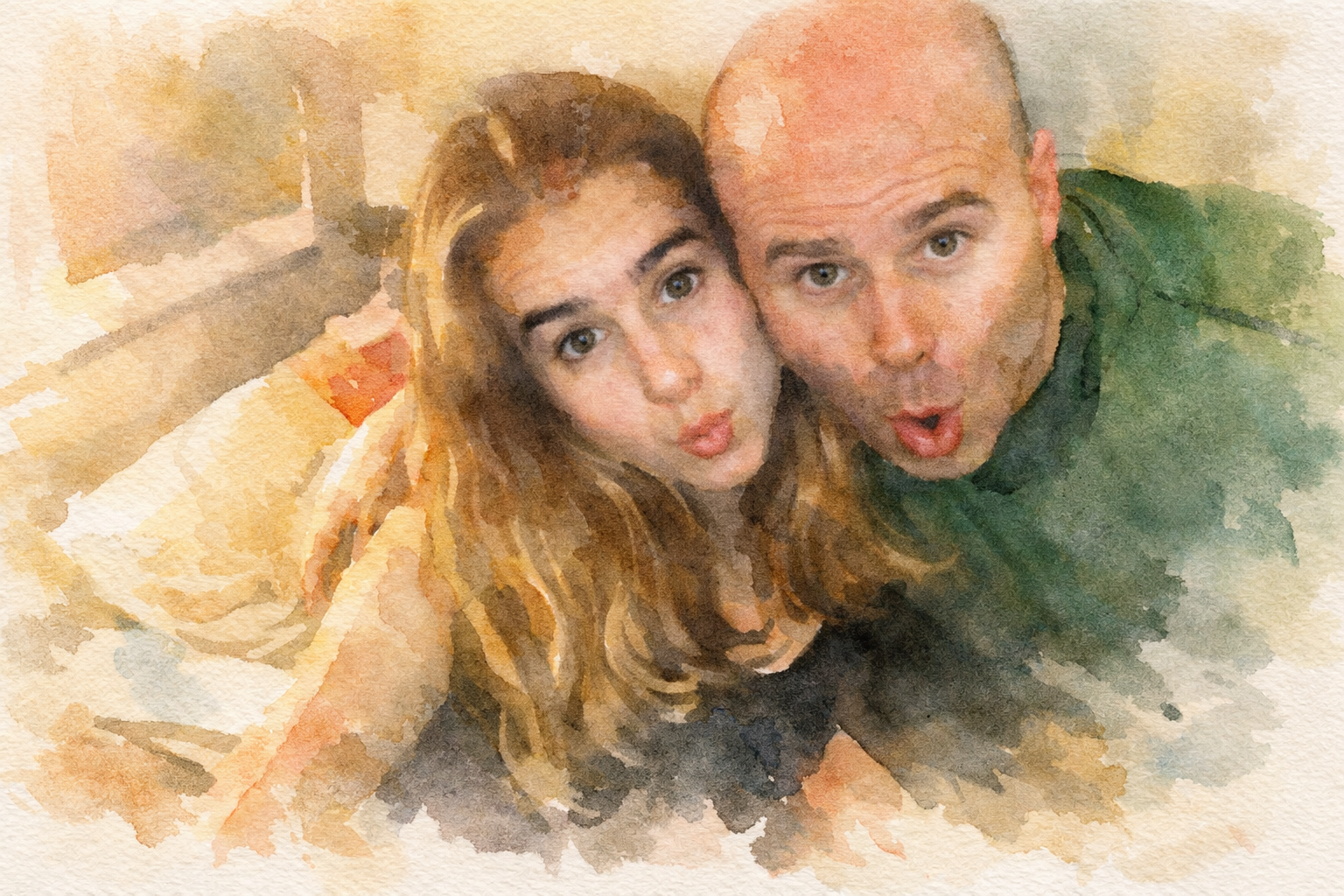
Parents of teens with mental health struggles often hide in silence, isolated by shame and fear. After losing his daughter to suicide, Chris Coulter shares his journey through grief, medication, and crushing parental shame. He reveals why 1 in 4 working parents stay quiet and how community support replaces isolation with healing. Join the free When Something Feels Off parent community now open

Late Night Social Media Use and Teen Mental Health: Why Timing Matters More Than Screen Time
Parents focus on how much time teens spend on social media. But the real issue is when they're online. Late night scrolling intensifies anxiety, disrupts sleep, and damages confidence. Learn why timing matters more than screen time limits—and how to protect your teen's mental health without constant battles.

To the Parent Sitting in the School Parking Lot
For parents who just left a school meeting about their struggling teen. That parking lot moment where you're told "we're concerned" but not given solutions. What to do when you're handed the problem: how to talk to your kid, what warning signs to look for, why fix-it mode backfires, and how to get support without making things worse. From a parent who missed the signs and wishes he'd known what to do sooner.

This Is for the Parents Who Are Tired of Pretending They’re Fine
Many parents of struggling teens quietly say “I’m fine” when they’re anything but. After listening to thousands of parents carrying fear, shame, and loneliness, this piece explains why “When Something Feels Off” parent support group exists: a safe, judgment-free space where parents don’t have to explain themselves, fix anything, or carry it alone, just show up as they are.

What Maddie Would Want Me to Tell Your Teen
A heartfelt, plainspoken message to teens who are struggling with their mental health. Written from lived experience, this piece reassures teens they are not broken, not alone, and worthy of help. It encourages speaking up, staying connected, and choosing presence over silence, with hope, clarity, and care.

3 Warning Signs Your Teen Is Pulling Away (And What to Do)
Teens don’t always pull away loudly. Often, the warning signs are subtle, small shifts in behaviour, tone, and connection. Drawing from lived experience, this piece shares three early signs a teen may be disconnecting, along with gentle ways parents can respond before things escalate. It’s about noticing sooner, staying present, and trusting what you see.
Why You Were Never Meant to Hold This Alone
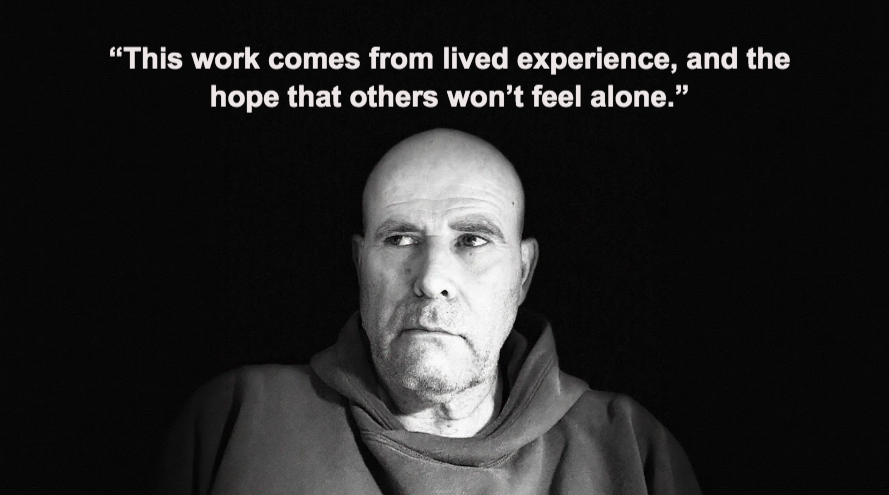
Parents often feel lonely even in full, busy homes. This piece explores how modern parenting became private, why pretending “I’m fine” is exhausting, and how silence impacts both parents and kids. It offers gentle, practical ways to break isolation through honesty, shared space, and connection—reminding parents they were never meant to carry this alone.
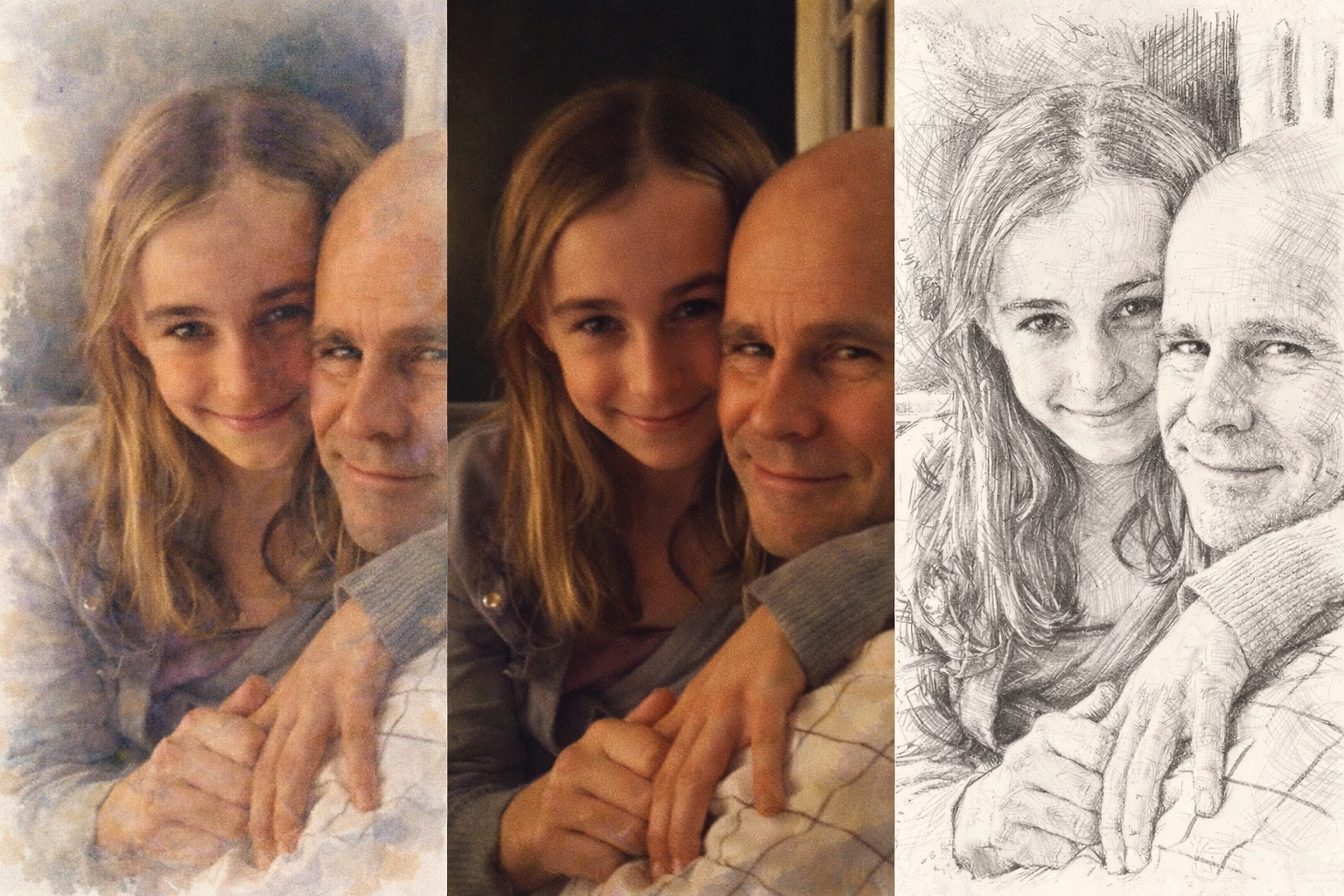
I Missed the Signs and I Am Still Her Dad
A father reflects on missing the signs before losing his daughter and the guilt many parents carry. With compassion and honesty, this piece reframes hindsight into foresight, reminding parents that missing signs does not mean a lack of love. It offers a simple, human invitation: notice small shifts, name them gently, and stay present — without judgement or panic.

One Thing Parents Do That Shuts Kids Down Without Meaning To
Most parents jump into problem-solving because they care. But fixing too fast often shuts kids down instead of helping them feel heard. This piece gently explains why kids pull away, especially in adolescence, and how slowing down, naming feelings, and asking permission can rebuild trust. Connection grows through presence, not answers.

They Were Telling Me Everything, I Just Wasn’t Listening
Many parents sense something is off with their teen long before anything looks “wrong.” This post explores five quiet lessons about how teens communicate through behaviour, silence, and tone and why presence matters more than perfect words. A compassionate reminder that early listening builds trust before crisis hits.

The Promise I Made After Losing Maddie, And Why I’m Keeping It on Substack
After losing my daughter Maddie, I made a promise no parent should walk this road alone. This post shares why I’ve chosen Substack—not for growth, but for reach, truth, and early support for families navigating teen mental health. MentorWell exists to turn hindsight into foresight, and this is where that promise continues.
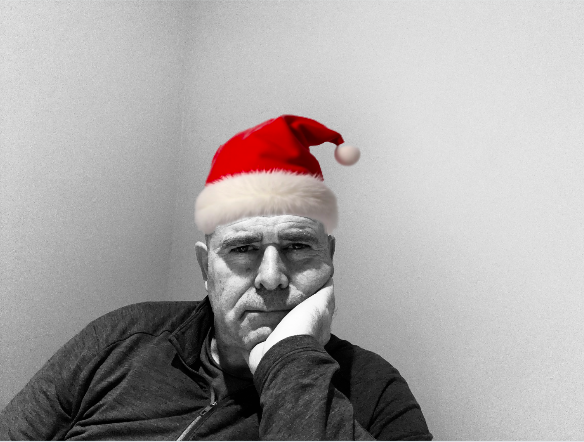
This Christmas, I’m Not Trying to Get Back, I’m Learning to Pause
This Christmas reflection explores grief, solitude, and the quiet exhaustion of trying to get back to a life that no longer exists. Instead of pushing forward, it invites a pause — trusting that life still moves even when we loosen our grip. A compassionate, grounded piece about letting go, presence, and redefining what the season asks of us now.

Why December Breaks So Many Teens, And a Daily Ritual That Can Hold Them Together
December quietly overwhelms many teens: exams, disrupted routines, social pressure, grief, and family stress collide. When teens go quiet, they don’t need space; they need steadier presence. This piece explains why December hits so hard and offers one simple daily ritual, a predictable check-in, that can help teens feel anchored, supported, and less alone.

Is It Okay to Talk About Their Child at Christmas? (Yes, Here’s How)
Many people fear mentioning a child who has died, especially at Christmas. From a parent’s lived experience, this piece explains why saying a child’s name doesn’t cause pain—it honours love. With simple, compassionate examples of what to say (and what silence can cost), this article offers gentle guidance for supporting grieving parents during the holidays.
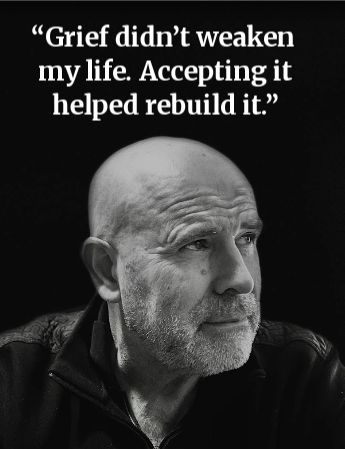
Grief Wasn’t the Enemy. My Resistance to It Was.
After ten years of living with profound loss, I learned that grief was never the enemy. My resistance to it was. This reflection explores how grief transforms when we stop trying to control it and begin to live alongside it, revealing clarity, presence, compassion, and a quieter kind of strength. A hopeful reframe for parents, caregivers, and anyone carrying loss.
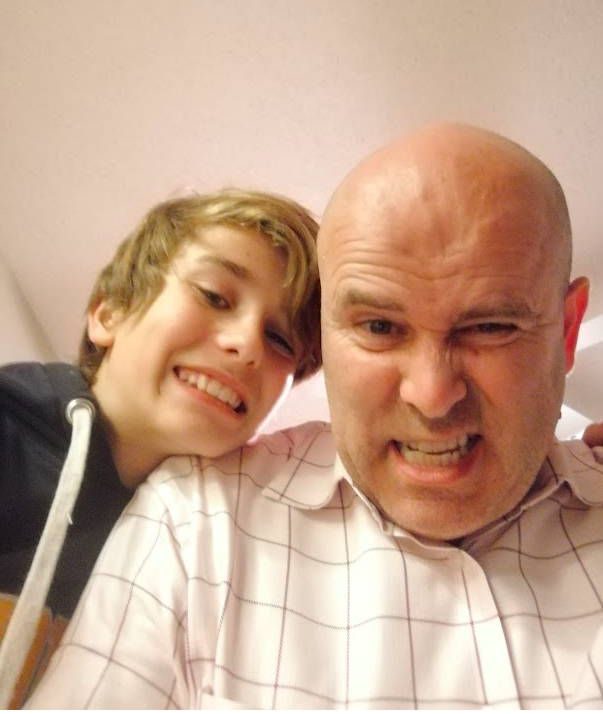
To the Parent Who Feels Like They’re Failing: You’re Not Alone
A heartfelt message for parents who feel like they’re failing as they navigate a teen’s emotional struggles. This piece reframes doubt into connection, reminding parents that presence—not perfection—is what matters. It offers foresight, hope, and community through the MentorWell Parent Circle for those feeling alone.
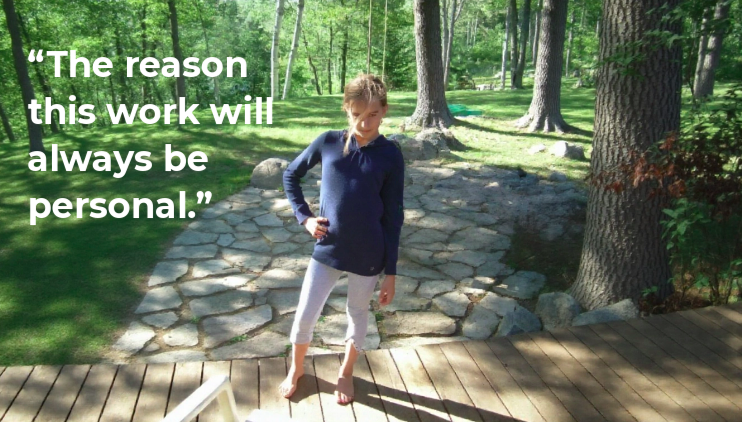
You’re Not a Bad Parent. You’re Just Doing It Alone
Parents aren’t failing, they’re isolated. The MentorWell Parent Circle offers a safe, international community where parents of teens can share stories, ask questions, and feel supported beyond workshops. A place to breathe, connect, and remember you don’t have to do this alone.
What Teens Wish You Knew: The Hidden Cost of Divorce on Kids Who Say Nothing
Curious and worried, I asked MentorWell’s TeenSpeak how teens really feel about divorce—and the answer shocked me. Teens often hide deep pain behind "I'm fine," carrying silent struggles parents might miss. Healing starts with connection, and sometimes the bravest step is seeking outside support.