
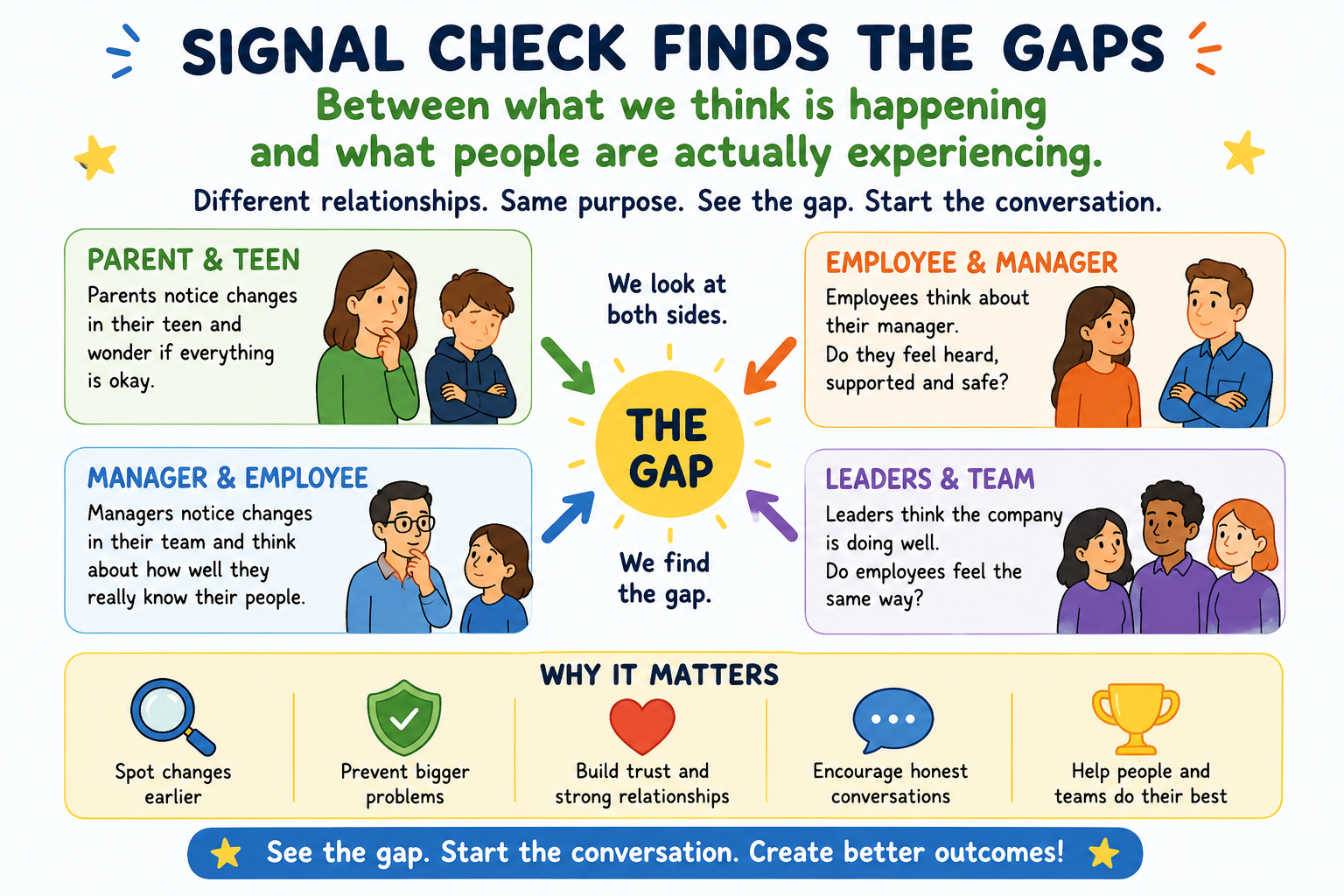
We Have a Recognition Problem
Mental health support often begins after someone asks for help. But what happens before that? Chris Coulter explores the recognition gap facing parents, managers and employers, and how Teen Signal Check, Manager Signal Check and Culture Signal Check can help identify changes, blind spots and disconnects earlier, before assumptions replace conversations.
Seventeen Hours
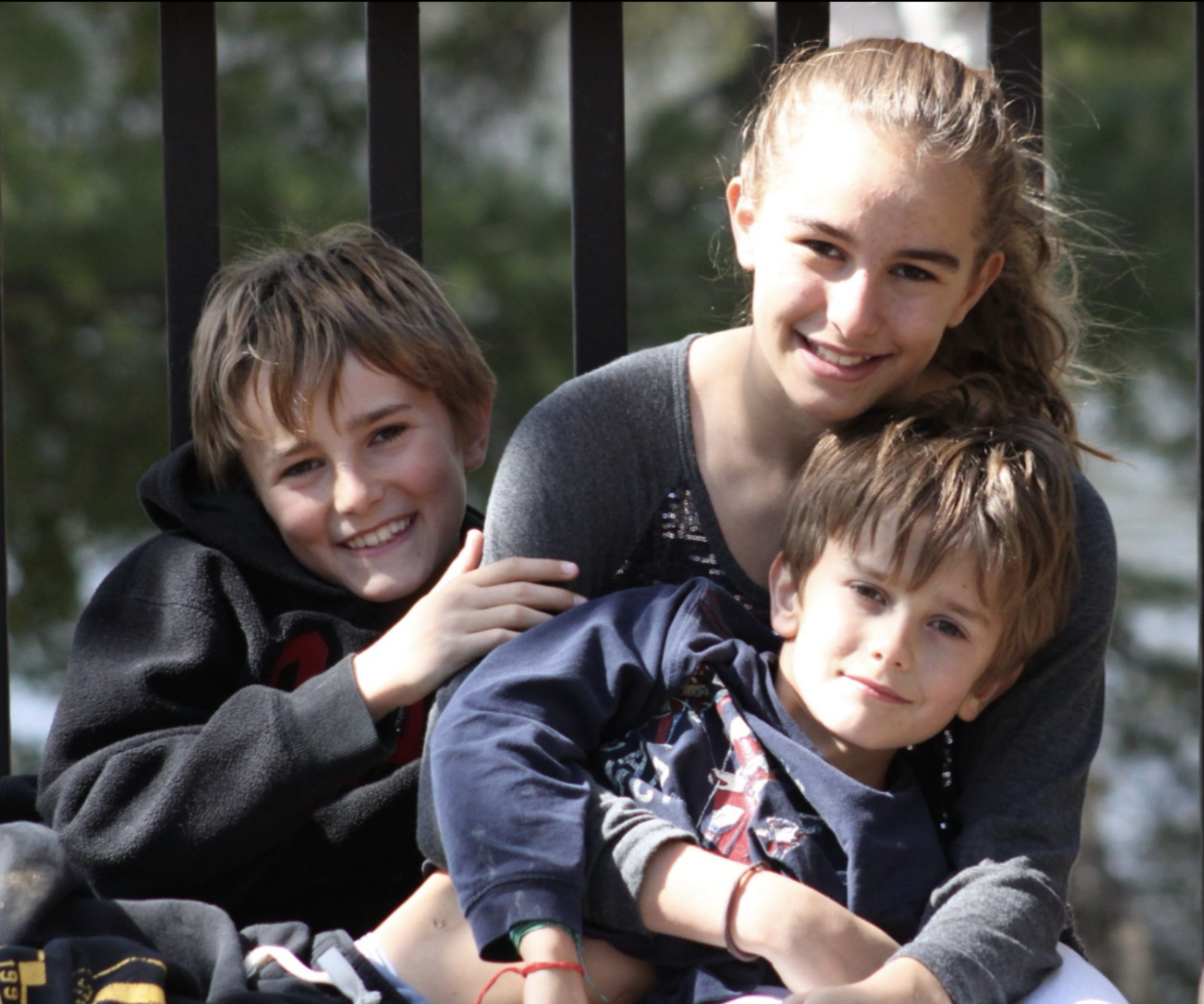
While my daughter was in a psychiatric unit, I felt something close to safe. There was a building with staff in it. When she came home, the fear arrived properly, and my sons were in that house for every hour of it. What the reversal does to the other children, why nobody catches it, and what helps more than a big conversation. (

Don't Tell Them the Odds
Most teenagers come through the teenage years. That statistic means nothing to the parent checking their child is breathing before work. This is what a teenage mental health crisis looks like from the parent's side: the bracing, the silence, the fear they cannot say out loud. Written by a father who lost his daughter, for parents living it and the people who love them.

Maddie Never Got to Be 26. This Is Her Legacy
Maddie would have been 26 today. Twelve birthdays without her. The Teen Signal Check she inspired has now been taken by more than 10,000 parents. 48% had their instincts confirmed. This is about silence, awareness, and the window parents have before worry becomes crisis. Three minutes tonight could change what happens next.

The Feeling I Wish I Had Trusted Before I Lost My Daughter
48% of parents who took the Teen Signal Check discovered their teen needed more attention than they realised. 52% Green. 30% Yellow. 18% Red. Three minutes. 14 questions. Built by a father who missed the signs and spent everything he had since making sure other parents don't. Free at thementorwell.com.
The Dad Who is Barely Holding It Together
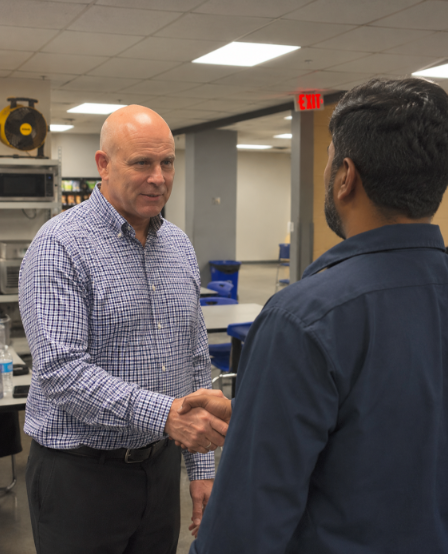
Father's Day is not easy for every dad. For fathers carrying worry about a struggling teenager, or grief for one they lost, this is for you. And for the employers who need to understand what their people are carrying through the door every morning.

Lived Experience is Not a Consolation Prize
Chris Coulter lost his daughter Maddie in 2015. He is not a therapist or clinician. He is a father who survived the worst thing a parent can face and decided that could not be the whole story. This piece explores why lived experience is a legitimate credential and why it reaches people clinical training sometimes cannot.

The Things That Outlast the Person
When someone you love dies, ordinary objects become something else entirely. A hoodie. A playlist. A card in a drawer. This piece explores what grief does to the things they left behind, why holding on is not the same as being stuck, and how you will know when the time is right to let go.

What Grief Actually Does to a Person
Eleven years after losing his daughter Maddie, Chris Coulter writes honestly about what traumatic grief does to the brain, why the pain does not diminish with time, and what people carrying loss actually need from the people around them. For parents navigating grief, loss, or the weight of a struggling child.
Why Every Online Community You've Joined has Quietly Died?
Most online communities die quietly. Not with drama — with silence. A Facebook group that started with energy. LinkedIn connections that never became conversations. A Discord server you closed after 30 seconds. This post names why it keeps happening, what it costs parents and community builders, and why not every platform works against you.
The Rogue Wave
Eleven years into grief and the rogue waves still come. This post is for parents who are years out from their hardest moments and still being blindsided. It addresses antidepressant stigma, the myth of easy grieving, and what it actually means to move forward with grief instead of without it.
I Ran Out of Options. Not Resolve.
Some parents of struggling teens reach a moment where they have tried everything and the distance still is not closing. This post names that experience honestly — the exhaustion, the silence, the floodgate that opens when someone finally finds a safe room. For parents who have run out of options but not resolve.

There Is a Grief That Has No Funeral
Parents of struggling teens carry a grief that has no name and no funeral. No diagnosis. No crisis. Just a low-grade fear that follows them through every day. This post names that experience, validates it, and offers a community for parents who are somewhere between noticing and knowing
You Cannot Pour From an Empty House
When a teenager struggles, everyone asks about the teenager. Nobody asks how the parent is doing. Written from a decade of lived experience — including grief, survival mode, and the years I lied to my own psychiatrist — this post is about what depletion actually costs a family, and why supporting yourself is not selfish. It is structural.
The Question Parents Ask Me When the House Is Quiet
Most parents are not looking for a diagnosis. They are looking for reassurance that they are not failing their child. If you have ever felt something was off with your teenager but could not name it, you are not overthinking it. You are paying attention. That matters more than you think.

What If You Could Be the Reason Someone Chose to Live?
Most people wait for certainty before they act. By then, the window has often closed. This piece is about the small, consistent acts of connection that keep people safe — and what parents can do when something feels slightly off before it becomes something they can't ignore.

Maddie Didn't Leave a Hole. She Left a Blueprint
Five years ago Chris Coulter wrote about turning grief into purpose after losing his daughter Maddie to suicide. This is the follow-up — what purpose actually built, what grief taught him that purpose couldn't, and why he was never meant to go back to who he was before.
The $420,000 Problem Hiding in Your Workforce
LifeLine Parent Workshops help employers support working parents before family mental health challenges become workplace crises. This self-assessment tells HR leaders in three questions whether their organisation is ready — and what it's costing them not to act.

What I Learned From Delivering My First 3 LifeLine Workshops:The Crisis Hiding in Plain Sight
After delivering three LifeLine parent mental health workshops inside Canadian organizations, the patterns were impossible to ignore. Employees trusted a stranger more than their colleagues. The Teen Signal Check shocked them. And the real conversations happened privately — not in the room. Here's what HR leaders need to know about the crisis already inside their buildings.
Teen Mental Health at Work: What HR Leaders Need to Know
Teen mental health is already impacting your workforce. Roughly 1 in 4 working parents is navigating a teen mental health challenge, often silently. When companies fail to support parents proactively, productivity, engagement, and retention suffer. This article explores why compassionate leadership during family crisis builds loyalty, advocacy, and long-term cultural strength.