
This is closer to your voice than the school copy — but it's still too soft in places and missing urgency.
Here's what needs work:
What's Wrong
1. "When a student leaves home, they carry the weight of independence, pressure, and expectations." Poetic but vague. Get specific faster.
2. "No Agenda, Just Connection" This sounds like you're defending yourself against an accusation. Lead with what you do, not what you don't do.
3. "We hope your child flourishes, but if they don't..." Too passive. You're hedging. Parents reading this are already worried. Don't soften it.
4. "Why Peer Connection Matters" section buries the lead The stats about campus counselling wait times are powerful — but they come too late. Lead with the crisis, not the philosophy.
5. "The Parent Perspective" is good — but it's about you, not them Your story about Western matters, but it should come after you've hooked the parent with their current worry.
6. No mention of Maddie This is a page for parents. They need to know why you're doing this. Maddie is the anchor. Use her.
7. Weak CTA "Your child deserves to feel supported, seen, and understood" is generic. Tell them what to do next.
Rewritten Version (Blunt, Urgent, Grounded)
Supporting Your Kids Away at School
Your kid left for university or college. You're hoping they thrive.
But here's what you're not hearing:
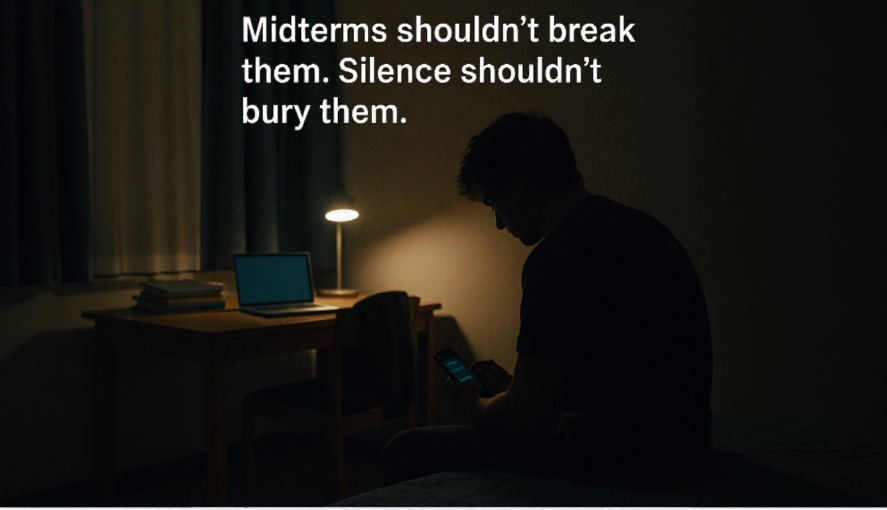
One in three students is struggling with anxiety or depression right now. Many are suffering in silence because they don't want to worry you. Or because they think they should be able to handle it on their own.
By the time most parents find out, it's already a crisis.
The Gap No One Talks About
Campus counselling exists. But it's overwhelmed.
The numbers:
Average wait time for counselling: one month
During midterms and finals? Two to three months
At the University of Toronto, demand for mental health services rose 40% in five years while enrolment grew just 8%
One in three students say the support they receive isn't enough
Three-quarters don't even know what's available
Your kid might be on a waitlist right now. Or they might not even know how to ask for help.
And while they're waiting, things get worse.
Grades slip. Sleep disappears. Isolation deepens. What started as manageable stress becomes something much harder to climb out of.
What Students Actually Need
They don't need another counsellor they can't access. They need someone they can talk to now.
Someone who gets it. Someone who's been through the same pressure, the same loneliness, the same crushing weight of midterms and finals and figuring out who the hell they're supposed to be.
That's what a mentor is.
Not a parent. Not a therapist. Not someone evaluating them.
Just someone a few years older who's lived through what they're going through — and came out the other side.
What Mentorship Does
We match your student with a mentor who understands their world.
No agenda. No judgment. Just connection.
They talk. They relate. And slowly, things shift:
The anxiousness loosens
Sleep comes easier
They don't feel so alone
We work on skills that matter for life:
Self-awareness and self-regulation
Resilience and conflict resolution
How to ask for help before things fall apart
We can't take the pressure away. But we can make sure they don't carry it alone.
Why This Matters to Me
I went to Western University 40 years ago. I remember the darkness that crept in. I remember feeling alone, even when I was surrounded by people.
I made it through. But not everyone does.
My daughter Maddie didn't.
She was 14 when we lost her to suicide. She didn't have someone safe to talk to outside her family. She didn't have a mentor.
I started The MentorWell so other kids don't fall through the same gaps.
This work is personal. And it's urgent.
The Cost of Waiting
When challenges are caught early, recovery takes days or weeks. Not months or years.
Grades stay intact. Health stabilizes. Confidence doesn't shatter.
But when students wait — because they're embarrassed, or because help isn't available — small struggles become crises.
And by the time parents find out, the damage is already done.
What You Can Do
If your kid is at university or college and you're worried, don't wait.
Book a free 20-minute call. We'll talk about what you're seeing, whether mentorship is the right fit, and how to get them connected with someone who can help.
Your kid deserves to feel supported. Not in a month. Now.