You Are Not a Bad Parent: Breaking the Silence Around Mental Health and Shame
The Hidden Shame Parents Carry When a Child Is Struggling
The shame parents carry when their child is struggling with mental health is crushing.
I know this in my bones.
When Your Child Hides Their Pain (And You Miss the Signs)
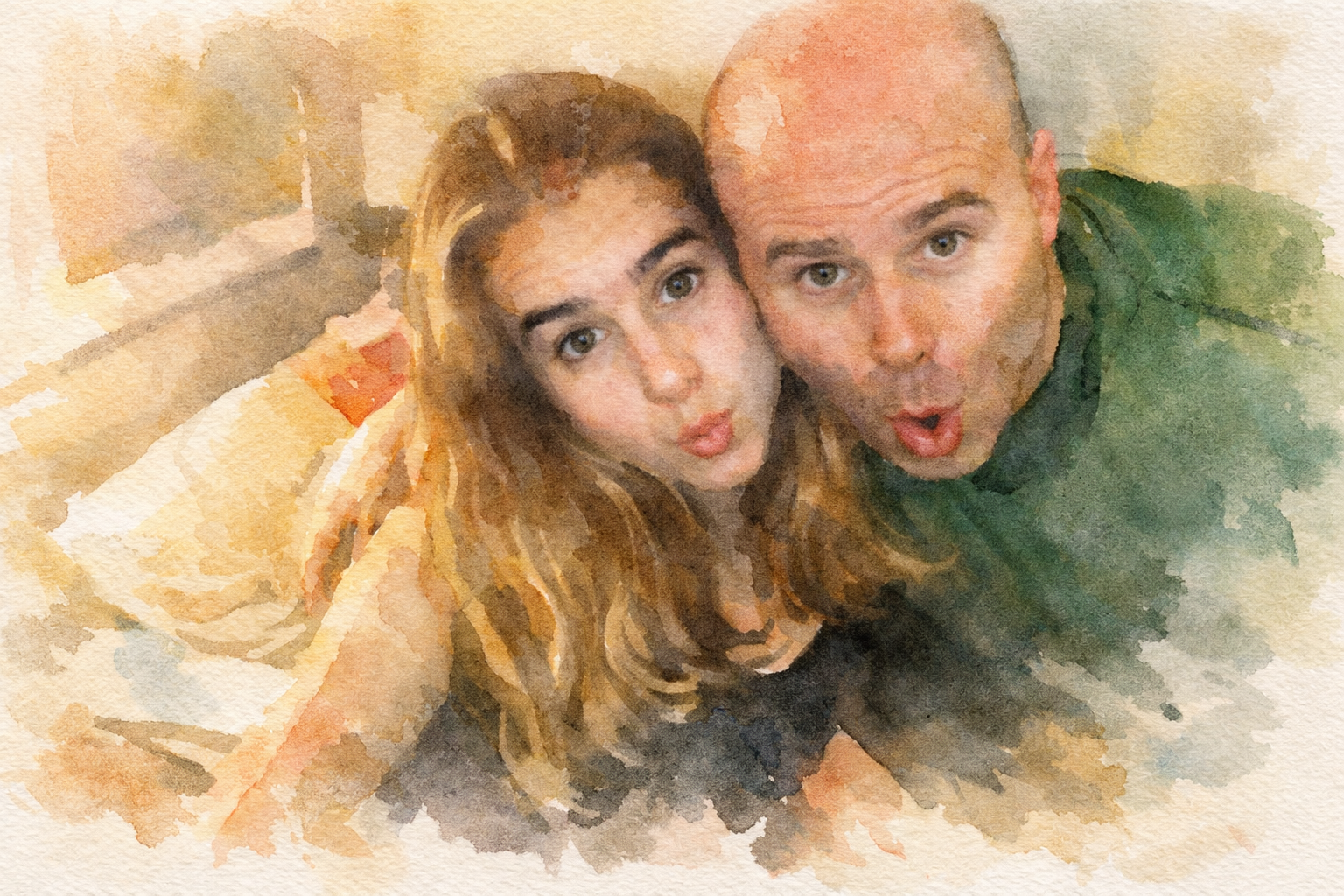
When Maddie was alive, she hid her pain from me.
She carried her own shame. She worried about being seen as a burden.
So she stayed quiet. Far too quiet.
And I was the person who was supposed to protect her. I missed it.
The Shame I Carried After Losing My Daughter to Suicide
After losing Maddie to suicide, I faced a level of pain that few people understand.
People who haven't lived it can't grasp the depth. And I don't blame them. How could they?
Traumatic loss changes you in ways you have no preparation for. Your mind. Your body. Your patience. Your work. Your capacity to function. Your ability to be present with my boys.
I struggled with my own mental health. And I felt shame for it. I wanted to be better, but I couldn’t be.
Even the people closest to me, people who loved me, tried to make sense of it from the outside.
My mom, who I love dearly, would ask: "Why are you still taking antidepressants? When are you going to get off them?"
A part of me believed her.
“Maybe I should stop. Maybe I'm strong enough now. Maybe I'm fine.”
What I Didn't Understand About Depression and Medication
Here's what I didn't understand then:
I was feeling better “because” the medication was helping me.
It was supporting me through something I couldn't carry on my own.
Now I accept that I'll likely take antidepressants for the rest of my life. I'm no longer afraid to say that out loud.
And if they help you feel more steady, even a little, I say good for you.
There's no shame in needing support. The shame is in the silence we're told to keep.
How Becoming a Parent Changed How I See Mental Health Struggles
I think back to who I was before I became a parent.
I managed people. When someone needed to stay home with a sick child, I'd think: “Again? This is inconvenient.”
It felt disruptive. It felt like poor planning.
Then Maddie was born. Then Zac. Then Sawyer.
My world changed.
My empathy changed. My understanding changed. My judgment fell away.
Once you live it, the view shifts. It becomes visceral. You stop seeing theories and start seeing real people carrying impossible weight.
Why Parents of Struggling Teens Stay Silent at Work
The hardest part for most parents isn't just what's happening at home.
It's the silence. The self-scrutiny. The private blame.
The feeling that you're failing at home and failing at work.
You look around the office and assume everyone else has it together. Their kids are fine. Their lives are manageable. You're the only one barely holding on.
But the truth is different.
One in four working parents is supporting a child with serious mental health challenges.
A quarter of all families. In every workplace. Every neighbourhood. Every community.
And still, most stay silent.
Shame keeps them quiet. Fear keeps them quiet.
Comments like "When will they get over this thing?" keep them quiet.
The raised eyebrows when you leave early for another therapy appointment keeps them quiet.
The assumption that “good parents” don't have kids who struggle, keeps them quiet.
What Happens When Parents Stop Carrying Mental Health Shame Alone
When parents finally find a safe space to talk, I mean really talk, about what they're going through, something shifts.
The isolation lifts.
The fear softens.
The shame loses its grip.
You realize you're not alone. Not even close.
You learn from parents who've been where you are. You hear what worked. What didn't. What warning signs they missed. What conversations finally broke through.
You stop second-guessing every decision.
You start trusting your instincts again.
A Safe Online Community for Parents of Teens Struggling with Mental Health
This is why we're building a community through the Skool platform called “When Something Feels Off”.
A safe space for parents navigating teen depression, anxiety, behavioural changes, and mental health crises.
A space where you can speak honestly without judgment.
A space where you can share what you're noticing in your teen—even when you're not sure if you should be worried.
A space where you can learn from mental health experts and from parents living the same reality.
A space that replaces silence with support.
Because community helps parents feel seen.
It replaces isolation with relief. Fear with connection. Shame with understanding.
Join “When Something Feels Off”: Free Parent Support
This space is open now. There are some powerful resources. Many compassionate parents who are starting to find their voice.
There’s no pressure to, however. Go at your own pace, because many of us have been hiding in the background for a while. It takes some of us time to regain our footing. Our belief that we’re good parents. Loving parents.
It's called “When Something Feels Off”, because that's exactly where most parents are when they need support most.
You're noticing something. But you're not sure what it means yet.
Your teen seems more withdrawn. Or irritable. Or anxious. Or just... different.
You don't want to overreact. But you also don't want to miss something important.
This community could spare you years of worry and silence.
It's completely free. No catch.
If you want to be part of this circle, let me know. Or just click here.
You don't have to carry this alone.
Related Resources:
- Join the Free Parent Support Group: When Something Feels Off