
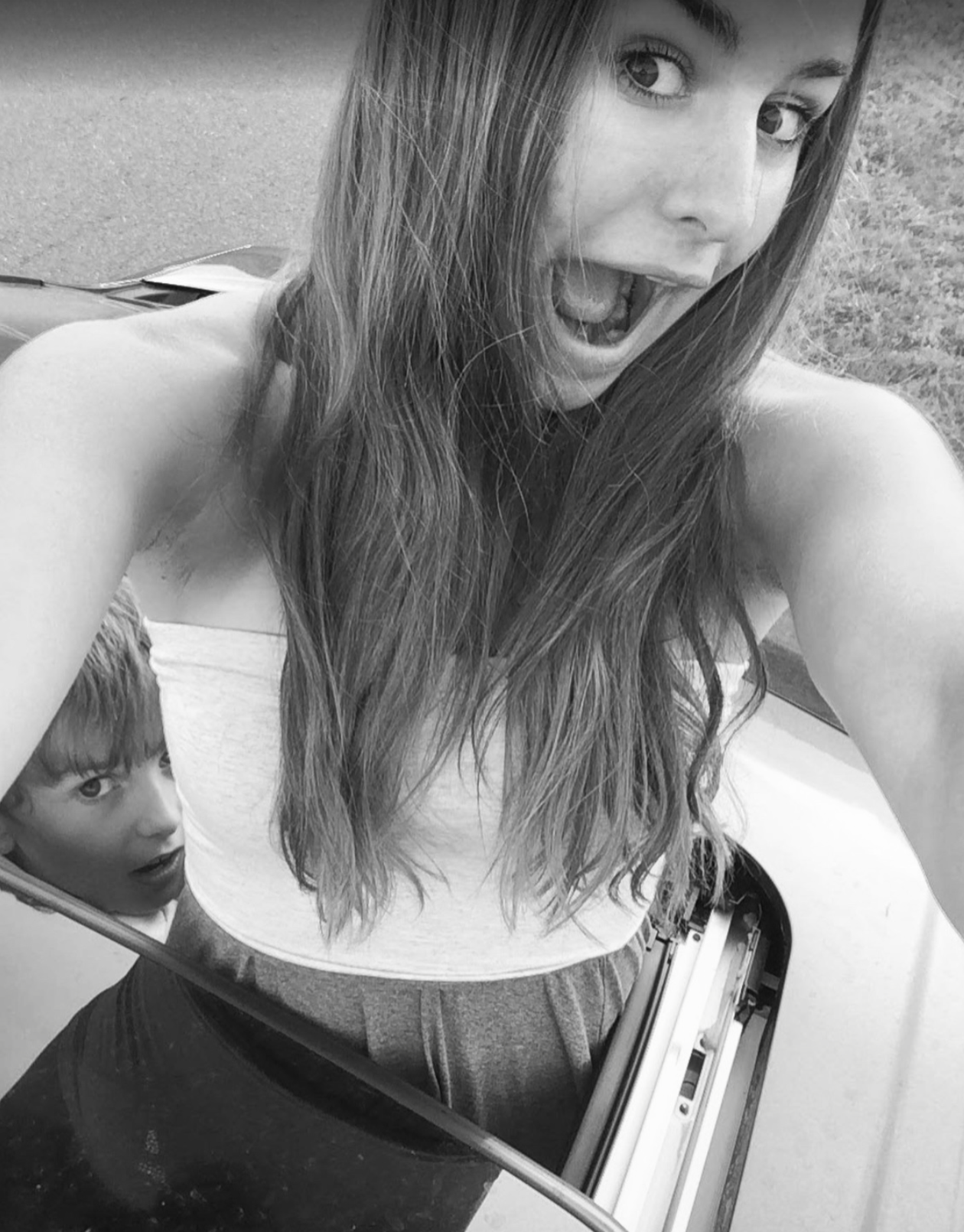
I Had Maddie for Fourteen Years
Chris Coulter lost his daughter Maddie in 2015, when she was 14. For about ten years he carried one sentence: her life was taken from him. Anger and guilt came with it. What loosened it were the stories other kids told him about Maddie, including how she stood up for a swim teammate. A father’s honest account of anger, gratitude after losing a child, and why the anger still visits.

7 Things I’d Tell a Parent in the First Years After Losing a Child
Chris Coulter lost his daughter Maddie to suicide in 2015, when she was 14. Eleven years later, after telling his own father the truth about early grief, he rewrote what he’d tell a parent in the first years after losing a child: no schedule, a brain that changes, friends who go quiet, saying their name, and why some of it might make you angry.
What Kept Me Here
After my daughter died, there were days I wasn't sure life was worth it. I once wrote a list of thirteen things that kept me going. I padded it. Eight of them held up: laughter, sunshine, moving every day, gratitude, a few people, a purpose, the future, and curiosity. None of them fix anything. On the worst days, one was enough. Then a question worth asking your own teen.
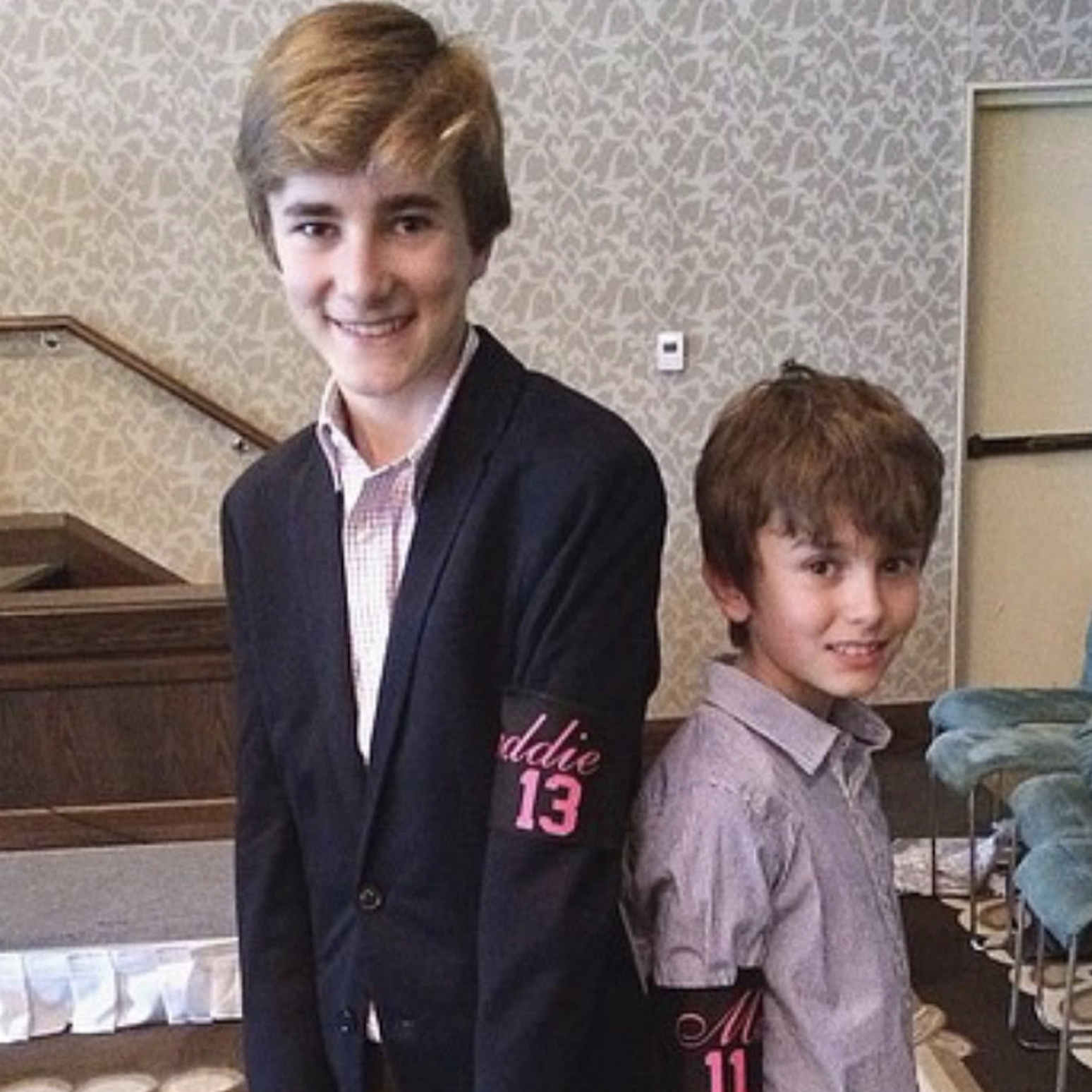
Nobody Asks How the Brothers Are
When my daughter died, her brothers were 13 and 9. Their hockey teams made black armbands with both boys' numbers on them. There was no school in that neighbourhood where they walked in as two kids nobody had heard about. This is about surviving siblings, what a grieving parent misses while they're inside their own grief, and the one thing to say to a family that has other children at home.

Losing Maddie Also Meant Losing Myself. Nobody Warned Me About That Part.
When Chris Coulter lost his daughter Maddie in 2015, he spent the next nine years trying to get back to the man he was before. Nobody warned him about the second loss, the one that happens underneath. This is a piece about losing yourself after losing a child, about the two selves that argue in private, and about what finally stopped the arguing after eleven years.

The Day I Realized I Didn't Know My Own Child
Chris Coulter thought his daughter Maddie was just being a teenager. Eye rolls, silence, withdrawal. He told himself it was a phase. One night he found her at a party in distress. He told her tomorrow would be a new day. That night she attempted suicide. This article is about what he missed, what he's learned since, and why he built The Mentor Well — a mentorship platform for teens and families navigating mental health challenges. Includes free tools and resources for parents.

I Thought I Would Know if My Child Was Hurting. I Was Wrong.
Chris Coulter thought he knew his daughter better than anyone. A quiet four-hour drive home from Prince Edward Island proved him wrong in ways he wouldn't understand for years. This piece looks at confirmation bias in parenting, why "fine" isn't proof of anything, and the early warning signs of teen depression that get explained away. For parents who assume they'd know if something was wrong.
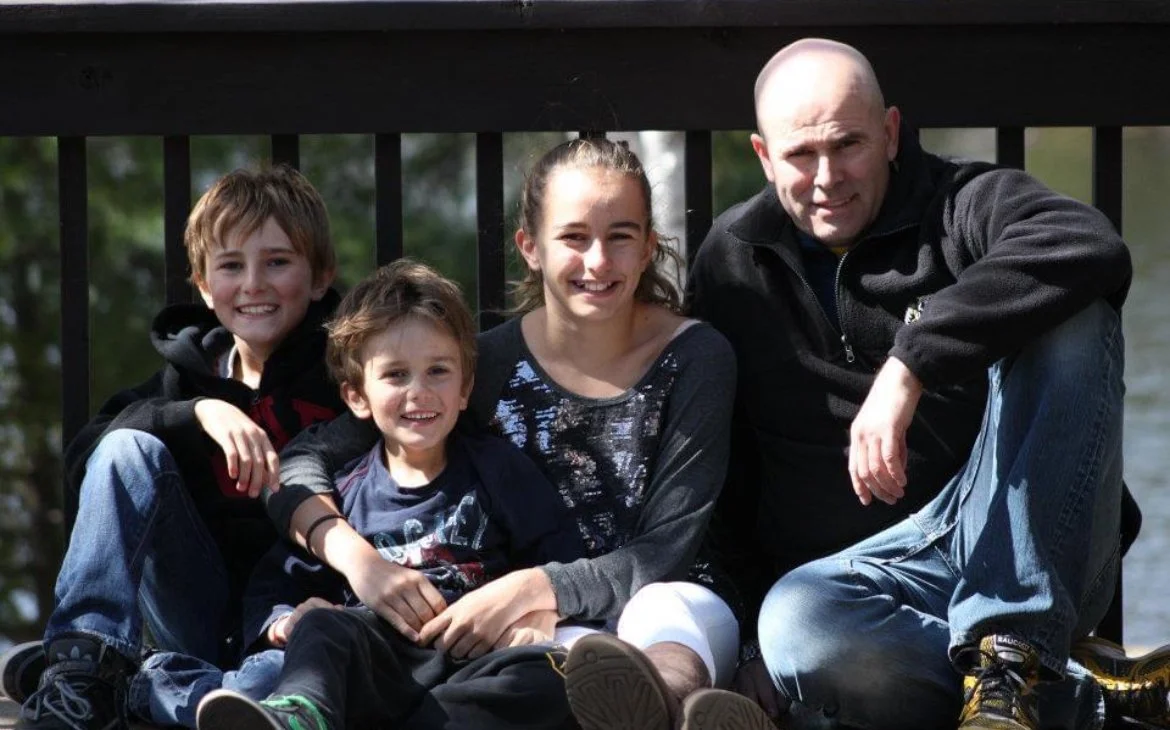
The hardest part of losing a child isn't what most people think.
The hardest part of losing a child is not the funeral. It is learning to live with the guilt, unanswered questions, and fear that your child will be forgotten. Chris Coulter shares what grief looks like ten years after losing his daughter Maddie and offers practical ways to support bereaved parents with compassion, presence, and remembrance.
The Question Nobody Asks
Most meaningful conversations begin after the first answer. Whether you're wondering how to get your teenager to open up or how to talk to an employee about personal struggles, the second question often changes everything. Learn why staying in the conversation a little longer can strengthen trust, improve communication, and help you notice concerns before they become bigger problems.

What Maddie Taught Me About Silence
I was looking for silence. For withdrawal. For the obvious signs. Maddie never became that kid. She stayed funny, sharp, connected — and I missed everything underneath. What I know now is that the signal is not always what you expect. Sometimes it is the kid who is always okay.
Your Teenager Isn't Pushing You Away. They're Testing Whether You'll Stay.
Your teen has gone quiet and everything you try makes the gap wider. This post isn't about fixing them — it's about not losing them while they figure out how to come back. Five concrete approaches from a father and EQ specialist, including the one most parents never think to try.
Maddie Died by Suicide 11 Years Ago, Here's What I Want Every Parent to Know
Chris Coulter lost his daughter Maddie to suicide in 2015. Eleven years later, her legacy is saving lives through The MentorWell — a parent support ecosystem built around earlier awareness, real conversations, and the belief that noticing sooner changes everything.

You're Not Alone In This. You Just Haven't Found the Right Room Yet.
A private live parent support community for families with kids ages 8–20. Whether you're already navigating something hard or want to stay ahead of it — When Something Feels Off gives you perspective, community, and a room where you leave feeling lighter than when you arrived. Free with LifeLine Home.

I Spent Nine Years Trying to Get Back to the Person I Was Before I Lost Maddie. Last Year I Finally Stopped.
Chris Coulter lost his daughter Maddie to suicide in 2015. For nine years he tried to recover the person he was before. Then something shifted — and Maddie came back not as a loss, but as a presence. A personal reflection on grief, purpose, and what it means to finally stop looking backward.
Grief Doesn't Get Smaller. You Get Larger Around It
Over ten years, parents who have lost a child find their way to Chris Coulter. They carry the same four questions. When does the pain ease. The guilt. How to honour their child. And the one nobody asks out loud. This is his honest answer to all of them. In memory of Maddie Coulter. June 28, 2000 — April 11, 2015.

For Maddie: Why The MentorWell Exists, And How It Got Here
In 2015, Chris Coulter lost his 14-year-old daughter Maddie to suicide. What followed was ten years of listening to families, building what they told him they needed, and turning the worst moment of his life into something that protects other families before it's too late.
Grief Doesn’t Peak at the Funeral. It Begins the Day After.
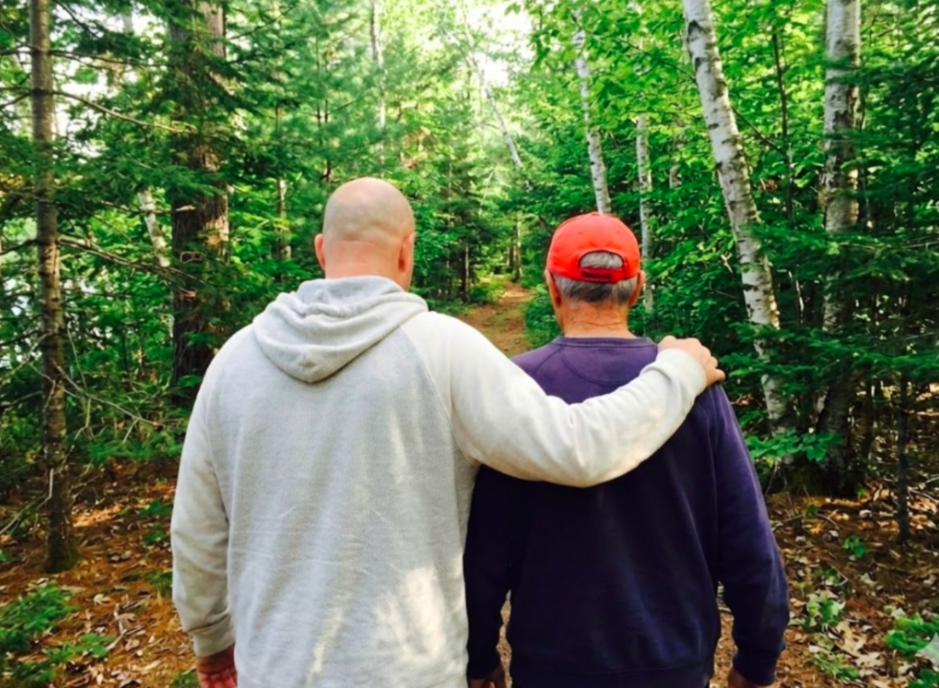
Grief often begins after the funeral, when the calls stop and the house grows quiet. In this reflection, Chris Coulter shares what he learned after losing his daughter Maddie and what he now sees as his father grieves the loss of his wife, Chris’ mom. The silence that follows loss can feel disorienting, but understanding it can help people support those grieving long after the funeral ends.
It's Not Too Early. It Might Already Be Late.
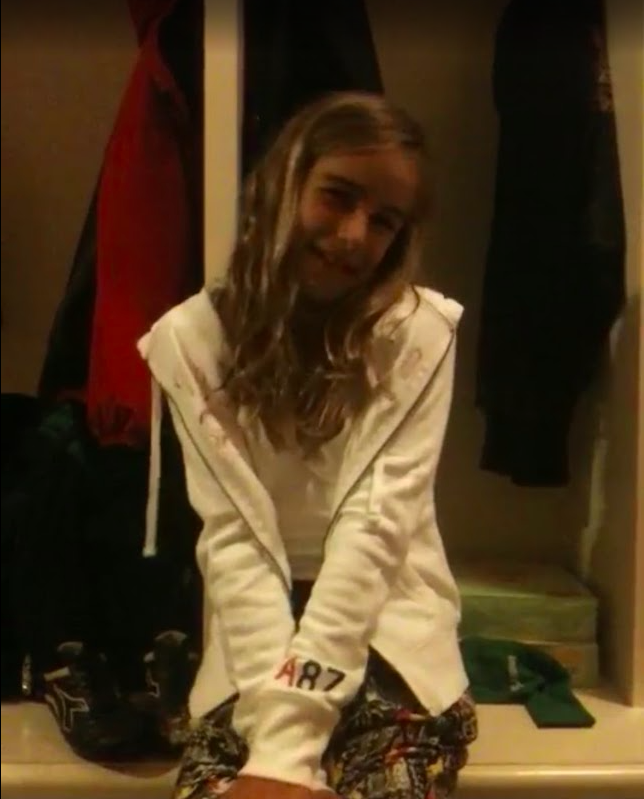
Parents assume mental health concerns start in high school. They don't. Parents of children as young as 8 are reporting warning signs including suicidal language, online bullying carrying into school, and emotional shutdown. Therapy waitlists are months long. This post covers what parents can do now to build emotional foundation, set boundaries, and create connection before the teen years hit. Free guide and parent community included.

What Qualifies You to Give Parenting Advice When You Lost a Child to Suicide?
A stranger sent Chris Coulter a message on LinkedIn: “What qualifies you to give parenting advice when you lost a child to suicide?” The question stung. But it deserved an answer. This article is that answer — told through the loss of his daughter Maddie, and two messages from parents whose lives were changed by what he writes. The stories are the credentials.
What If Schools Treated Suicide the Way They Treat Fire?
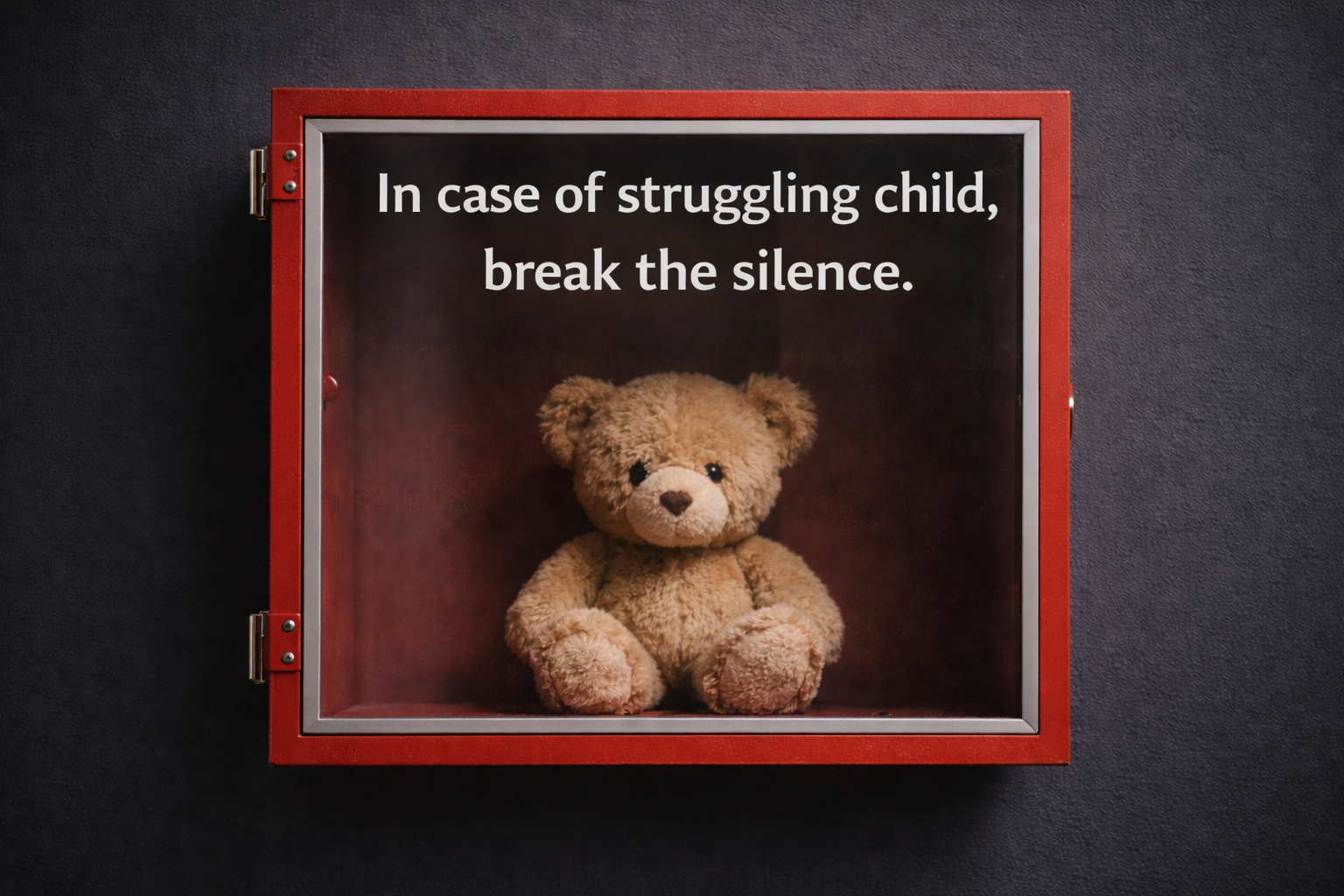
Every school has fire drills, fire exits, and evacuation plans. Suicide is the second leading cause of death among Canadian teenagers and most schools have no plan for it at all. This article explores why schools avoid the conversation, what that silence teaches teens, what actually works, and what parents can do when their child’s school won’t start the conversation. Includes the Teen Signal Check tool.