

Why I Still Talk About Maddie
People wonder why I still talk about my daughter. She died in 2015, she was fourteen, and there's a quiet expectation that a dead child gets a shorter runway than a living one. This is my answer. It's about who Maddie actually was, the videos she left behind without meaning to, what it costs me to tell her story, and why the silence people offer out of kindness is the hardest part.

You Can Worry About Your Teenager Without Telling Anyone
Four parents signed up for my teen suicide prevention talk. The school cancelled it, and I spent six months deciding the parents who stayed home were in denial. I was wrong. A sign-up sheet is a public act. You can be deeply worried about your teenager and still not want your name on a list in the school office. Here is what I learned running these sessions since, and what to do when you are quietly worried.
Don't Tell Them the Odds
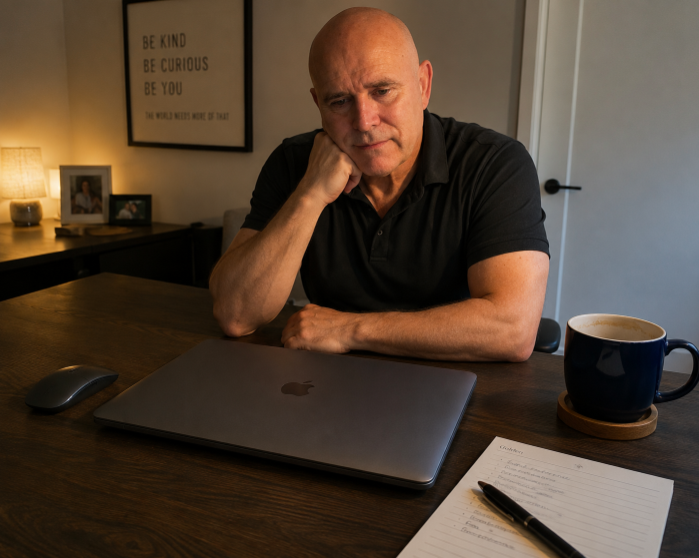
Most teenagers come through the teenage years. That statistic means nothing to the parent checking their child is breathing before work. This is what a teenage mental health crisis looks like from the parent's side: the bracing, the silence, the fear they cannot say out loud. Written by a father who lost his daughter, for parents living it and the people who love them.

The Thirteenth Question
Gallup's 2026 State of the Global Workplace reports engagement at a record low, with managers declining fastest. Most wellbeing vendors respond with another engagement initiative. Chris Coulter argues the real driver sits outside the survey's reach: the struggling teen, the aging parent, the divorce, the debt, the unspoken grief your people carry to work and never mention. Here is what employers miss, why managers are breaking, and what asking actually looks like.

I Thought I Had ADHD. It Was Grief.
After losing his daughter, Chris Coulter watched his psychological profile become obsolete overnight. The decisive, driven results were gone. He blamed adult ADHD, his medication, early dementia, even mould in his coffee, before his doctor named the real cause. This post covers what grief does to memory, concentration and motivation, and why forgetting a passcode does not mean you are losing your mind.
If I Could Speak to the Father I Was in 2015
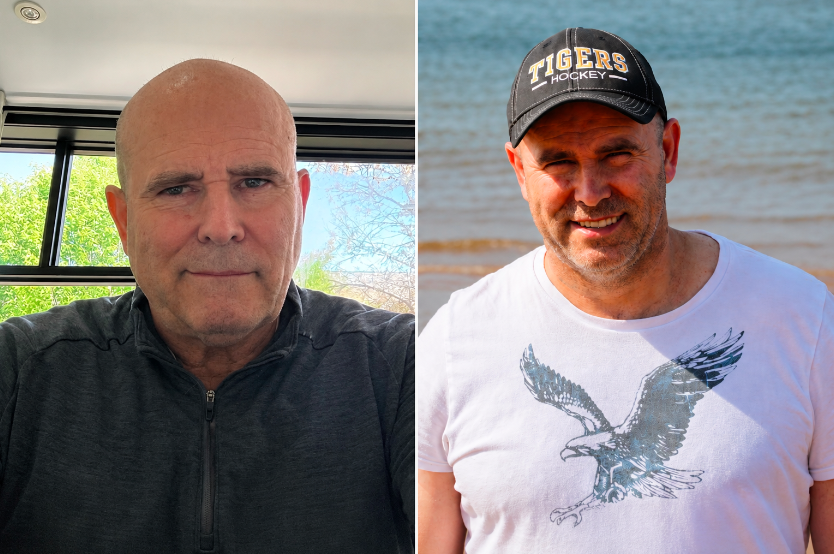
Eleven years after losing his 14-year-old daughter Maddie, Chris Coulter writes a letter to the father he was in early 2015. What he would tell him about "fine," about quiet, about staying one question longer. What that father got right. What he couldn't have known, because nobody teaches parents what to look for. For every parent carrying guilt, and every parent with a teenager home tonight: grace.

I Don't Fear Talking About Maddie. I Fear People Forgetting Her
A father who lost his 14-year-old daughter to suicide explains what most people get wrong about grieving parents. Avoiding her name doesn't protect him. It erases her. This piece covers why bereaved parents want your stories, what to say to a grieving parent, what to avoid, and the one small act that matters more than any card: mention the person. Say the name. You will not remind us. We never forgot.
The Conversation Is Coming Either Way
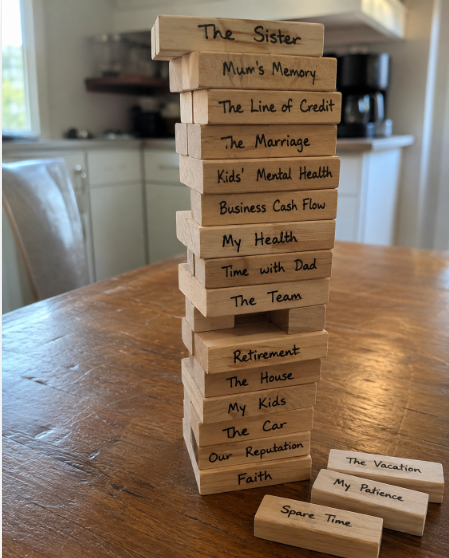
There is no date anyone can point to. No incident. Just a sentence in a review about losing a step. Chris Coulter on what your employee is actually carrying, why the 2 a.m. loop determines your 10 a.m. meeting, and the choice every leader makes by default: have the real conversation now, or pay 50 to 200% of their salary to start over with a stranger in eighteen months.

The Kids Who Never Cause Problems Worry Me the Most
Every parent keeps a mental list of the kid they worry about. The kid who never causes problems isn't on it. Chris Coulter on why high achievers, helpers, and conflict-avoiders are the hardest to read, how to know when to worry about teenage behaviour that looks perfect from the outside, and four questions that help you get your teenager to open up before "fine" becomes a wall.

What If Your Best Employee Is Carrying Five Major Life Challenges Right Now?
Your best employee looks fine. They meet deadlines, answer emails, show up on time. What you can't see is the child in crisis, the aging parent, the grief that never left. This post looks at how parenting stress and personal crisis affect work performance, why presenteeism costs more than absenteeism, and what leaders can actually do without becoming a therapist.

I Thought I Would Know if My Child Was Hurting. I Was Wrong.
Chris Coulter thought he knew his daughter better than anyone. A quiet four-hour drive home from Prince Edward Island proved him wrong in ways he wouldn't understand for years. This piece looks at confirmation bias in parenting, why "fine" isn't proof of anything, and the early warning signs of teen depression that get explained away. For parents who assume they'd know if something was wrong.
Your Teenager Doesn't Need a Crisis to Need Support
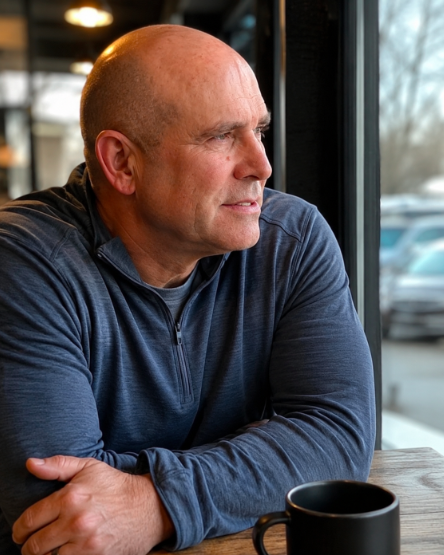
Many parents wait for a crisis before getting their teenager support. This guide explains teen mental health coaching, how it differs from therapy, and why the space before a crisis is where the most good gets done. Written by a parent who's lived through loss, it covers warning signs, how mentoring works, and how to know if your teenager needs a mentor, a therapist, or both.

The Parent No One Sees Barely Holding It Together
There is a parent in your office right now who was out at 3am looking for their kid. She smiles at the elevator. She hits her targets. Nobody knows what she is carrying. This is for that parent, and for the ones who love her but cannot help her because they don't know. A piece about the invisible weight of raising a struggling teen while showing up for a job, a team, and the rest of a family. Written from lived experience.
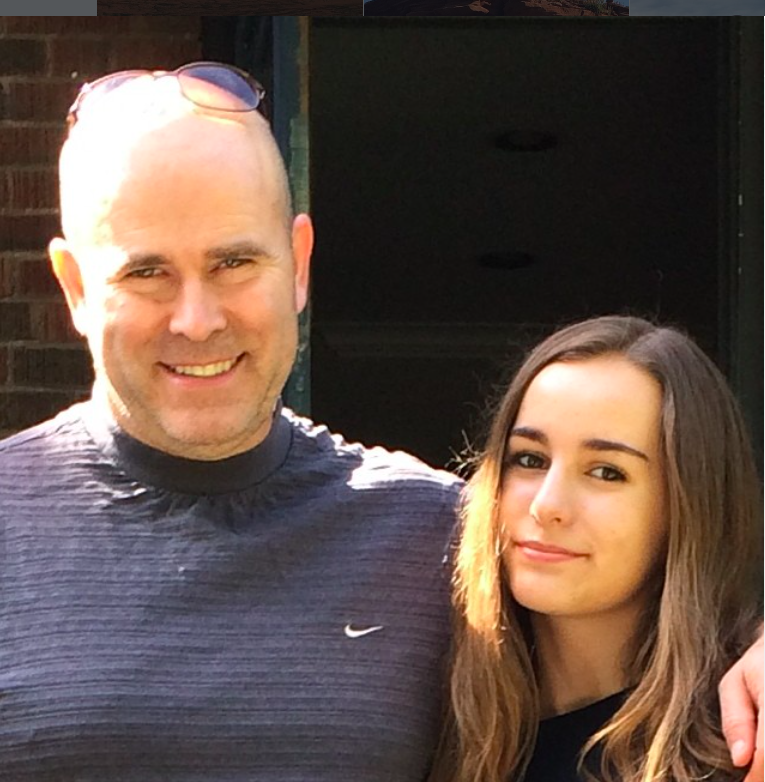
Love Isn't Always Enough. That Truth Nearly Broke Me
Love is why parents show up. But love alone does not teach you how to recognize when your child is struggling. Chris Coulter writes from eleven years of hindsight about the gap between loving deeply and seeing clearly, and why awareness is a skill every parent can learn.
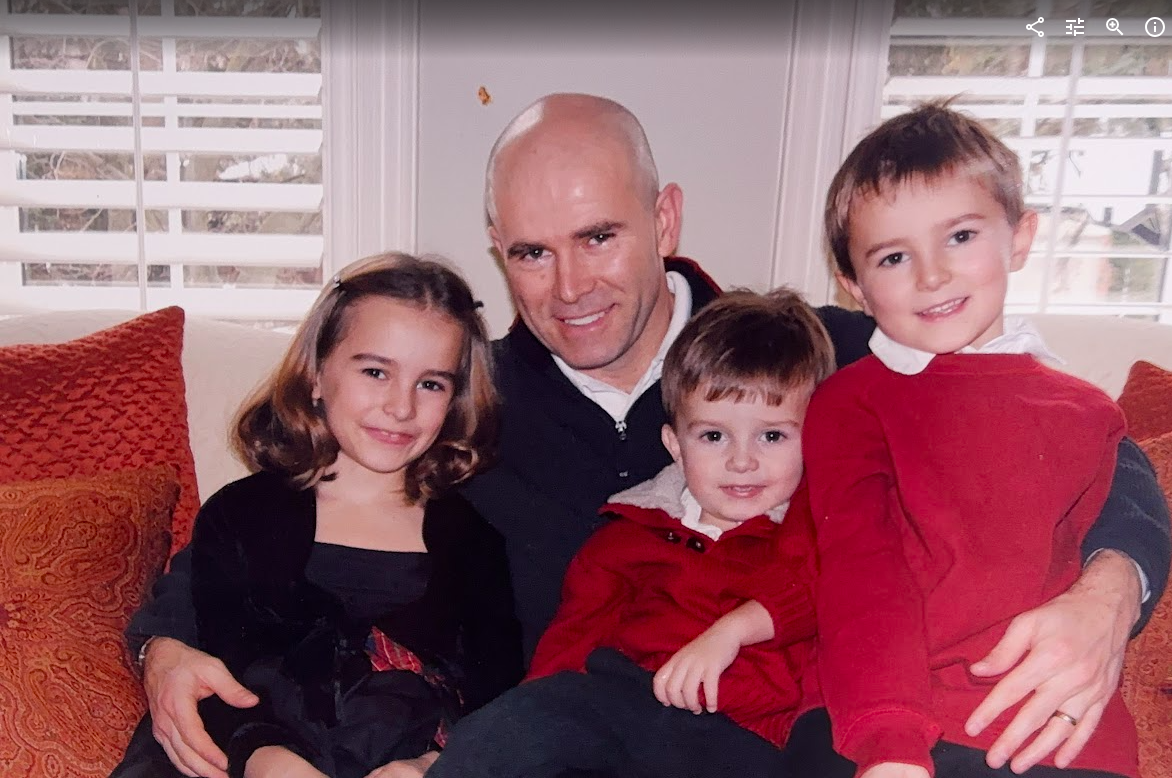
How to Navigate a Teen Mental Health Crisis Together
Worried your teenager is struggling with mental health? Learn the warning signs, the 5Rs framework, and practical ways to support your teen before a crisis escalates.

The Scariest Words a Parent Can Hear Are "I'm Fine"
Most parents accept "I'm fine" because the alternative feels harder. Chris Coulter writes about why teenagers use fine as protection, why parents let them, and what one extra question can do when you stay in the conversation a little longer than feels comfortable.

When the Casseroles Stop: The Hidden Suicide Risk Facing Bereaved Parents
Registry studies show bereaved parents face two to three times the suicide risk of comparison groups after losing a child to suicide. Chris Coulter writes from lived experience about the silence that follows loss, why the support disappears too soon, and why postvention is the missing piece in suicide prevention.

The hardest part of losing a child isn't what most people think.
The hardest part of losing a child is not the funeral. It is learning to live with the guilt, unanswered questions, and fear that your child will be forgotten. Chris Coulter shares what grief looks like ten years after losing his daughter Maddie and offers practical ways to support bereaved parents with compassion, presence, and remembrance.

Experience Teaches. Learning Follows. Everything Else Becomes Regret.
Chris Coulter shares seven honest lessons about parenting a teenager, drawn from lived experience and regret. Written for parents who still have time to listen longer, fix less, and say what matters. A personal reflection rooted in loss and the hope that another family gets a different story.
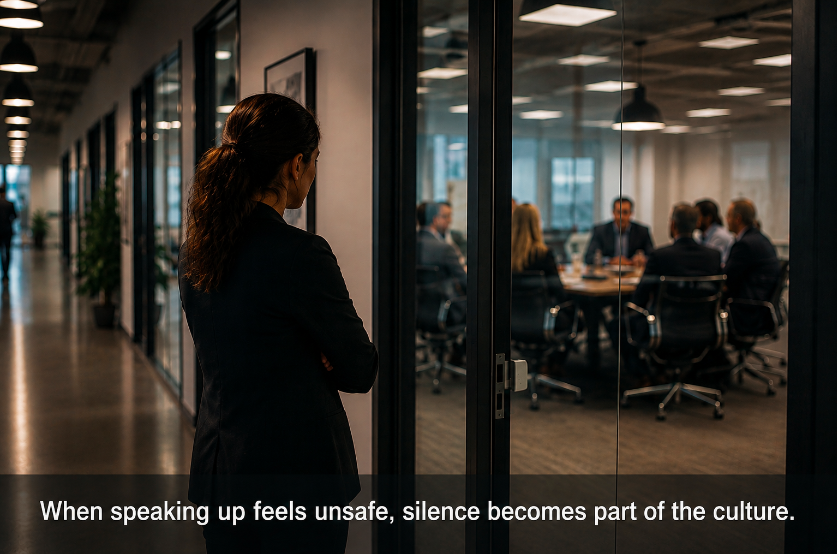
What Your Executives Believe About Your Culture and What Your Employees Actually Live
Leadership sees one company. Employees live in a different one. The Culture Signal Check measures the gap between executive perception and employee reality across 25 questions and three groups. Green means alignment. Red means your best people are already looking. Built by a founder who lost his job for telling the truth in a culture that couldn't tolerate it.