

What Happened Last Night Is Sitting in Your 9 A.M. Meeting
Somebody on your team sat outside their kid's bedroom last night and was on your 9 a.m. call anyway. Gallup now finds more US workers struggling in their lives than thriving. Most will never tell their manager, because they don't believe it's safe. They don't complain. They start looking. And the reason they give in the exit interview is never the real one.
We Have a Recognition Problem
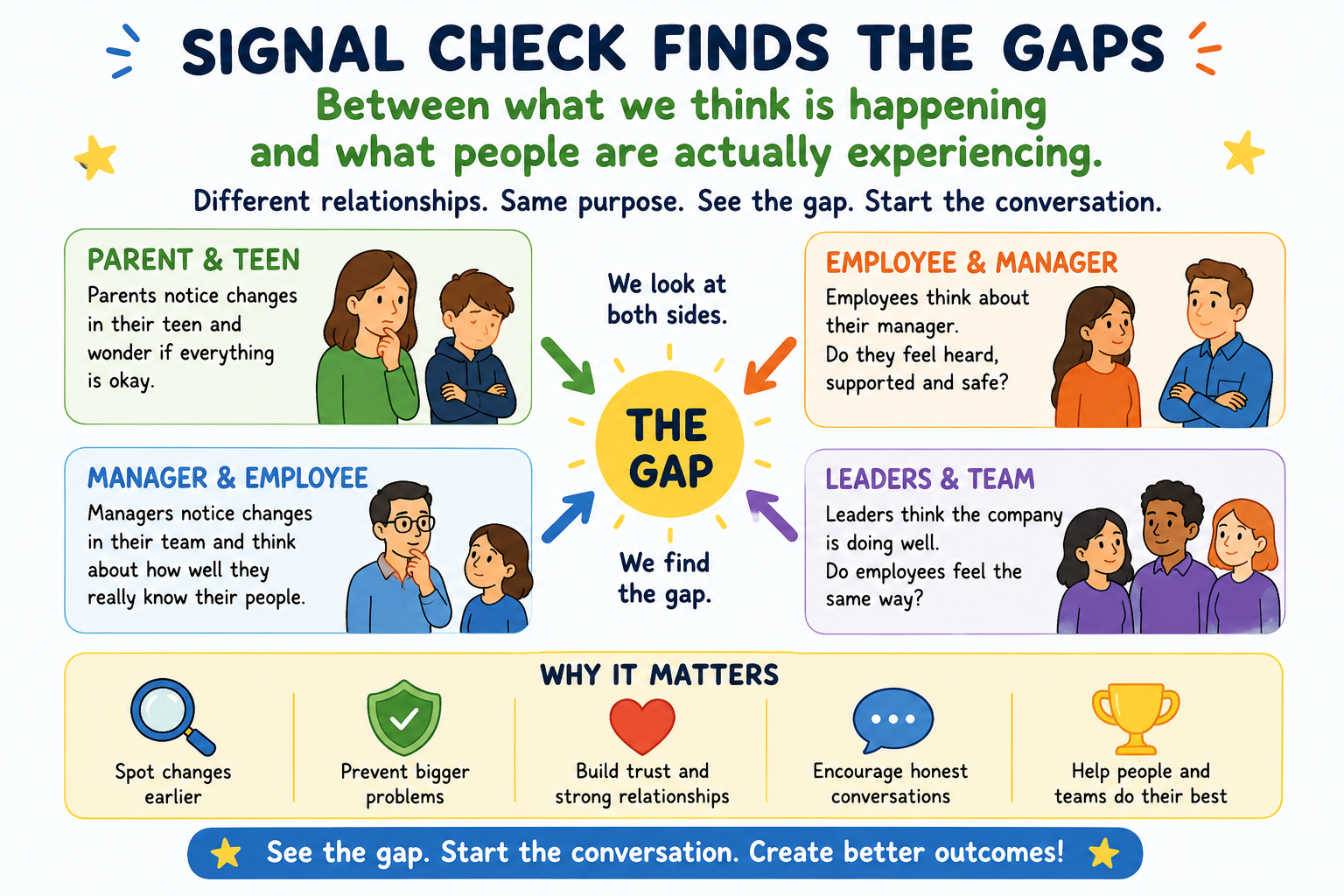
Mental health support often begins after someone asks for help. But what happens before that? Chris Coulter explores the recognition gap facing parents, managers and employers, and how Teen Signal Check, Manager Signal Check and Culture Signal Check can help identify changes, blind spots and disconnects earlier, before assumptions replace conversations.
The Conversation Is Coming Either Way
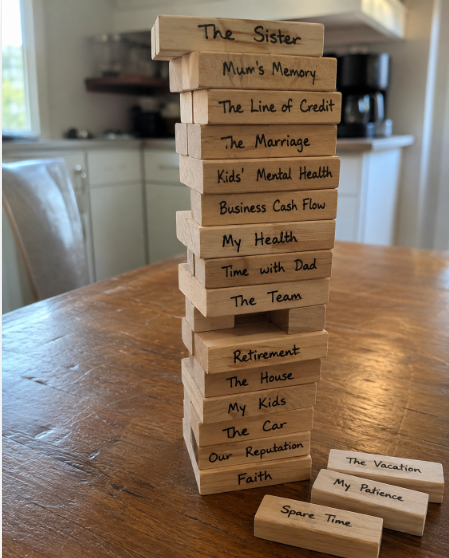
There is no date anyone can point to. No incident. Just a sentence in a review about losing a step. Chris Coulter on what your employee is actually carrying, why the 2 a.m. loop determines your 10 a.m. meeting, and the choice every leader makes by default: have the real conversation now, or pay 50 to 200% of their salary to start over with a stranger in eighteen months.

What If Your Best Employee Is Carrying Five Major Life Challenges Right Now?
Your best employee looks fine. They meet deadlines, answer emails, show up on time. What you can't see is the child in crisis, the aging parent, the grief that never left. This post looks at how parenting stress and personal crisis affect work performance, why presenteeism costs more than absenteeism, and what leaders can actually do without becoming a therapist.
What Your Executives Believe About Your Culture and What Your Employees Actually Live
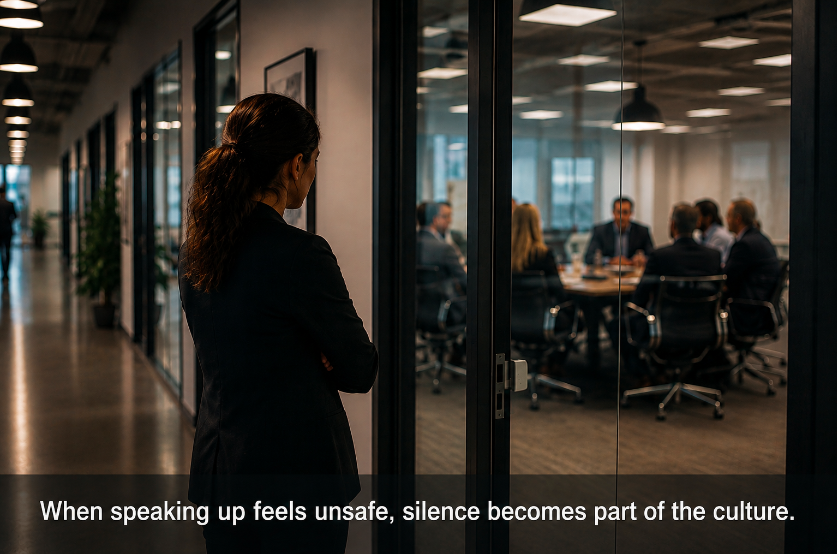
Leadership sees one company. Employees live in a different one. The Culture Signal Check measures the gap between executive perception and employee reality across 25 questions and three groups. Green means alignment. Red means your best people are already looking. Built by a founder who lost his job for telling the truth in a culture that couldn't tolerate it.
The Question Nobody Asks
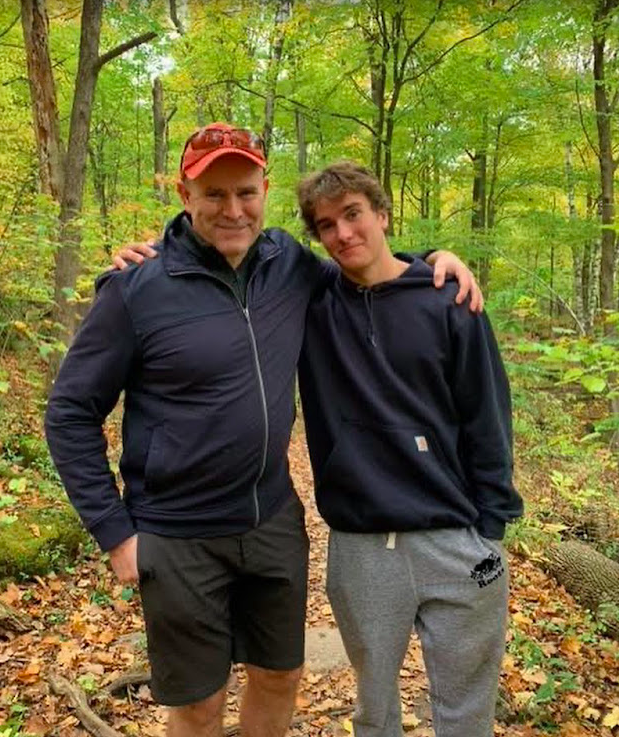
Most meaningful conversations begin after the first answer. Whether you're wondering how to get your teenager to open up or how to talk to an employee about personal struggles, the second question often changes everything. Learn why staying in the conversation a little longer can strengthen trust, improve communication, and help you notice concerns before they become bigger problems.
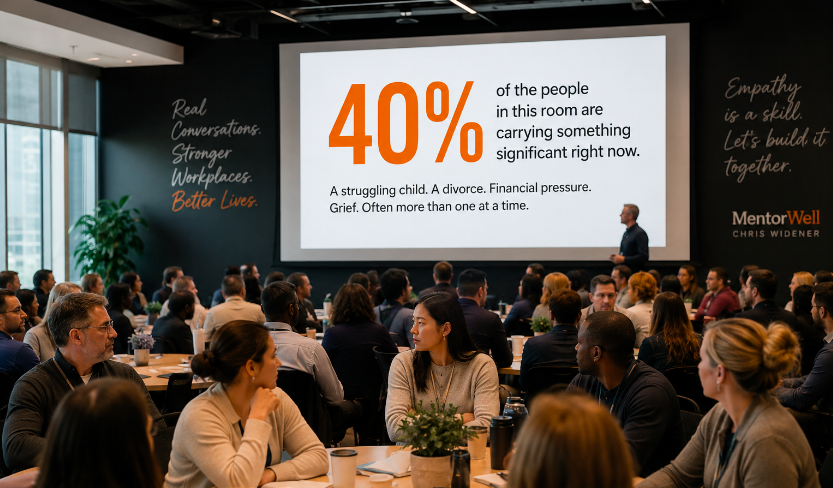
The Slide That Made 200 Employees Look at Each Other
A corporate workshop revealed something many leaders already suspect but few know how to address. More than 40% of employees are carrying significant personal challenges, including struggling children, grief, divorce, and financial stress. This article explores why managers avoid difficult conversations, the cost of silence in the workplace, and how organizations can better support employees through First Conversation Coaching.

You Are Already Learning the Most Important Leadership Skill. You Just Do Not Know It Yet.
The skill your organization is paying consultants to teach you — how to create psychological safety, notice what is not being said, respond without shutting someone down — is the exact skill your family is asking of you every day. A life preserver or an anchor. Your response decides which one you are.

Mental Health Belongs on LinkedIn. Here Is Why Your Business Depends on It.
Someone told Chris Coulter his mental health posts don't belong on LinkedIn. He disagrees. And the research backs him up. Here is what the data says about what your employees are carrying, and what it is costing your organization.

Teen Mental Health at Work: What HR Leaders Need to Know
Teen mental health is already impacting your workforce. Roughly 1 in 4 working parents is navigating a teen mental health challenge, often silently. When companies fail to support parents proactively, productivity, engagement, and retention suffer. This article explores why compassionate leadership during family crisis builds loyalty, advocacy, and long-term cultural strength.
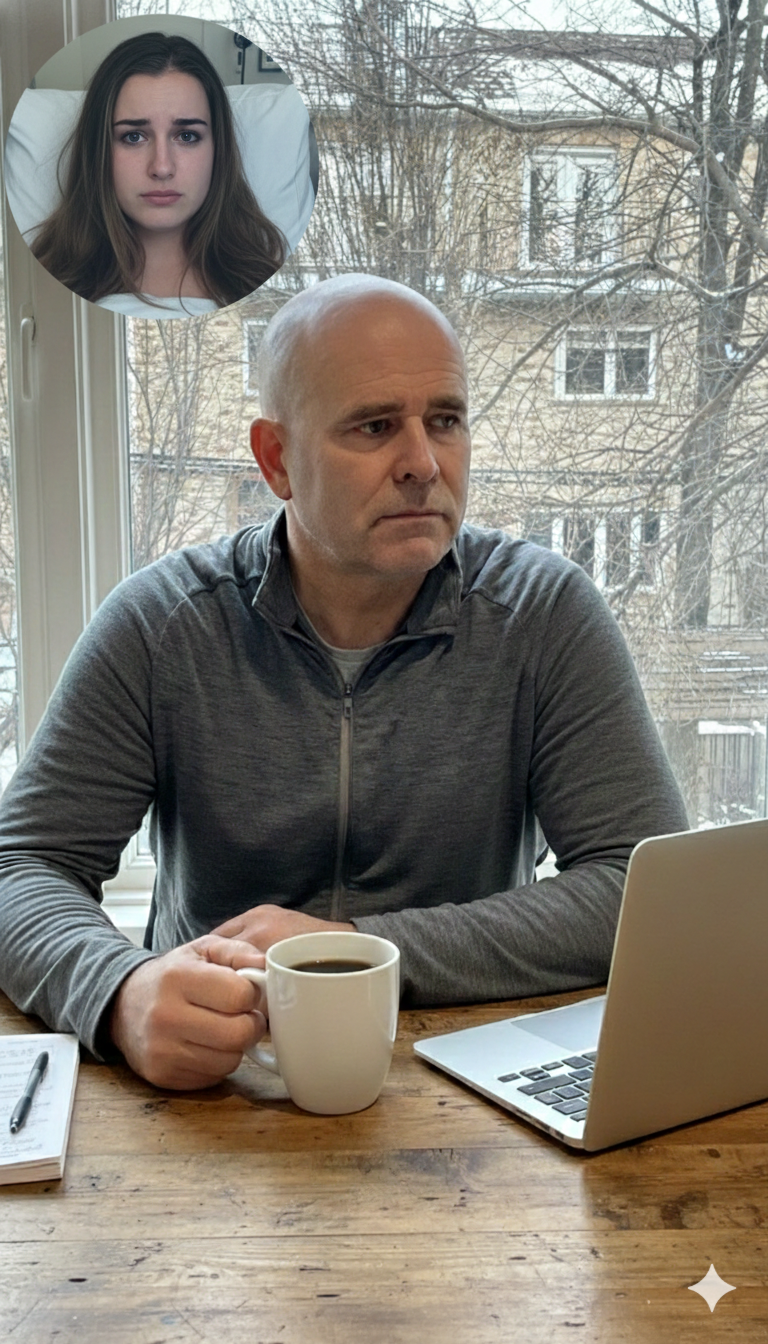
Don’t Make Your Employees Beg
A parent in your company is quietly deciding if it is safe to tell you their child is in mental health crisis. Benefits do not determine that decision, culture does. This article shows leaders how to build trust before crisis hits, support employees without making them beg, and turn real human care into a lasting competitive advantage.

What We Can Learn From a Team That Wasn’t Supposed to Win
The 2025 Toronto Blue Jays shocked the baseball world by mentoring their way to the World Series. This post explores how belief, trust, and connection transformed a team once counted out into champions in spirit. Learn how mentorship and mindset can create lasting success, on and off the field.