Love Isn't Always Enough. That Truth Nearly Broke Me
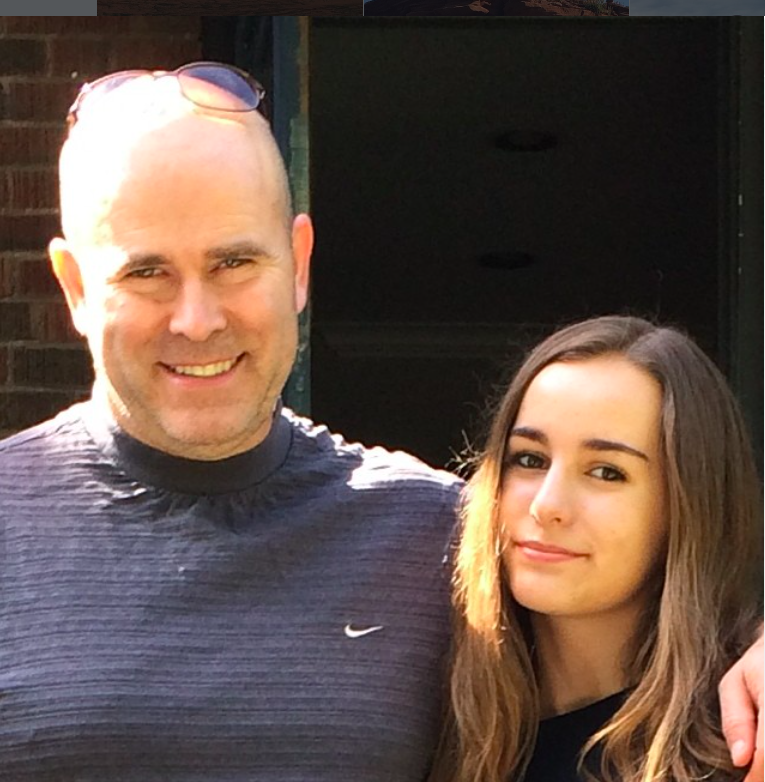
I loved my daughter with everything I had.
I would have taken her pain if I could. I would have traded places with her without a second thought.
And there was still a period when my love was not enough to protect her.
That is a hard sentence to write. It took me a long time to stop fighting it.
Most parents carry some version of the same belief. If I love my child enough, they will be okay. I carried it too. It felt like the most reasonable thing in the world. Love is why we work the hours we work. It is why we replay conversations in our heads at 2am wondering where we went wrong. Love is behind almost everything we do as parents.
But love and awareness are not the same thing.
I did not understand that until it was too late to matter the way I wanted it to.
After losing Maddie, I spent a long time looking backward. Replaying moments that did not seem significant at the time. Sitting with conversations I wished had gone differently. Wondering what I would have done if I had noticed sooner. Grief does that. It gives you a clarity you wish you never had to earn.
What I know now is that you can love your child completely and still miss what they are carrying. Because mental health struggles do not announce themselves clearly. A teenager can laugh at dinner and still be hurting. They can tell you they are fine because they genuinely don’t want to worry you. Most kids are better at protecting their parents than we give them credit for.
Nobody taught me how to tell the difference between normal teenage moodiness and something more serious. Nobody handed me a list of what to watch for or how to ask the question that actually gets an honest answer. I spent months preparing for my kids' births. I spent years thinking about their financial futures. I spent almost no time thinking about what it would look like if one of them started to disappear emotionally, a little at a time, in ways that each looked reasonable on their own.
That is the part that stays with me. It was never one thing. It was a pattern. Duration. A slow accumulation of small changes that each had an innocent explanation.
One thing I wish someone had told me earlier: no child should have only one trusted adult in their life. That’s not a failure of parenting. It’s just reality. Sometimes kids talk to a coach. A teacher. A friend's parent. Someone who is not carrying the same emotional history that exists at home. That distance can be the thing that makes honesty possible. Building a wider circle around your child is not admitting you aren’t enough. It is understanding how kids actually work.
Love is the reason any of this matters.
But love doesn’t teach you what to look for. It doesn’t tell you when to push past fine. It doesn’t hand you the words for a conversation your teenager doesn’t want to have.
Those things have to be learned.
I wish I had started learning them sooner.
ALSO RECOMMENDED
The Feeling I Wish I Had Trusted Before I Lost My Daughter
The piece about instinct. About the feeling that whispers before it shouts. Sits directly alongside this one because both are about what parents sense but do not yet know how to act on.
The Signs Were There. I Just Didn't Know What I Was Looking At.
The practical companion to this piece. Where "Love Isn't Always Enough" names the gap, this one shows you what to look for inside it.
The Scariest Words a Parent Can Hear Are "I'm Fine"
Same emotional territory. A teenager protecting a parent. A parent accepting the answer they needed to hear. Reads naturally after this one.
Experience Teaches. Learning Follows. Everything Else Becomes Regret.
The dock piece. The seven things. For a reader who finished this one and wants to sit with more of the same weight and honesty.
When Something Feels Off
The piece that names the instinct directly. Good next step for a parent who finished this one and is now trying to figure out whether what they are noticing is something or nothing.