

I Made My Divorce Harder on My Kids Than It Needed to Be. I Told Myself They Were Fine.
Chris Coulter doesn't pretend he handled his divorce well. It got ugly, his kids were in the middle of it, and he told himself they were fine because he needed to believe it. This post is a raw reckoning with what he missed — how children protect their parents from pain, why silence isn't resilience, and the question every divorcing parent needs to sit with before it's too late.

She Checked If Her Daughter was Breathing. Then She Went to Work
1 in 4 working parents is dealing with an emotionally struggling child right now. In a 200-person company that’s roughly 30 employees carrying something heavy in silence. This post breaks down what parenting stress is actually costing your organization, why EAP isn’t enough, and what companies can do to support the working parents who show up every day pretending everything is fine. Includes the free Workplace Signal Check.

What No One Tells You About Admitting Your Teen to a Psychiatric Ward
When Chris Coulter's daughter Maddie was admitted to a psychiatric ward, he didn't know what he was looking at. Most parents don't. This is an honest account of what the experience is actually like, what happens after discharge, and why the hardest part isn't the crisis itself but the weeks that follow. Written from lived experience by the founder of The MentorWell. Includes the free Teen Signal Check.

7 Subtle Signs Your Child Might Be Struggling(Even If They Say They’re Fine)
Most kids won't say they're struggling. They'll shrug, smile, and say "I'm fine." The real signals are in what they stop doing and start hiding. This post walks through 7 subtle behavioural shifts that parents often dismiss as phases but may point to something deeper. Includes practical next steps and a free Teen Signal Check used by over 3,500 parents.

The Inbox Diaries: Episode 3, "My Teen Won't Talk to Me. So I Stopped Talking Too."
When a teen withdraws, parents often try harder to reach them—only to create more distance. In this episode of The Inbox Diaries, a father asks whether giving his son space means giving up. Through a personal story about Maddie, this post explores the powerful shift that happens when parents stop pushing and simply stay present. Sometimes the quietest moments reopen the door to connection.

What Maddie Taught Me About the Depression Parents Don’t See
Teen depression often hides behind smiles and success. After losing my daughter Maddie, I began hearing from families facing the same quiet struggles. This article explores the signs parents often miss and why young people need safe adults to talk to before problems become crises.

Grief Doesn’t Peak at the Funeral. It Begins the Day After.
Grief often begins after the funeral, when the calls stop and the house grows quiet. In this reflection, Chris Coulter shares what he learned after losing his daughter Maddie and what he now sees as his father grieves the loss of his wife, Chris’ mom. The silence that follows loss can feel disorienting, but understanding it can help people support those grieving long after the funeral ends.

It's Not Too Early. It Might Already Be Late.
Parents assume mental health concerns start in high school. They don't. Parents of children as young as 8 are reporting warning signs including suicidal language, online bullying carrying into school, and emotional shutdown. Therapy waitlists are months long. This post covers what parents can do now to build emotional foundation, set boundaries, and create connection before the teen years hit. Free guide and parent community included.

What Qualifies You to Give Parenting Advice When You Lost a Child to Suicide?
A stranger sent Chris Coulter a message on LinkedIn: “What qualifies you to give parenting advice when you lost a child to suicide?” The question stung. But it deserved an answer. This article is that answer — told through the loss of his daughter Maddie, and two messages from parents whose lives were changed by what he writes. The stories are the credentials.
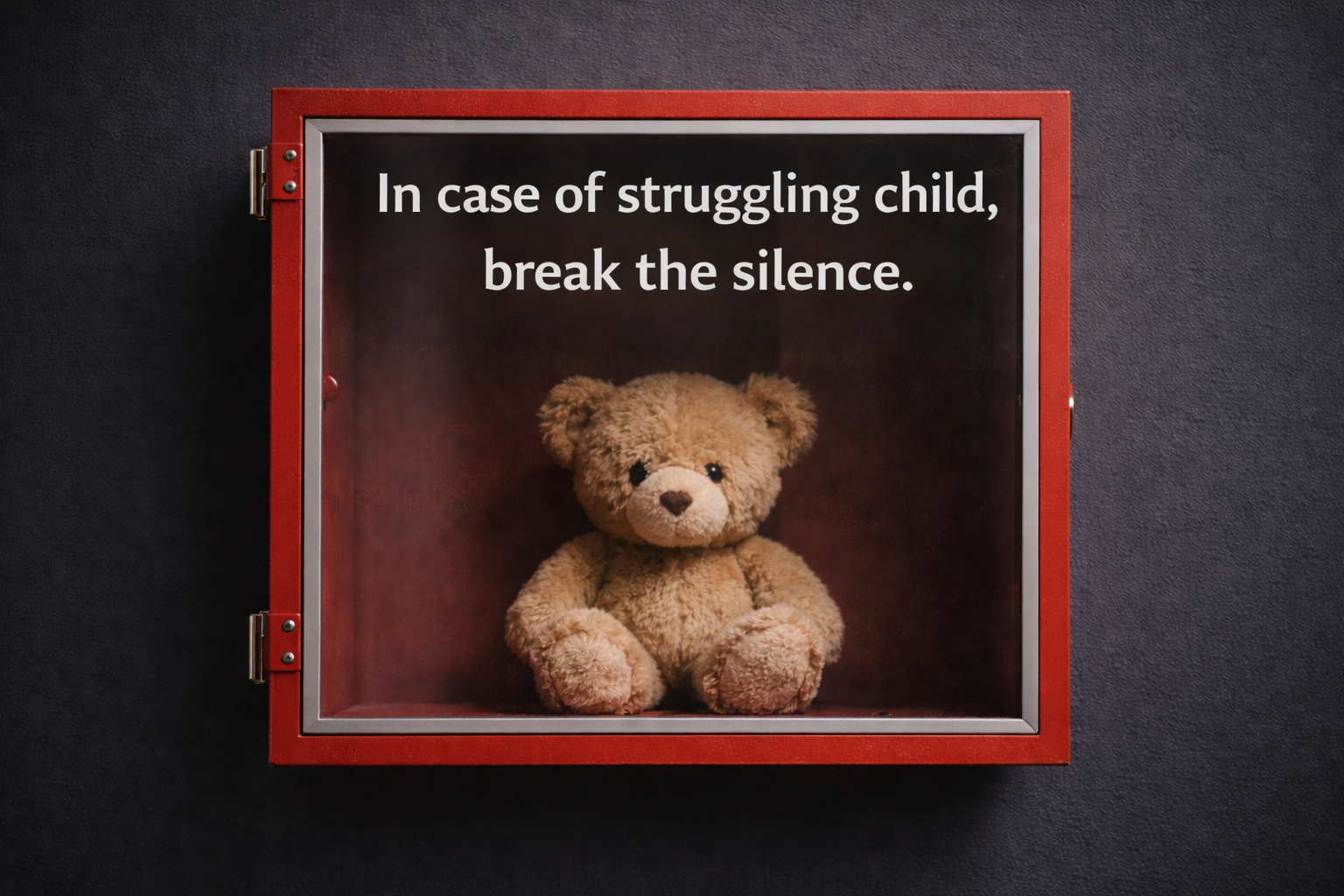
What If Schools Treated Suicide the Way They Treat Fire?
Every school has fire drills, fire exits, and evacuation plans. Suicide is the second leading cause of death among Canadian teenagers and most schools have no plan for it at all. This article explores why schools avoid the conversation, what that silence teaches teens, what actually works, and what parents can do when their child’s school won’t start the conversation. Includes the Teen Signal Check tool.

The Inbox Diaries — Episode 2. "I Haven't Told Anyone at Work"
When a parent messaged Chris Coulter privately because her company frowns on honesty, it revealed something he’d been carrying too. When Maddie was struggling, he told no one at work. In a company of 200, roughly 30 employees are navigating a child’s mental health challenge silently. This article explores the cost of that silence and what it takes to fix the thirty seconds after someone says something real.

I Thought Loving Her Harder Would Save Her. I Was Wrong
When his daughter was hospitalized for the second time, Chris Coulter realised that loving her harder was not going to close the gap. This post explores why teens in crisis need more than one person, why mentorship fills the space between therapy and parenting, and how parents can take a first step before things escalate. Includes the free Teen Signal Check tool.
The 30 Seconds That Decide Whether Your Best People Stay or Leave
Chris Coulter of The MentorWell makes the case for supporting whole employees — not just the 9-5 version. From teen mental health to aging parents to financial stress, the employers who show up when it matters earn loyalty no salary can buy. For HR leaders and executives at companies with 50-500 employees.

How Maddie's Death Prepared Me for My Mom's Passing
Chris Coulter reflects on losing his mother days after her stroke, and how eleven years of grieving his daughter Maddie prepared him for this loss. A deeply personal piece on grief, presence, and the unexpected gifts loss leaves behind. For anyone navigating the loss of a parent or child.

The Inbox Diaries — Edition 1. "I Check If She's Breathing Before I Go to Work"
A weekly series drawing from real messages sent to Chris Coulter of The MentorWell. Episode 1 explores the silent epidemic of parents navigating teen mental health crises while performing fine at work. For parents carrying this alone and employers who don't know what's happening in their building.

Social Media: The Cause or a Symptom of Teen Anxiety?
We blame social media for the teen mental health crisis. But is it the cause or just a mirror? Chris Coulter explores the deeper pressures driving teen anxiety and what parents can actually do about it. Includes a free two-minute tool to help parents understand what they are seeing right now.

You’re Not Bad at This. You Were Just Never Taught.
Most managers want to support their struggling employees. They freeze because nobody gave them a framework for the first 90 seconds. First Conversation Coaching gives managers the exact language to open the conversation that keeps someone in the door — instead of the one that accidentally signals it isn’t safe to be honest here.

To the Parent Thinking, “This Could Never Happen to Us”
A parent and mental health advocate shares what he learned after losing his daughter — not to scare you, but to help you pay attention. This article challenges the assumption that good parenting, academic success, or a strong family protects your child from silent suffering. It's a call for awareness over fear, curiosity over criticism, and earlier conversations over regret.

The Day I Realized I Didn't Know My Own Child
Chris Coulter thought his daughter Maddie was just being a teenager. Eye rolls, silence, withdrawal. He told himself it was a phase. One night he found her at a party in distress. He told her tomorrow would be a new day. That night she attempted suicide. This article is about what he missed, what he's learned since, and why he built The Mentor Well — a mentorship platform for teens and families navigating mental health challenges. Includes free tools and resources for parents.

We Don’t Wait to Talk About Cancer, Why Wait for Mental Health?
When a teenager is diagnosed with cancer, the support is immediate. When a teenager is admitted to a psychiatric ward, there's silence. Chris Coulter's daughter Maddie spent two months in a youth psychiatric ward. Her friends were told it was stomach issues. Only family visited. This article explores why we treat physical and mental illness differently, the cost of silence, and why it's time to stop whispering about youth mental health. Includes practical resources for parents and employers.