What If Schools Treated Suicide the Way They Treat Fire?
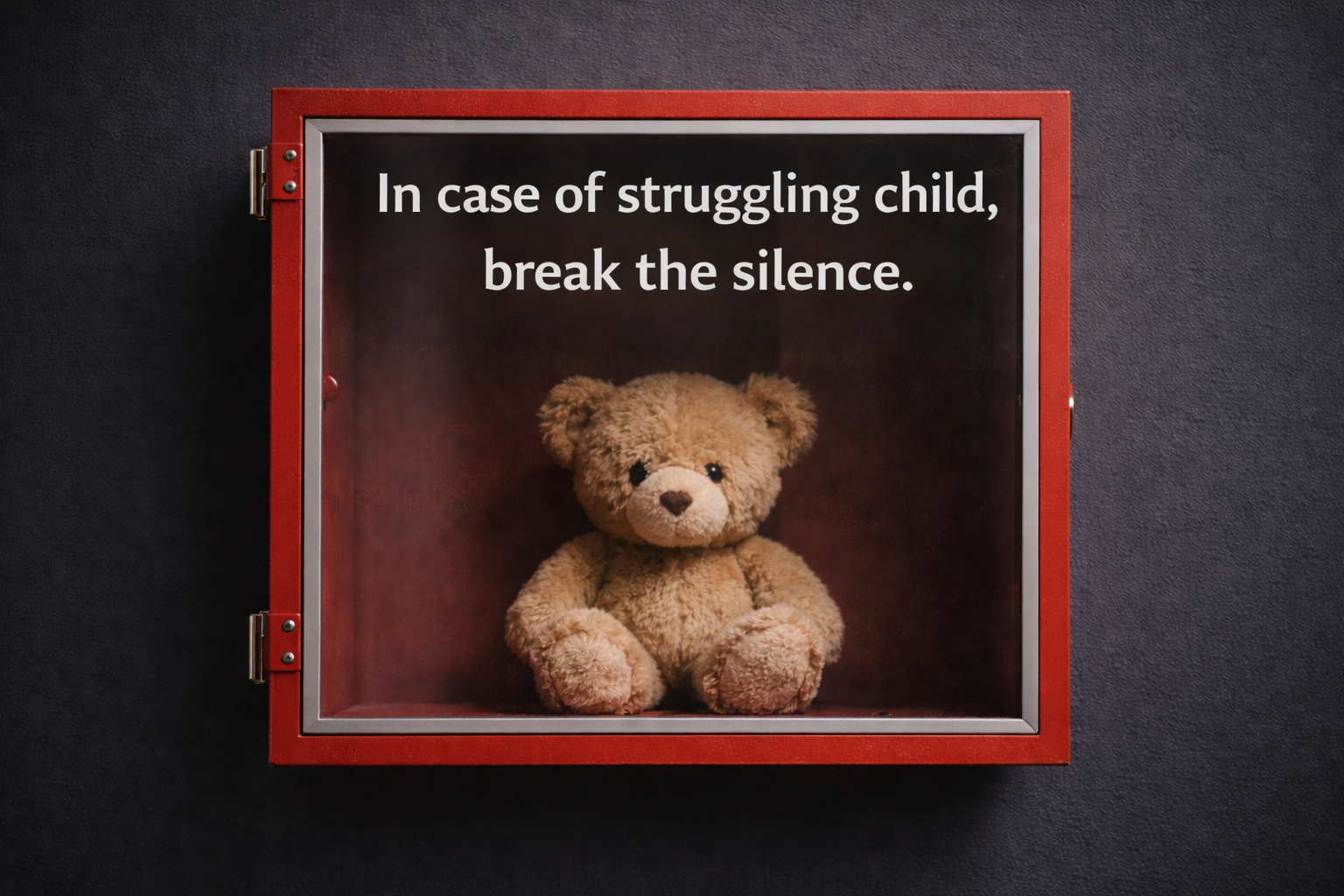
Every school in the country has a fire plan.
Fire exits are marked. Drills are scheduled. Teachers know the routes. Students know the sound. Nobody debates whether talking about fire makes kids more likely to start one.
Suicide is the second leading cause of death among teenagers in Canada. And most schools have no plan for it at all.
No drills. No routes. No scheduled conversations. Just silence and the hope that not mentioning it will somehow keep kids safe.
It doesn’t.
Maddie’s school was a good school. Caring teachers. Decent resources. The kind of school where parents felt their kids were looked after.
But nobody in that building ever said the word suicide out loud to her. It wasn’t discussed in class., in a counsellor’s office, in the hallway. or to her face.
And Maddie didn’t say it either. Because if the adults around you treat something as unspeakable, you learn to keep it inside. You learn that what you’re feeling is too much for the room. Too heavy for the people who are supposed to help.
She was 14. She carried it alone. And the silence that was supposed to protect her was part of what isolated her.
I’m not blaming her school. I’m naming what happened. And it’s happening in schools right now, today, while someone reads this.
Why Schools Stay Silent
I’ve talked to educators about this. Most of them agree the conversation needs to happen. Most of them are afraid to start it.
The fear is real. It comes from three places.
The first is the belief that talking about suicide puts the idea in a teenager’s head. This is the most persistent and the most dangerous misconception in youth mental health. Evidence from multiple peer-reviewed studies, including research published in the Journal of the American Medical Association, shows the opposite. Direct, calm conversations about suicide reduce risk. They reduce stigma. They reduce isolation. They give a teenager permission to say what they’re carrying instead of suffocating under it.
Silence doesn’t prevent suicidal thoughts. It prevents the conversation that could save someone who already has them.
The second is parents. Schools worry about backlash. A parent calls the principal upset that their 13-year-old heard the word suicide in a classroom. The school backs off. The policy becomes avoidance. And the teenager who needed that conversation never gets it because someone else’s parent was uncomfortable.
If 1 in 4 Canadian teens have seriously considered suicide, the discomfort of a conversation is not the thing to be afraid of.
The third is liability. Schools are afraid of being blamed if a student harms themselves after a lesson or a conversation. So they say nothing, believing that silence protects them legally.
It doesn’t protect the students. And it doesn’t actually protect the school. A school that never addressed mental health and loses a student is in a far worse position than a school that tried.
Underneath all three of these is the same thing: adults who don’t feel equipped. Teachers who were never trained for this. Administrators who don’t have a playbook. Counsellors who are overwhelmed and under-resourced.
They’re not avoiding the conversation because they don’t care. They’re avoiding it because nobody ever taught them how to have it.
Sound familiar? It’s the same gap that exists in workplaces. The same gap that exists at home. The adults who are supposed to be the safety net were never given the skills to hold it.
What Silence Teaches a Teenager
When a school avoids the topic of suicide, here’s what a teenager actually hears:
This is something we don’t talk about.
If you’re feeling this, you’re on your own.
The adults around you can’t handle it.
Your pain is too much for this room.
That’s not what anyone intends. But it’s what lands. And when a teenager internalizes those messages, the distance between them and help gets wider. And it’s not because help doesn’t exist. Instead they’ve learned that asking for it is not safe.
Silence doesn’t equal safety. It teaches shame.
What Actually Works
The large assembly with a guest speaker once a year is not the answer. A pamphlet in the guidance office is not the answer. A poster on the wall that says “It’s okay to not be okay” is not the answer.
What works is smaller and more consistent.
Small-group conversations led by trained adults who know how to hold the space. Once a semester is not sufficient. It needs to happen regularly. The same way schools teach math. It’s not because one lesson is enough, but because repetition builds familiarity and reduces fear.
Peer-to-peer support. Teenagers trust each other before they trust adults. Programmes that train students to recognize when a friend is struggling and to know what to do about it have shown measurable results in reducing isolation and increasing help-seeking behaviour.
Youth-led design. Let teenagers help shape the conversation. They know what’s relevant. They know what’s performative. They know the difference between an adult who is reading a script and an adult who actually wants to hear what they have to say.
And teacher training. Real training. Not a one-hour webinar. Structured, ongoing support that gives educators the confidence to hold a difficult conversation without freezing, deflecting, or making it worse.
What You Can Do as a Parent
If your teen’s school isn’t having this conversation, it falls to you. That’s not fair. But it’s reality.
Start at home. Ask your teen direct questions about how they’re feeling. Not “are you okay?” That gets you “I’m fine.” Ask what’s been hard lately. Ask if they know anyone who’s struggling. Ask if they’ve ever had thoughts about not wanting to be here. The research is clear: asking the question does not increase the risk. It reduces it.
Advocate at school. Ask your principal what the school’s mental health protocol looks like. Not the crisis response plan. The prevention plan. If there isn’t one, say so. Bring other parents. Schools respond to collective voice more than individual concern.
If you’re not sure what you’re seeing in your teen, start with the Teen Signal Check. It’s a free, private 12-question tool that helps you sort what you’re noticing into clear next steps. Three minutes. No login. No data shared.
This is important. Don’t dismiss it. I did, and I no longer have a daughter. Teen Signal Check
And if you want ongoing support from other parents navigating this, the When Something Feels Off parent community is free to join. No pressure. Just parents who understand what you’re carrying.
Do you carry shame, fear and isolation about your adolescent? I wish this existed eleven years ago. Parent Support Group
The only thing worse than the discomfort of having this conversation is living with the knowledge that you didn’t.
I know that cost. You don’t have to.