

Grief Doesn’t Follow a Schedule
Grief does not arrive on anniversaries and leave the rest of the year alone. It arrives in aisle seven. Eleven years after losing his daughter Maddie, Chris Coulter writes about what it means to stop being surprised by it.
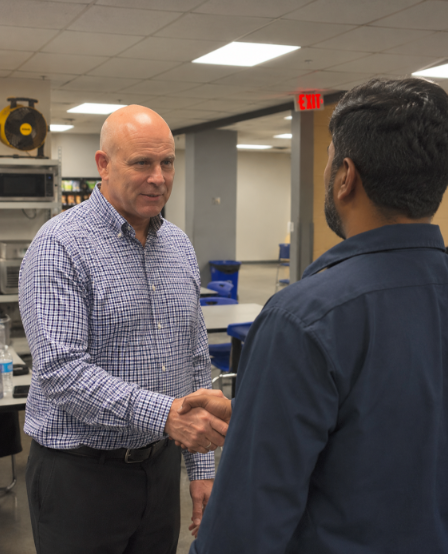
The Dad Who is Barely Holding It Together
Father's Day is not easy for every dad. For fathers carrying worry about a struggling teenager, or grief for one they lost, this is for you. And for the employers who need to understand what their people are carrying through the door every morning.

The Avoidable Resignation Letter
Most managers can identify the exact moment they missed. A quiet one-on-one. A late message. A Friday afternoon where something felt off. The Manager Signal Check helps you act before the window closes.
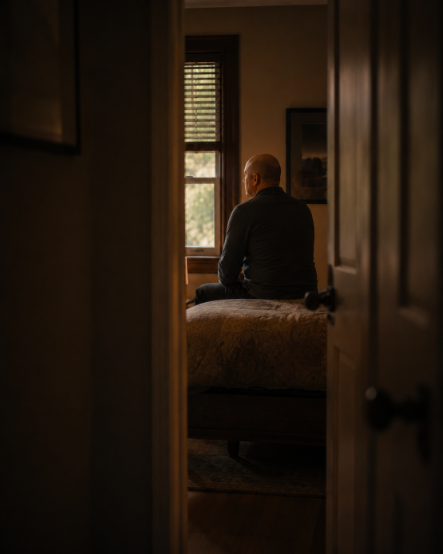
The Signs Were There. I Just Didn't Know What I Was Looking At.
The early signs of teen struggle rarely look dramatic. Irritability. Withdrawal. Sleep changes. Loss of interest in things they used to love. Most parents see these patterns and assume it's a phase. Sometimes it is. Sometimes it's the beginning of something that needed attention weeks ago. This post helps parents notice the difference — calmly, and before the window closes.
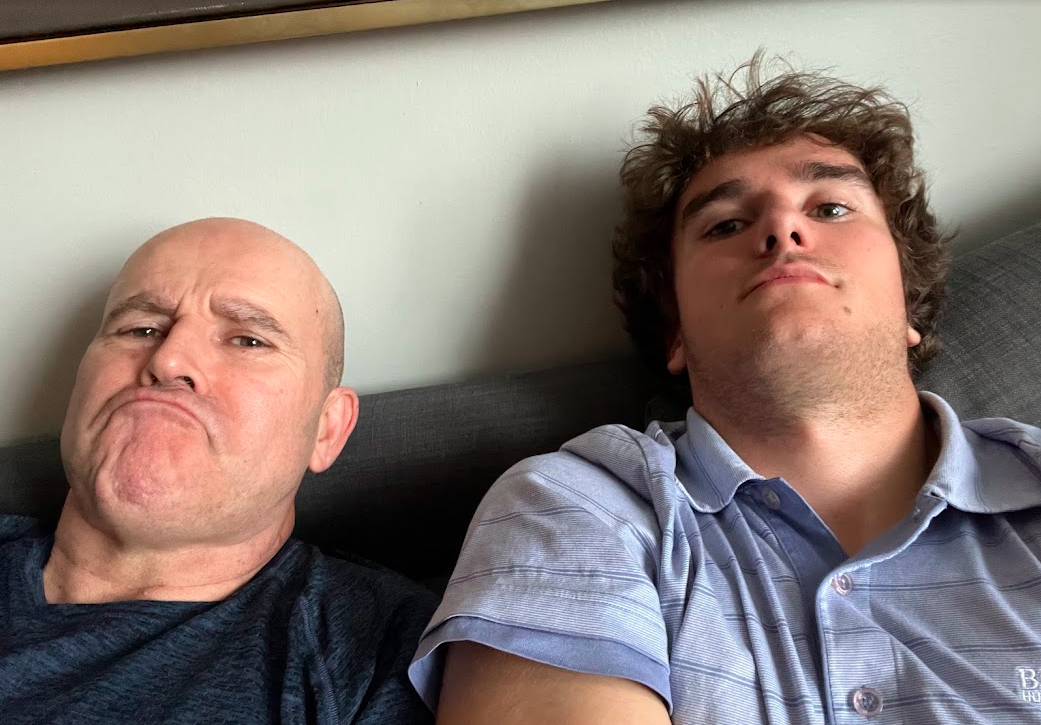
There's a Window. And Most Parents Don't Know It's Closing.
Most parents wait too long. By the time they realise their teenager has stopped talking to them, the distance feels permanent. But there is a window before that happens. A window to listen differently. To speak less. To build the kind of trust that makes a teenager want to share things rather than hide them. This post is for parents who can still feel that window and want to know how to use it.

When Something Feels Off
Parents often notice something is wrong with their teenager before they can name it. This post helps you trust that instinct, recognise the early warning signs of teen depression and anxiety, and take one small step before the silence becomes a wall. You are not overreacting. You are paying attention. That matters.

The Son Who Became the Teacher
Three months after losing his wife of 61 years, my father began asking me questions about grief. It was a moment I never expected, the day the parent became the student and the child became the guide. This personal story explores loss, aging parents, family relationships, and the quiet role reversal that can happen when life changes everything.
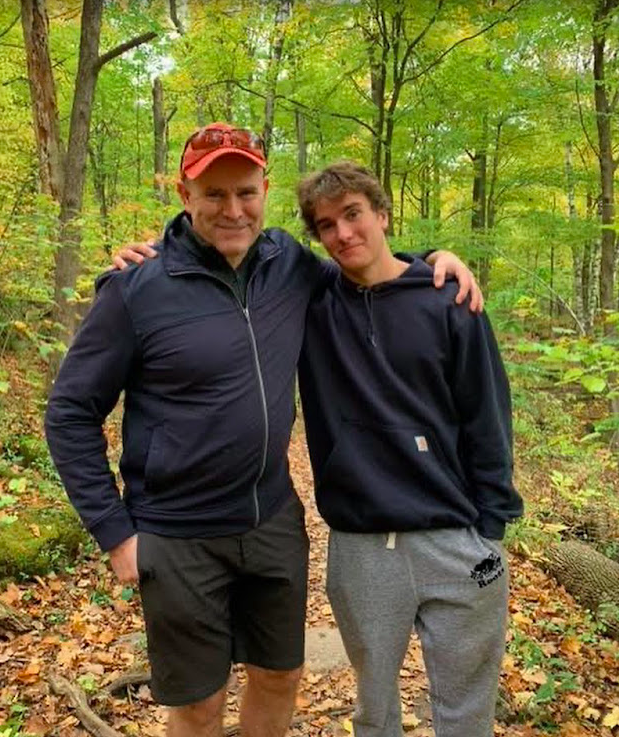
The Question Nobody Asks
Most meaningful conversations begin after the first answer. Whether you're wondering how to get your teenager to open up or how to talk to an employee about personal struggles, the second question often changes everything. Learn why staying in the conversation a little longer can strengthen trust, improve communication, and help you notice concerns before they become bigger problems.

The Slide That Made 200 Employees Look at Each Other
A corporate workshop revealed something many leaders already suspect but few know how to address. More than 40% of employees are carrying significant personal challenges, including struggling children, grief, divorce, and financial stress. This article explores why managers avoid difficult conversations, the cost of silence in the workplace, and how organizations can better support employees through First Conversation Coaching.

Most Parents Are Looking for the Right Conversation. They're Looking in the Wrong Place.
Teenagers do not open up when you sit them down and ask how they are doing. They open up when the pressure drops. The car. The kitchen. A walk. Side by side instead of face to face. This post is about why where you are when you talk matters more than what you say — and one conversation with Maddie that proved it.

Lived Experience is Not a Consolation Prize
Chris Coulter lost his daughter Maddie in 2015. He is not a therapist or clinician. He is a father who survived the worst thing a parent can face and decided that could not be the whole story. This piece explores why lived experience is a legitimate credential and why it reaches people clinical training sometimes cannot.

The Things That Outlast the Person
When someone you love dies, ordinary objects become something else entirely. A hoodie. A playlist. A card in a drawer. This piece explores what grief does to the things they left behind, why holding on is not the same as being stuck, and how you will know when the time is right to let go.

What Grief Actually Does to a Person
Eleven years after losing his daughter Maddie, Chris Coulter writes honestly about what traumatic grief does to the brain, why the pain does not diminish with time, and what people carrying loss actually need from the people around them. For parents navigating grief, loss, or the weight of a struggling child.

Five Things Losing a Child to Suicide Taught Me About Parenting
Chris Coulter lost his daughter Maddie to suicide in April 2015. She was 14. In the decade since, he has had over 2,000 conversations with parents and built The MentorWell around what teens actually need from the adults in their lives. This post shares five hard-won lessons about listening, presence, and connection — for parents who still have time to pay closer attention.

Where Everybody Knows Your Name
A parent support community for struggling teens doesn't happen on every platform. Chris Coulter built When Something Feels Off on Skool — and here's what he found.

Your Employees Are Not Struggling With Work. They Are Struggling at Work.
Most employee wellbeing programmes ask how someone is performing at work. They never ask what is happening at home. Parenting stress, eldercare, divorce, and financial pressure are quietly costing organisations in retention, productivity, and engagement. The MentorWell delivers structured, early-stage support through employers — for the moment before it becomes a crisis.

Your Employee Said They're Fine. Are You Willing to Bet Their Job on It?
Most managers wait for an employee to say something is wrong. Most parents do too. The assumption — "if something were really wrong, they would tell me" — is the most expensive belief in both relationships. This post names the parallel, explains what quietly quitting actually looks like from the inside, and introduces the Manager Signal Check for leaders who want to act earlier.

Why Every Online Community You've Joined has Quietly Died?
Most online communities die quietly. Not with drama — with silence. A Facebook group that started with energy. LinkedIn connections that never became conversations. A Discord server you closed after 30 seconds. This post names why it keeps happening, what it costs parents and community builders, and why not every platform works against you.

The Rogue Wave
Eleven years into grief and the rogue waves still come. This post is for parents who are years out from their hardest moments and still being blindsided. It addresses antidepressant stigma, the myth of easy grieving, and what it actually means to move forward with grief instead of without it.

Mental Health Leave Is the Last Signal: What HR Misses Before Employees Break
By the time an employee requests mental health leave, the signal has been there for months. Most managers saw it. Nobody knew what to say. This post is for HR leaders and people managers who want to close the gap between noticing and acting — before they lose someone they could have helped.