
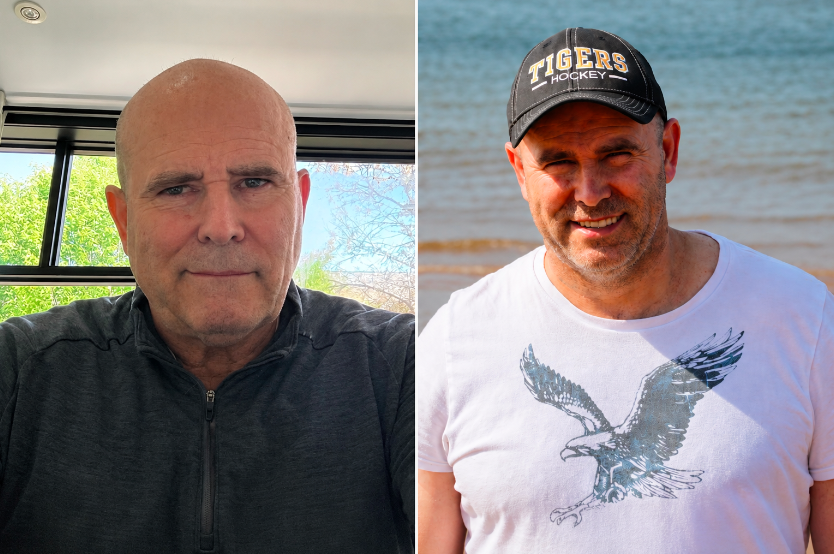
If I Could Speak to the Father I Was in 2015
Eleven years after losing his 14-year-old daughter Maddie, Chris Coulter writes a letter to the father he was in early 2015. What he would tell him about "fine," about quiet, about staying one question longer. What that father got right. What he couldn't have known, because nobody teaches parents what to look for. For every parent carrying guilt, and every parent with a teenager home tonight: grace.

I Don't Fear Talking About Maddie. I Fear People Forgetting Her
A father who lost his 14-year-old daughter to suicide explains what most people get wrong about grieving parents. Avoiding her name doesn't protect him. It erases her. This piece covers why bereaved parents want your stories, what to say to a grieving parent, what to avoid, and the one small act that matters more than any card: mention the person. Say the name. You will not remind us. We never forgot.
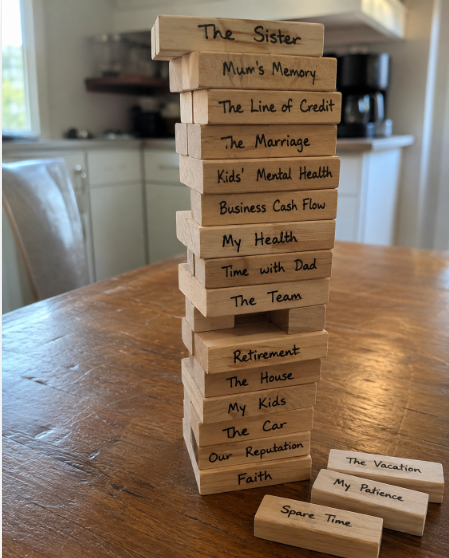
The Conversation Is Coming Either Way
There is no date anyone can point to. No incident. Just a sentence in a review about losing a step. Chris Coulter on what your employee is actually carrying, why the 2 a.m. loop determines your 10 a.m. meeting, and the choice every leader makes by default: have the real conversation now, or pay 50 to 200% of their salary to start over with a stranger in eighteen months.

The Kids Who Never Cause Problems Worry Me the Most
Every parent keeps a mental list of the kid they worry about. The kid who never causes problems isn't on it. Chris Coulter on why high achievers, helpers, and conflict-avoiders are the hardest to read, how to know when to worry about teenage behaviour that looks perfect from the outside, and four questions that help you get your teenager to open up before "fine" becomes a wall.
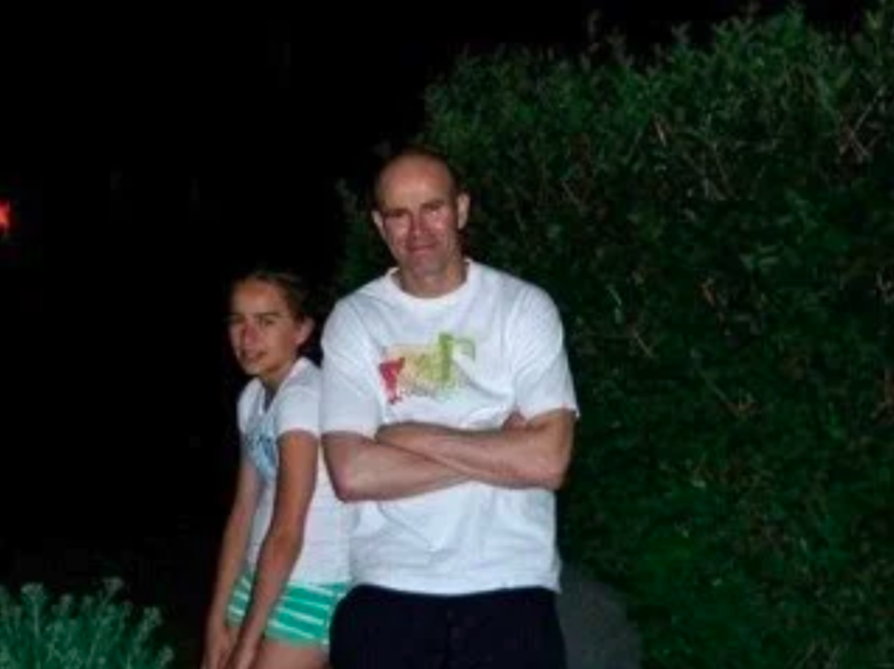
What If Your Best Employee Is Carrying Five Major Life Challenges Right Now?
Your best employee looks fine. They meet deadlines, answer emails, show up on time. What you can't see is the child in crisis, the aging parent, the grief that never left. This post looks at how parenting stress and personal crisis affect work performance, why presenteeism costs more than absenteeism, and what leaders can actually do without becoming a therapist.

I Thought I Would Know if My Child Was Hurting. I Was Wrong.
Chris Coulter thought he knew his daughter better than anyone. A quiet four-hour drive home from Prince Edward Island proved him wrong in ways he wouldn't understand for years. This piece looks at confirmation bias in parenting, why "fine" isn't proof of anything, and the early warning signs of teen depression that get explained away. For parents who assume they'd know if something was wrong.
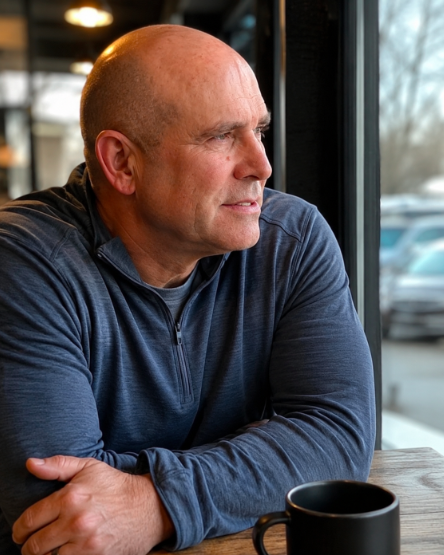
Your Teenager Doesn't Need a Crisis to Need Support
Many parents wait for a crisis before getting their teenager support. This guide explains teen mental health coaching, how it differs from therapy, and why the space before a crisis is where the most good gets done. Written by a parent who's lived through loss, it covers warning signs, how mentoring works, and how to know if your teenager needs a mentor, a therapist, or both.

The Parent No One Sees Barely Holding It Together
There is a parent in your office right now who was out at 3am looking for their kid. She smiles at the elevator. She hits her targets. Nobody knows what she is carrying. This is for that parent, and for the ones who love her but cannot help her because they don't know. A piece about the invisible weight of raising a struggling teen while showing up for a job, a team, and the rest of a family. Written from lived experience.
Love Isn't Always Enough. That Truth Nearly Broke Me
Love is why parents show up. But love alone does not teach you how to recognize when your child is struggling. Chris Coulter writes from eleven years of hindsight about the gap between loving deeply and seeing clearly, and why awareness is a skill every parent can learn.
How to Navigate a Teen Mental Health Crisis Together
Worried your teenager is struggling with mental health? Learn the warning signs, the 5Rs framework, and practical ways to support your teen before a crisis escalates.

The Scariest Words a Parent Can Hear Are "I'm Fine"
Most parents accept "I'm fine" because the alternative feels harder. Chris Coulter writes about why teenagers use fine as protection, why parents let them, and what one extra question can do when you stay in the conversation a little longer than feels comfortable.
When the Casseroles Stop: The Hidden Suicide Risk Facing Bereaved Parents
Registry studies show bereaved parents face two to three times the suicide risk of comparison groups after losing a child to suicide. Chris Coulter writes from lived experience about the silence that follows loss, why the support disappears too soon, and why postvention is the missing piece in suicide prevention.
The hardest part of losing a child isn't what most people think.
The hardest part of losing a child is not the funeral. It is learning to live with the guilt, unanswered questions, and fear that your child will be forgotten. Chris Coulter shares what grief looks like ten years after losing his daughter Maddie and offers practical ways to support bereaved parents with compassion, presence, and remembrance.

Experience Teaches. Learning Follows. Everything Else Becomes Regret.
Chris Coulter shares seven honest lessons about parenting a teenager, drawn from lived experience and regret. Written for parents who still have time to listen longer, fix less, and say what matters. A personal reflection rooted in loss and the hope that another family gets a different story.
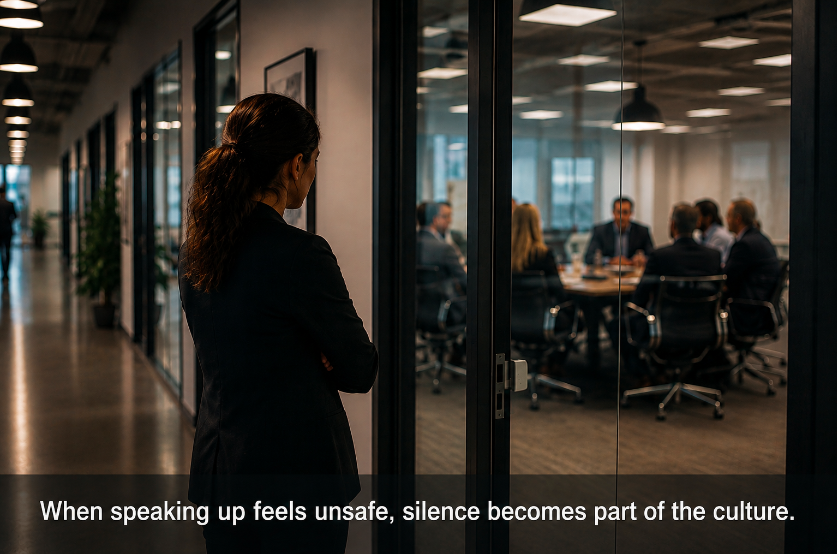
What Your Executives Believe About Your Culture and What Your Employees Actually Live
Leadership sees one company. Employees live in a different one. The Culture Signal Check measures the gap between executive perception and employee reality across 25 questions and three groups. Green means alignment. Red means your best people are already looking. Built by a founder who lost his job for telling the truth in a culture that couldn't tolerate it.

Maddie Never Got to Be 26. This Is Her Legacy
Maddie would have been 26 today. Twelve birthdays without her. The Teen Signal Check she inspired has now been taken by more than 10,000 parents. 48% had their instincts confirmed. This is about silence, awareness, and the window parents have before worry becomes crisis. Three minutes tonight could change what happens next.

The Feeling I Wish I Had Trusted Before I Lost My Daughter
48% of parents who took the Teen Signal Check discovered their teen needed more attention than they realised. 52% Green. 30% Yellow. 18% Red. Three minutes. 14 questions. Built by a father who missed the signs and spent everything he had since making sure other parents don't. Free at thementorwell.com.
Why I Built a Private Community for Parents of Struggling Teens
Most parent groups start with energy and quietly die. When Something Feels Off is different. Built on Skool by a parent who lost a child and needed a safe room that didn't exist, this private community gives parents of struggling teens a place to think out loud, get informed, and stop carrying it alone. 217 parents and growing.

Why Teenagers Stop Talking to Their Parents
Most parents notice the silence before they understand it. This post breaks down why teenagers stop talking, including the small moments that close the door long before parents realize it's closed. Covers what drives teen withdrawal, what parents do that backfires, how to tell the difference between private and struggling, and what actually helps reconnect without pressure.
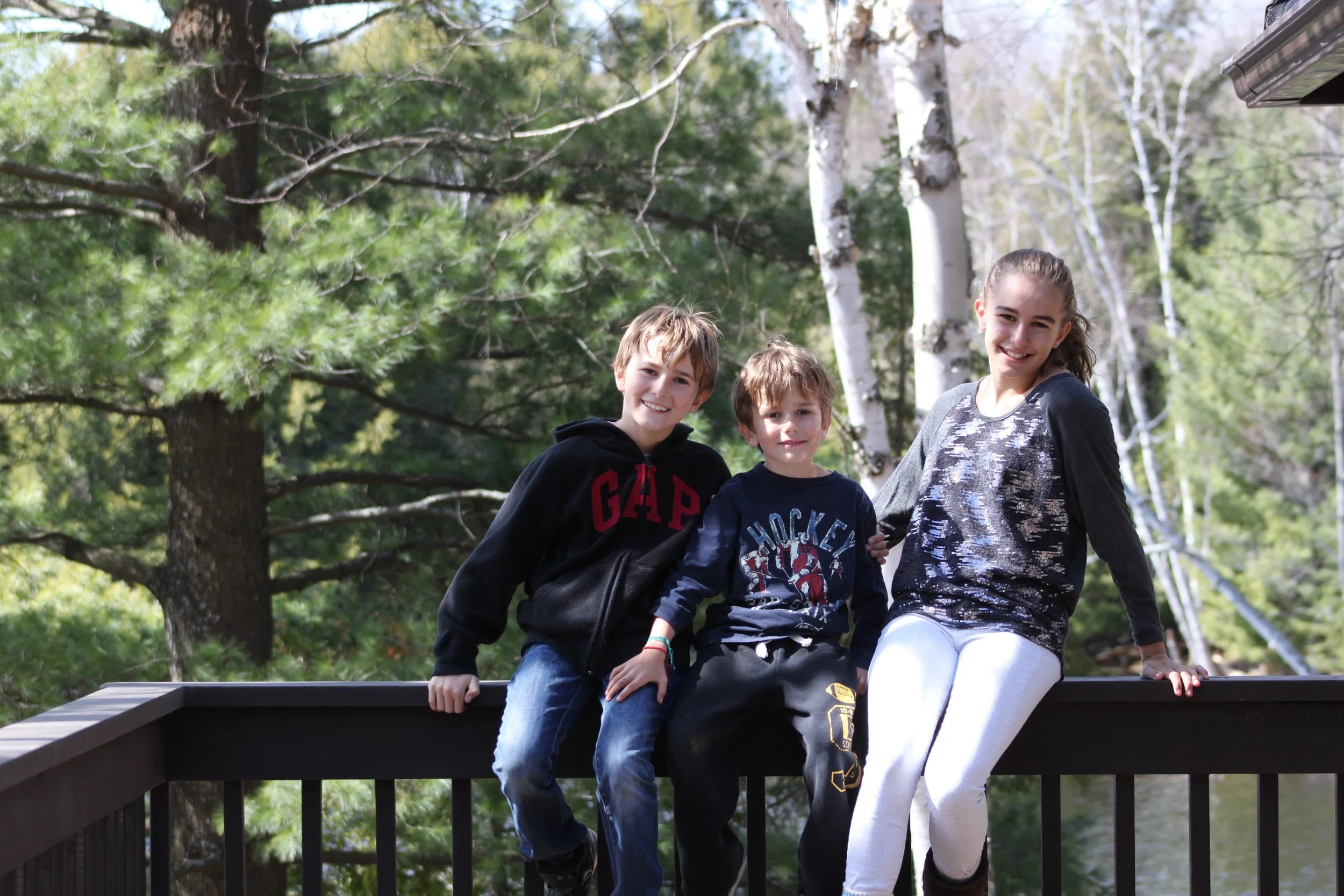
Father’s Day is My Third Hardest Day of the Year
For most people, Father's Day is a celebration. For Chris Coulter, it ranks third behind the day he lost his daughter Maddie and her birthday. A reflection on grief, fatherhood, and what it means to keep showing up.