Building a Business Around a Problem People Don't Want to Admit They Have
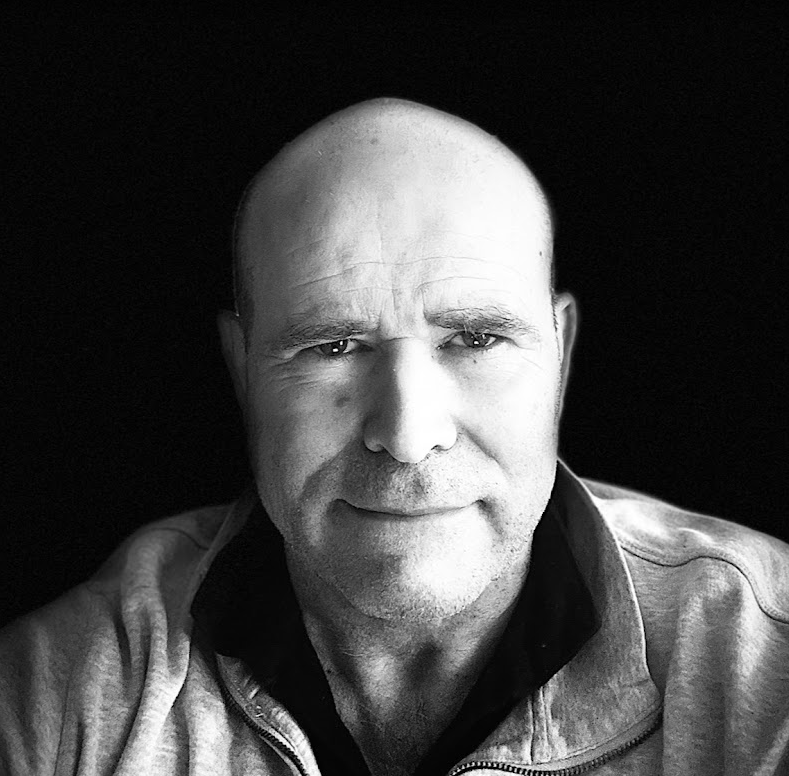
My Daughter Died. Now I'm Building What I Needed and Didn't Have
No one wants to admit they're doing a shitty job at the most important job in their life.
People tell me I'm too ruthless about my failures as a parent.
Here's the thing: Did I spend time on my phone when I should have been listening? Yes. Did I say yes to video games, then get mad when they ignored me later? Yes. Do I believe our acrimonious divorce negatively impacted my kids? Without a doubt.
My glass house has already been shattered. I'm not throwing stones from moral high ground. I'm standing in the rubble.
So when I say parents are too dismissive about things they shouldn't be, it's not because I did it perfectly. It's because I didn't. And I'm living with the cost.
Now I'm building a business for people who don't want to admit they might be making the same mistakes I did.
The Problem With the Problem
Most businesses solve acknowledged problems. People Google "project management software" because they know they need it. The customer has already done the hardest work: recognizing they have a problem.
But parenting? Admitting you're struggling means admitting you're failing at the job that defines your worth as a human being.
Not "I'm bad at sales", but "I'm failing my child." There's no resignation letter for this.
The defense mechanisms:
Comparison: "At least my kid isn't doing drugs"
Normalization: "All teens are difficult"
Delay: "It's just a phase"
Deflection: "The school should handle this"
I used every single one with Maddie. "She's just moody." "All teenagers sleep a lot." "She's fine."
I was wrong.
The business implication: Your target market is in active denial. They're not searching for solutions. They're searching for permission to keep pretending. You're not competing with other programs. You're competing with self-deception.
The Messaging Minefield
Too direct: "Is your parenting damaging your teen?"
Result: They rage-quit. Block you. Leave.
Too soft: "Tips for better family communication"
Result: They scroll past. That's for other people.
What works:
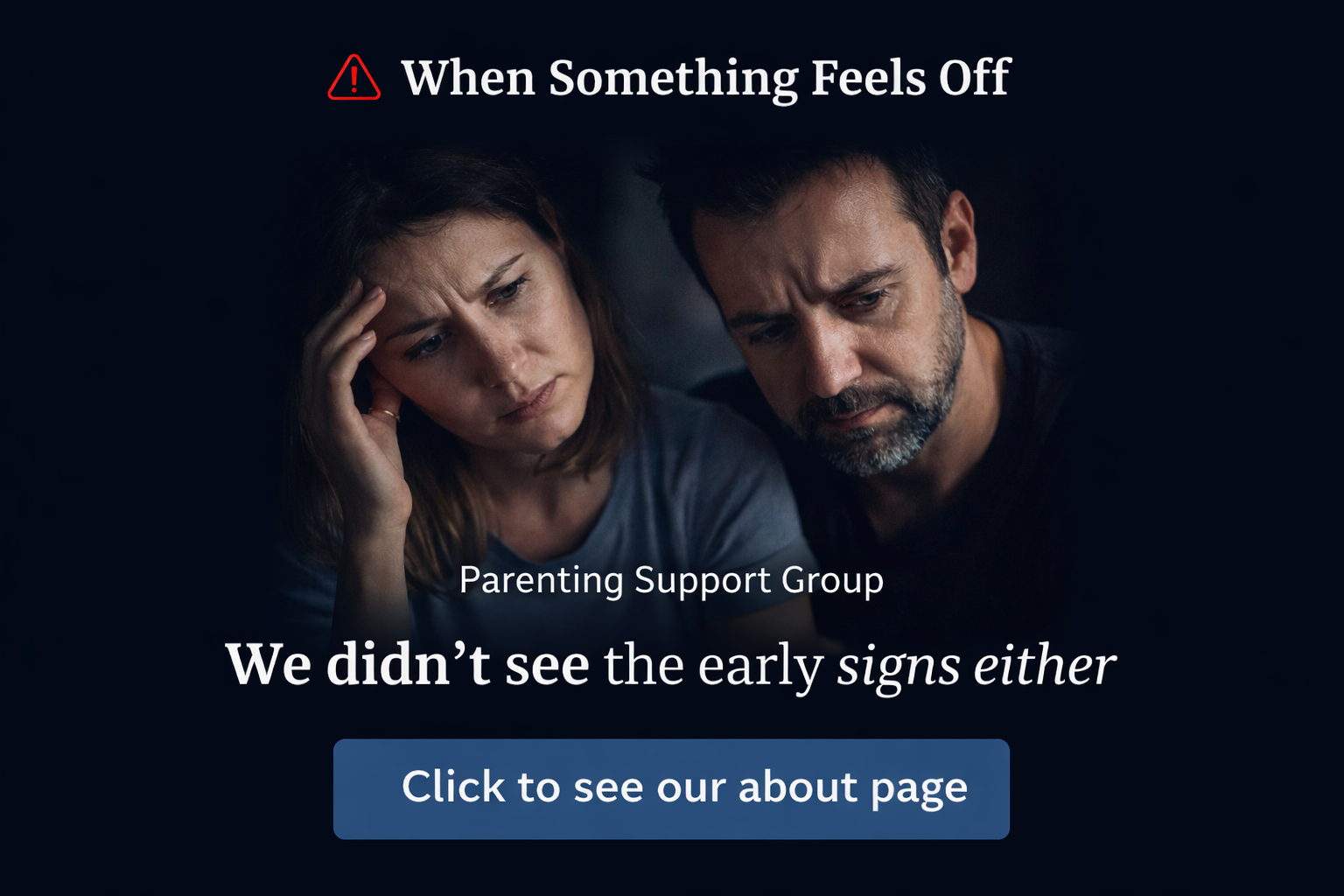
"When something feels off" — Not "Your teen is in crisis" but "You've noticed something." This was me with Maddie. I noticed. I just didn't act.
"From dismissal to awareness" — Shows a path that doesn't start with "I've been a terrible parent."
"10 Things Your Teen Won't Say Out Loud" — They read it about other people's teens. Then see their own. The article does the psychological work I can't do in an ad.
The lesson: Never say "you're doing it wrong." Always say "this is harder than anyone admits." Lead with "I missed the signs too."
Make it safe to be uncertain. Because uncertainty is better than false confidence.
False confidence kills kids.
The Distribution Problem
Your customers are hiding. They're Googling "is it normal for teenagers to sleep all day?" not "my teen might be suicidal."
I know. That's what I Googled. Every result said it was normal. I believed it because I wanted to.
Where I've found them:
1. Content disguised as information
"10 Things Your Teen Won't Say Out Loud" gets 10,000+ reads. "Is your teen in crisis?" gets ignored.
2. The business back door
Employers don't have parental ego. They have spreadsheets. "22% of working parents have a child experiencing mental health challenges. That’s 1 in 7 of your employees. It costs employers billions annually." (Deloitte UK, 2024)
CFOs approve what parents deny. B2B funds the mission.
3. The whisper network
One parent admits "we're struggling." Three others say "us too." Permission spreads peer-to-peer.
4. When denial breaks
Something happens they can't explain away. The 2 AM call. They search "teen mental health help."
You need to already be there. Because when denial breaks, there's a 48-hour window. Miss it, and they convince themselves it was nothing. A one-time occurrence. An anomaly.
The Accountability I Never Had
People ask: "Aren't you being too hard on yourself?"
No. Because the alternative is pretending I did everything right and Maddie died anyway. That's a comforting lie.
Here's what I actually did:
I was on my phone when she tried to talk. I took "I'm fine" at face value because it was easier. I noticed she was sleeping more, eating less, withdrawing. And I told myself it was just teenage stuff.
That's the brutal truth.
You can't shame parents into awareness. Shame makes them dig in deeper. But you can't let them stay comfortable in denial either.
So the business is built on this tension:
Show them your shattered glass house. Say: "I missed it. Here's how. So you don't miss it too."
Make it safe to admit imperfection by admitting your own first.
The Monetization Dilemma
I'm building a business on the worst thing that ever happened to me. Every dollar I make is because someone else's kid is struggling.
I could exploit that. Fear-based marketing. Countdown timers. "Your teen could be next."
It would work. It would make money. And it would be unforgivable.
The model:
Free: Articles, Teen Signal Check, guides. Break through denial. Where awareness happens.
Low: Parent groups ($30-100), Workshops ($79). Make help accessible. Where skills get built.
High: Employer partnerships (5-figures), mentorship programs. Organizations pay so individuals don't have to. This funds everything else.
The principle: No one gets turned away. No one gets shamed. No one gets fear-mongered.
Because using Maddie's death to manipulate people would be worse than the failure that killed her.
The Ultimate Objection
"My teen is fine."
I said this about Maddie. To friends. To family. To myself. Even when I could see she wasn't.
It's not an objection. It's a prayer. In fact, it’s hope-based logic.
"Please let my kid be okay. Please don't make me face this."
You can't argue with prayer. People tried to tell me. I had an answer for everything. Because having an answer meant I didn't have to face what I was seeing.
So what do you do?
You don't overcome the objection. You outlast it.
Make the first admission smaller: Not "Is your teen depressed?" but "Have you noticed anything that feels off?"
Normalize uncertainty: "You don't need to have it figured out to ask for help."
Be there when denial breaks. It will break. Something will happen they can't explain away.
I couldn't save Maddie. But I can be there when another parent's denial breaks. Before it's too late.
What I'm Actually Building
This isn't a startup optimizing for acquisition cost and lifetime value.
I'm optimizing for one thing: How many kids don't end up where Maddie did.
I'm building what I needed and didn't have:
Someone who'd say "sleeping 14 hours isn't normal." A place to admit "something feels wrong" without having answers. Permission to be uncertain instead of falsely confident.
Because here's what I learned:
By the time you're ready to admit your kid needs help, they've needed it for months. By the time you're scared enough to act, you're already late.
My business only succeeds if I reach parents before that moment. Before they're me. Before it's too late.
The Work
Maddie is gone. Being harder on myself won't bring her back.
But maybe being honest about what I missed will help another parent see what I didn't.
That's the business:
I'm selling awareness to people who don't want to buy it. I'm building a company around the thing no parent wants to face: You might be missing something that matters.
And I can't make you see it.
I can only stand in my shattered glass house and say: I missed it. Here's how. So you don't have to.
It's not scalable in the traditional sense. It's not optimized for conversion rates. It's not built for hockey-stick growth.
It's built for the moment when a parent finally admits: "Something feels off."
And I'm already there waiting.
Because I couldn't be there for Maddie. But I can be there for someone else's kid.
That's why I'm building this.
If you’re scared to take the Teen Signal Check, that’s exactly why you should take it.