
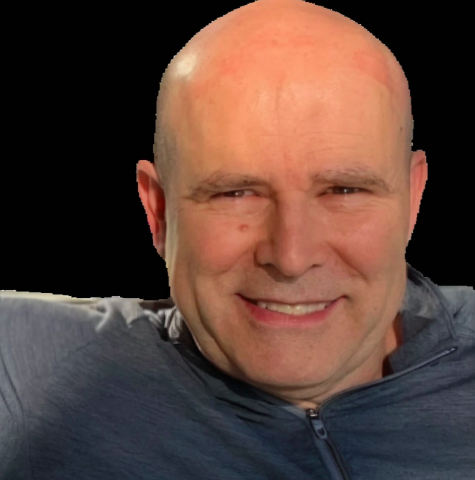
Mental Health Belongs on LinkedIn. Here Is Why Your Business Depends on It.
Someone told Chris Coulter his mental health posts don't belong on LinkedIn. He disagrees. And the research backs him up. Here is what the data says about what your employees are carrying, and what it is costing your organization.

Transforming Pain into Purpose: A Journey of Love, Loss, and Inspiring Change
Chris Coulter lost his daughter Madeline in 2015. Eight years later, he's still grieving and still building. This is the post where his pain became MentorWell's purpose, and where your quiet unease about your teen becomes worth paying attention to.
What If You Could Be the Reason Someone Chose to Live?
Most people wait for certainty before they act. By then, the window has often closed. This piece is about the small, consistent acts of connection that keep people safe — and what parents can do when something feels slightly off before it becomes something they can't ignore.
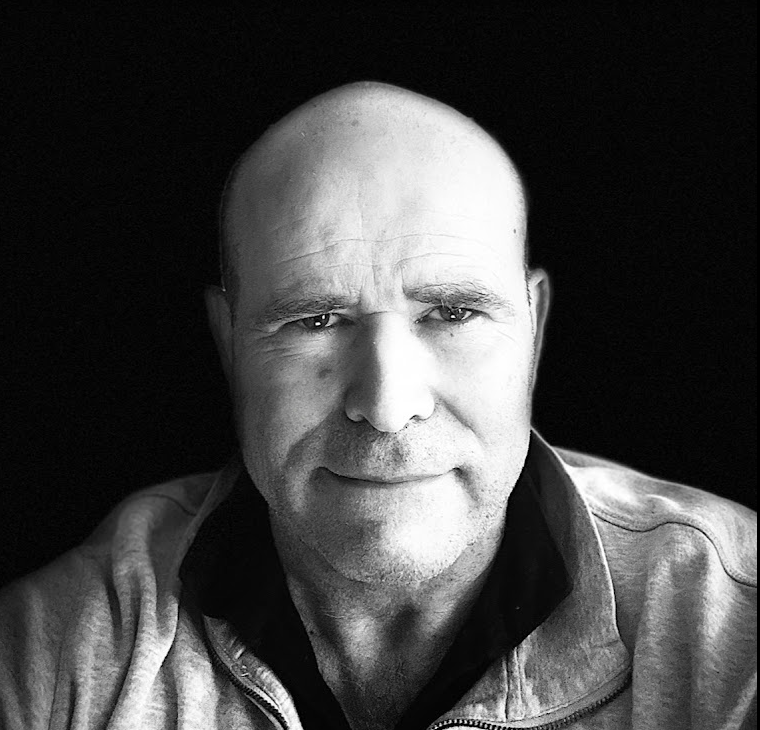

Maddie Didn't Leave a Hole. She Left a Blueprint
Five years ago Chris Coulter wrote about turning grief into purpose after losing his daughter Maddie to suicide. This is the follow-up — what purpose actually built, what grief taught him that purpose couldn't, and why he was never meant to go back to who he was before.

I Missed 14 Days of Work Last Year. My Boss Thinks I Had the Flu.
A working parent missed 14 days managing a child's mental health crisis. Their boss thought it was the flu. This is the story employers never hear — and the $421 million problem hiding in their workforce. The Inbox Diaries: real stories from parents who can't tell anyone else.
The $420,000 Problem Hiding in Your Workforce
LifeLine Parent Workshops help employers support working parents before family mental health challenges become workplace crises. This self-assessment tells HR leaders in three questions whether their organisation is ready — and what it's costing them not to act.
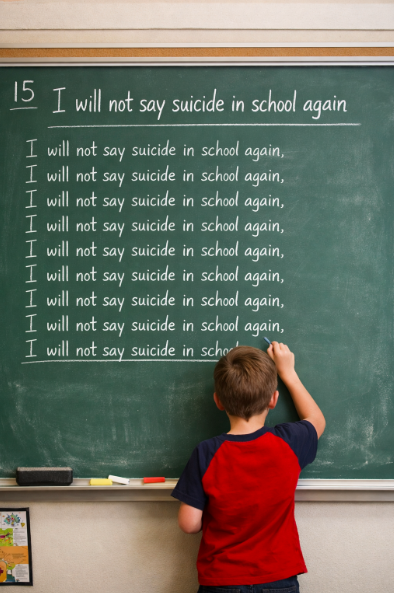
"I Will Not Say Suicide in School Again.”
Schools won't say the word — but suicide is the second leading cause of death among youth aged 15 to 24. The silence isn't protection. It's a policy choice defended by a myth. Here's what the research says, what it costs, and what needs to change before another student learns not to speak.
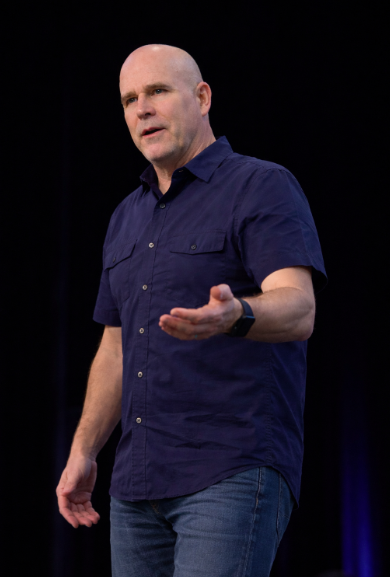
What I Learned From Delivering My First 3 LifeLine Workshops:The Crisis Hiding in Plain Sight
After delivering three LifeLine parent mental health workshops inside Canadian organizations, the patterns were impossible to ignore. Employees trusted a stranger more than their colleagues. The Teen Signal Check shocked them. And the real conversations happened privately — not in the room. Here's what HR leaders need to know about the crisis already inside their buildings.
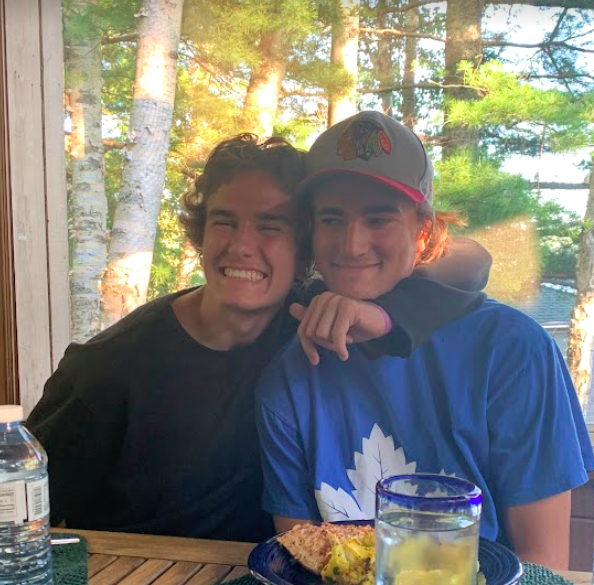
Your Teenager Isn't Pushing You Away. They're Testing Whether You'll Stay.
Your teen has gone quiet and everything you try makes the gap wider. This post isn't about fixing them — it's about not losing them while they figure out how to come back. Five concrete approaches from a father and EQ specialist, including the one most parents never think to try.
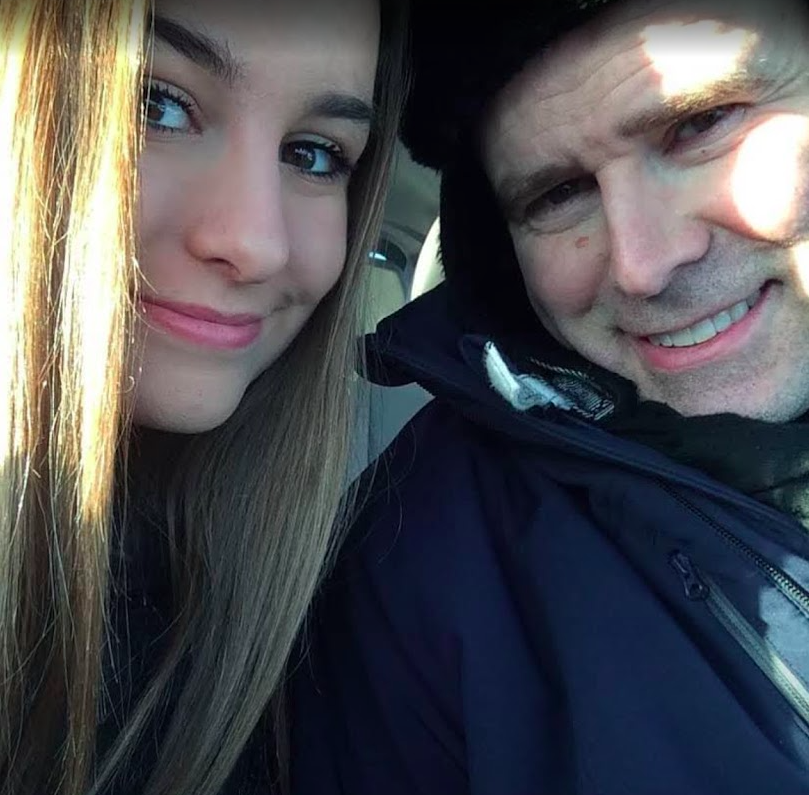
Maddie Died by Suicide 11 Years Ago, Here's What I Want Every Parent to Know
Chris Coulter lost his daughter Maddie to suicide in 2015. Eleven years later, her legacy is saving lives through The MentorWell — a parent support ecosystem built around earlier awareness, real conversations, and the belief that noticing sooner changes everything.

You're Not Alone In This. You Just Haven't Found the Right Room Yet.
A private live parent support community for families with kids ages 8–20. Whether you're already navigating something hard or want to stay ahead of it — When Something Feels Off gives you perspective, community, and a room where you leave feeling lighter than when you arrived. Free with LifeLine Home.
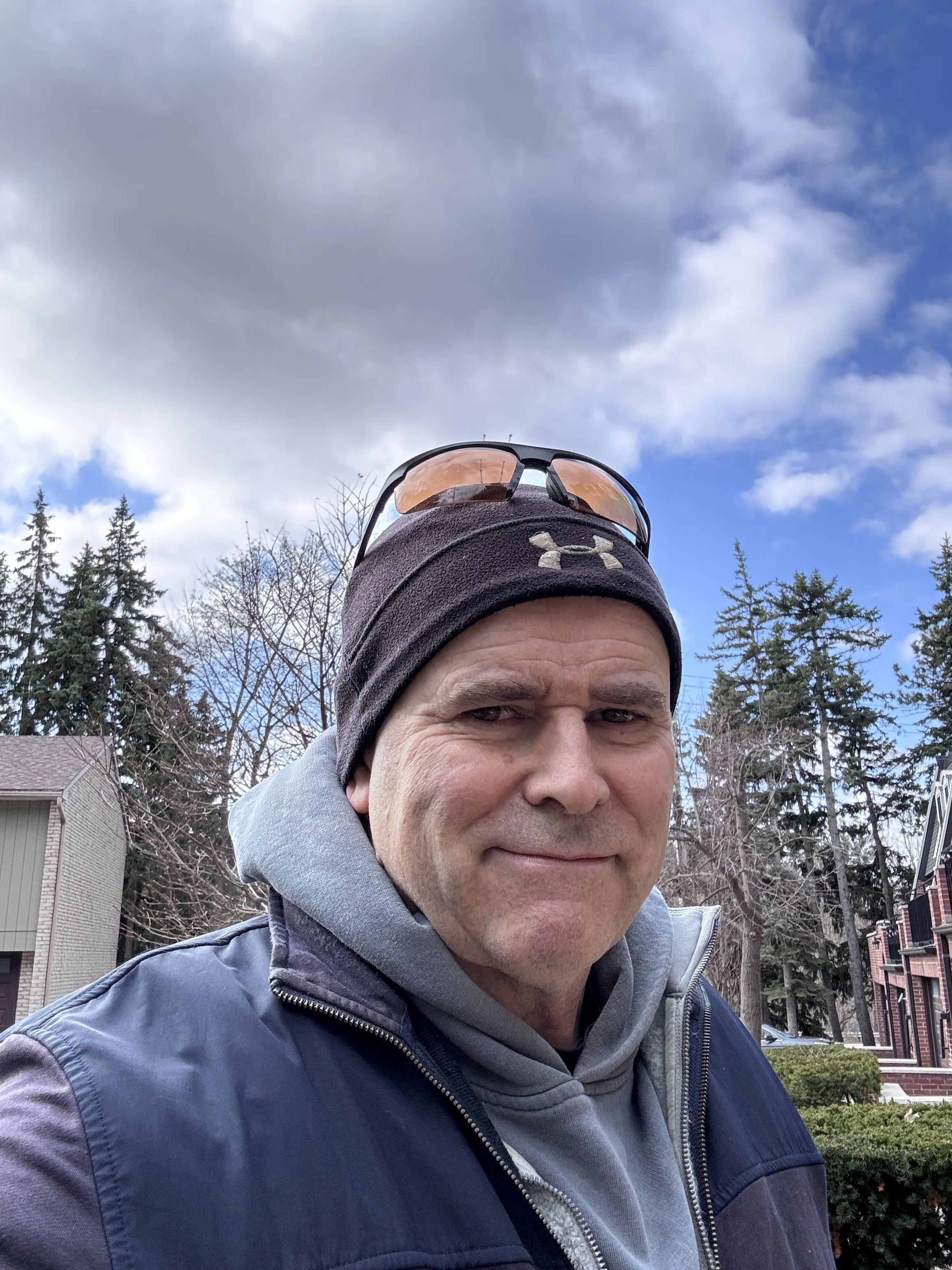
You're Not Overreacting! Here's What Over 2,000 Conversations With Parents Taught Me.
Chris Coulter has had more than 2,000 conversations with parents over ten years. Three questions come up every single time. And the signs parents are missing aren't showing up at thirteen — they're showing up at eight and nine. Here's what those questions are, and what to do with them.
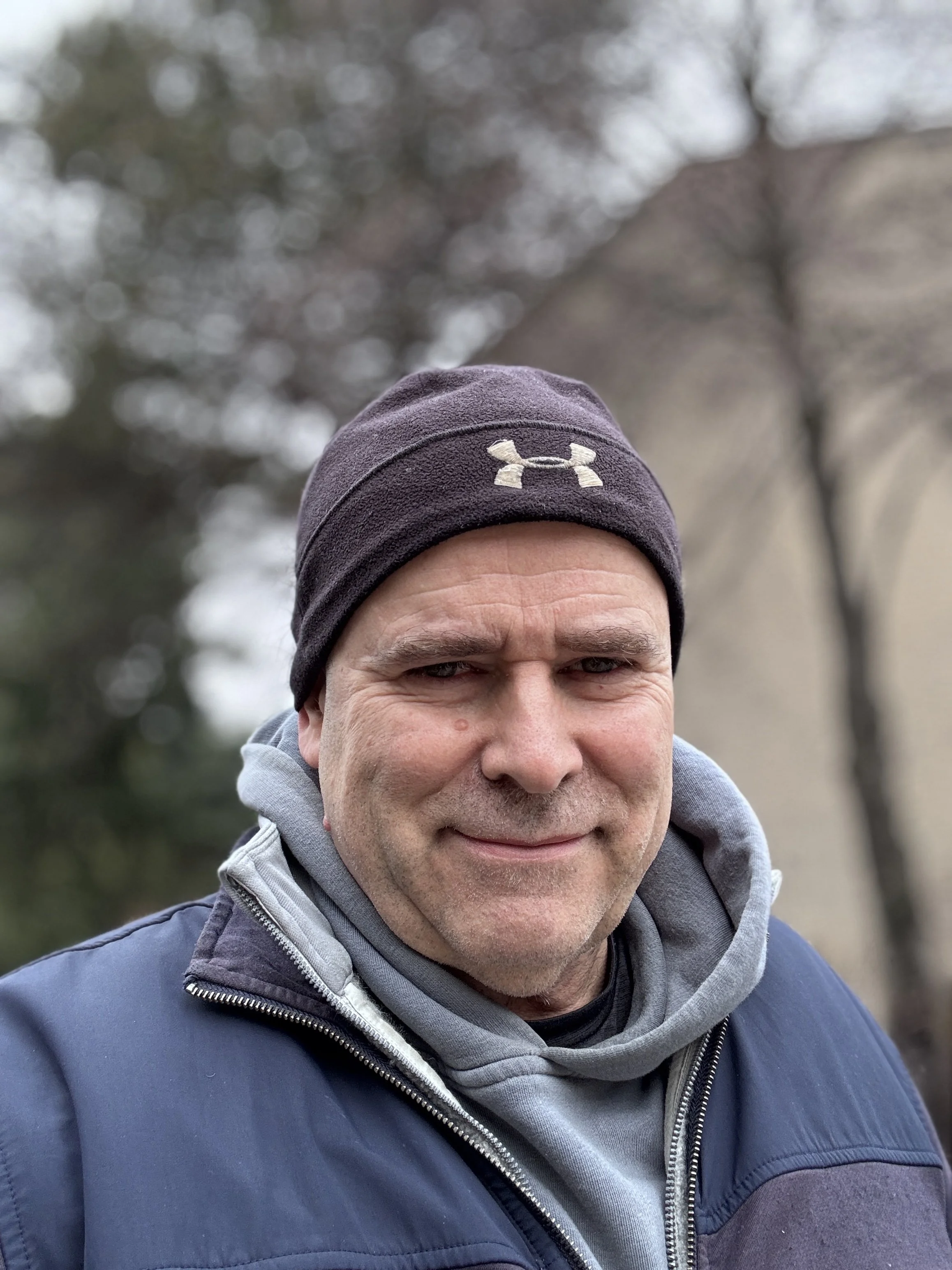
I Spent Nine Years Trying to Get Back to the Person I Was Before I Lost Maddie. Last Year I Finally Stopped.
Chris Coulter lost his daughter Maddie to suicide in 2015. For nine years he tried to recover the person he was before. Then something shifted — and Maddie came back not as a loss, but as a presence. A personal reflection on grief, purpose, and what it means to finally stop looking backward.
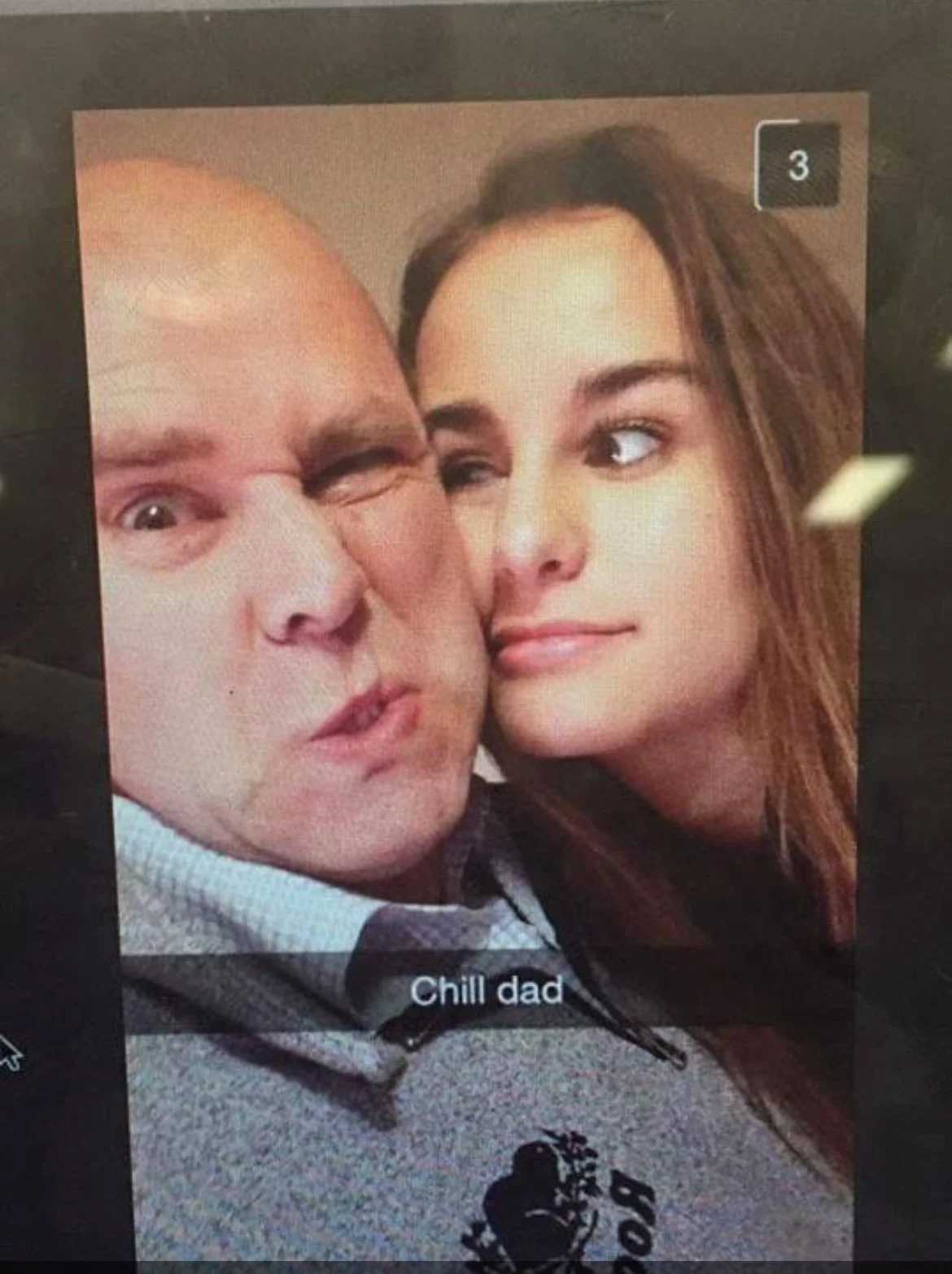
Grief Doesn't Get Smaller. You Get Larger Around It
Over ten years, parents who have lost a child find their way to Chris Coulter. They carry the same four questions. When does the pain ease. The guilt. How to honour their child. And the one nobody asks out loud. This is his honest answer to all of them. In memory of Maddie Coulter. June 28, 2000 — April 11, 2015.
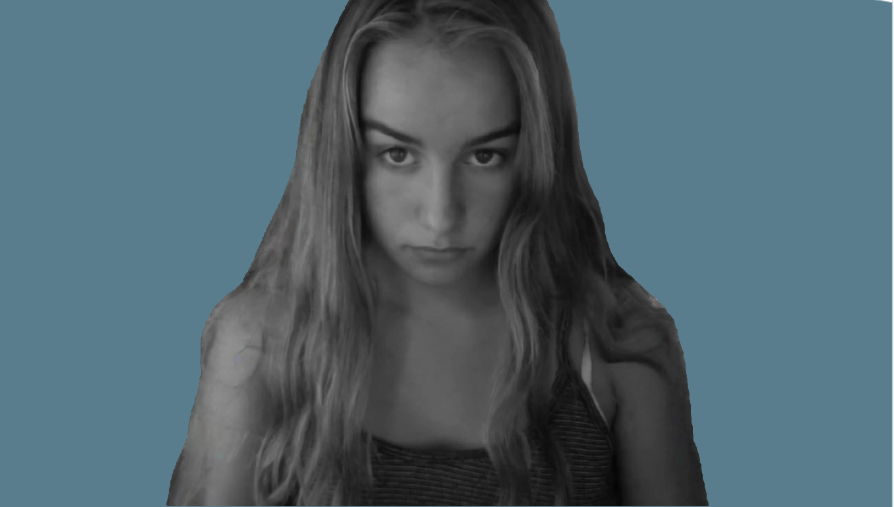
For Maddie: Why The MentorWell Exists, And How It Got Here
In 2015, Chris Coulter lost his 14-year-old daughter Maddie to suicide. What followed was ten years of listening to families, building what they told him they needed, and turning the worst moment of his life into something that protects other families before it's too late.
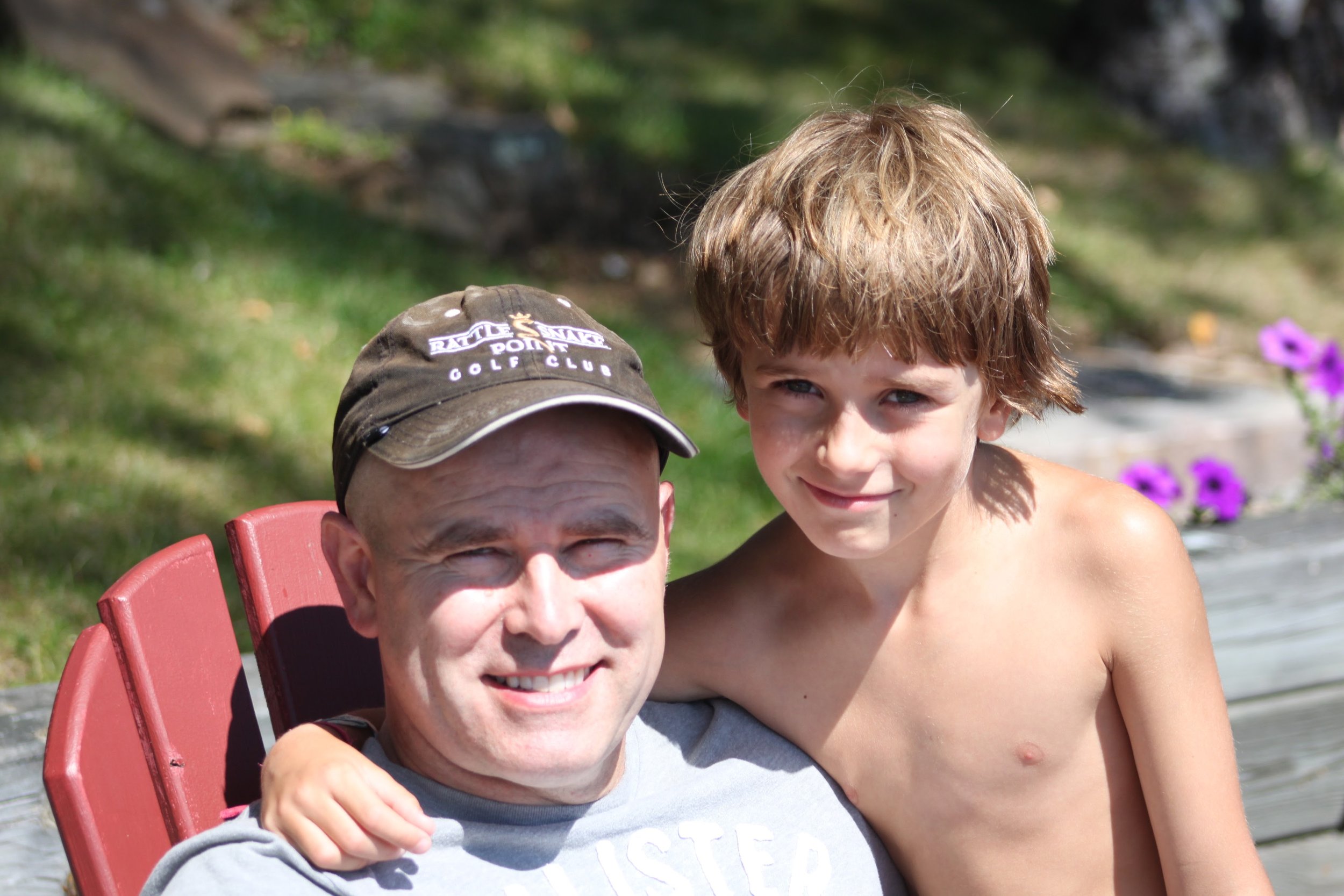
7 Physical Signs Your Neurodivergent Child Is Emotionally Overwhelmed (Before the Meltdown)
By the time the meltdown happens, the window has already closed. This post covers 7 physical signs neurodivergent kids show before they hit the wall — and what to do in that window. Written by an EQ specialist and parent of a neurodivergent child, grounded in a real conversation from our parent community.
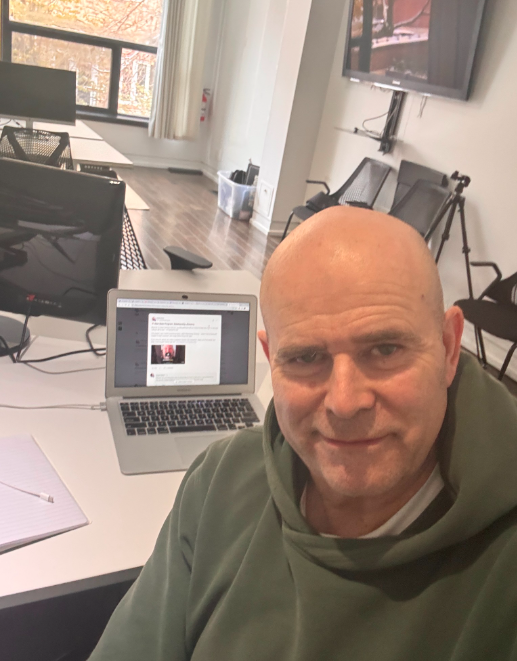
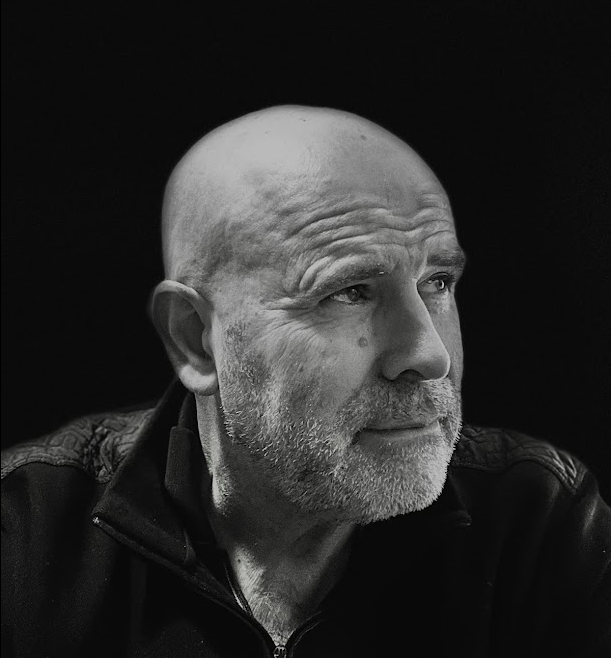
10 Questions I'd Ask Every Parent at a Dinner Party. But Probably Won't.
Ten questions I'd ask every parent if dinner parties allowed honesty. Not about grades or behaviour — about trust, silence, shame, and fear. Built from 2,000 conversations with parents in 102 countries. These aren't comfortable questions. They're the ones worth sitting with before it's too late to ask them.
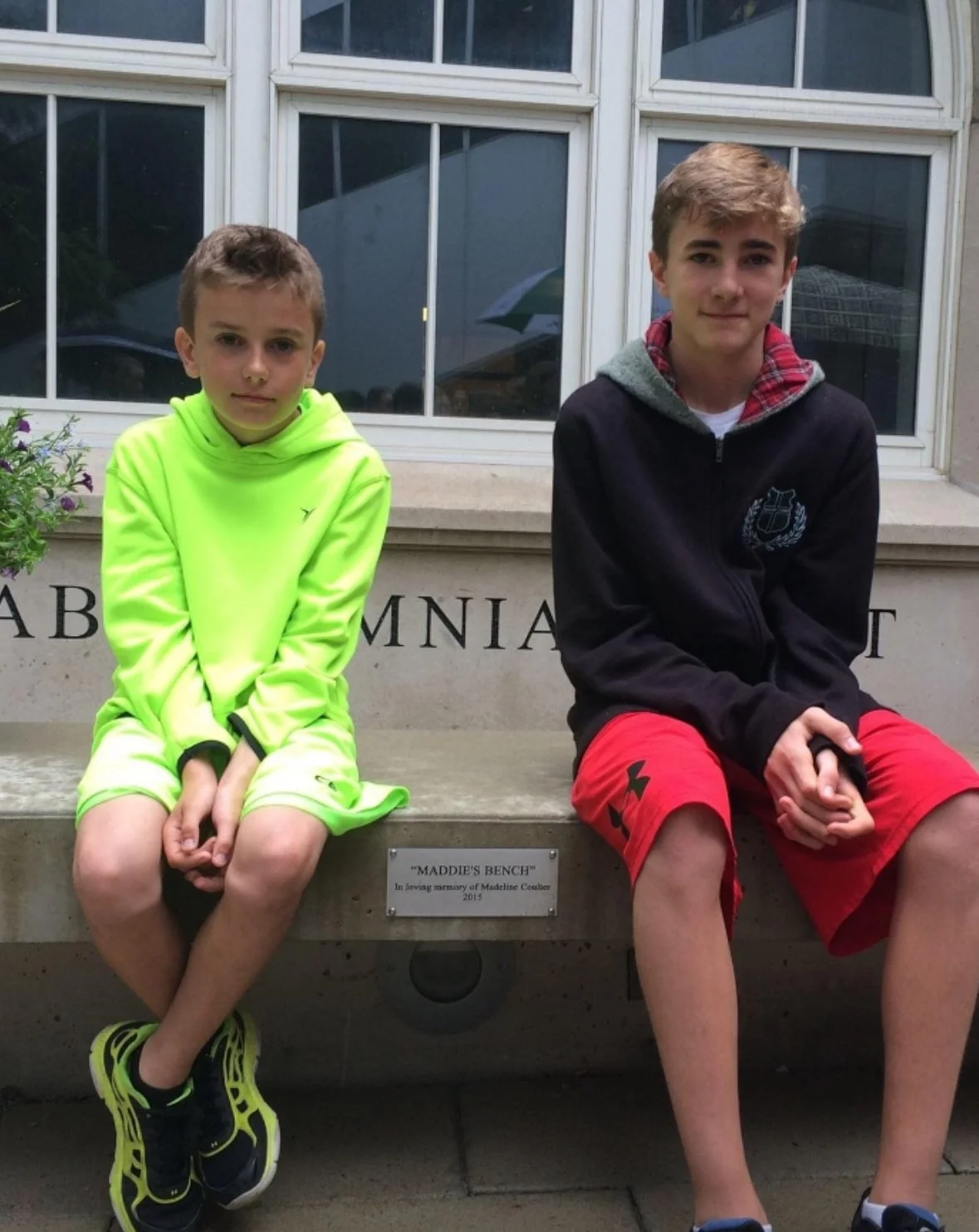
The Child Who Isn't Asking for Help Is Often the One Who Needs It Most.
When one child is in crisis, siblings often go quiet — not because they're fine, but because they've decided their pain doesn't get to take up space. Research shows 43% of siblings struggle too. This piece is for the parent who's doing everything right for one child and hasn't had a chance to look at the others.