The Question Every Parent Is Afraid to Ask
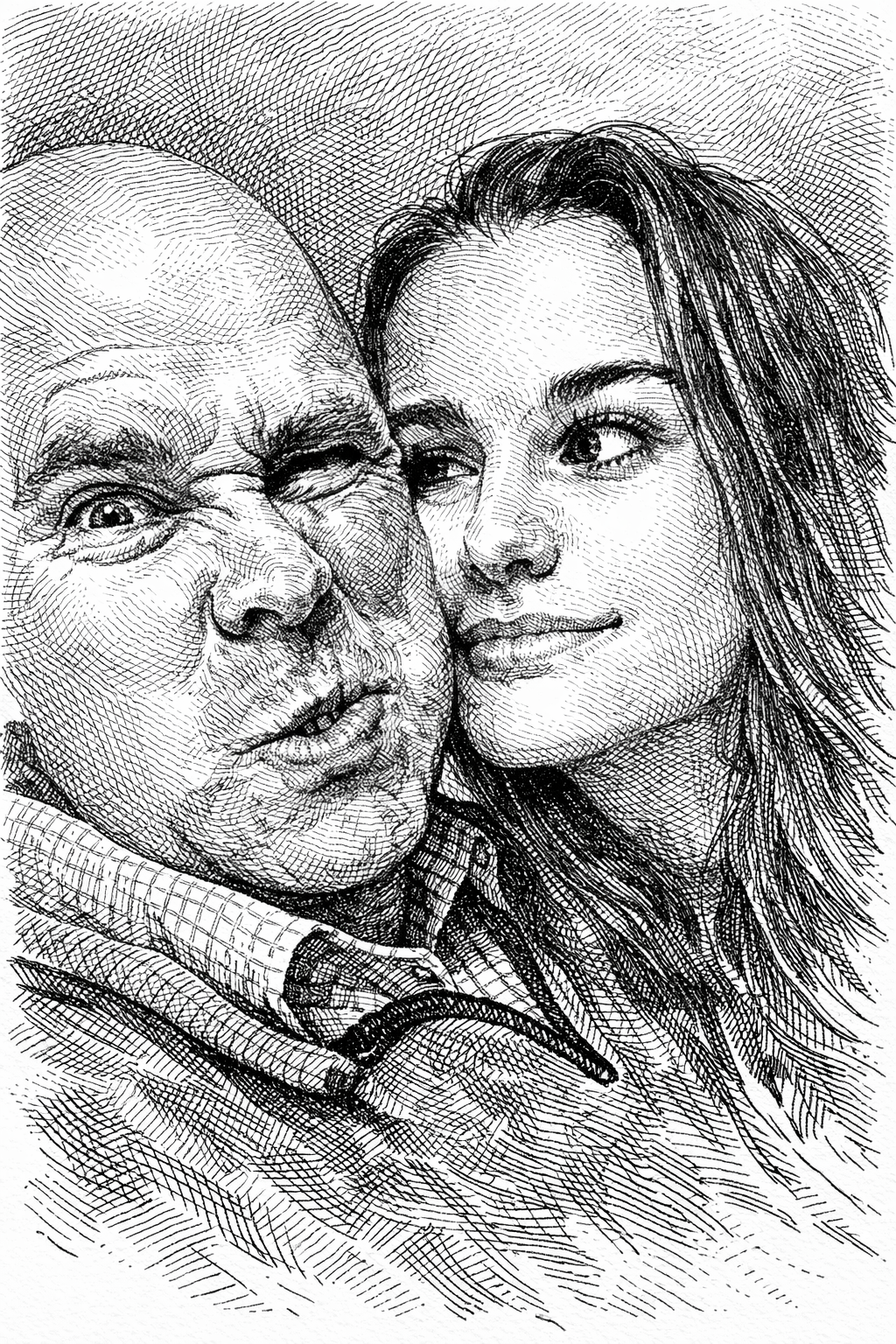
Maddie and I could always ham things up together.
But I was afraid to ask Maddie if she was thinking about hurting herself.
I thought asking would put the idea in her head. Or make her think I didn't trust her. Or push her away.
So I didn't ask.
That fear may have cost me my daughter.
Now I know: asking doesn't plant the idea. It opens the door. And if they're already thinking it, your question might be the only thing that lets them say it out loud.
What's the question you're afraid to ask your teen?
Are you okay? Are you using? Are you being hurt? Are you thinking about hurting yourself?
Fear is loud. But silence is louder.
The Myth That Kills
"Don't ask about suicide. You'll put the idea in their head."
It's not true.
The American Foundation for Suicide Prevention is clear: asking does not create or increase risk. Research shows direct questions actually reduce distress.
Suicidal ideation isn't a seed you plant. It's a weed already growing in silence.
Not asking doesn't protect them. It protects you from knowing.
It's Not Just the Suicide Question
Are you using drugs or drinking?
If they answer honestly, don't punish them. If you ground them for admitting they tried alcohol, you've guaranteed they'll never tell you another vulnerable thing again.
Say instead: "Thank you for telling me. I'm not happy about it, but I'm really glad you were honest."
Consequences teach. Punishment shames.
Are you hurting yourself?
You're afraid of seeing the scars. So you don't ask. And they hide it.
Asking shows you can handle the truth.
Are you being pressured? Has anyone hurt you?
You don't ask because it's uncomfortable. And they carry it alone.
Asking shows you're a safe place to land.
Do you have friends you can actually talk to?
You're afraid of the answer. So the isolation deepens.
Loneliness named is loneliness shared.
Are you depressed? Anxious? Overwhelmed?
By the time they ask for help, it's crisis.
Asking isn't diagnosing. It's checking in.
Why We Avoid the Hard Questions
As parents, we avoid the questions we dread. The unimaginable. Your worst fear realized.
Think about the alternative for a second.
Yeah, you don't want to be me either.
We're afraid of the answer. We're afraid of breaking the relationship. We're afraid we won't know how to help.
But your fear is not more important than their safety.
How to Ask
Ask when you're calm, not panicked.
Make space. Sit down. Turn off distractions.
Be direct. "Are you thinking about hurting yourself?" Clear questions get clear answers.
Don't fill the silence. Wait. Let them process.
Don't freak out if they say yes. Say: "Thank you for telling me. We're going to figure this out together."
Don't pepper them with questions. Keep it short. Five to ten minutes. If it turns into a lecture, they'll wonder why they told you.
Reassure them this is support, not punishment. Say: "Thank you for trusting me. I'm not happy about what's happening, but I'm so glad you told me. You're not in trouble. You're safe."
This moment determines whether they ever tell you the truth again.
Follow up. Asking once isn't enough. Ask again in a month. Keep checking in.
If you're too scared to ask out loud, write it. Text them. Leave a note.
What to Do If They Say Yes
Stay calm. Your reaction sets the tone.
Thank them. "I'm so glad you told me."
Ask: "Are you safe right now?"
Remove access to means. Lock up medications. Secure sharp objects. Remove firearms.
Don't leave them alone if risk is immediate.
Call 988 Suicide & Crisis Lifeline or Canada Suicide Prevention Service 1-833-456-4566.
Get professional help within 24 to 48 hours.
Create a safety plan together. What do they do when thoughts get loud? Who can they call? Write it down.
This isn't one-time. Keep asking. Keep checking in.
You don't have to fix this alone. You just have to not ignore it.
The Cost of Silence
I didn't ask Maddie if she was thinking about suicide.
I was afraid. My fear felt reasonable.
But fear isn't wisdom. Silence isn't protection.
If I could go back, I'd ask. Badly, awkwardly, with a shaking voice.
But I'd ask.
Because the worst-case scenario isn't that she'd have been upset.
The worst-case scenario is what actually happened.
You're afraid. I get it.
But ask anyway.
Ask because they might say no and you'll have opened a door for later.
Ask because they might say yes and you'll finally know.
Ask because silence is the loudest thing in the room when someone you love is gone.
Fear is loud. But silence is louder.
Ask the question.
Resources
Join "When Something Feels Off" Parent Support Group:
Need help now? 988 Suicide & Crisis Lifeline (US & Canada)
Canada Suicide Prevention Service: 1-833-456-4566 Crisis Text Line: Text HOME to 686868 (Canada)
You don't have to do this alone.
Scan the QR code below or click the link, if you’re unsure what’s going on with your teen. Is it normal teenage behaviour? Is there something more to it? This isn’t a diagnosis tool, it’s an awareness tool to make you pay attention. 2 minutes. Get some clarity. #TeenSignalCheck