

I Wish Maddie Could Read the Messages I Receive
Earlier this year, someone asked Chris Coulter to stop sharing photos of his daughter Maddie. Days later, a mother told him she'd let her struggling daughter scroll through them in the car, and found someone who felt like a sister. These are the messages strangers send him every week, what they reveal about who parents tell first, and why he wishes Maddie could read them.
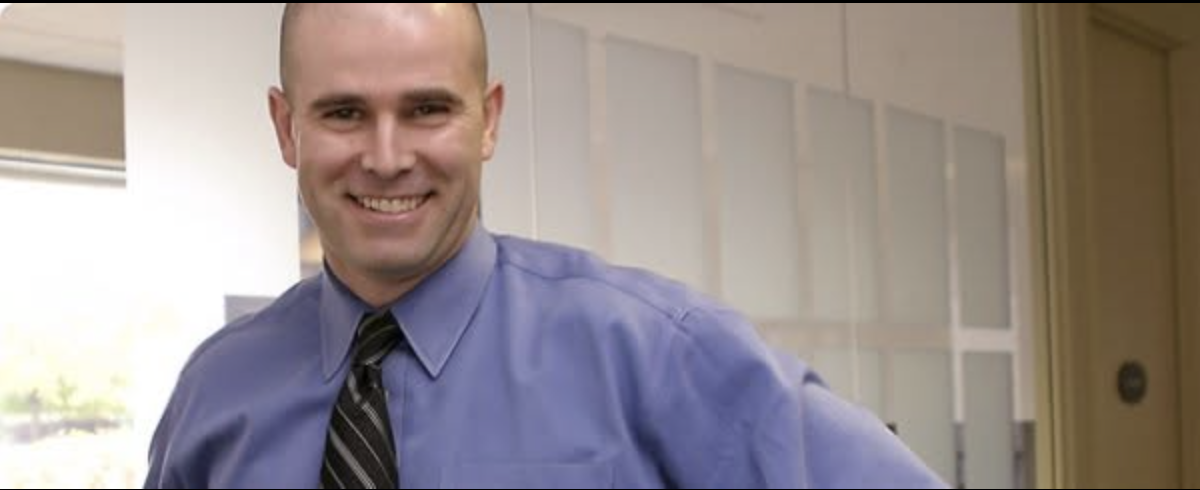
7 Things I Got Wrong About Mental Health as a Business Owner
Chris Coulter co-owned a 70-person office furniture company from 1992 to 2010. Here are seven things he got wrong about mental health at work: calling it an excuse, doubting parents with sick kids, banning remote work, saying "let us know how we can help," ignoring the EAP, pushing through his own depression, and keeping it hidden. What to say when an employee shares a personal struggle.
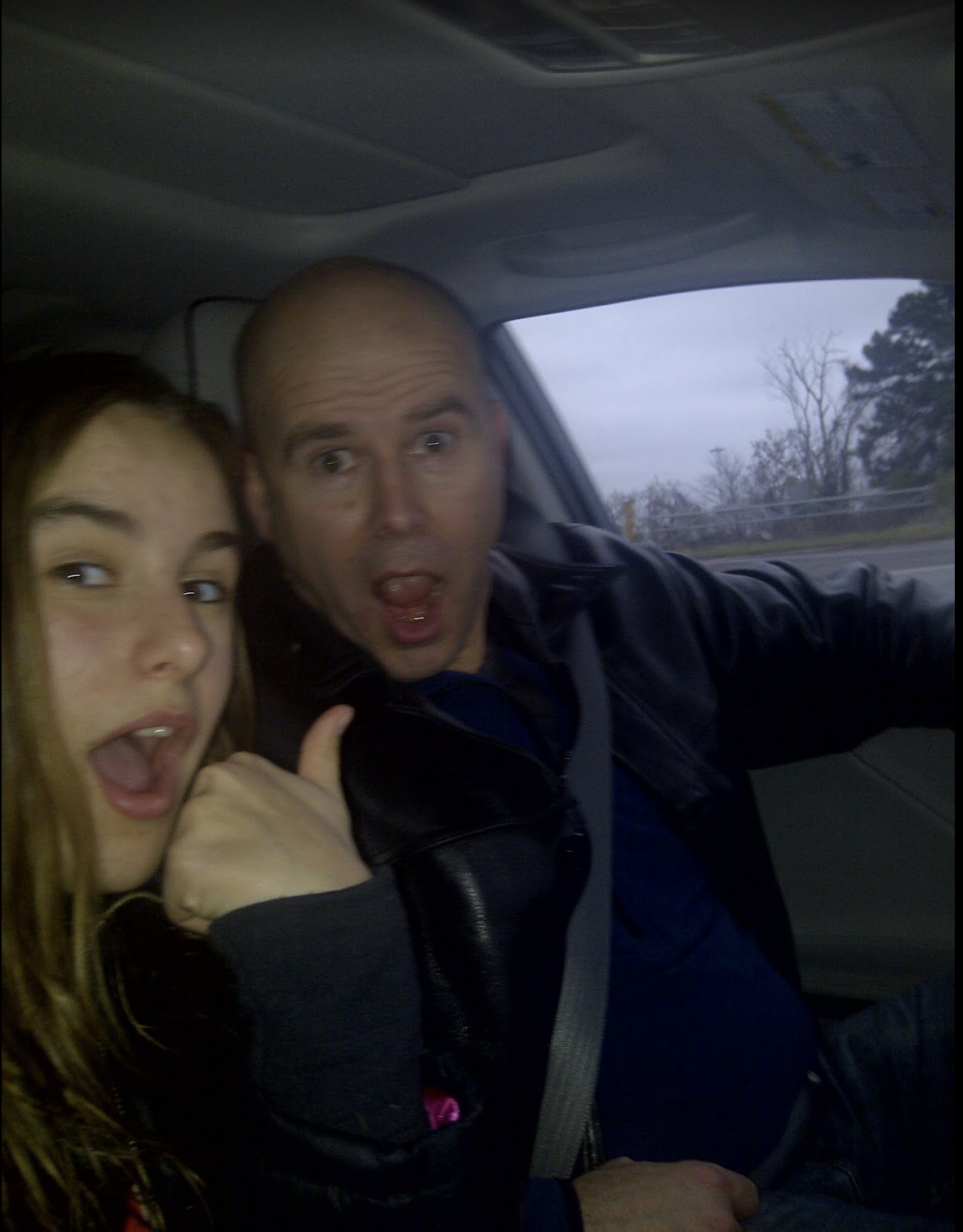
She Used to Tell Me the Number
Your teenager comes home flat. You ask what happened and they say nothing. That can be the literal truth. Chris Coulter remembers when his daughter could name what upset her: a photo that only got forty-two likes. Today the pressure arrives in small pieces a teen can't explain. Here's why hunting for the incident backfires, and a better way to talk to your teenager about mental health.

Please Don't Remember My Daughter for the Way She Died
If you know Maddie Coulter because of how she died, you know the least important thing about her. She vetted my dating profiles. She ran a One Direction fan club and had 1,500 followers in a week. She was funny and loud and right more often than I was comfortable with. This is about what happens to a person's biography after they die, and a request from her father to remember the life instead.

I’m Starting to Forget Things About My Daughter. And I Hate It.
Eleven years after losing his 14-year-old daughter Maddie, Chris Coulter is confronting another painful part of grief: memories fading. From shoes at the front door to Adele in the shower, he shares the ordinary moments he refuses to let disappear and why Maddie’s life deserves to be remembered for far more than the way it ended.

I Wrote the Warning Signs for Parents. Then I Counted 11 in Myself.
Seven signs your teenager might be struggling, read back by the man who wrote them. The adult version of that list runs to fourteen items and the first seven are the same seven. Chris Coulter on cycling that quietly stopped, four hours of sleep for years, the explanation waiting for any man in his fifties who goes quiet, and why recognizing something and admitting it applies to you are two different things.
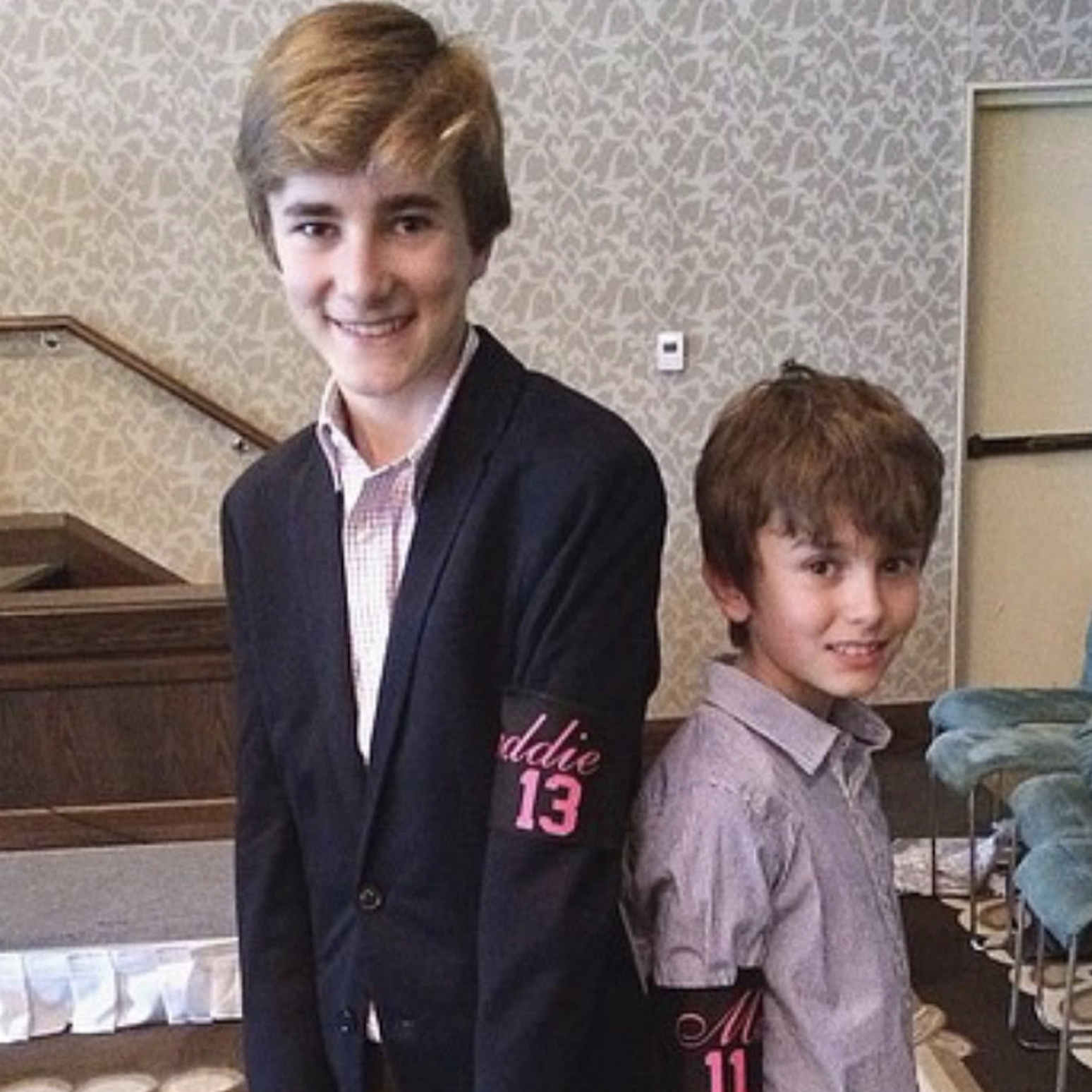
Nobody Asks How the Brothers Are
When my daughter died, her brothers were 13 and 9. Their hockey teams made black armbands with both boys' numbers on them. There was no school in that neighbourhood where they walked in as two kids nobody had heard about. This is about surviving siblings, what a grieving parent misses while they're inside their own grief, and the one thing to say to a family that has other children at home.
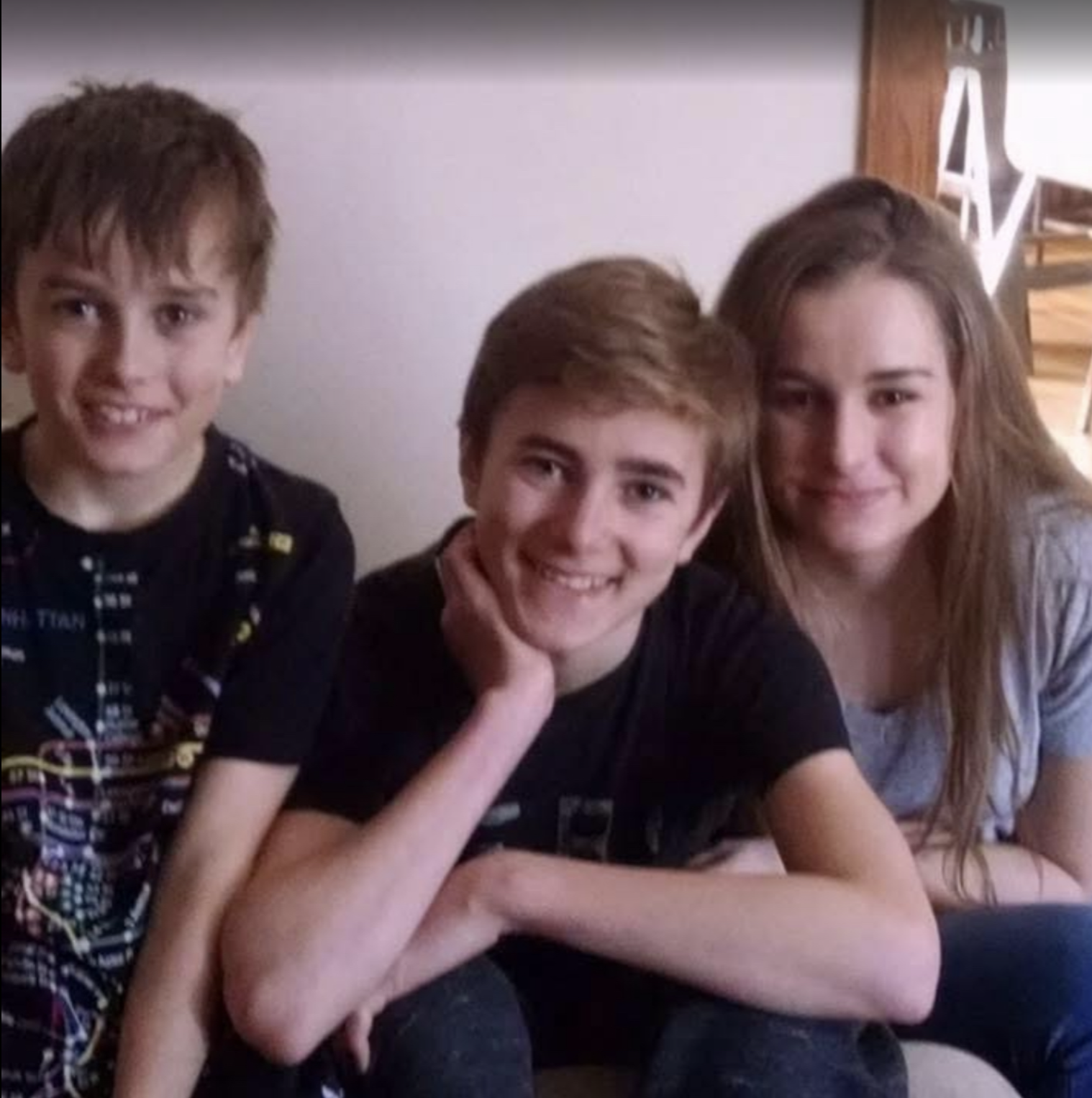
Everyone Goes Home After the Funeral. You Don’t.
The funeral director said he had never seen a line that long. Chris Coulter remembers comforting the people who came to comfort him. Then the next day arrived, the house went quiet, and grief moved in properly. On the hardest day after losing a child, why support thins out exactly when it starts to hurt, and why it is never too late to go back to a family in the quiet part.
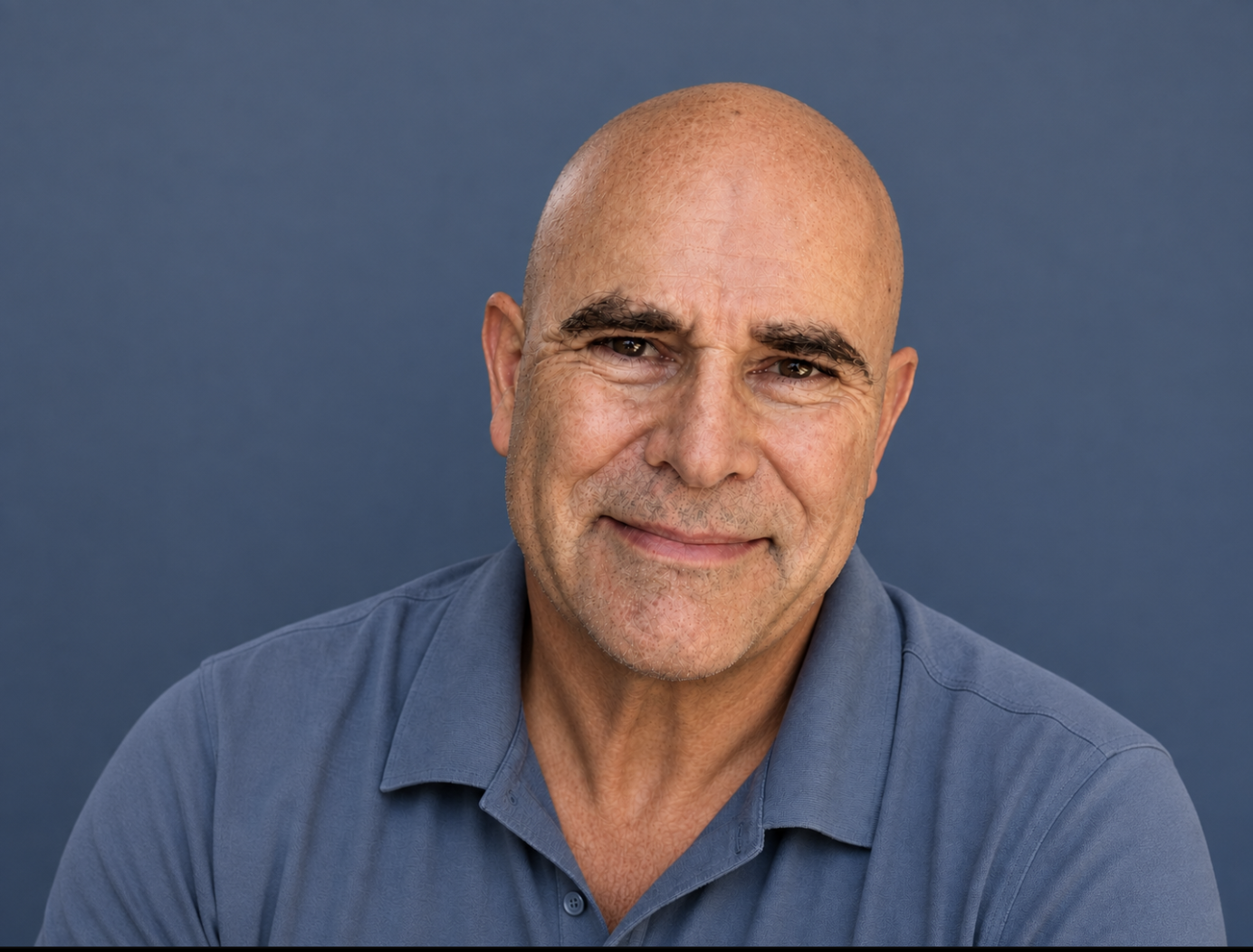
I Turn 61 Today. It Took Me 15 Years to Want Another Birthday
I stopped marking my birthday for about fifteen years. Inside a five year stretch I lost a business, then a marriage, then my daughter, and somewhere in there the desire to live. What followed was about a decade of darkness I almost didn't get out of. This is what I understand now that I couldn't have understood then, including why the understanding arrives so much later than anyone tells you.

I Picked a Day
In the spring of 2018, three years after we lost Maddie, I picked a day and told nobody. Not my therapist, not my closest friends, not the people who had already carried me through the worst thing that can happen to a family. Nothing was missing from my life. I had every person I needed. What I didn't have was any willingness to be a burden to them, and that was the dangerous part.
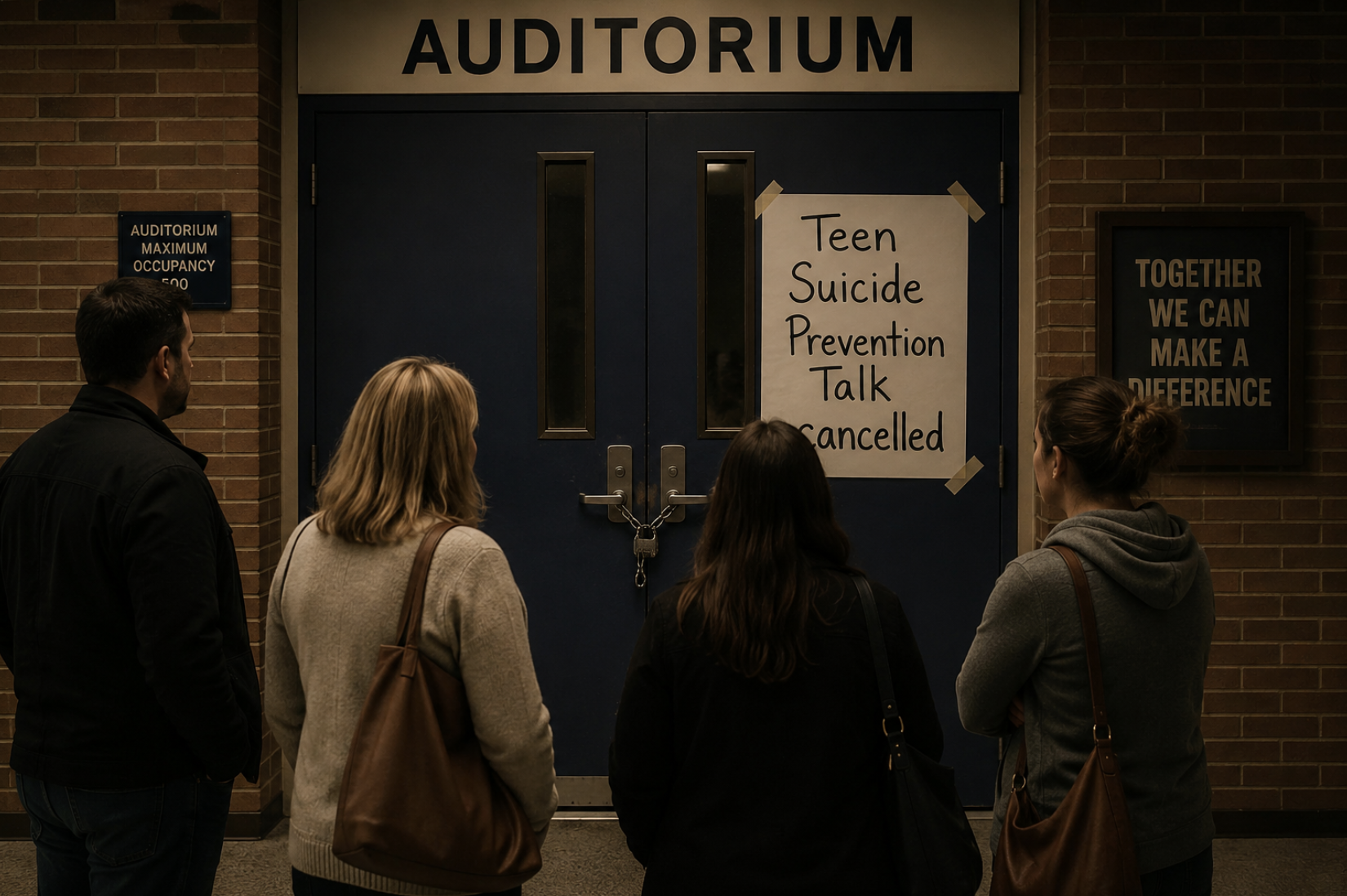
200 People Said the School Was Wrong. Four Parents Had Signed Up.
A school cancelled a talk I was giving to parents about my daughter. The post about it reached a couple of hundred thousand people and two hundred of them told me the school was wrong. Four families had registered. I spent years angry at a coordinator because it was easier than being curious about everyone who stayed home, and what kept them home was never indifference.
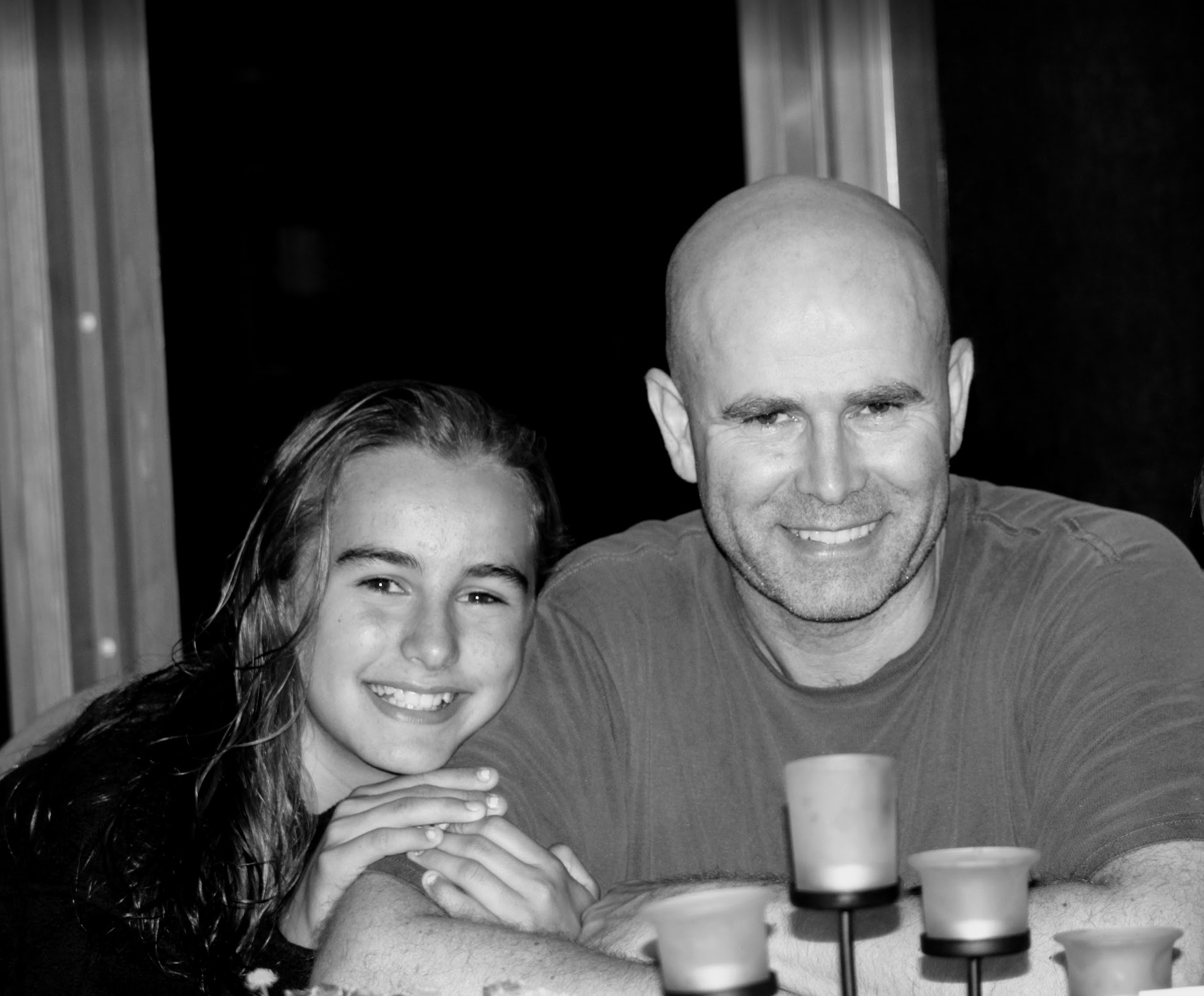
I Wrote About Depression When Maddie Was 12. I Never Asked If She Was Okay.
In October 2012 I published my first post about depression. I'd been seeing a psychiatrist for four years and took a careful inventory of my own life every few weeks. My daughter Maddie was twelve. She appears in that post once, as evidence I was doing fine. Knowing about depression and seeing it in the person across the table are two different abilities, and I confused them.

Losing Maddie Also Meant Losing Myself. Nobody Warned Me About That Part.
When Chris Coulter lost his daughter Maddie in 2015, he spent the next nine years trying to get back to the man he was before. Nobody warned him about the second loss, the one that happens underneath. This is a piece about losing yourself after losing a child, about the two selves that argue in private, and about what finally stopped the arguing after eleven years.
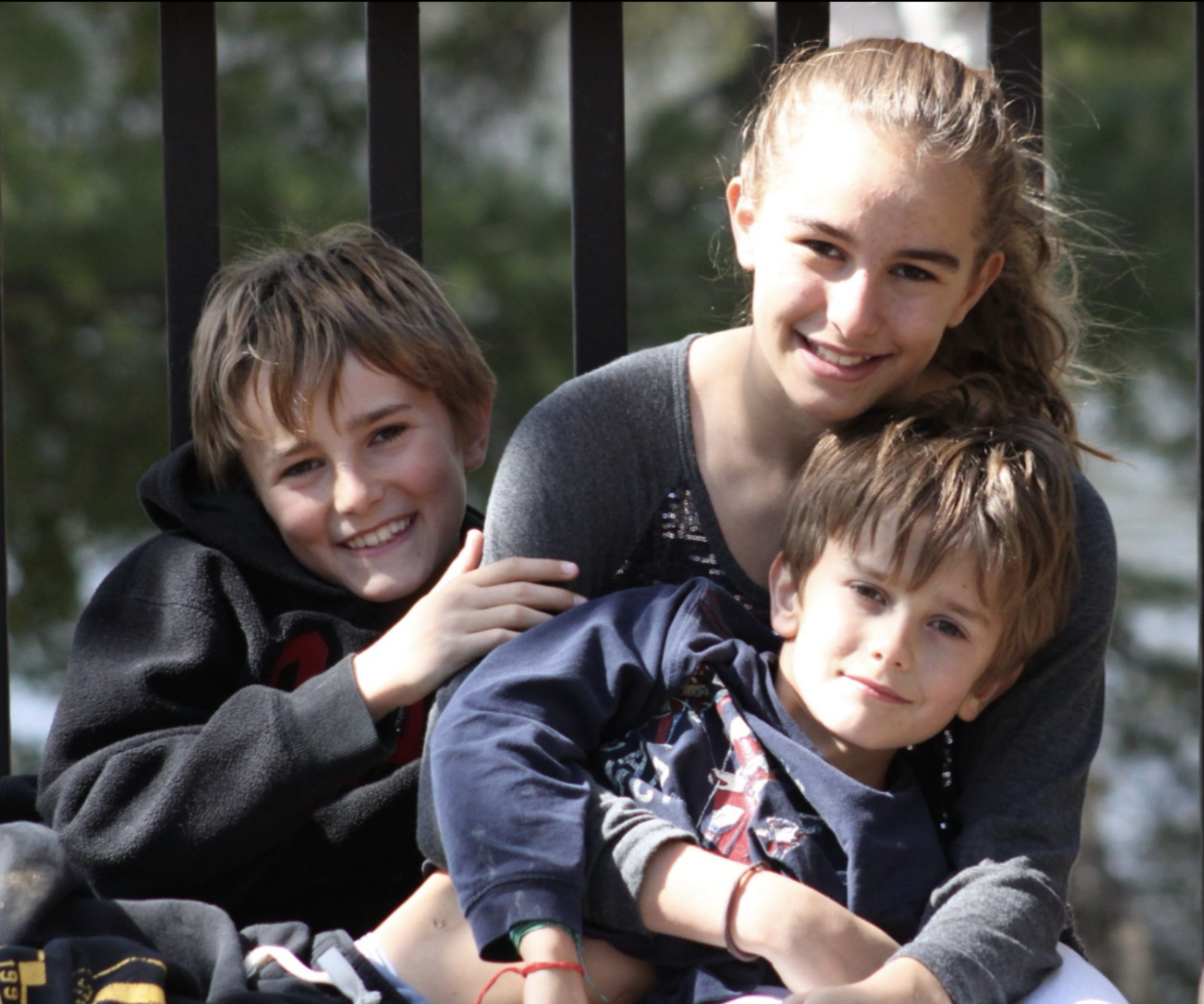
Seventeen Hours
While my daughter was in a psychiatric unit, I felt something close to safe. There was a building with staff in it. When she came home, the fear arrived properly, and my sons were in that house for every hour of it. What the reversal does to the other children, why nobody catches it, and what helps more than a big conversation. (
Why "Is Everything Okay?" Gets You Nothing
My daughter told me the truest thing she ever said while we were driving home from swim practice. Nothing about that conversation was planned, and that was the point. Sitting across a desk and asking someone to be honest puts them on a stage. Teenagers read it instantly and so do employees. This is about why the check-in fails, and where real answers actually happen.
Aren't We Talking About Mental Health Too Much?
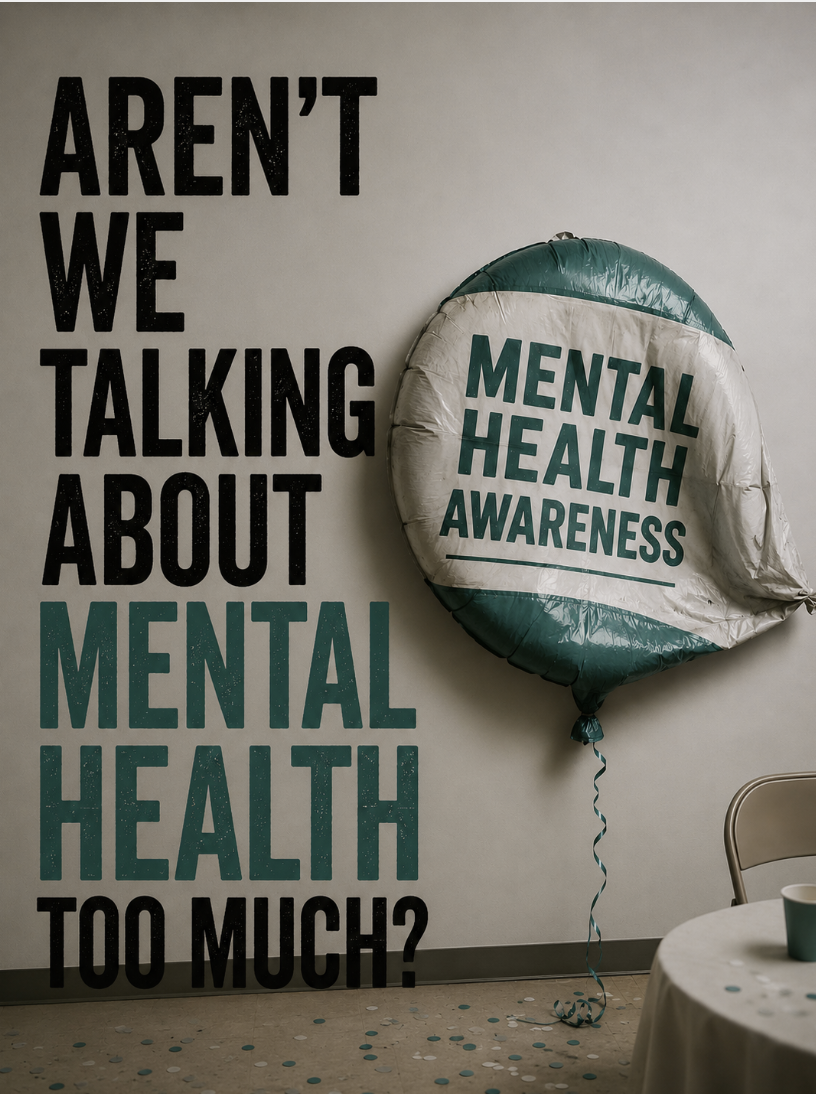
I run a mental health company, and some days I think we talk about mental health too much. Not for the reason you'd expect. The phrase itself has gone abstract. "We all have mental health" is as useful as "we're all animals," true and inert. This is about why awareness stopped working, why vague conversation feels like too much conversation, and what changes when you get specific.

You Built Your Audience on the Back of Your Daughter's Death
Someone who mattered to me said I built my audience on the back of my daughter's death. I remember it word for word. Instead of firing back, I took the accusation apart honestly. Yes, Maddie's story reaches people, and I've watched it happen. What the accusation misses is the story I refuse to tell and the families I've never charged. This is about the line between advocacy and exploitation, and who gets to decide where it sits.
Why I Still Talk About Maddie
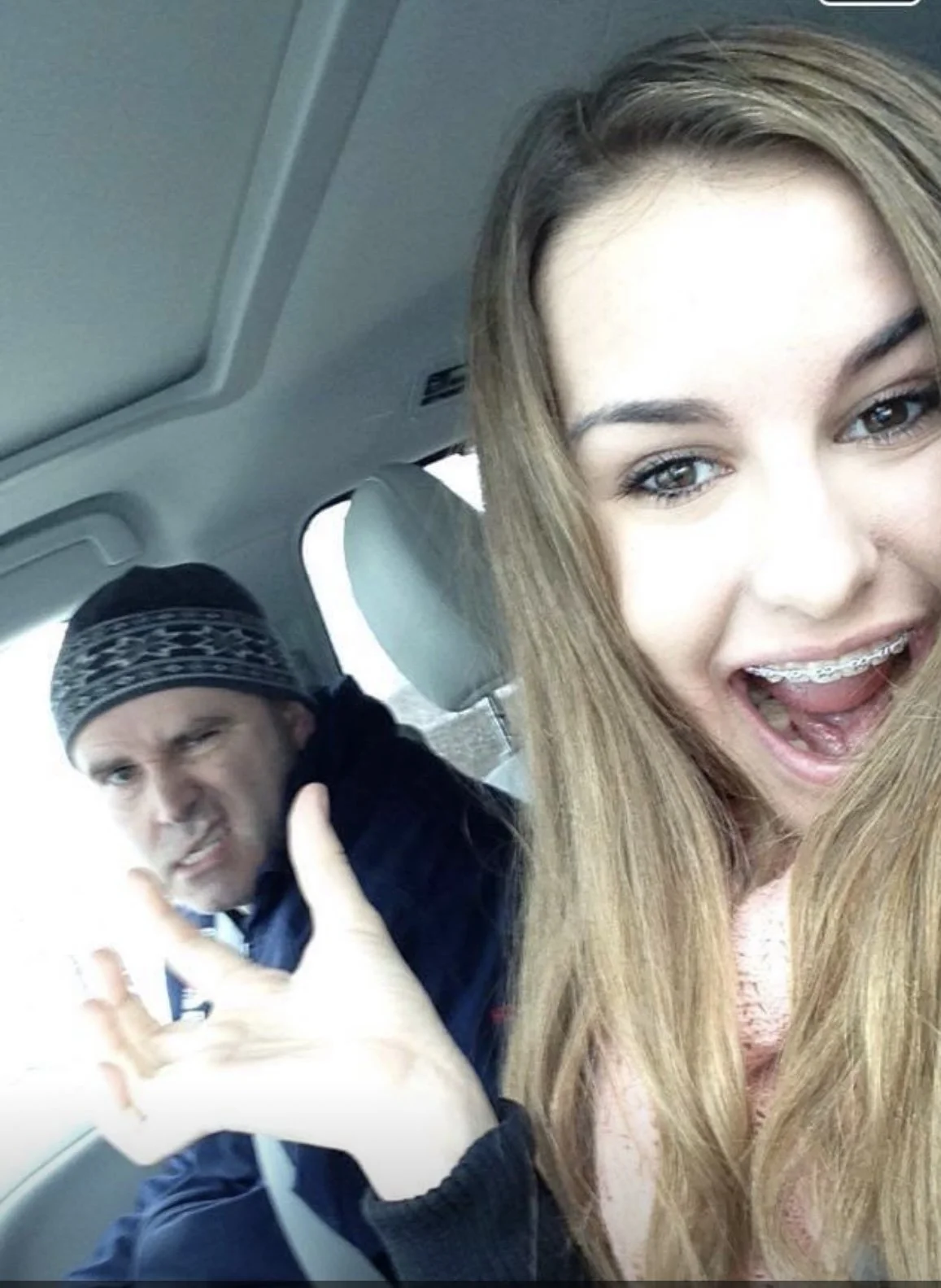
People wonder why I still talk about my daughter. She died in 2015, she was fourteen, and there's a quiet expectation that a dead child gets a shorter runway than a living one. This is my answer. It's about who Maddie actually was, the videos she left behind without meaning to, what it costs me to tell her story, and why the silence people offer out of kindness is the hardest part.

I Thought I Had ADHD. It Was Grief.
After losing his daughter, Chris Coulter watched his psychological profile become obsolete overnight. The decisive, driven results were gone. He blamed adult ADHD, his medication, early dementia, even mould in his coffee, before his doctor named the real cause. This post covers what grief does to memory, concentration and motivation, and why forgetting a passcode does not mean you are losing your mind.

The Parent No One Sees Barely Holding It Together
There is a parent in your office right now who was out at 3am looking for their kid. She smiles at the elevator. She hits her targets. Nobody knows what she is carrying. This is for that parent, and for the ones who love her but cannot help her because they don't know. A piece about the invisible weight of raising a struggling teen while showing up for a job, a team, and the rest of a family. Written from lived experience.