
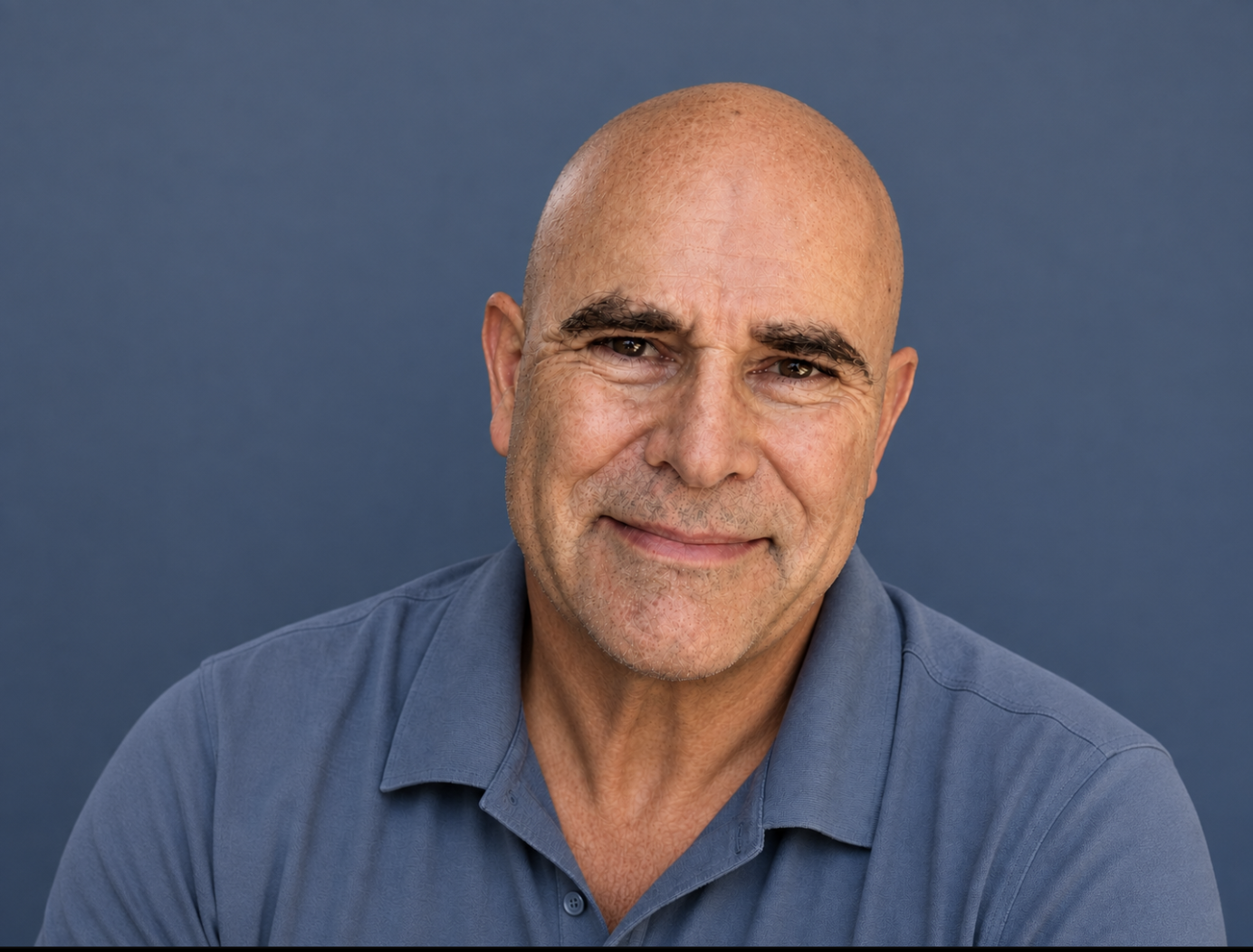
I Turn 61 Today. It Took Me 15 Years to Want Another Birthday
I stopped marking my birthday for about fifteen years. Inside a five year stretch I lost a business, then a marriage, then my daughter, and somewhere in there the desire to live. What followed was about a decade of darkness I almost didn't get out of. This is what I understand now that I couldn't have understood then, including why the understanding arrives so much later than anyone tells you.
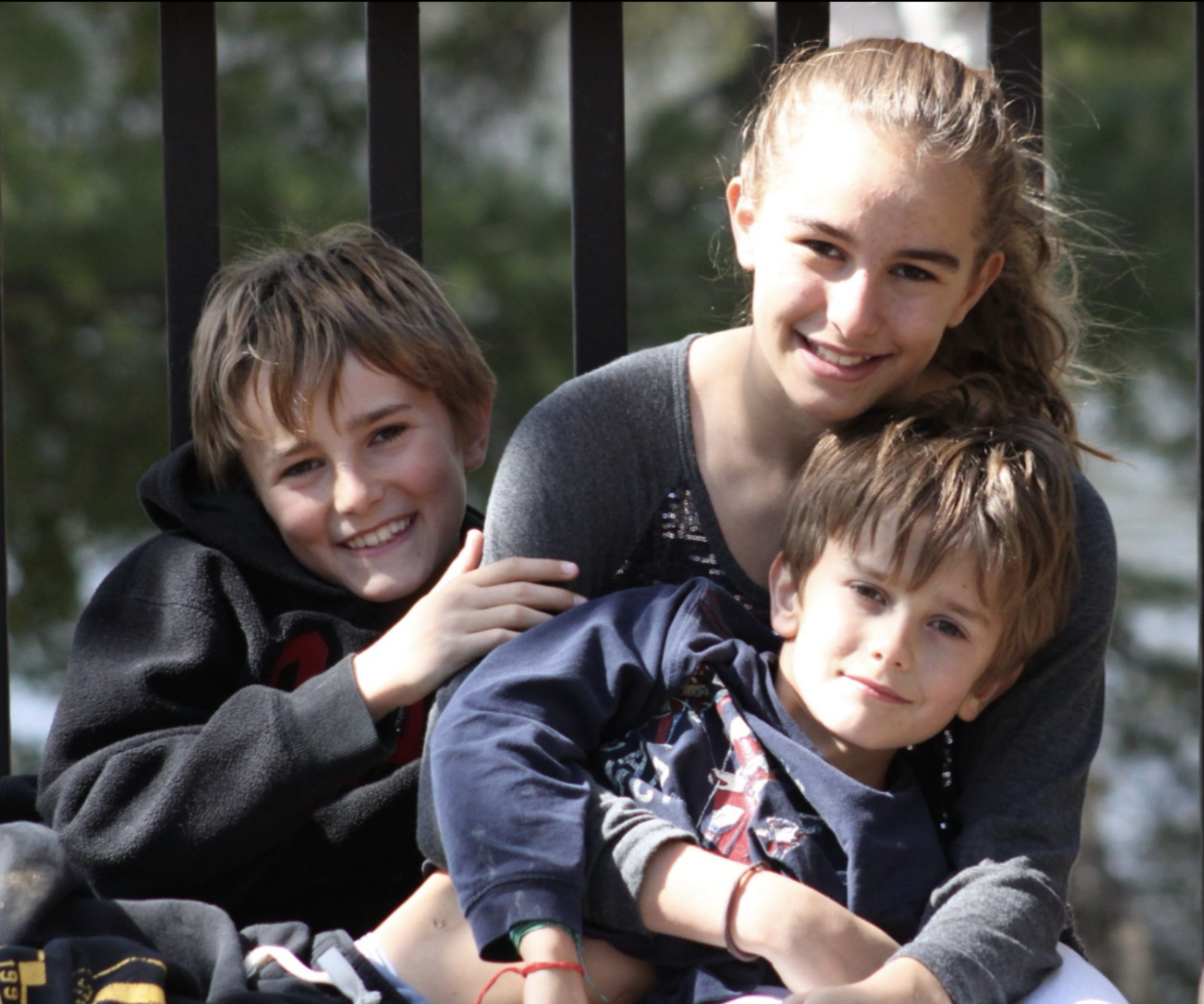
Seventeen Hours
While my daughter was in a psychiatric unit, I felt something close to safe. There was a building with staff in it. When she came home, the fear arrived properly, and my sons were in that house for every hour of it. What the reversal does to the other children, why nobody catches it, and what helps more than a big conversation. (
Why "Is Everything Okay?" Gets You Nothing
My daughter told me the truest thing she ever said while we were driving home from swim practice. Nothing about that conversation was planned, and that was the point. Sitting across a desk and asking someone to be honest puts them on a stage. Teenagers read it instantly and so do employees. This is about why the check-in fails, and where real answers actually happen.
The Dad Who is Barely Holding It Together
Father's Day is not easy for every dad. For fathers carrying worry about a struggling teenager, or grief for one they lost, this is for you. And for the employers who need to understand what their people are carrying through the door every morning.
The Signs Were There. I Just Didn't Know What I Was Looking At.
The early signs of teen struggle rarely look dramatic. Irritability. Withdrawal. Sleep changes. Loss of interest in things they used to love. Most parents see these patterns and assume it's a phase. Sometimes it is. Sometimes it's the beginning of something that needed attention weeks ago. This post helps parents notice the difference — calmly, and before the window closes.
There's a Window. And Most Parents Don't Know It's Closing.
Most parents wait too long. By the time they realise their teenager has stopped talking to them, the distance feels permanent. But there is a window before that happens. A window to listen differently. To speak less. To build the kind of trust that makes a teenager want to share things rather than hide them. This post is for parents who can still feel that window and want to know how to use it.

Most Parents Are Looking for the Right Conversation. They're Looking in the Wrong Place.
Teenagers do not open up when you sit them down and ask how they are doing. They open up when the pressure drops. The car. The kitchen. A walk. Side by side instead of face to face. This post is about why where you are when you talk matters more than what you say — and one conversation with Maddie that proved it.

What Didn’t I See?
The signs that something is wrong with your teenager are rarely obvious. They are small shifts — less talking, less laughing, a door that stays closed. Parents miss them because each one feels like a phase. This post names what early teen mental health warning signs actually look like and what to do when you notice them.

The Girl Who Helped Everyone Else
The kid who helps everyone else — the capable one, the connected one — is often the one nobody is watching. They have learned that their job is to hold things together, not to fall apart. This post names the warning signs hidden behind a helper's strength and what parents can do before it becomes a crisis.

The Inbox Diaries — Episode 8: She Already Knew What She Wanted to Hear
A parent reached out on a Sunday — desperate, she said. She had already decided what she wanted to hear before she dialled. When I didn't say it, the call ended. This episode is about the difference between reaching out for validation and being ready for clarity. They feel identical. They lead to very different places.
579 Monday Mornings
There have been 579 Monday mornings since April 11, 2015. Maybe 50 I have actually looked forward to. All of them in the last year. For parents carrying something heavy and not sure where to go with it.
The Question Parents Ask Me When the House Is Quiet
Most parents are not looking for a diagnosis. They are looking for reassurance that they are not failing their child. If you have ever felt something was off with your teenager but could not name it, you are not overthinking it. You are paying attention. That matters more than you think.

She Introduced Her Daughter to Maddie in the Car
Someone asked me to stop sharing Maddie's photos. Days later, a mother handed her phone to her teenage daughter fighting addiction — and let her scroll. What happened next is the only answer that matters. This is why Maddie's presence in this work is not grief on display. It is purpose.

Mental Health Belongs on LinkedIn. Here Is Why Your Business Depends on It.
Someone told Chris Coulter his mental health posts don't belong on LinkedIn. He disagrees. And the research backs him up. Here is what the data says about what your employees are carrying, and what it is costing your organization.

Transforming Pain into Purpose: A Journey of Love, Loss, and Inspiring Change
Chris Coulter lost his daughter Madeline in 2015. Eight years later, he's still grieving and still building. This is the post where his pain became MentorWell's purpose, and where your quiet unease about your teen becomes worth paying attention to.

What I Learned From Delivering My First 3 LifeLine Workshops:The Crisis Hiding in Plain Sight
After delivering three LifeLine parent mental health workshops inside Canadian organizations, the patterns were impossible to ignore. Employees trusted a stranger more than their colleagues. The Teen Signal Check shocked them. And the real conversations happened privately — not in the room. Here's what HR leaders need to know about the crisis already inside their buildings.
Your Teenager Isn't Pushing You Away. They're Testing Whether You'll Stay.
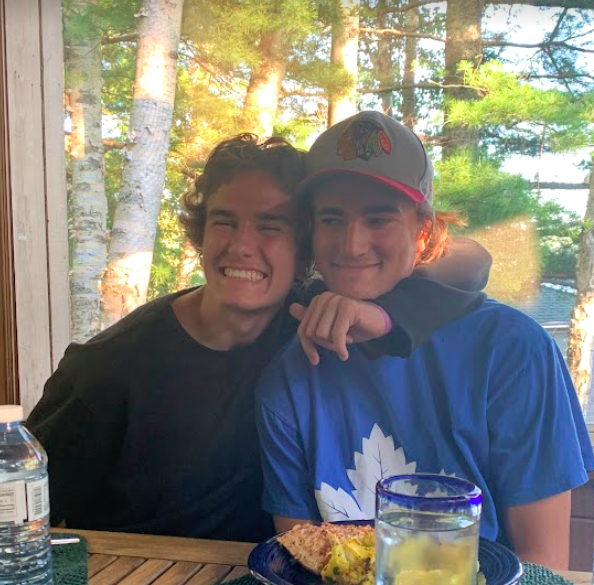
Your teen has gone quiet and everything you try makes the gap wider. This post isn't about fixing them — it's about not losing them while they figure out how to come back. Five concrete approaches from a father and EQ specialist, including the one most parents never think to try.
Grief Doesn't Get Smaller. You Get Larger Around It
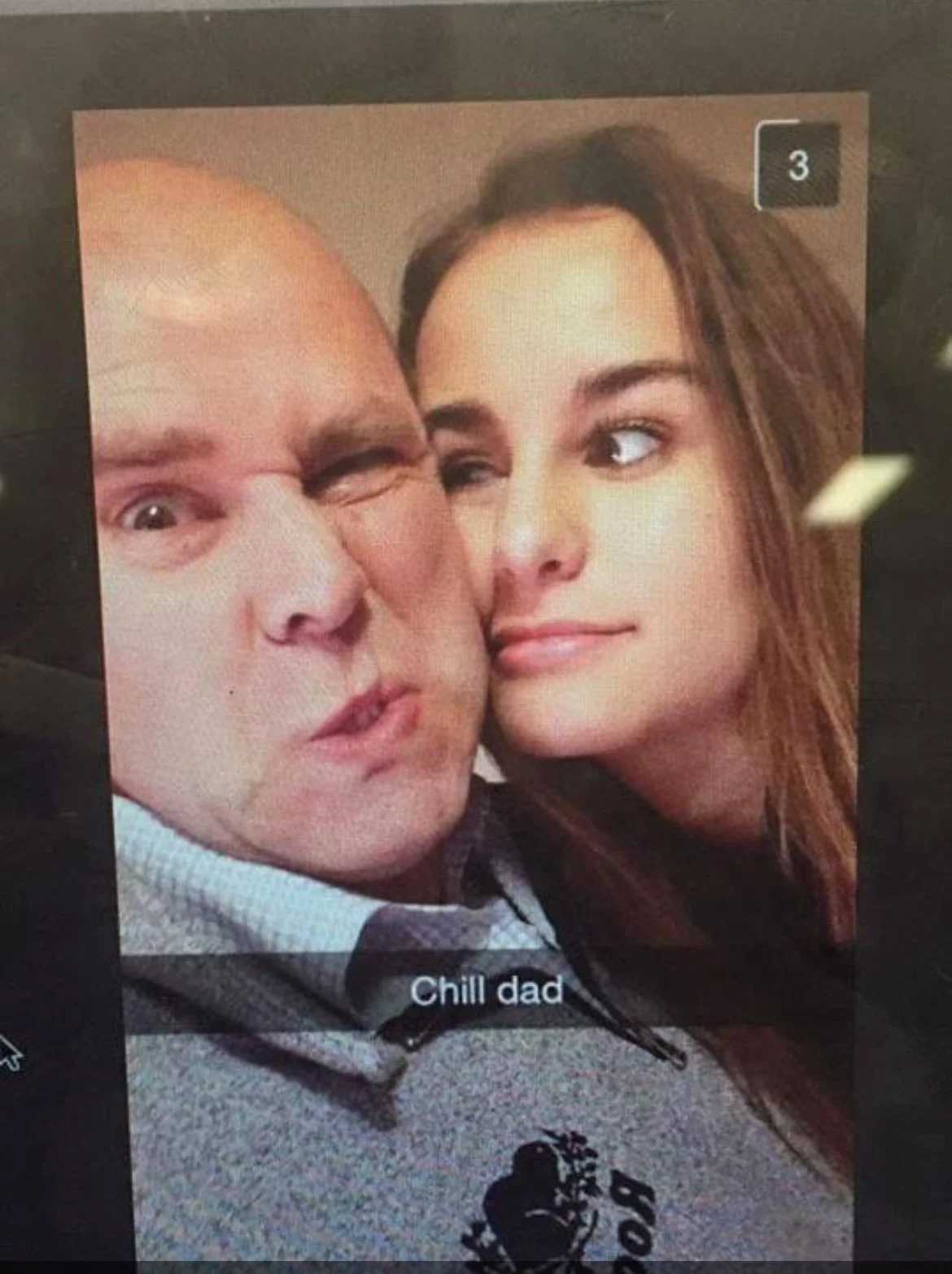
Over ten years, parents who have lost a child find their way to Chris Coulter. They carry the same four questions. When does the pain ease. The guilt. How to honour their child. And the one nobody asks out loud. This is his honest answer to all of them. In memory of Maddie Coulter. June 28, 2000 — April 11, 2015.
For Maddie: Why The MentorWell Exists, And How It Got Here
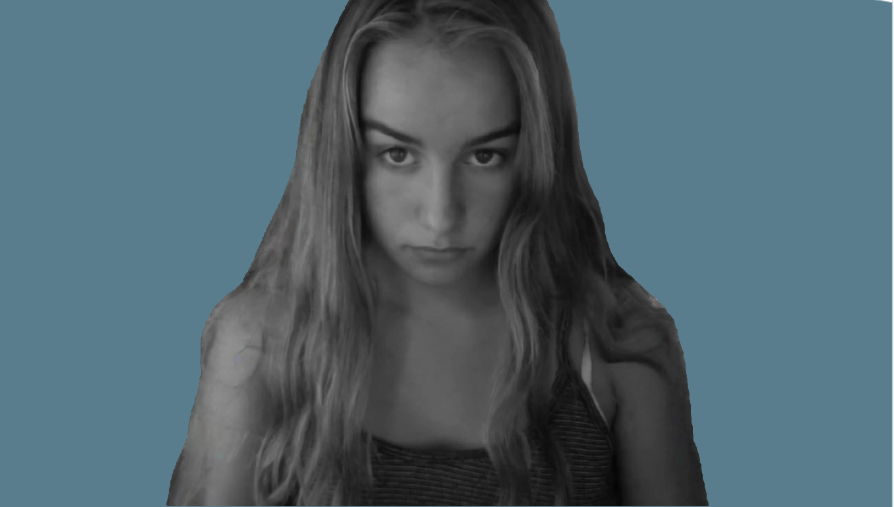
In 2015, Chris Coulter lost his 14-year-old daughter Maddie to suicide. What followed was ten years of listening to families, building what they told him they needed, and turning the worst moment of his life into something that protects other families before it's too late.
7 Physical Signs Your Neurodivergent Child Is Emotionally Overwhelmed (Before the Meltdown)
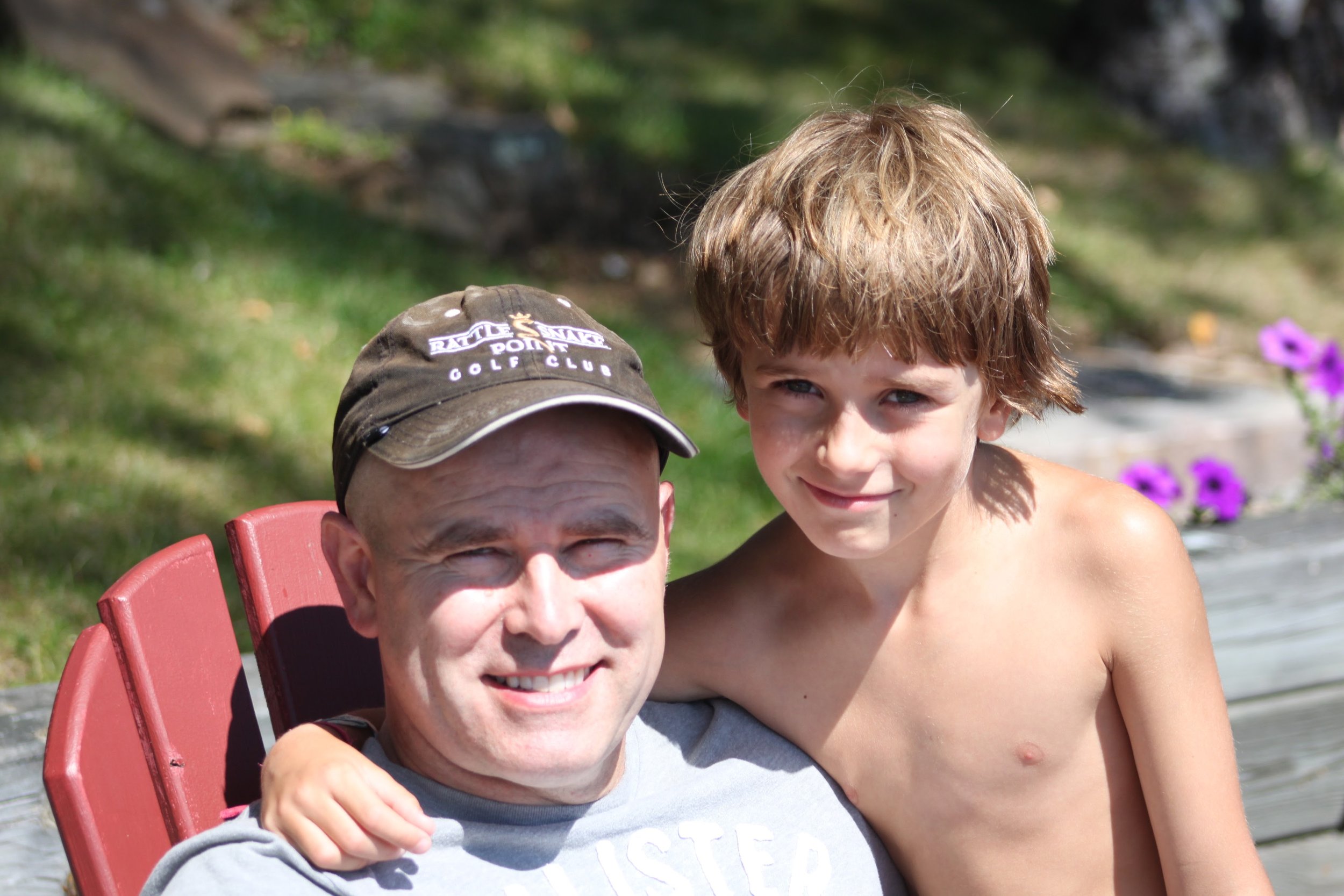
By the time the meltdown happens, the window has already closed. This post covers 7 physical signs neurodivergent kids show before they hit the wall — and what to do in that window. Written by an EQ specialist and parent of a neurodivergent child, grounded in a real conversation from our parent community.