

“Daddy, You Need to Take Me Back to the Hospital”
My daughter was beating me at a board game on a hospital day pass when something turned. She said take me back, in plain words, at fourteen. She could do that because someone had taught her the language. Most teens never get it, which is why fine and yeah is all you get. What that means if your teenager won't talk to you, and where to start before anything is wrong.

The Kids Who Never Cause Problems Worry Me the Most
Every parent keeps a mental list of the kid they worry about. The kid who never causes problems isn't on it. Chris Coulter on why high achievers, helpers, and conflict-avoiders are the hardest to read, how to know when to worry about teenage behaviour that looks perfect from the outside, and four questions that help you get your teenager to open up before "fine" becomes a wall.
The Dad Who is Barely Holding It Together
Father's Day is not easy for every dad. For fathers carrying worry about a struggling teenager, or grief for one they lost, this is for you. And for the employers who need to understand what their people are carrying through the door every morning.

Where Everybody Knows Your Name
A parent support community for struggling teens doesn't happen on every platform. Chris Coulter built When Something Feels Off on Skool — and here's what he found.

The Girl Who Helped Everyone Else
The kid who helps everyone else — the capable one, the connected one — is often the one nobody is watching. They have learned that their job is to hold things together, not to fall apart. This post names the warning signs hidden behind a helper's strength and what parents can do before it becomes a crisis.
The Blindspot Sitting in Your Home
The blindspot breaking your management relationships is the same one breaking your parenting. The employee performing fine. The teenager protecting you from worry. Both made the same calculation. Honesty costs too much. This post names the dynamic — and the skill that breaks it in both rooms.

579 Monday Mornings
There have been 579 Monday mornings since April 11, 2015. Maybe 50 I have actually looked forward to. All of them in the last year. For parents carrying something heavy and not sure where to go with it.
"I Will Not Say Suicide in School Again.”
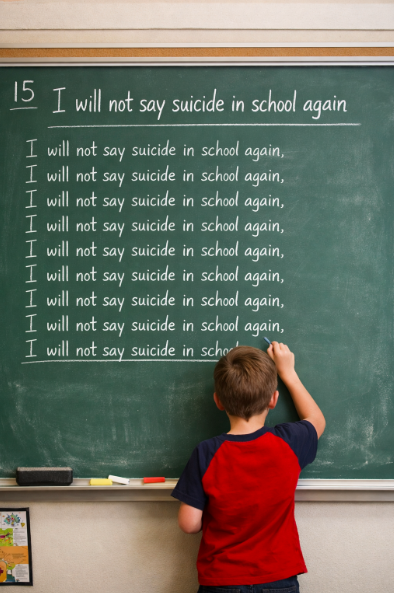
Schools won't say the word — but suicide is the second leading cause of death among youth aged 15 to 24. The silence isn't protection. It's a policy choice defended by a myth. Here's what the research says, what it costs, and what needs to change before another student learns not to speak.

You're Not Alone In This. You Just Haven't Found the Right Room Yet.
A private live parent support community for families with kids ages 8–20. Whether you're already navigating something hard or want to stay ahead of it — When Something Feels Off gives you perspective, community, and a room where you leave feeling lighter than when you arrived. Free with LifeLine Home.

I Spent Nine Years Trying to Get Back to the Person I Was Before I Lost Maddie. Last Year I Finally Stopped.
Chris Coulter lost his daughter Maddie to suicide in 2015. For nine years he tried to recover the person he was before. Then something shifted — and Maddie came back not as a loss, but as a presence. A personal reflection on grief, purpose, and what it means to finally stop looking backward.

Girls Are Struggling More. Boys Are Dying More. We're Missing Both.
Girls and boys show distress differently. Girls struggle more visibly. Boys die more often. Most screening tools — including ours — were built around one. Teen Signal Check 2.0 fixes that with revised questions, gender-aware scoring, and two new signals most parents miss entirely.

She Checked If Her Daughter was Breathing. Then She Went to Work
1 in 4 working parents is dealing with an emotionally struggling child right now. In a 200-person company that’s roughly 30 employees carrying something heavy in silence. This post breaks down what parenting stress is actually costing your organization, why EAP isn’t enough, and what companies can do to support the working parents who show up every day pretending everything is fine. Includes the free Workplace Signal Check.

The Inbox Diaries: Episode 3, "My Teen Won't Talk to Me. So I Stopped Talking Too."
When a teen withdraws, parents often try harder to reach them—only to create more distance. In this episode of The Inbox Diaries, a father asks whether giving his son space means giving up. Through a personal story about Maddie, this post explores the powerful shift that happens when parents stop pushing and simply stay present. Sometimes the quietest moments reopen the door to connection.

It's Not Too Early. It Might Already Be Late.
Parents assume mental health concerns start in high school. They don't. Parents of children as young as 8 are reporting warning signs including suicidal language, online bullying carrying into school, and emotional shutdown. Therapy waitlists are months long. This post covers what parents can do now to build emotional foundation, set boundaries, and create connection before the teen years hit. Free guide and parent community included.

What Qualifies You to Give Parenting Advice When You Lost a Child to Suicide?
A stranger sent Chris Coulter a message on LinkedIn: “What qualifies you to give parenting advice when you lost a child to suicide?” The question stung. But it deserved an answer. This article is that answer — told through the loss of his daughter Maddie, and two messages from parents whose lives were changed by what he writes. The stories are the credentials.

I Thought Loving Her Harder Would Save Her. I Was Wrong
When his daughter was hospitalized for the second time, Chris Coulter realised that loving her harder was not going to close the gap. This post explores why teens in crisis need more than one person, why mentorship fills the space between therapy and parenting, and how parents can take a first step before things escalate. Includes the free Teen Signal Check tool.

The Inbox Diaries — Edition 1. "I Check If She's Breathing Before I Go to Work"
A weekly series drawing from real messages sent to Chris Coulter of The MentorWell. Episode 1 explores the silent epidemic of parents navigating teen mental health crises while performing fine at work. For parents carrying this alone and employers who don't know what's happening in their building.

We Don’t Wait to Talk About Cancer, Why Wait for Mental Health?
When a teenager is diagnosed with cancer, the support is immediate. When a teenager is admitted to a psychiatric ward, there's silence. Chris Coulter's daughter Maddie spent two months in a youth psychiatric ward. Her friends were told it was stomach issues. Only family visited. This article explores why we treat physical and mental illness differently, the cost of silence, and why it's time to stop whispering about youth mental health. Includes practical resources for parents and employers.
How to Listen to Your Teen Without Pushing Them Away
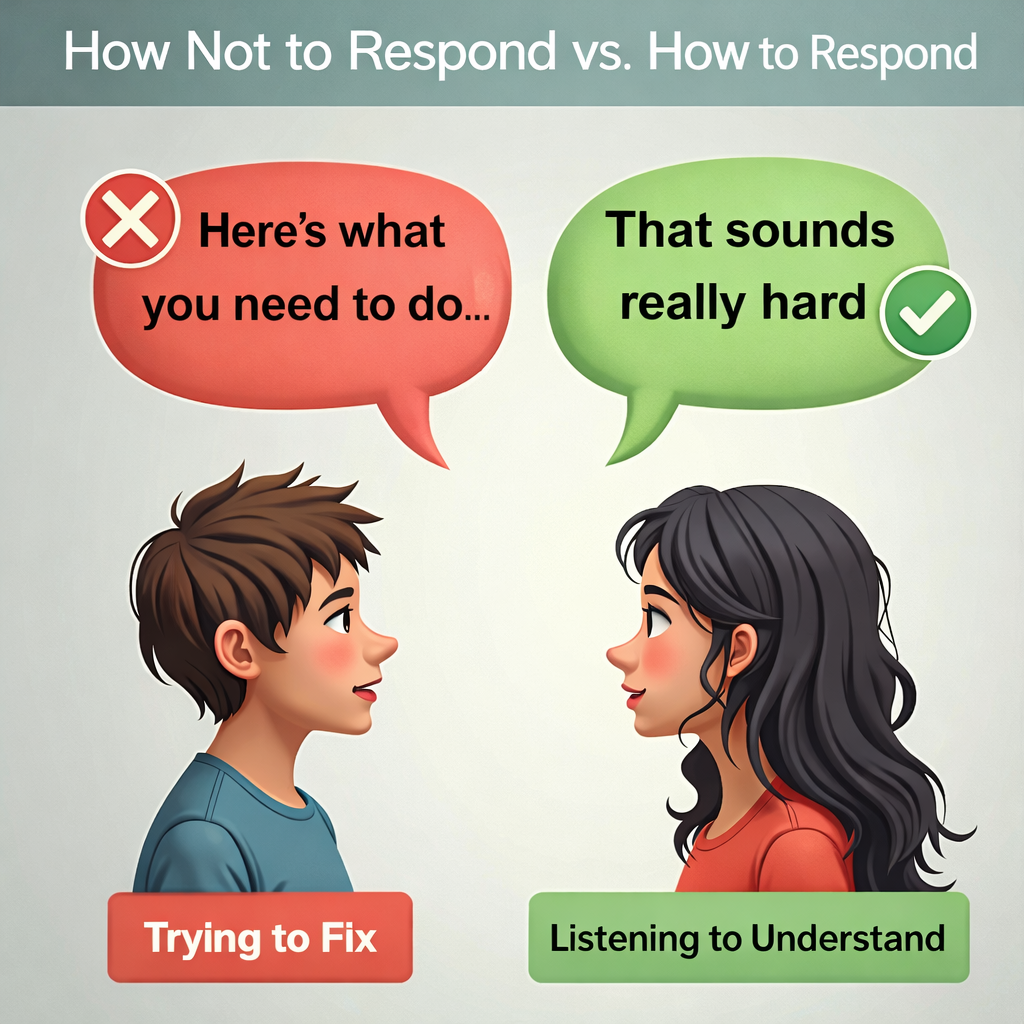
Many parents unintentionally shut down teen communication by jumping into problem-solving mode. This article explains why “fixing” backfires, what teens actually need when they open up, and simple conversation scripts that build emotional safety. Includes warning signs your teen may be struggling and a 2-minute tool to help you assess what’s normal and what needs attention.
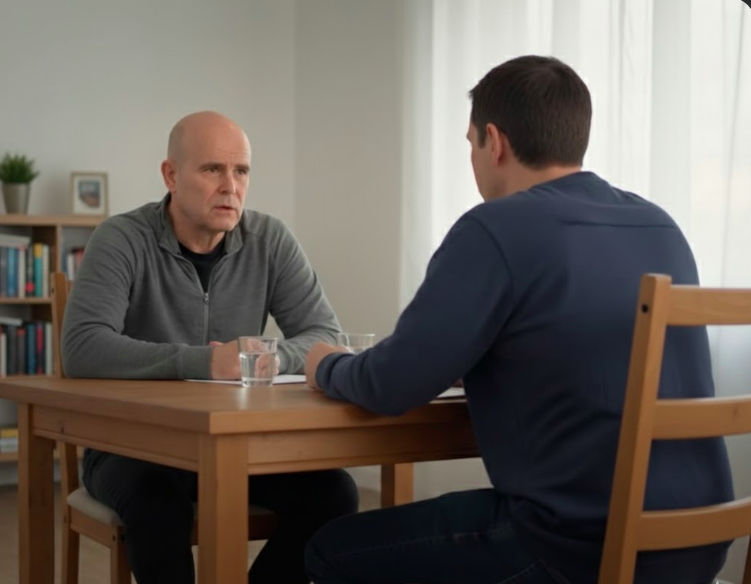
The 7 Questions Parents Ask Me in Private
Parents of struggling teens ask me the same 7 questions in private about exhaustion, isolation, "I'm fine," when to act, and fear of overreacting. These aren't signs of bad parenting. They're signs you're paying attention. If you're noticing changes in your teen and wondering if you should be worried, this is for you. Trust your instincts.