
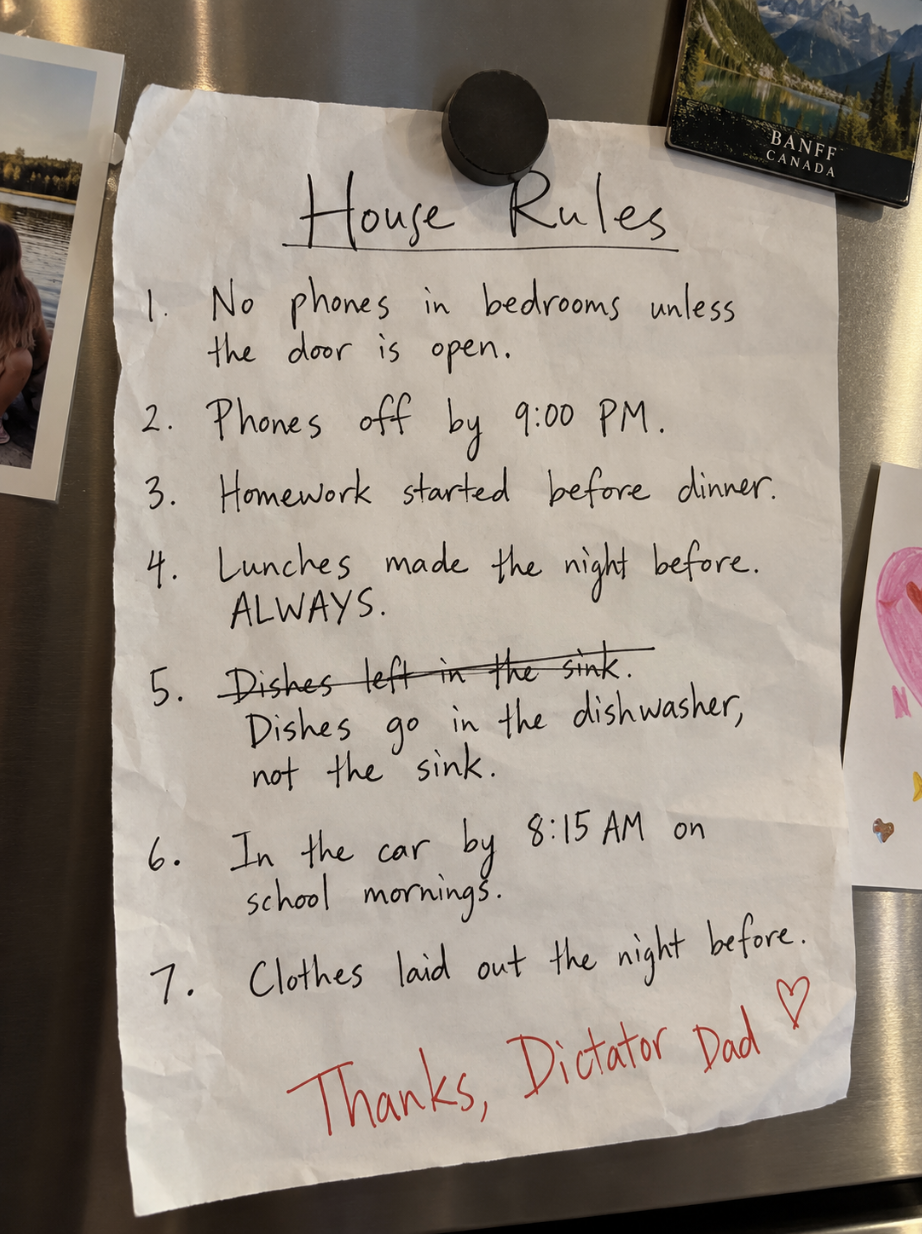
I Made the Rules. My Kids Lived With Them
Chris Coulter, founder of The MentorWell, looks back on five parenting mistakes he'd take back. He made house rules alone, broke his own phone rules and fixed problems his kids only wanted heard. He also reacted to what his teenager told him before he reacted to her. For parents of teens wondering how to talk to a teenager without them shutting down, and how to share the rule-making without giving up the final say.

"Fine" Is the Answer We Taught Our Kids to Give Us
Ask a teenager how their day was and you'll hear "fine." In my LifeLine Parent Workshops, almost every parent says one of the same five things next, and most of them end the conversation early. Here's why "How was your day?" works like a greeting, how to talk to your teenager without them shutting down, and two questions parents tell me get a real answer, even when they still get the eye roll.

My Teenager Won't Talk to Me: 6 Ways to Help Them Open Up
Your teenager says they're fine. You know something's off. Six ways to make the first step smaller when your teen won't talk to you or anyone else, including why letting someone else be first is not a failure, and the one reassurance most parents offer that they will end up breaking. Plus what to do when you've tried everything and your kid still gives you nothing.
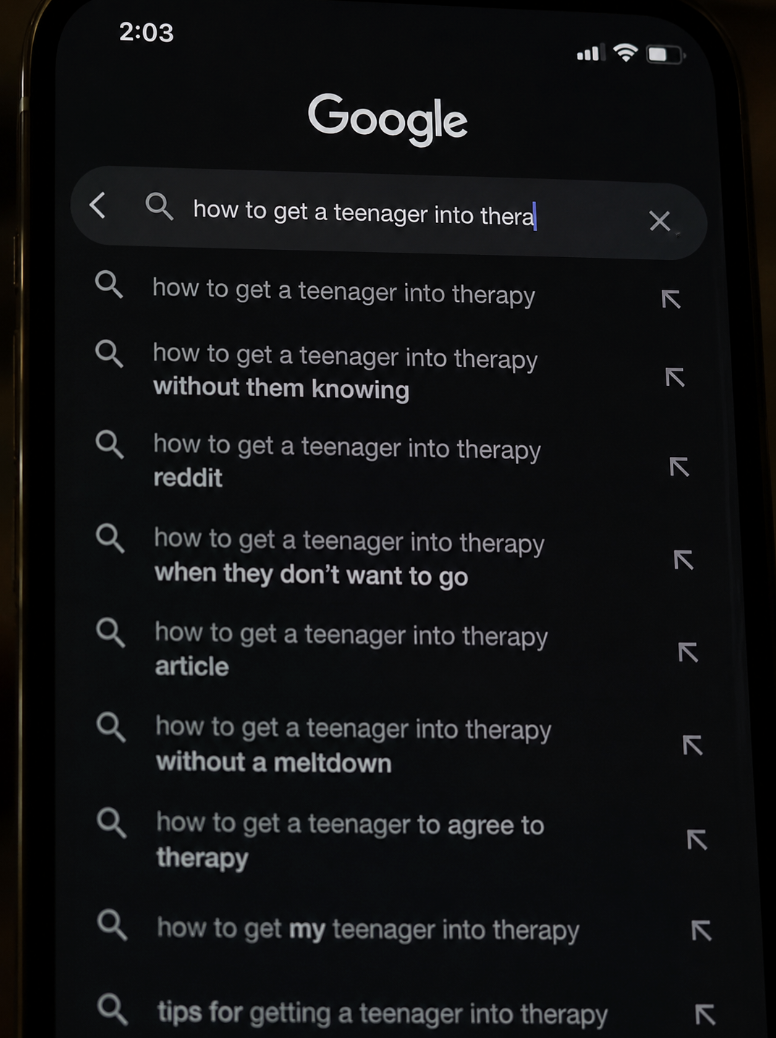
Your Teen Isn’t Refusing Therapy. They’re Refusing What Saying Yes Would Mean
You found someone, sorted the coverage, worked out how to raise it. And your teenager said no, with no reason attached. Most parents read that as stubbornness. It's usually something else. Six things a teenager is protecting when they refuse therapy, what to say instead of arguing, and what to do when the answer stays no.
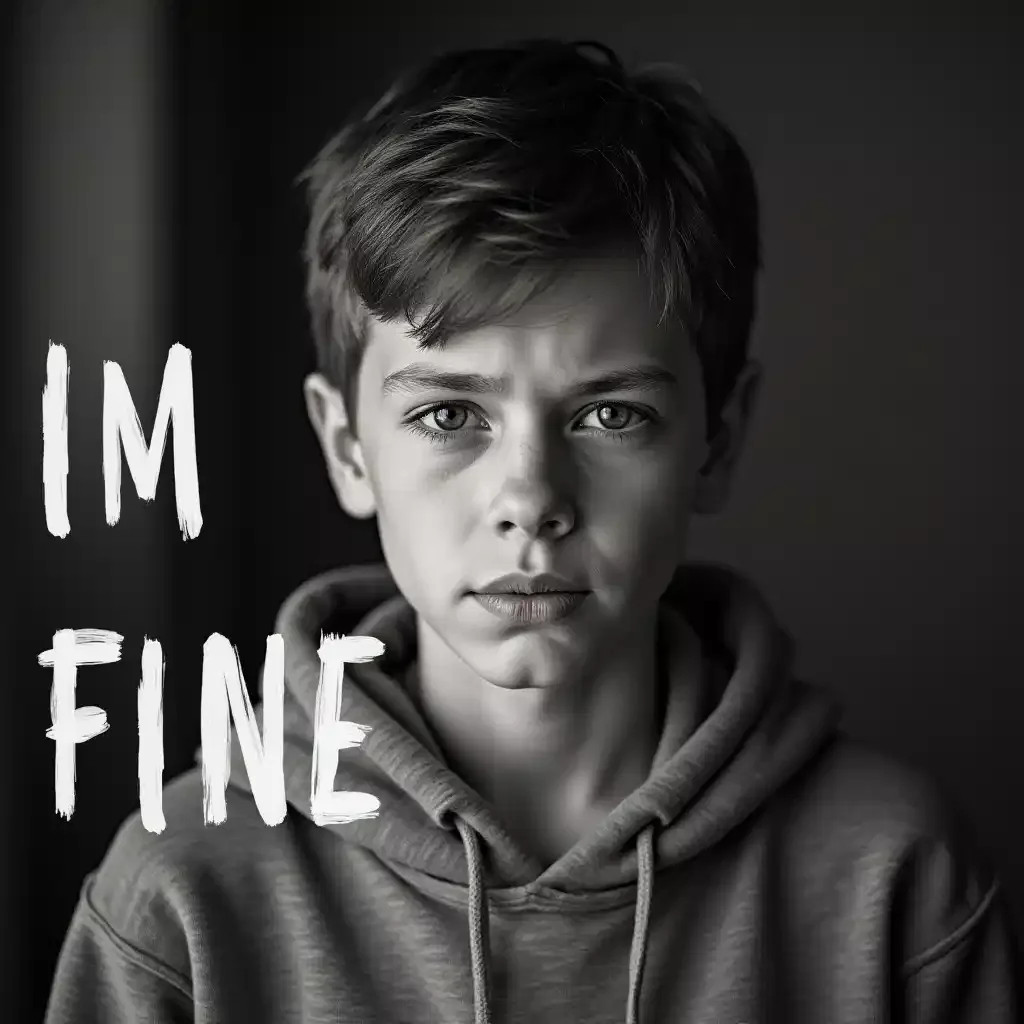
Boys Send the Signal as Attitude
Boys rarely say they're sad. They go short, retreat to their room, and answer everything with "I'm fine." Most parents read that as normal teenage behaviour, and most of the time they're right. Sometimes it's grief with no language attached. A father writes about why attitude is often the only signal a boy can send, and what to do when you're already noticing something.

She Would Have Told Me
I believed my daughter would tell me if something was wrong. Not confidence. Something closer to how you believe the floor will hold. Every quiet week, every look I couldn't read, went through that filter and came back fine. Chris Coulter on why teenagers often hide more from the parents they're closest to, what that belief was really doing, and the question to ask when your teenager won't talk to you.

The Scariest Words a Parent Can Hear Are "I'm Fine"
Most parents accept "I'm fine" because the alternative feels harder. Chris Coulter writes about why teenagers use fine as protection, why parents let them, and what one extra question can do when you stay in the conversation a little longer than feels comfortable.

Experience Teaches. Learning Follows. Everything Else Becomes Regret.
Chris Coulter shares seven honest lessons about parenting a teenager, drawn from lived experience and regret. Written for parents who still have time to listen longer, fix less, and say what matters. A personal reflection rooted in loss and the hope that another family gets a different story.

Why Teenagers Stop Talking to Their Parents
Most parents notice the silence before they understand it. This post breaks down why teenagers stop talking, including the small moments that close the door long before parents realize it's closed. Covers what drives teen withdrawal, what parents do that backfires, how to tell the difference between private and struggling, and what actually helps reconnect without pressure.
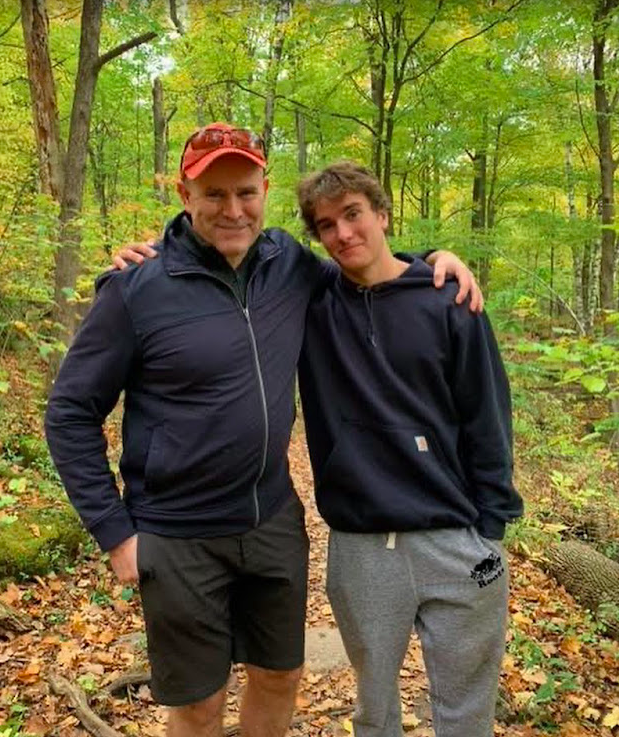
The Question Nobody Asks
Most meaningful conversations begin after the first answer. Whether you're wondering how to get your teenager to open up or how to talk to an employee about personal struggles, the second question often changes everything. Learn why staying in the conversation a little longer can strengthen trust, improve communication, and help you notice concerns before they become bigger problems.

Most Parents Are Looking for the Right Conversation. They're Looking in the Wrong Place.
Teenagers do not open up when you sit them down and ask how they are doing. They open up when the pressure drops. The car. The kitchen. A walk. Side by side instead of face to face. This post is about why where you are when you talk matters more than what you say — and one conversation with Maddie that proved it.