
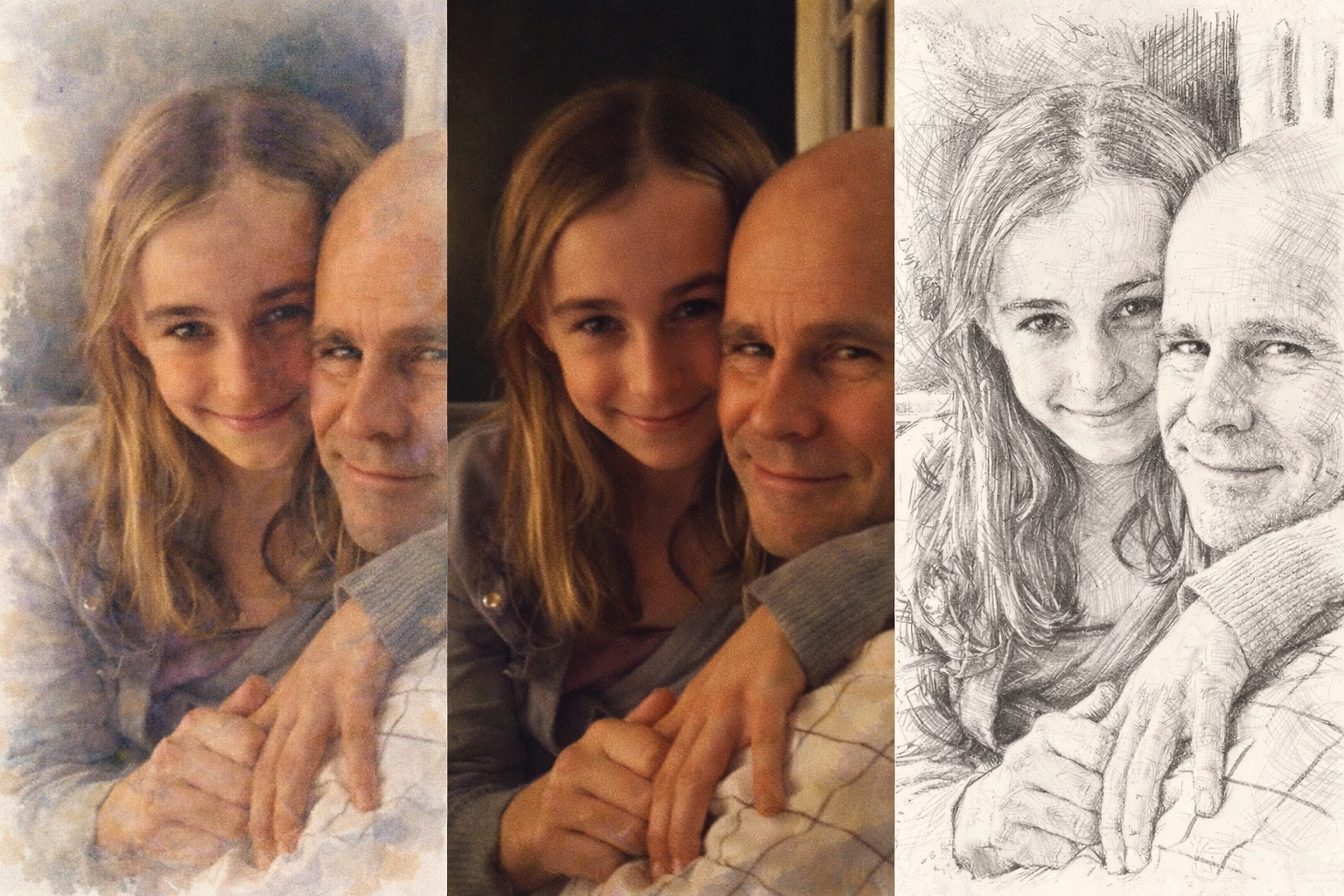
I Missed the Signs and I Am Still Her Dad
A father reflects on missing the signs before losing his daughter and the guilt many parents carry. With compassion and honesty, this piece reframes hindsight into foresight, reminding parents that missing signs does not mean a lack of love. It offers a simple, human invitation: notice small shifts, name them gently, and stay present — without judgement or panic.
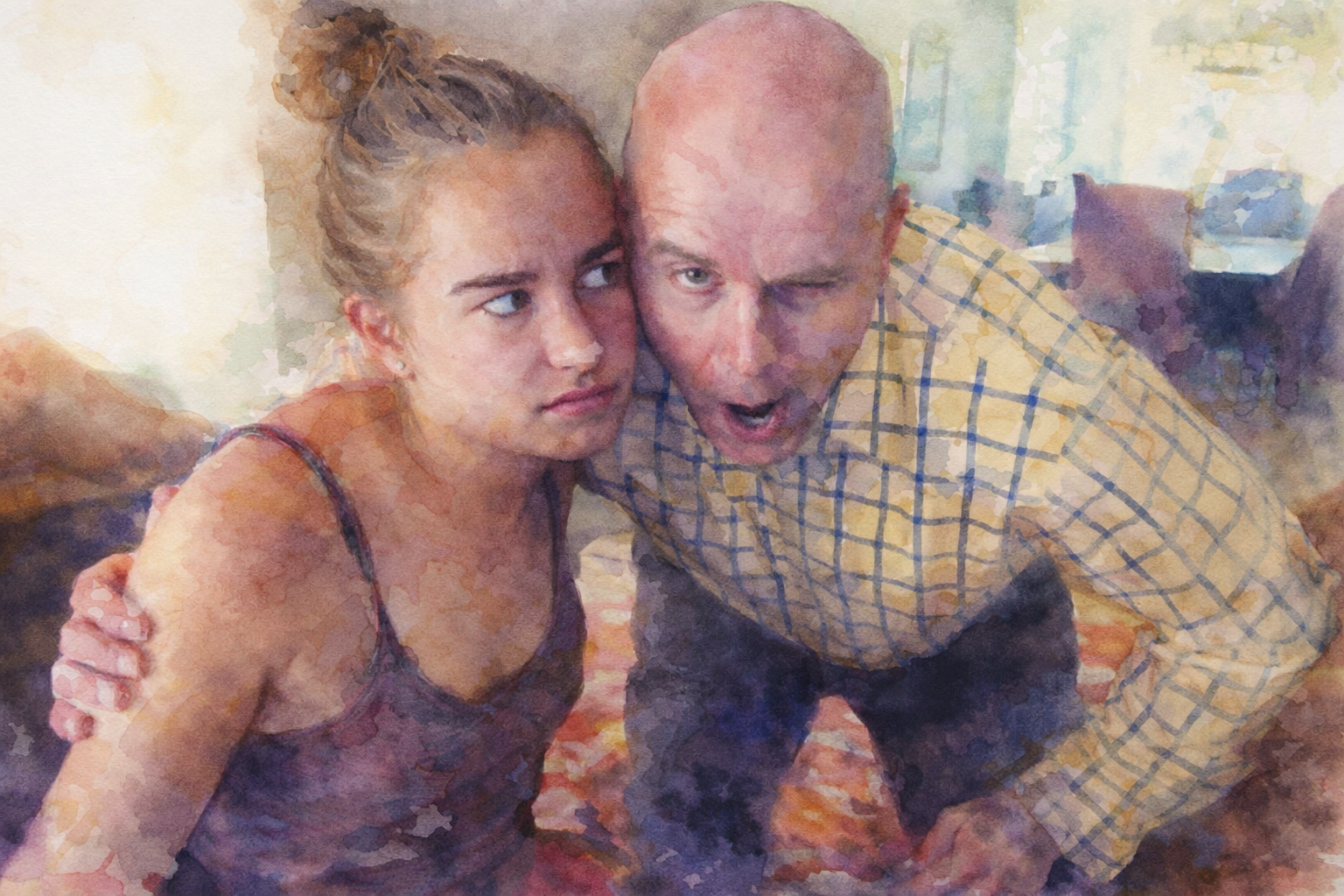
One Thing Parents Do That Shuts Kids Down Without Meaning To
Most parents jump into problem-solving because they care. But fixing too fast often shuts kids down instead of helping them feel heard. This piece gently explains why kids pull away, especially in adolescence, and how slowing down, naming feelings, and asking permission can rebuild trust. Connection grows through presence, not answers.
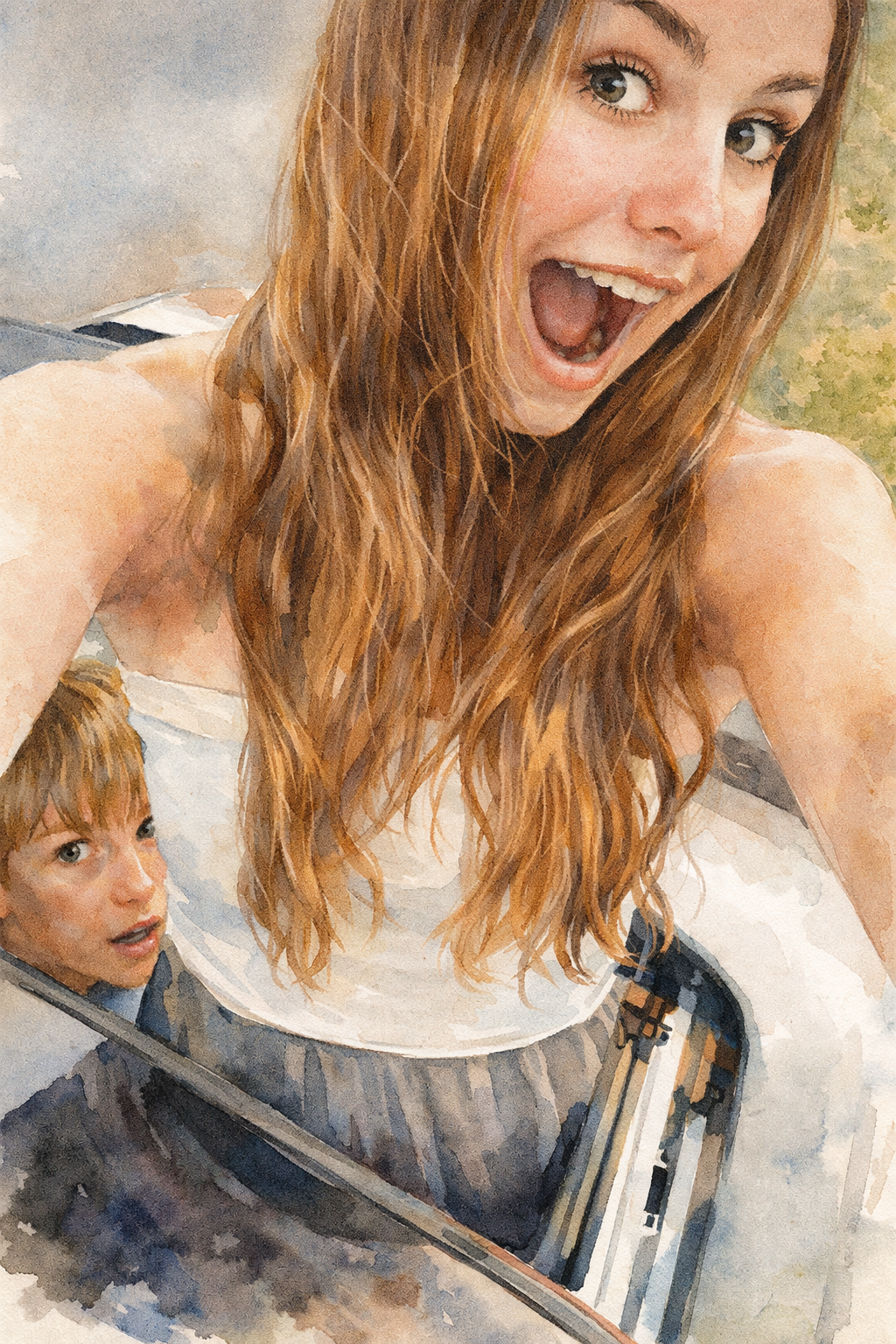
They Were Telling Me Everything, I Just Wasn’t Listening
Many parents sense something is off with their teen long before anything looks “wrong.” This post explores five quiet lessons about how teens communicate through behaviour, silence, and tone and why presence matters more than perfect words. A compassionate reminder that early listening builds trust before crisis hits.
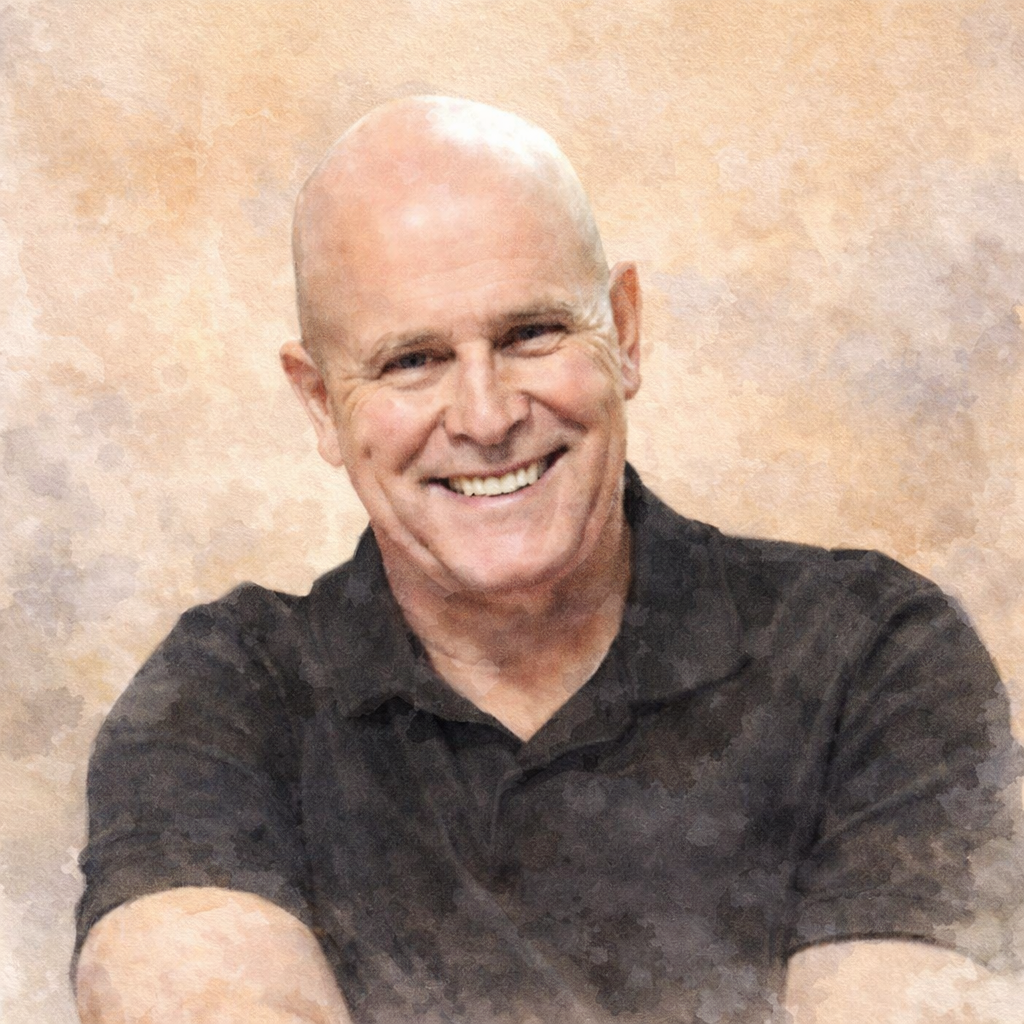
The Promise I Made After Losing Maddie, And Why I’m Keeping It on Substack
After losing my daughter Maddie, I made a promise no parent should walk this road alone. This post shares why I’ve chosen Substack—not for growth, but for reach, truth, and early support for families navigating teen mental health. MentorWell exists to turn hindsight into foresight, and this is where that promise continues.
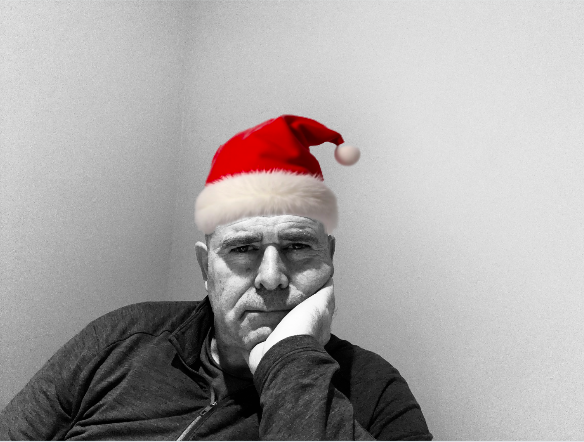
This Christmas, I’m Not Trying to Get Back, I’m Learning to Pause
This Christmas reflection explores grief, solitude, and the quiet exhaustion of trying to get back to a life that no longer exists. Instead of pushing forward, it invites a pause — trusting that life still moves even when we loosen our grip. A compassionate, grounded piece about letting go, presence, and redefining what the season asks of us now.

Why December Breaks So Many Teens, And a Daily Ritual That Can Hold Them Together
December quietly overwhelms many teens: exams, disrupted routines, social pressure, grief, and family stress collide. When teens go quiet, they don’t need space; they need steadier presence. This piece explains why December hits so hard and offers one simple daily ritual, a predictable check-in, that can help teens feel anchored, supported, and less alone.

Is It Okay to Talk About Their Child at Christmas? (Yes, Here’s How)
Many people fear mentioning a child who has died, especially at Christmas. From a parent’s lived experience, this piece explains why saying a child’s name doesn’t cause pain—it honours love. With simple, compassionate examples of what to say (and what silence can cost), this article offers gentle guidance for supporting grieving parents during the holidays.
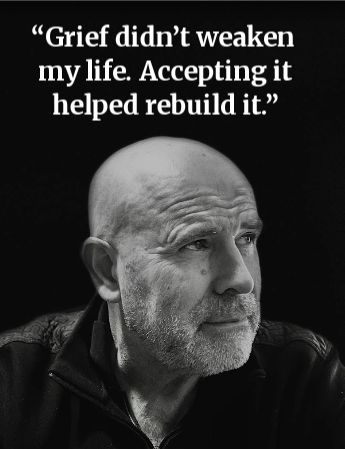
Grief Wasn’t the Enemy. My Resistance to It Was.
After ten years of living with profound loss, I learned that grief was never the enemy. My resistance to it was. This reflection explores how grief transforms when we stop trying to control it and begin to live alongside it, revealing clarity, presence, compassion, and a quieter kind of strength. A hopeful reframe for parents, caregivers, and anyone carrying loss.
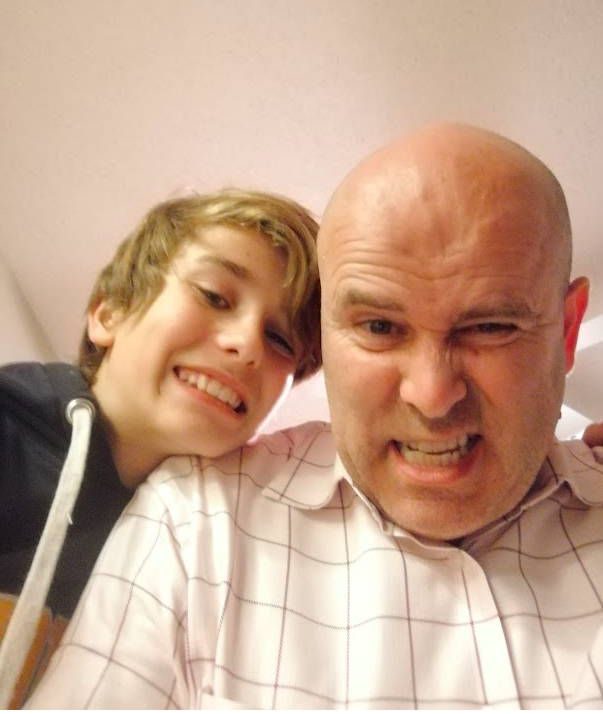
To the Parent Who Feels Like They’re Failing: You’re Not Alone
A heartfelt message for parents who feel like they’re failing as they navigate a teen’s emotional struggles. This piece reframes doubt into connection, reminding parents that presence—not perfection—is what matters. It offers foresight, hope, and community through the MentorWell Parent Circle for those feeling alone.
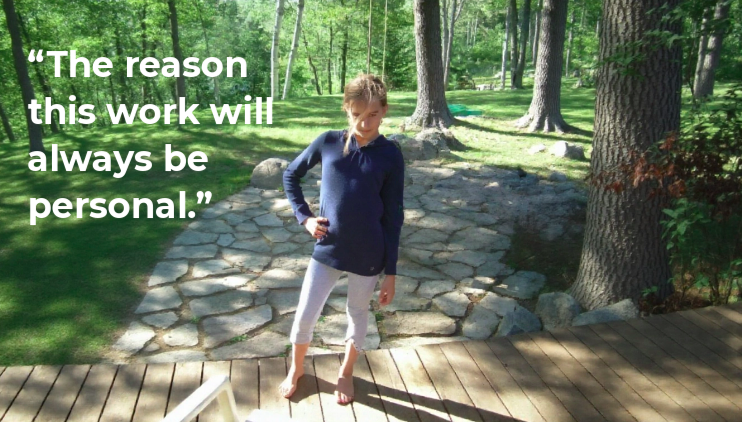
You’re Not a Bad Parent. You’re Just Doing It Alone
Parents aren’t failing, they’re isolated. The MentorWell Parent Circle offers a safe, international community where parents of teens can share stories, ask questions, and feel supported beyond workshops. A place to breathe, connect, and remember you don’t have to do this alone.
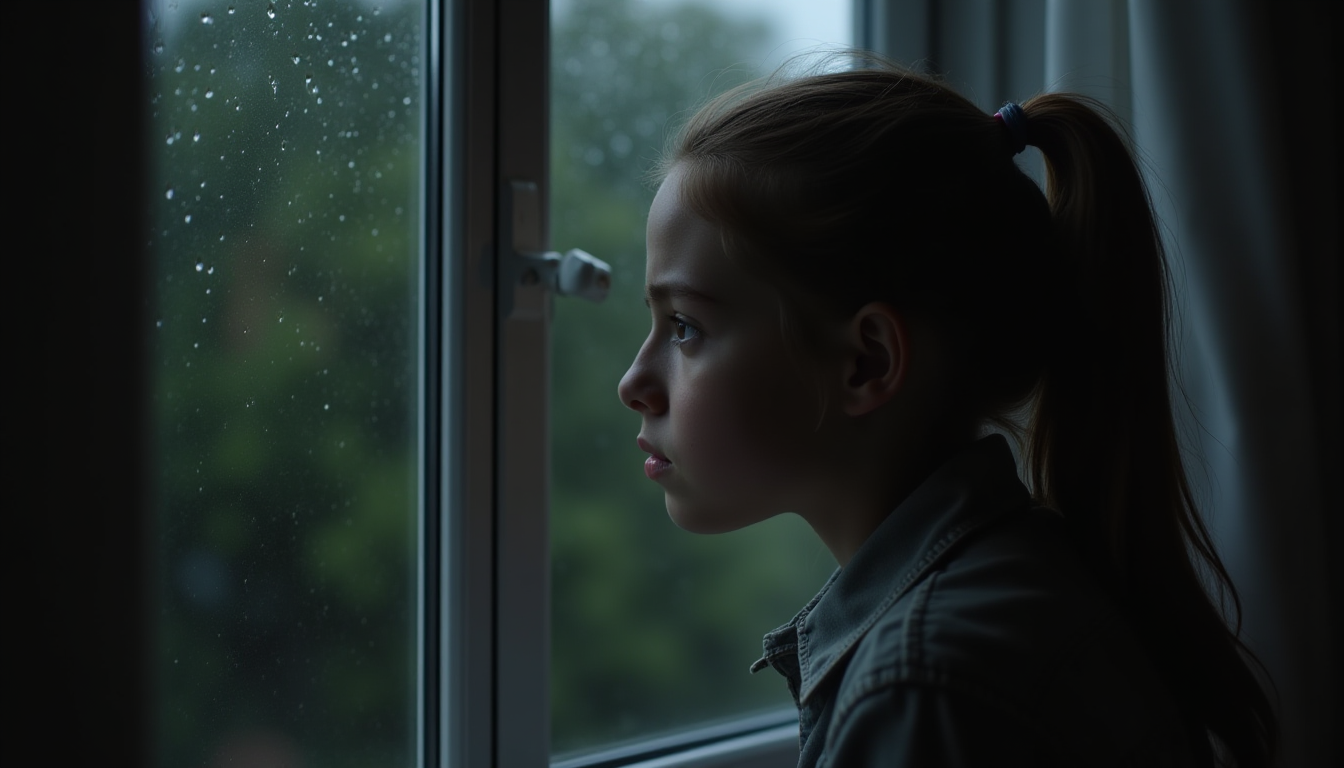
What Teens Wish You Knew: The Hidden Cost of Divorce on Kids Who Say Nothing
Curious and worried, I asked MentorWell’s TeenSpeak how teens really feel about divorce—and the answer shocked me. Teens often hide deep pain behind "I'm fine," carrying silent struggles parents might miss. Healing starts with connection, and sometimes the bravest step is seeking outside support.
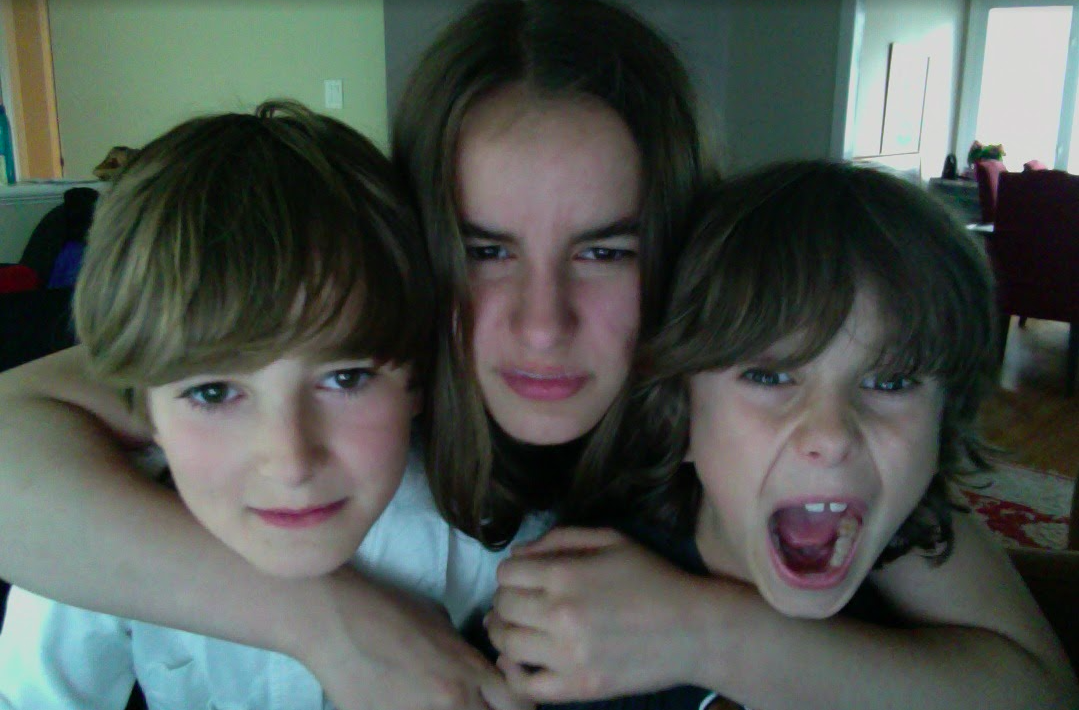
10 Things Teens Wish Their Parents Knew (But Rarely Say Out Loud)
Teens want emotional safety, calm presence, and connection more than advice or pressure. This article shares ten things teens often wish parents understood, plus the common parental habits that unintentionally create distance. With gentle foresight and practical support, families can slow down, listen fully, and rebuild connection.
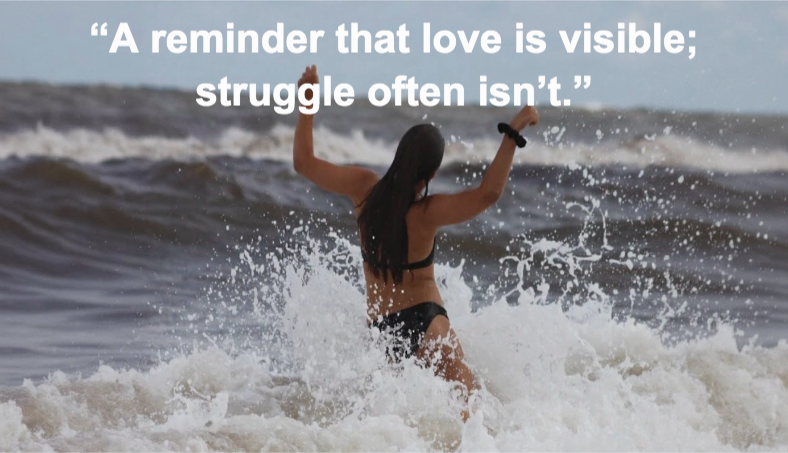
5 Quiet Cries for Help I Missed, and What Every Parent Should Know
Teens rarely show obvious distress. Their early cries for help appear as small shifts—short answers, irritability, isolation, sleep changes, and losing interest in what they love. This article helps parents spot these signs sooner and respond with steady, hopeful presence. MentorWell offers support for teens who need a neutral, trusted adult.
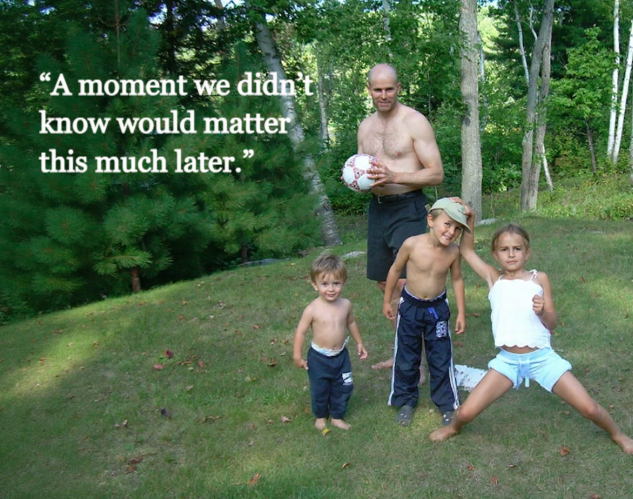
If You Lead People, You Lead Parents, And 1 in 4 Are Quietly Struggling
Parents don’t leave their home life at the door. When a child struggles, work performance, focus, and wellbeing shift fast. One in four parents is quietly carrying more than they can manage alone. This article shows leaders why early support matters—and how LifeLine Parent Workshops protect families and workplaces before things turn heavy.

Parenting Out Loud: The Questions We’re All Afraid to Ask
Parents aren’t failing—they’re overwhelmed, uncertain, and trying their best. This article answers the 24 questions parents ask most about their teens, with steady guidance, early warning signs, and practical next steps drawn from lived experience. A hopeful, human roadmap to help families connect sooner and with more confidence.

You May Think It’s Just a Photo, But for a Grieving Parent, It’s Everything
A heartfelt reflection on why photos and memories matter so deeply to grieving parents. This piece reframes loss into gentle foresight, reminding readers that simple gestures—sharing a photo, a moment, a memory—offer profound connection. A warm, hopeful invitation to reach out, honour, and keep loved ones present in small, meaningful ways.

If You Want Your Teen to Open Up, Sit Beside Them, Not Across From Them
Teens open up when moments feel natural, not serious. This article explains why side-by-side conversations—driving, walking, cooking—build trust faster than face-to-face talks. With warm stories about Maddie and practical insights for parents, it offers hopeful, doable ways to reduce pressure and increase honesty at home.
The Day I Realized Love Could Not Save My Child
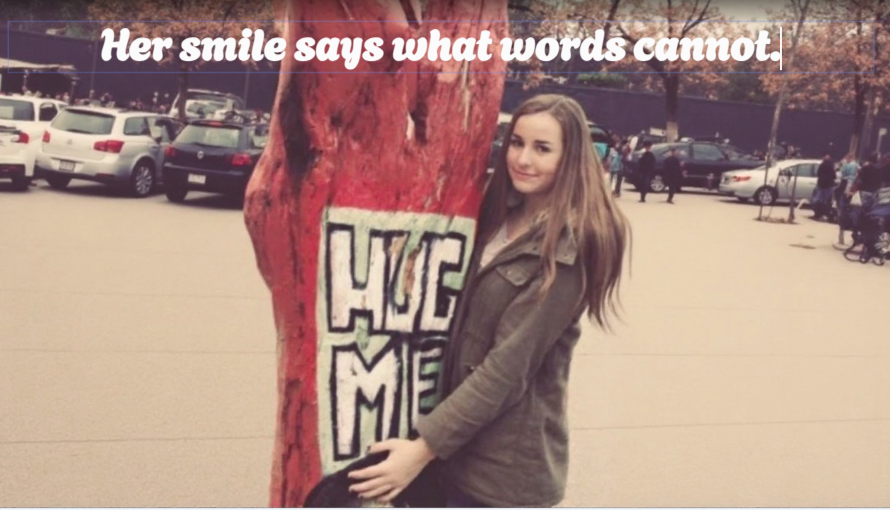
A raw, hopeful reflection on the moment a parent realizes that love alone cannot save a struggling child. Through Maddie’s story, this piece highlights what teens need beyond reassurance: connection, calm, and another steady adult. A compassionate call for early support and a reminder that parents do not have to navigate these moments alone.

The Darkest Season of My Life Became the Work I Was Meant to Do
A deeply human reflection on how the darkest season of life became the work you were meant to do. This piece traces the journey from early honesty about mental health to losing Maddie, grieving forward, and building MentorWell with compassion and purpose. It offers grounded hope, gentle guidance, and one clear reminder: small steps and support matter more than perfection.

How Can It Be So Dark Even on the Sunniest Days?
Even on the sunniest days, life can feel unbearably dark. This personal reflection explores how depression shows up, how recovery rarely moves in straight lines, and the small, steady actions that help us find our way back. A hopeful, human reminder that change is possible, support matters, and purpose can return one quiet step at a time.