

I Wish Maddie Could Read the Messages I Receive
Earlier this year, someone asked Chris Coulter to stop sharing photos of his daughter Maddie. Days later, a mother told him she'd let her struggling daughter scroll through them in the car, and found someone who felt like a sister. These are the messages strangers send him every week, what they reveal about who parents tell first, and why he wishes Maddie could read them.

Please Don't Remember My Daughter for the Way She Died
If you know Maddie Coulter because of how she died, you know the least important thing about her. She vetted my dating profiles. She ran a One Direction fan club and had 1,500 followers in a week. She was funny and loud and right more often than I was comfortable with. This is about what happens to a person's biography after they die, and a request from her father to remember the life instead.
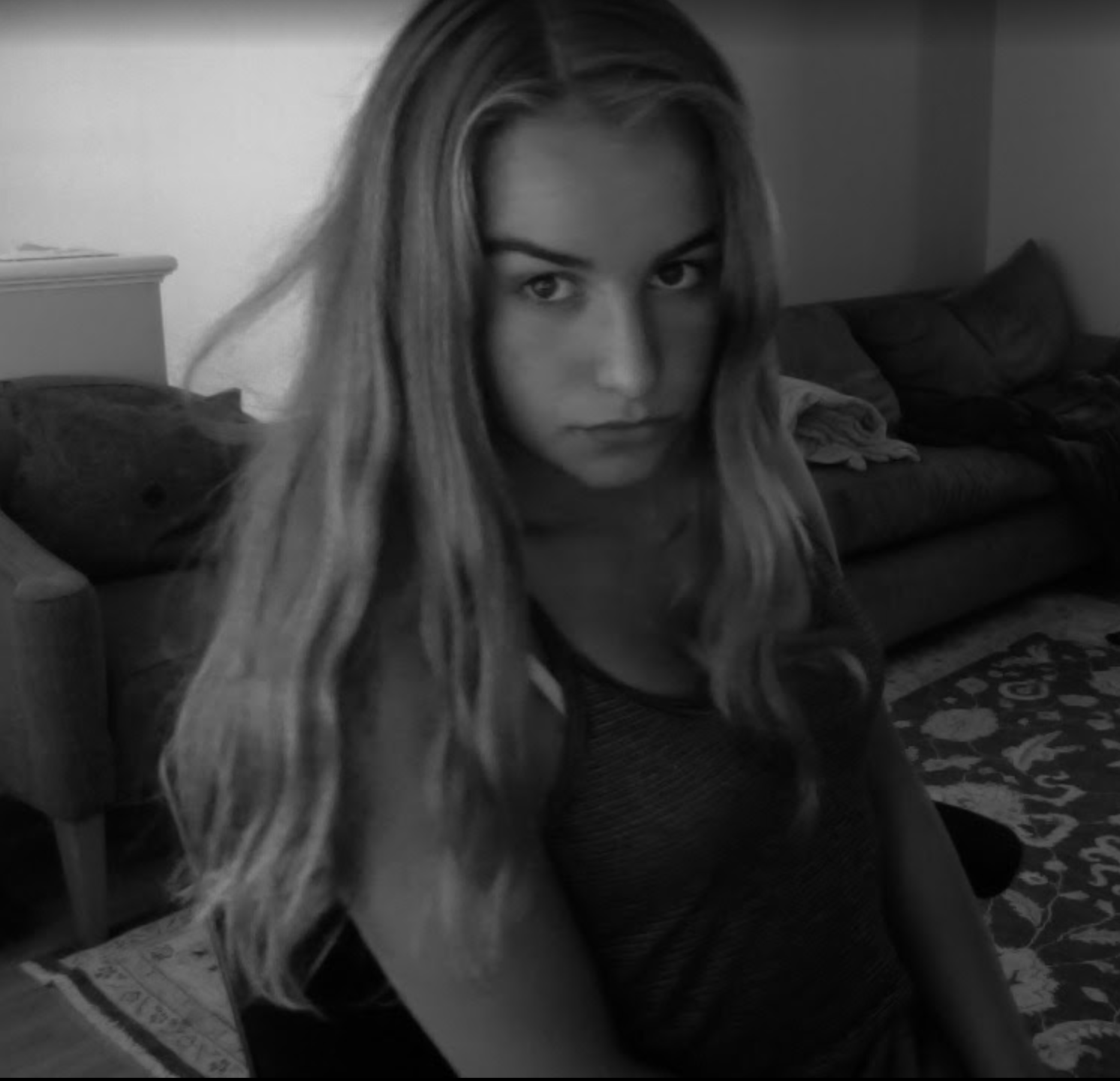
I’m Starting to Forget Things About My Daughter. And I Hate It.
Eleven years after losing his 14-year-old daughter Maddie, Chris Coulter is confronting another painful part of grief: memories fading. From shoes at the front door to Adele in the shower, he shares the ordinary moments he refuses to let disappear and why Maddie’s life deserves to be remembered for far more than the way it ended.
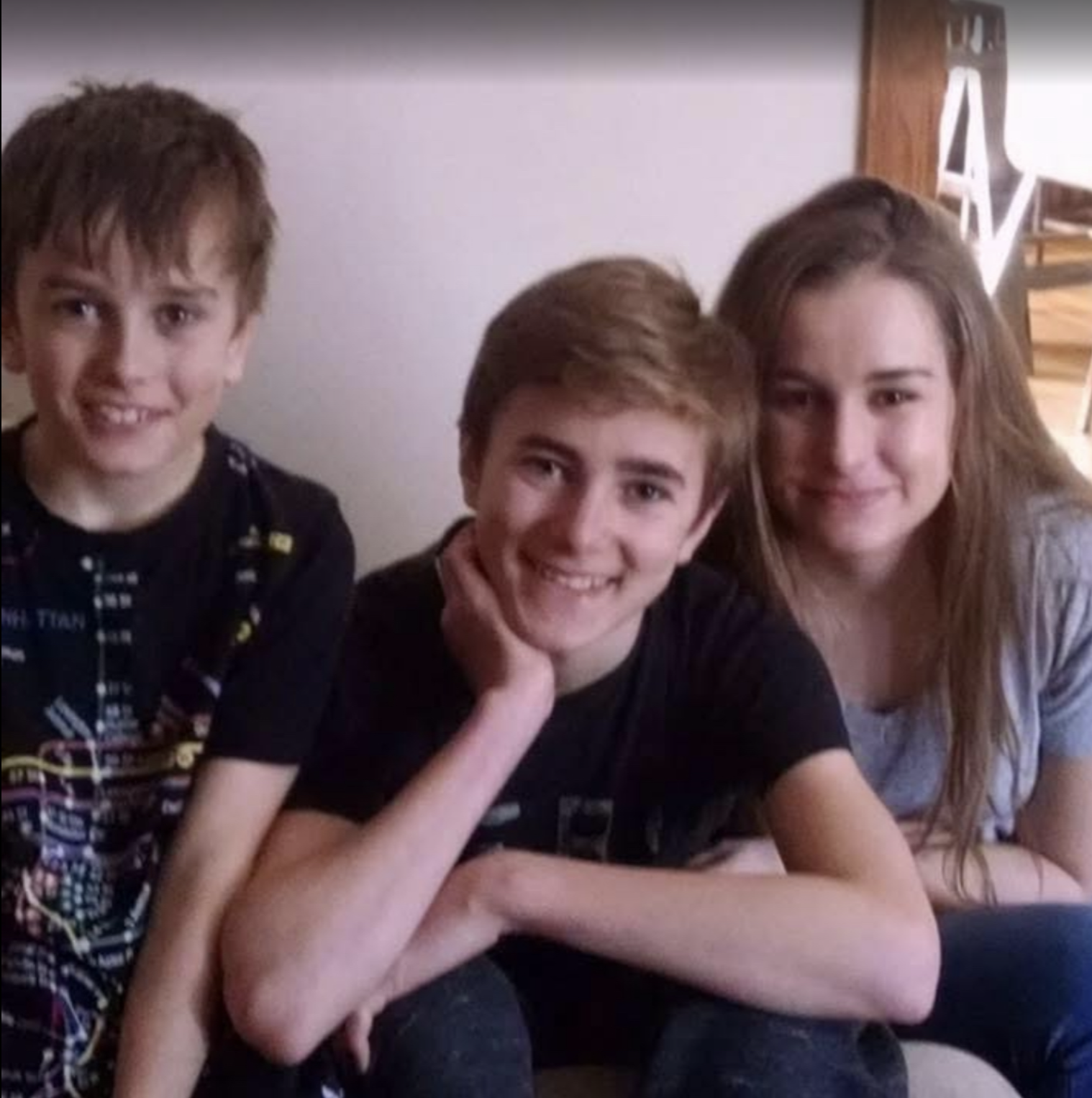
Everyone Goes Home After the Funeral. You Don’t.
The funeral director said he had never seen a line that long. Chris Coulter remembers comforting the people who came to comfort him. Then the next day arrived, the house went quiet, and grief moved in properly. On the hardest day after losing a child, why support thins out exactly when it starts to hurt, and why it is never too late to go back to a family in the quiet part.
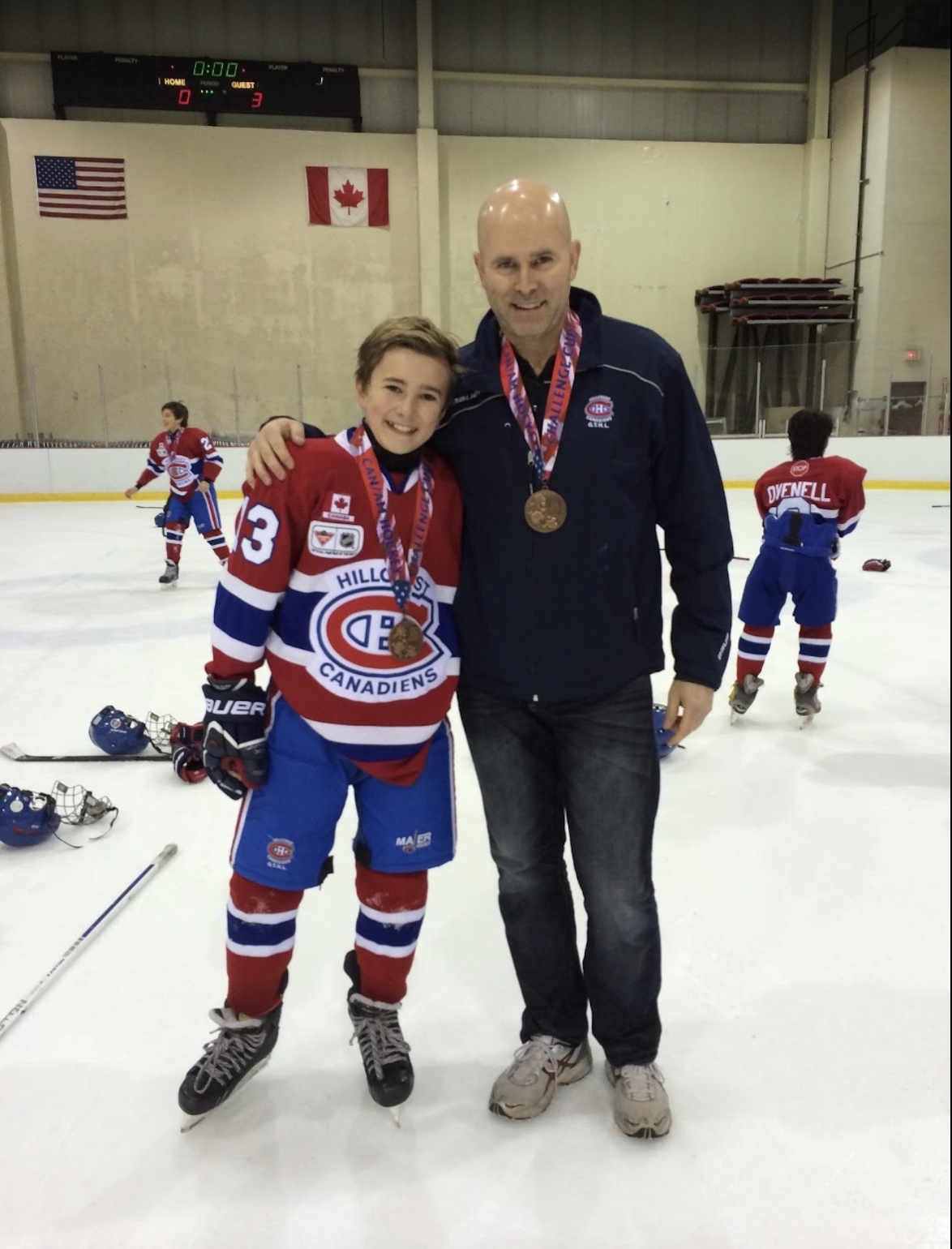
Losing Maddie Also Meant Losing Myself. Nobody Warned Me About That Part.
When Chris Coulter lost his daughter Maddie in 2015, he spent the next nine years trying to get back to the man he was before. Nobody warned him about the second loss, the one that happens underneath. This is a piece about losing yourself after losing a child, about the two selves that argue in private, and about what finally stopped the arguing after eleven years.
You Don't Have to Know What to Say
A message came in yesterday. Someone had found out a friend lost her daughter and didn't know what to do. She's not alone. Most people give a grieving family space because it feels respectful, and then the space becomes permanent. This is about when to reach out, what to say when you don't know what to say, and the two things that land badly.
Nobody Asks the Second Question
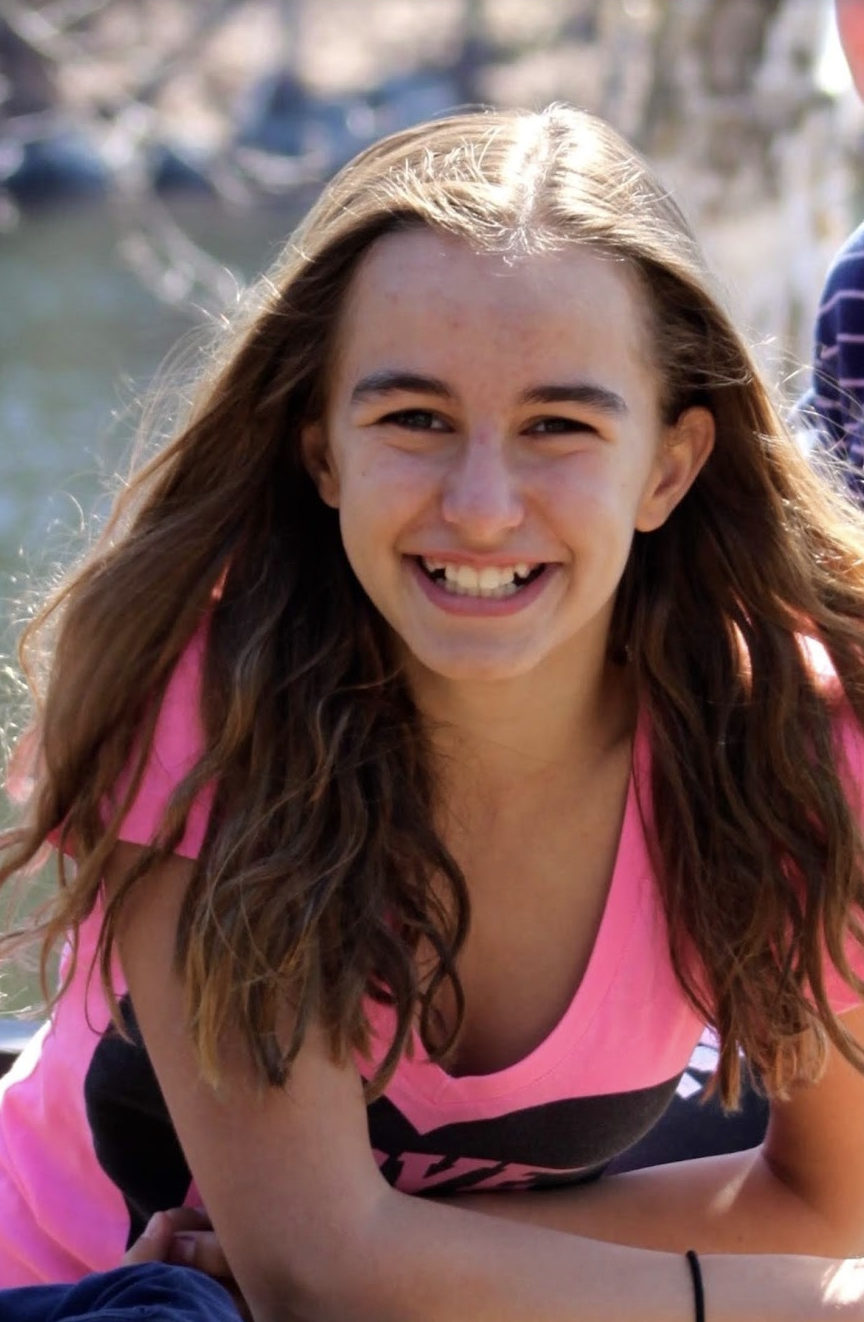
Every podcast opens with the same question about my daughter Maddie. Off the microphone, people say they're sorry for my loss. One asks me to be her dad for a minute. The other closes the conversation. This is about what you actually get when you ask a grieving parent a second question, and the fourteen year old who appointed herself greeter on a psychiatric ward.
You Built Your Audience on the Back of Your Daughter's Death
Someone who mattered to me said I built my audience on the back of my daughter's death. I remember it word for word. Instead of firing back, I took the accusation apart honestly. Yes, Maddie's story reaches people, and I've watched it happen. What the accusation misses is the story I refuse to tell and the families I've never charged. This is about the line between advocacy and exploitation, and who gets to decide where it sits.
Why I Still Talk About Maddie
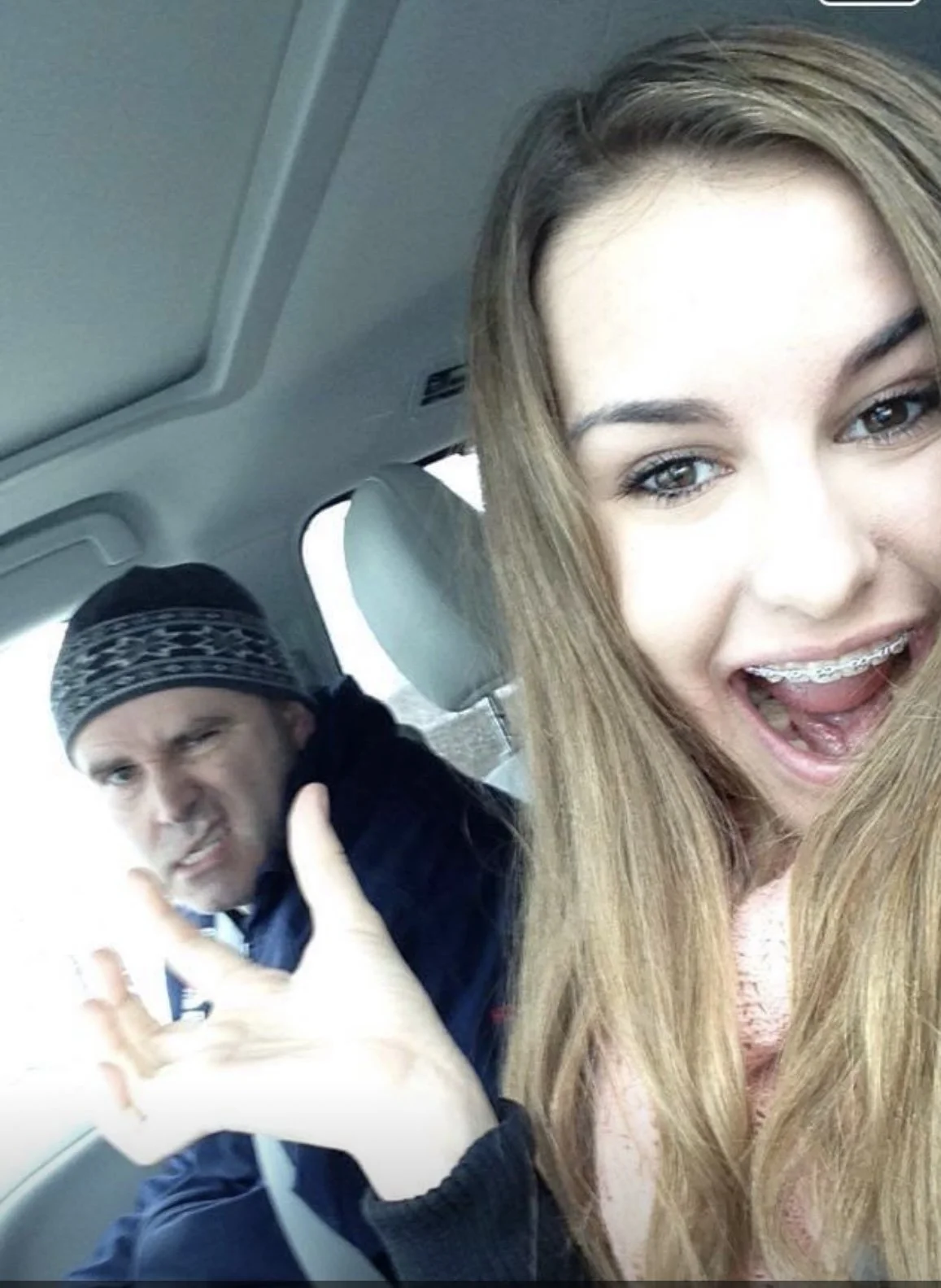
People wonder why I still talk about my daughter. She died in 2015, she was fourteen, and there's a quiet expectation that a dead child gets a shorter runway than a living one. This is my answer. It's about who Maddie actually was, the videos she left behind without meaning to, what it costs me to tell her story, and why the silence people offer out of kindness is the hardest part.

I Don't Fear Talking About Maddie. I Fear People Forgetting Her
A father who lost his 14-year-old daughter to suicide explains what most people get wrong about grieving parents. Avoiding her name doesn't protect him. It erases her. This piece covers why bereaved parents want your stories, what to say to a grieving parent, what to avoid, and the one small act that matters more than any card: mention the person. Say the name. You will not remind us. We never forgot.

The Parent No One Sees Barely Holding It Together
There is a parent in your office right now who was out at 3am looking for their kid. She smiles at the elevator. She hits her targets. Nobody knows what she is carrying. This is for that parent, and for the ones who love her but cannot help her because they don't know. A piece about the invisible weight of raising a struggling teen while showing up for a job, a team, and the rest of a family. Written from lived experience.
The hardest part of losing a child isn't what most people think.
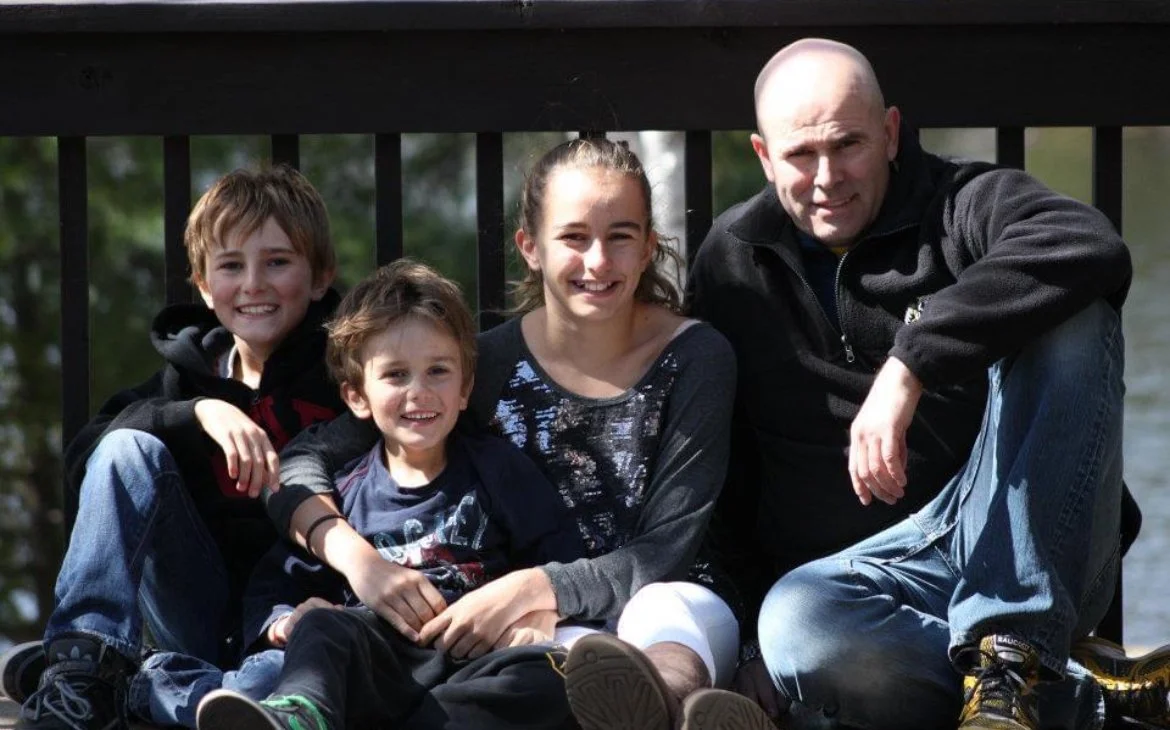
The hardest part of losing a child is not the funeral. It is learning to live with the guilt, unanswered questions, and fear that your child will be forgotten. Chris Coulter shares what grief looks like ten years after losing his daughter Maddie and offers practical ways to support bereaved parents with compassion, presence, and remembrance.
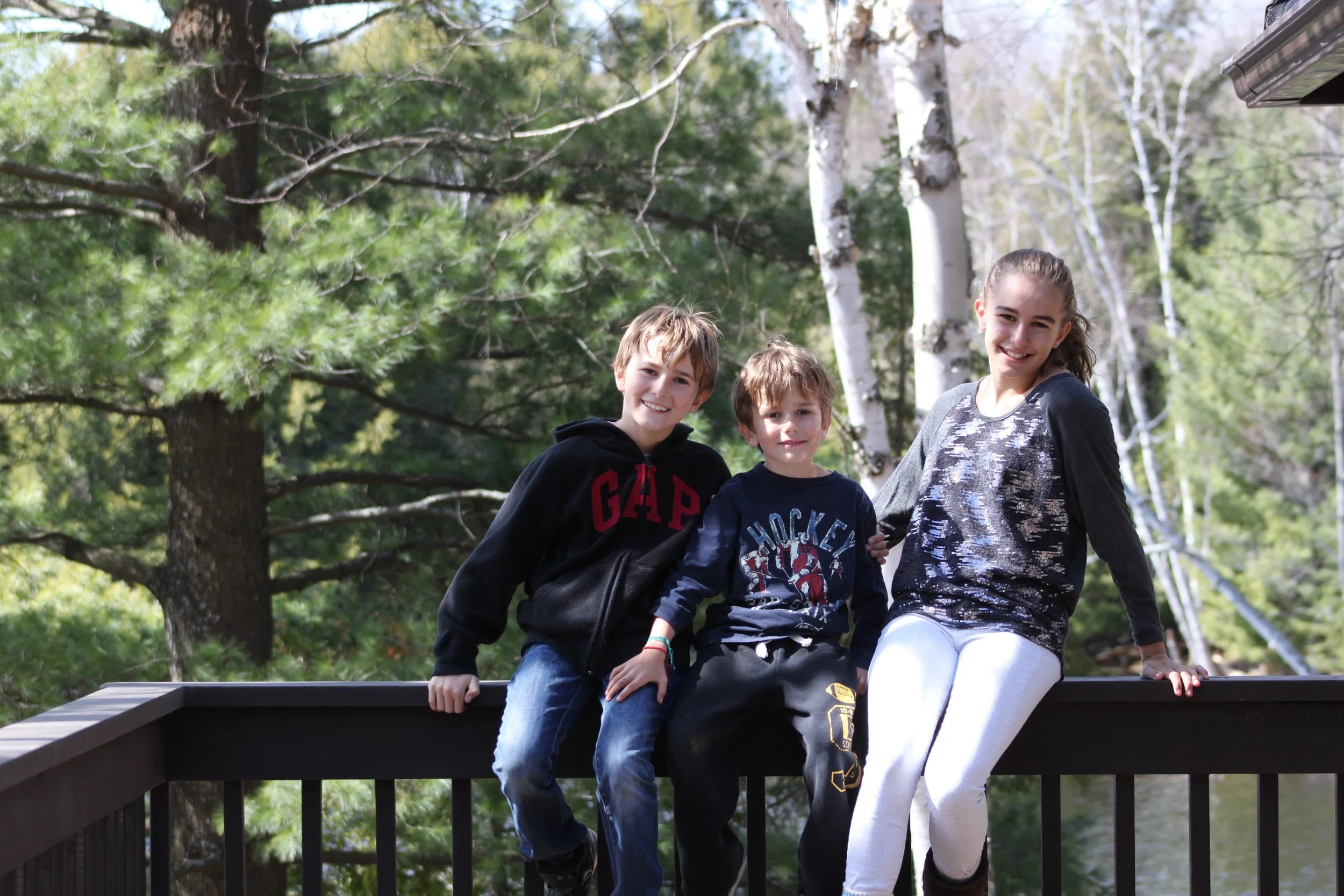
Father’s Day is My Third Hardest Day of the Year
For most people, Father's Day is a celebration. For Chris Coulter, it ranks third behind the day he lost his daughter Maddie and her birthday. A reflection on grief, fatherhood, and what it means to keep showing up.
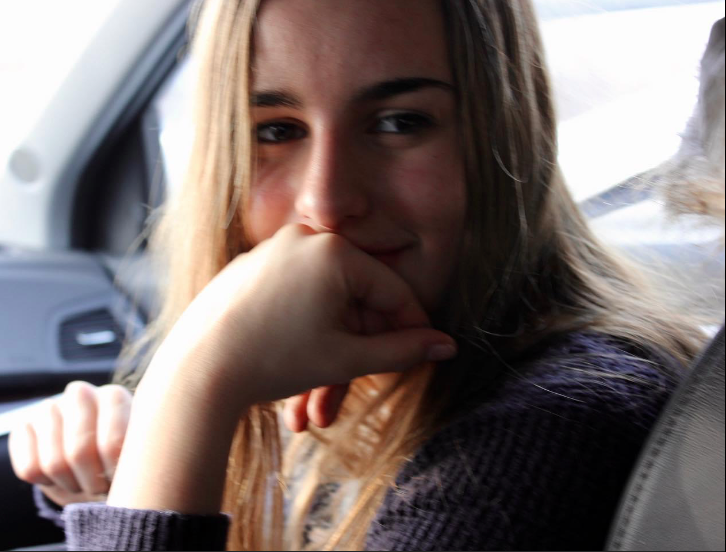
Most Parents Are Looking for the Right Conversation. They're Looking in the Wrong Place.
Teenagers do not open up when you sit them down and ask how they are doing. They open up when the pressure drops. The car. The kitchen. A walk. Side by side instead of face to face. This post is about why where you are when you talk matters more than what you say — and one conversation with Maddie that proved it.
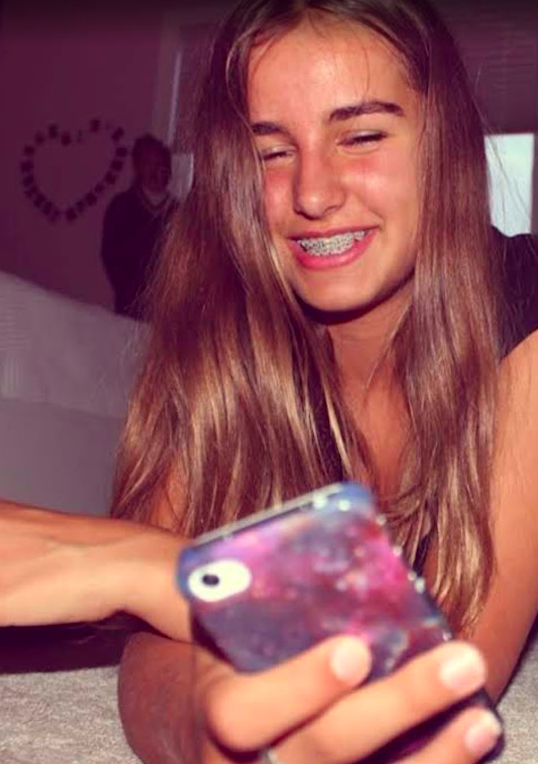
Lived Experience is Not a Consolation Prize
Chris Coulter lost his daughter Maddie in 2015. He is not a therapist or clinician. He is a father who survived the worst thing a parent can face and decided that could not be the whole story. This piece explores why lived experience is a legitimate credential and why it reaches people clinical training sometimes cannot.
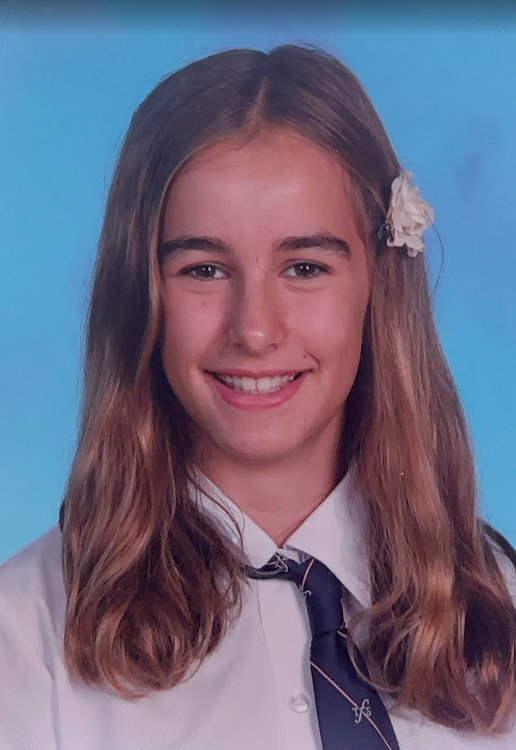
The Things That Outlast the Person
When someone you love dies, ordinary objects become something else entirely. A hoodie. A playlist. A card in a drawer. This piece explores what grief does to the things they left behind, why holding on is not the same as being stuck, and how you will know when the time is right to let go.

The Girl Who Helped Everyone Else
The kid who helps everyone else — the capable one, the connected one — is often the one nobody is watching. They have learned that their job is to hold things together, not to fall apart. This post names the warning signs hidden behind a helper's strength and what parents can do before it becomes a crisis.
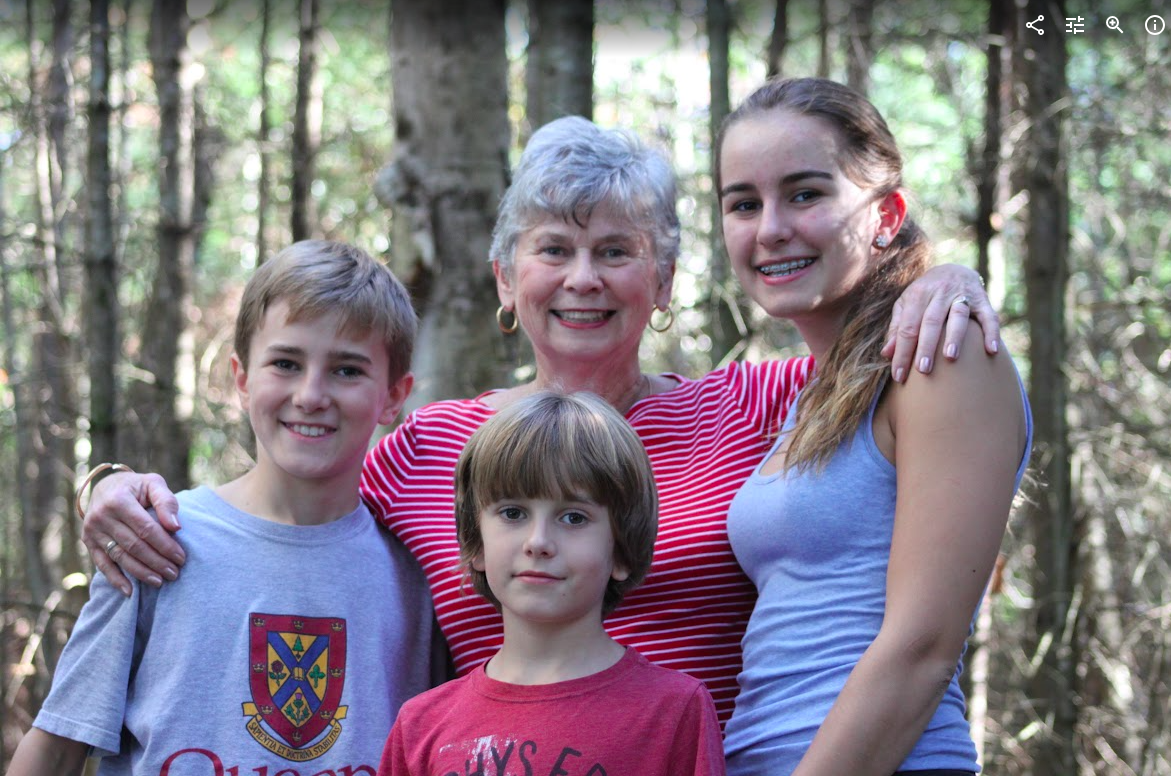
What They Left Behind, and the Lessons That Move Me Forward
Grief does not always arrive as tears. Sometimes it arrives as purpose. This post is about Carol Coulter, about Maddie, and about what two remarkable women who are no longer here have taught me about how to live while they are gone.
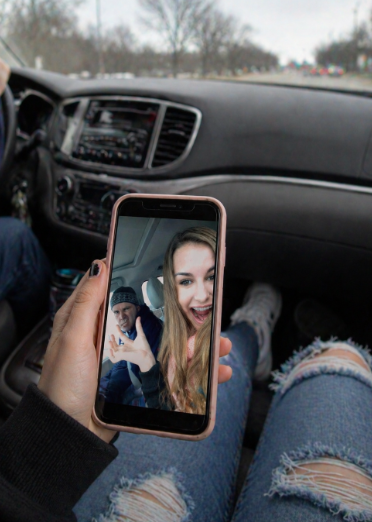
She Introduced Her Daughter to Maddie in the Car
Someone asked me to stop sharing Maddie's photos. Days later, a mother handed her phone to her teenage daughter fighting addiction — and let her scroll. What happened next is the only answer that matters. This is why Maddie's presence in this work is not grief on display. It is purpose.

Mental Health Belongs on LinkedIn. Here Is Why Your Business Depends on It.
Someone told Chris Coulter his mental health posts don't belong on LinkedIn. He disagrees. And the research backs him up. Here is what the data says about what your employees are carrying, and what it is costing your organization.