
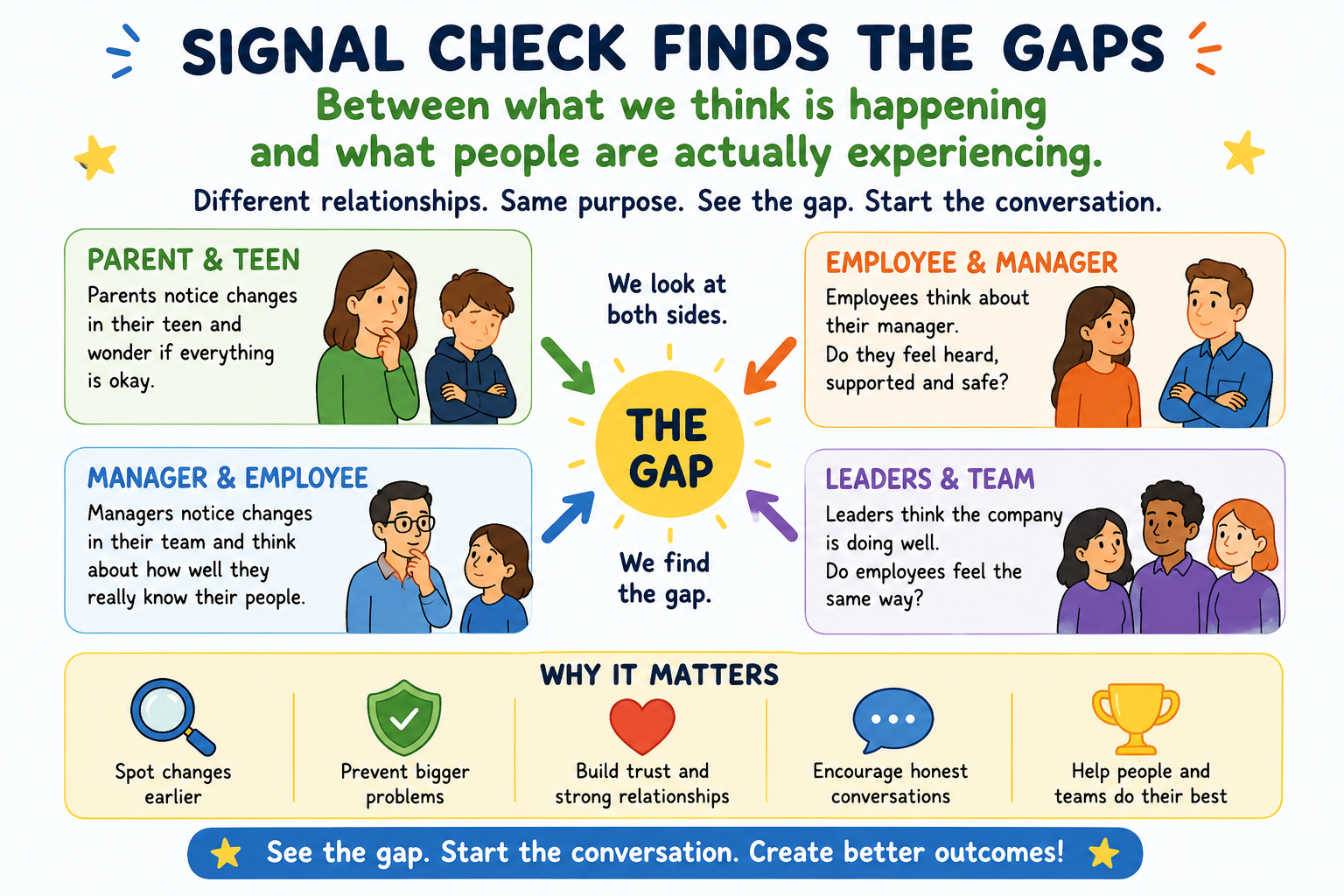
We Have a Recognition Problem
Mental health support often begins after someone asks for help. But what happens before that? Chris Coulter explores the recognition gap facing parents, managers and employers, and how Teen Signal Check, Manager Signal Check and Culture Signal Check can help identify changes, blind spots and disconnects earlier, before assumptions replace conversations.
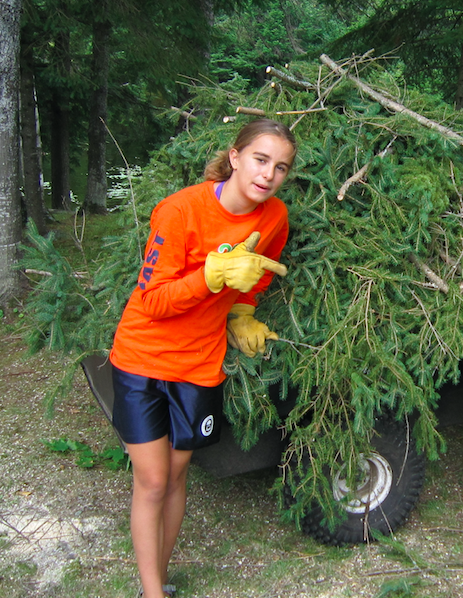
Teen Suicide Warning Signs Parents Miss: Why "It Won't Happen to Us" Is Dangerous
After my 14-year-old daughter Maddie died by suicide, I created a talk called "Wake Up: You Could Lose Your Teen to Suicide." Four parents signed up. The school cancelled. Most parents believe "that would never happen in our family." But 40% of teens experience significant mental health changes during adolescence—and many won't tell their parents. The warning signs were there. I just didn't know what I was looking at.
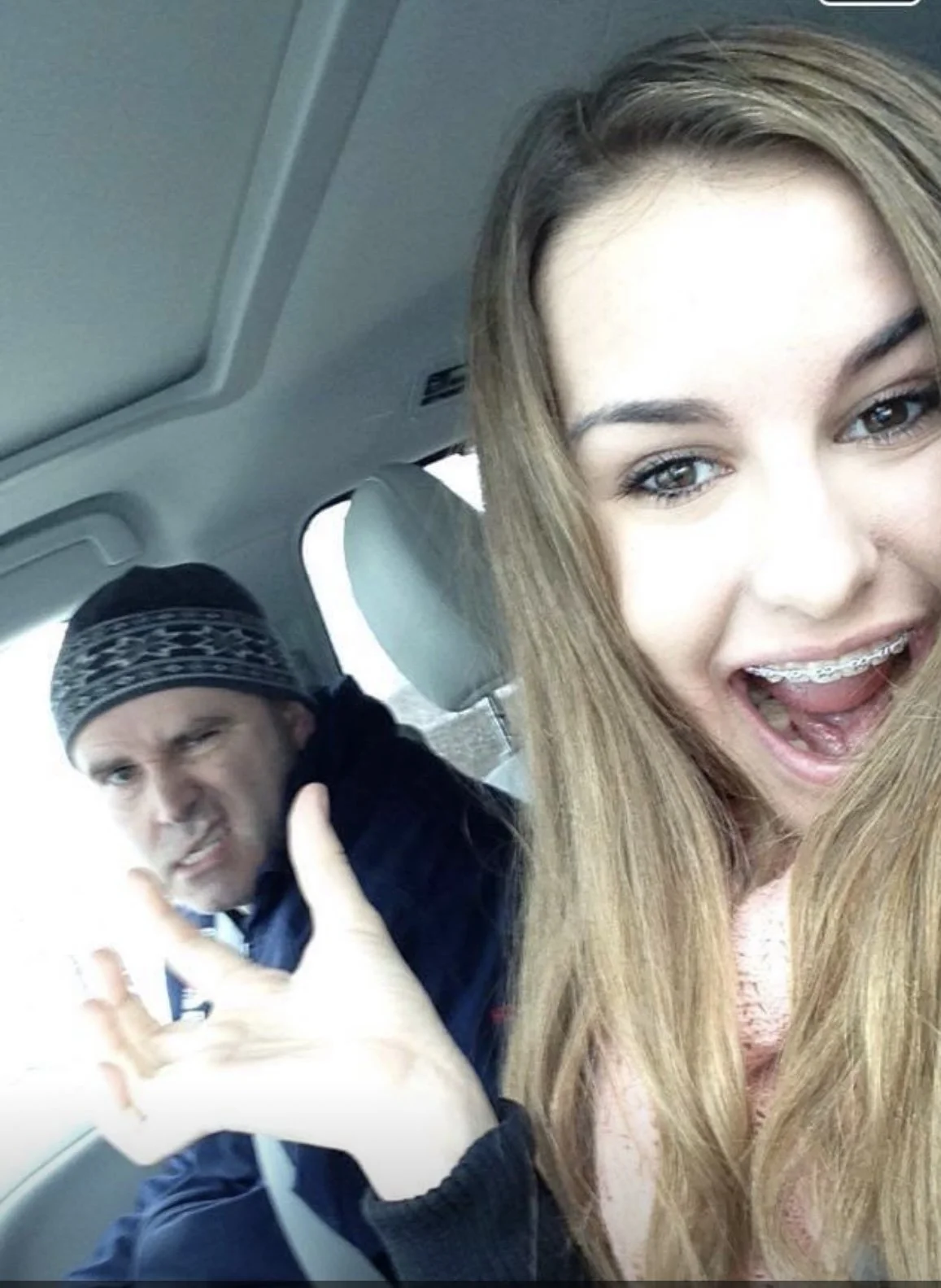
Why I Still Talk About Maddie
People wonder why I still talk about my daughter. She died in 2015, she was fourteen, and there's a quiet expectation that a dead child gets a shorter runway than a living one. This is my answer. It's about who Maddie actually was, the videos she left behind without meaning to, what it costs me to tell her story, and why the silence people offer out of kindness is the hardest part.

You Can Worry About Your Teenager Without Telling Anyone
Four parents signed up for my teen suicide prevention talk. The school cancelled it, and I spent six months deciding the parents who stayed home were in denial. I was wrong. A sign-up sheet is a public act. You can be deeply worried about your teenager and still not want your name on a list in the school office. Here is what I learned running these sessions since, and what to do when you are quietly worried.