
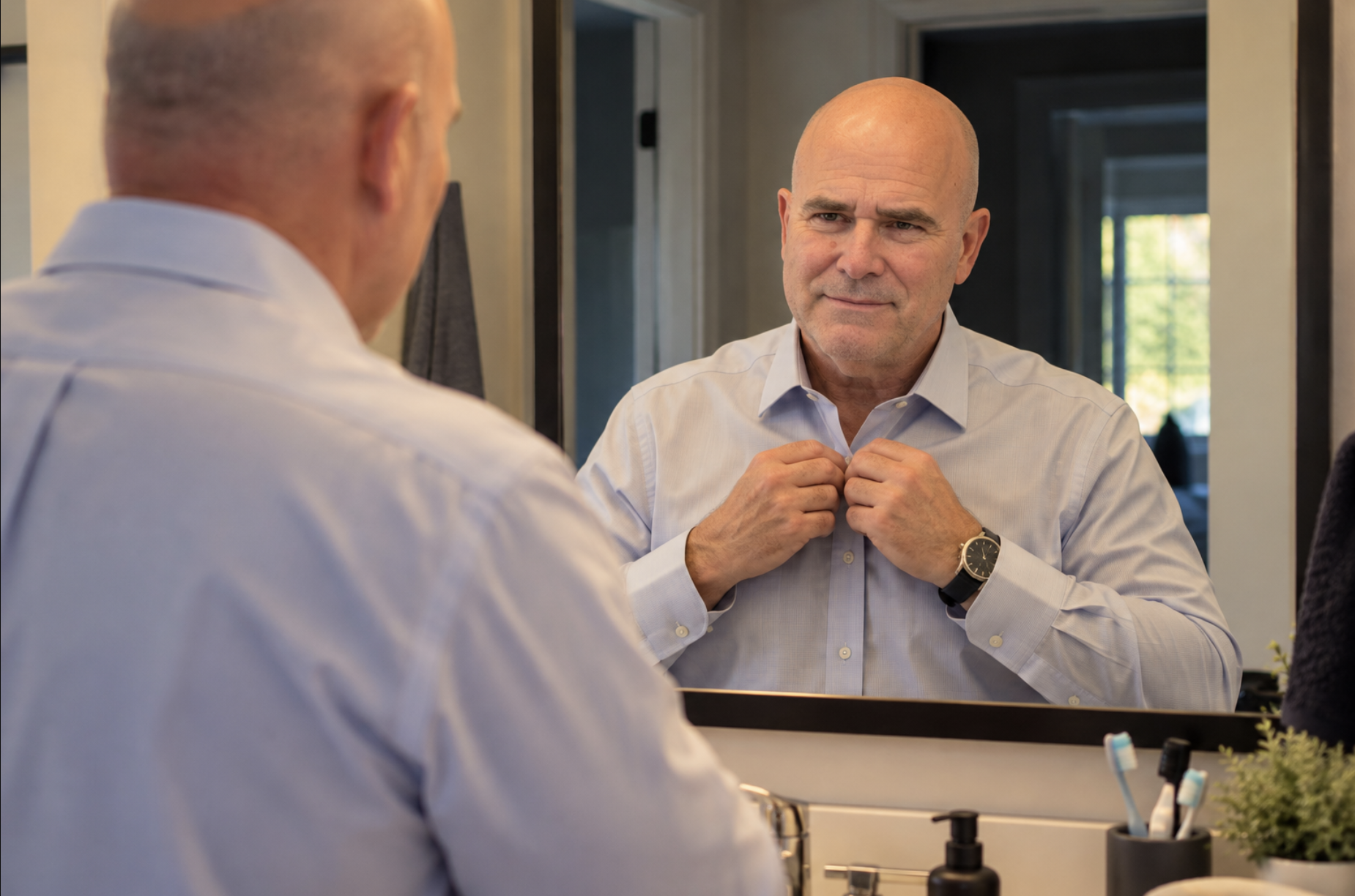
I Used to Judge Parents Who Lost a Child to Suicide
When a parent loses a child to suicide, people quietly judge. Chris Coulter used to as well, before he became one of those parents. After more than 3,000 conversations with families of struggling teens, he has found almost no common thread in who they are: married or divorced, rich or broke, every faith and background. What the kids shared was feeling more alone than supported.

Somebody Has to Notice First
A mental health practitioner told Chris Coulter he had no right to offer parents the Teen Signal Check because he isn't licensed. He agrees he doesn't diagnose. Here he explains how The MentorWell grew from teen mentorship into tools that help parents spot teen mental health warning signs sooner, why mentorship and therapy do different jobs, and when to get professional help for your teenager.

The Mental Health Checklist I Wish I Had When Maddie Was 14
They spend more time alone. They stop talking as much. They're on their phone more. Something feels different and you can't put your finger on it. Six things a parent can do when they've noticed a change in their teenager and don't know whether it means anything, including what to ask instead of how was your day, when to bring in someone who isn't you, and what changed in one house afterwards.
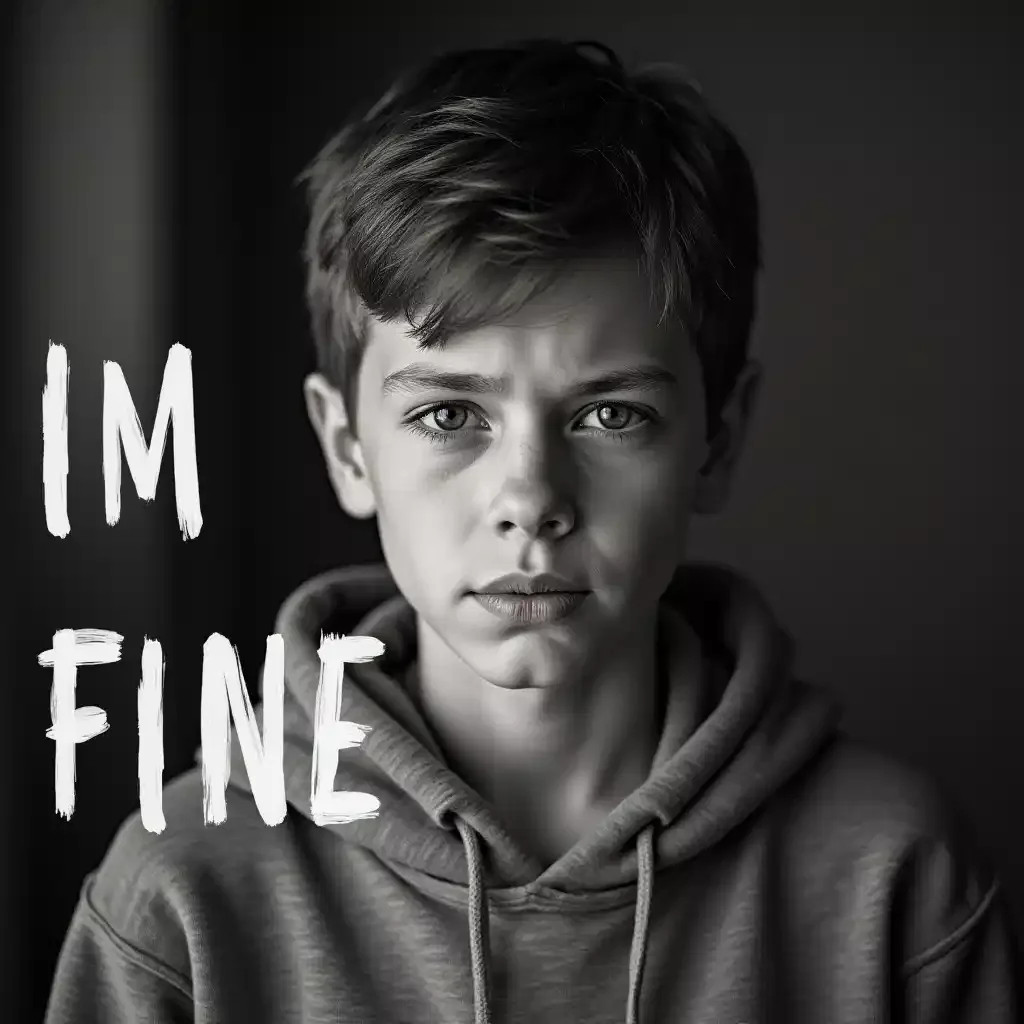
Boys Send the Signal as Attitude
Boys rarely say they're sad. They go short, retreat to their room, and answer everything with "I'm fine." Most parents read that as normal teenage behaviour, and most of the time they're right. Sometimes it's grief with no language attached. A father writes about why attitude is often the only signal a boy can send, and what to do when you're already noticing something.
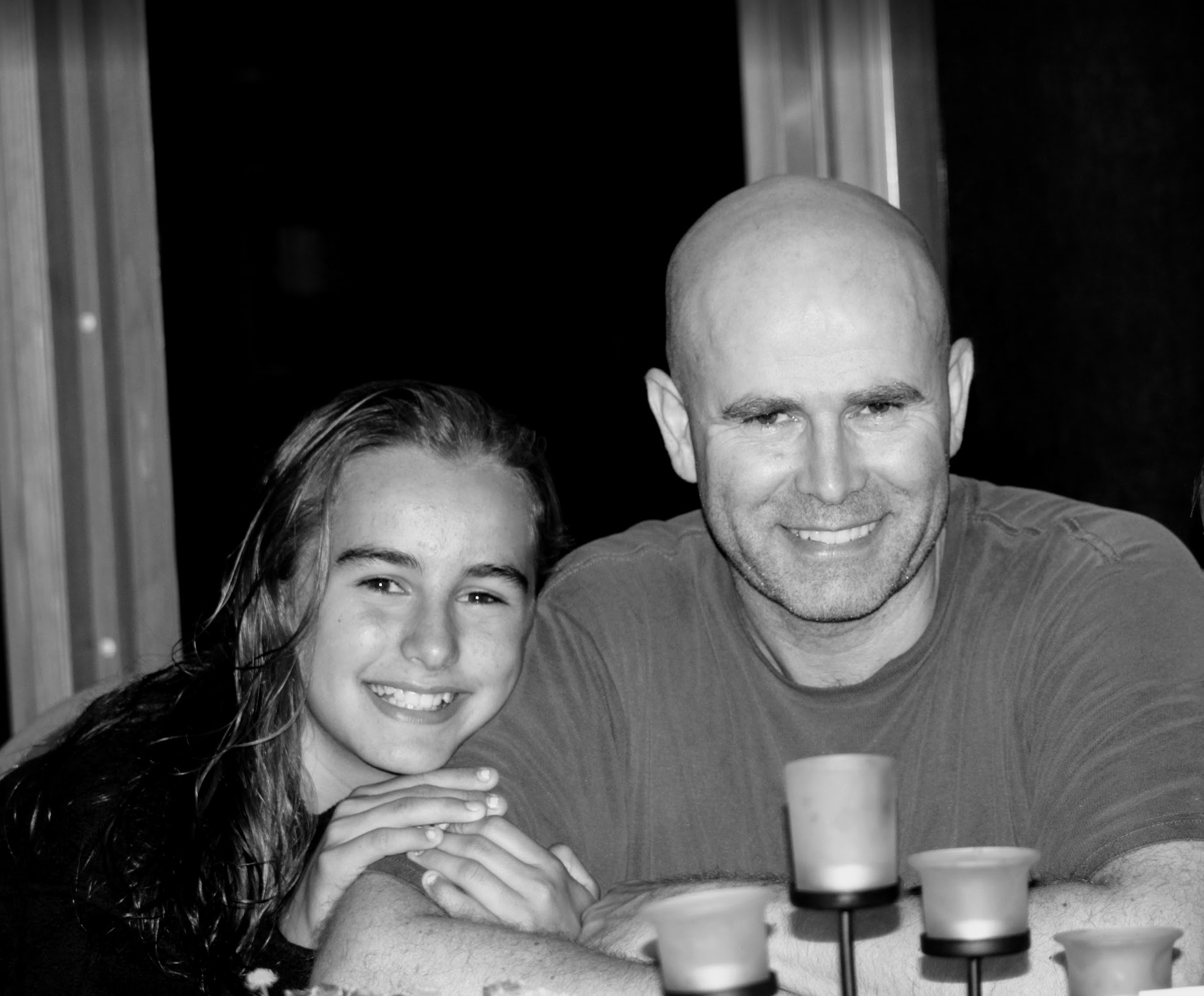
I Wrote About Depression When Maddie Was 12. I Never Asked If She Was Okay.
In October 2012 I published my first post about depression. I'd been seeing a psychiatrist for four years and took a careful inventory of my own life every few weeks. My daughter Maddie was twelve. She appears in that post once, as evidence I was doing fine. Knowing about depression and seeing it in the person across the table are two different abilities, and I confused them.

The Gap
Ask a parent how their kid is doing and you get an answer, not a guess. Ask a manager about the person ten feet away, same confidence. Nobody is lying. Everyone is answering from what they were shown, and somebody decided what that would be. Chris Coulter on why the people closest to you tell you least, what we measure instead, and the question worth sitting with.

She Would Have Told Me
I believed my daughter would tell me if something was wrong. Not confidence. Something closer to how you believe the floor will hold. Every quiet week, every look I couldn't read, went through that filter and came back fine. Chris Coulter on why teenagers often hide more from the parents they're closest to, what that belief was really doing, and the question to ask when your teenager won't talk to you.

I Thought I Would Know if My Child Was Hurting. I Was Wrong.
Chris Coulter thought he knew his daughter better than anyone. A quiet four-hour drive home from Prince Edward Island proved him wrong in ways he wouldn't understand for years. This piece looks at confirmation bias in parenting, why "fine" isn't proof of anything, and the early warning signs of teen depression that get explained away. For parents who assume they'd know if something was wrong.
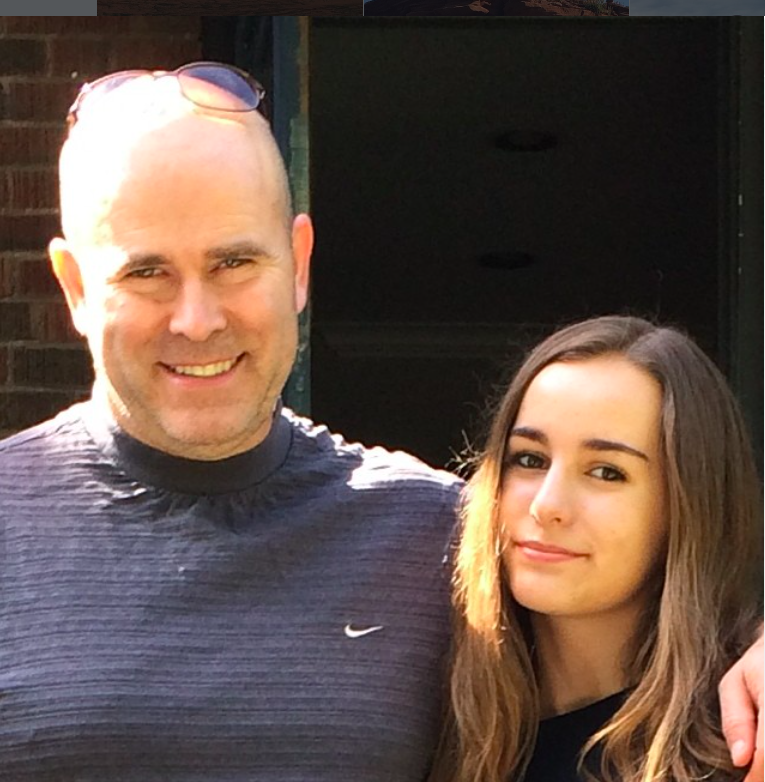
Love Isn't Always Enough. That Truth Nearly Broke Me
Love is why parents show up. But love alone does not teach you how to recognize when your child is struggling. Chris Coulter writes from eleven years of hindsight about the gap between loving deeply and seeing clearly, and why awareness is a skill every parent can learn.

Experience Teaches. Learning Follows. Everything Else Becomes Regret.
Chris Coulter shares seven honest lessons about parenting a teenager, drawn from lived experience and regret. Written for parents who still have time to listen longer, fix less, and say what matters. A personal reflection rooted in loss and the hope that another family gets a different story.

Maddie Never Got to Be 26. This Is Her Legacy
Maddie would have been 26 today. Twelve birthdays without her. The Teen Signal Check she inspired has now been taken by more than 10,000 parents. 48% had their instincts confirmed. This is about silence, awareness, and the window parents have before worry becomes crisis. Three minutes tonight could change what happens next.

The Feeling I Wish I Had Trusted Before I Lost My Daughter
48% of parents who took the Teen Signal Check discovered their teen needed more attention than they realised. 52% Green. 30% Yellow. 18% Red. Three minutes. 14 questions. Built by a father who missed the signs and spent everything he had since making sure other parents don't. Free at thementorwell.com.
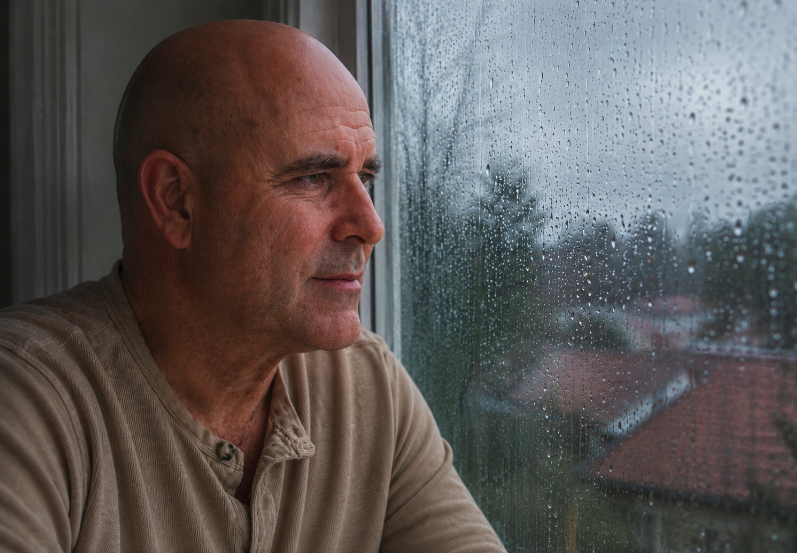
Why I Built a Private Community for Parents of Struggling Teens
Most parent groups start with energy and quietly die. When Something Feels Off is different. Built on Skool by a parent who lost a child and needed a safe room that didn't exist, this private community gives parents of struggling teens a place to think out loud, get informed, and stop carrying it alone. 217 parents and growing.
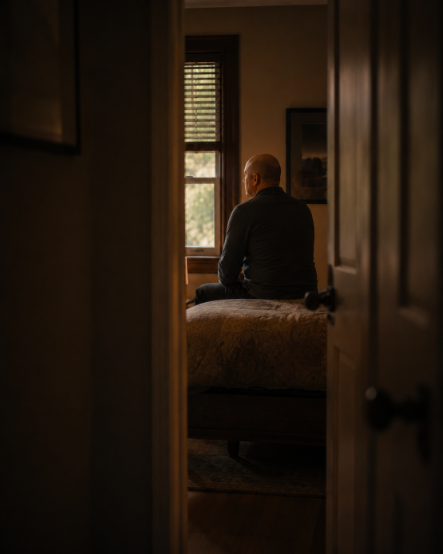
The Signs Were There. I Just Didn't Know What I Was Looking At.
The early signs of teen struggle rarely look dramatic. Irritability. Withdrawal. Sleep changes. Loss of interest in things they used to love. Most parents see these patterns and assume it's a phase. Sometimes it is. Sometimes it's the beginning of something that needed attention weeks ago. This post helps parents notice the difference — calmly, and before the window closes.

When Something Feels Off
Parents often notice something is wrong with their teenager before they can name it. This post helps you trust that instinct, recognise the early warning signs of teen depression and anxiety, and take one small step before the silence becomes a wall. You are not overreacting. You are paying attention. That matters.

Five Things Losing a Child to Suicide Taught Me About Parenting
Chris Coulter lost his daughter Maddie to suicide in April 2015. She was 14. In the decade since, he has had over 2,000 conversations with parents and built The MentorWell around what teens actually need from the adults in their lives. This post shares five hard-won lessons about listening, presence, and connection — for parents who still have time to pay closer attention.

What Didn’t I See?
The signs that something is wrong with your teenager are rarely obvious. They are small shifts — less talking, less laughing, a door that stays closed. Parents miss them because each one feels like a phase. This post names what early teen mental health warning signs actually look like and what to do when you notice them.

The Girl Who Helped Everyone Else
The kid who helps everyone else — the capable one, the connected one — is often the one nobody is watching. They have learned that their job is to hold things together, not to fall apart. This post names the warning signs hidden behind a helper's strength and what parents can do before it becomes a crisis.
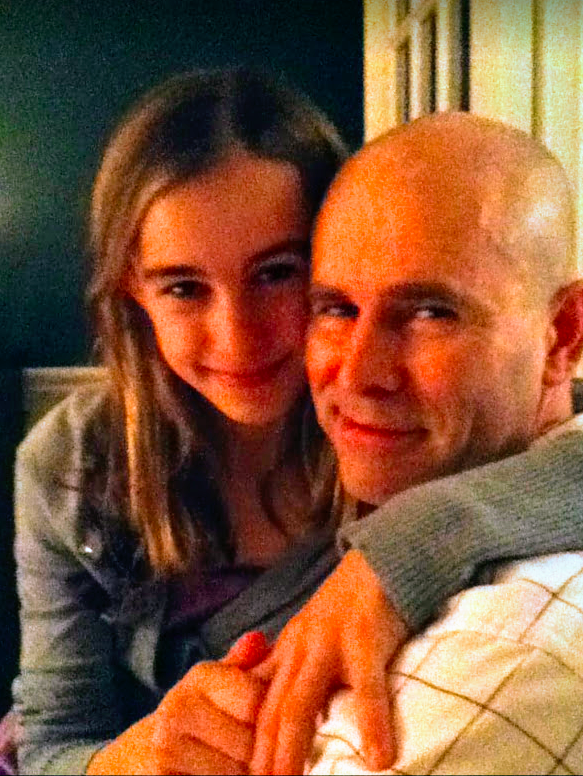
My Kid Would Tell Me. Are You Willing to Bet Their Life on It?
"My kid would tell me if something was really wrong." It sounds like confidence. It functions like a blind spot. This post is about what that assumption costs parents — and what awareness actually looks like before it is too late.
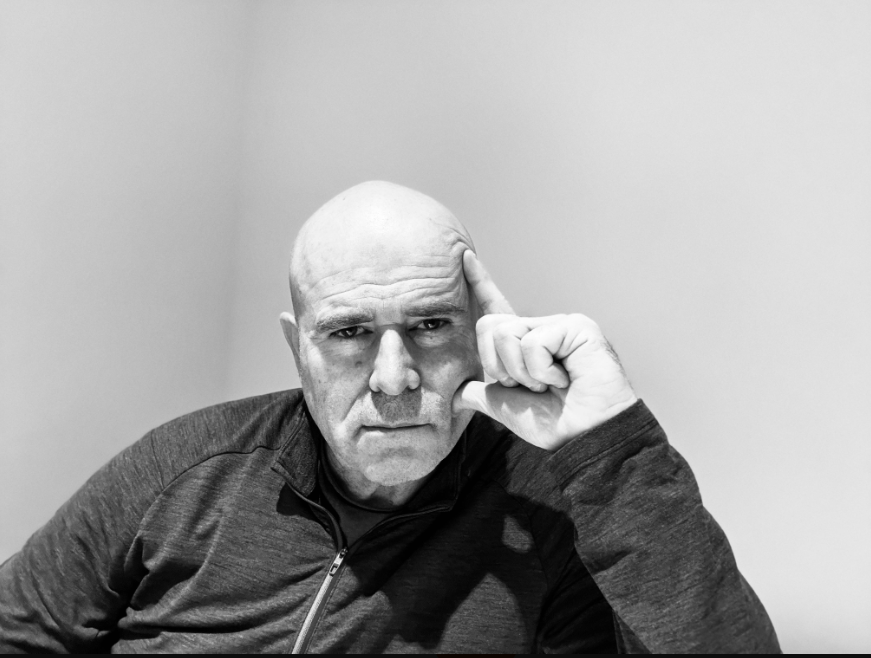
The Question Parents Ask Me When the House Is Quiet
Most parents are not looking for a diagnosis. They are looking for reassurance that they are not failing their child. If you have ever felt something was off with your teenager but could not name it, you are not overthinking it. You are paying attention. That matters more than you think.