
HR Can Build the Programme. HR Can't Make It Safe.
A mental health programme only works if people believe it's safe to use. Chris Coulter, founder of The MentorWell, shows how psychological safety at work gets set at the top: by a CEO who says something true about their own life, or who responds well when a leader discloses a struggle. Includes a real CEO story for leaders and HR teams, and what it costs when good people leave without saying why.

What Happened Last Night Is Sitting in Your 9 A.M. Meeting
Somebody on your team sat outside their kid's bedroom last night and was on your 9 a.m. call anyway. Gallup now finds more US workers struggling in their lives than thriving. Most will never tell their manager, because they don't believe it's safe. They don't complain. They start looking. And the reason they give in the exit interview is never the real one.
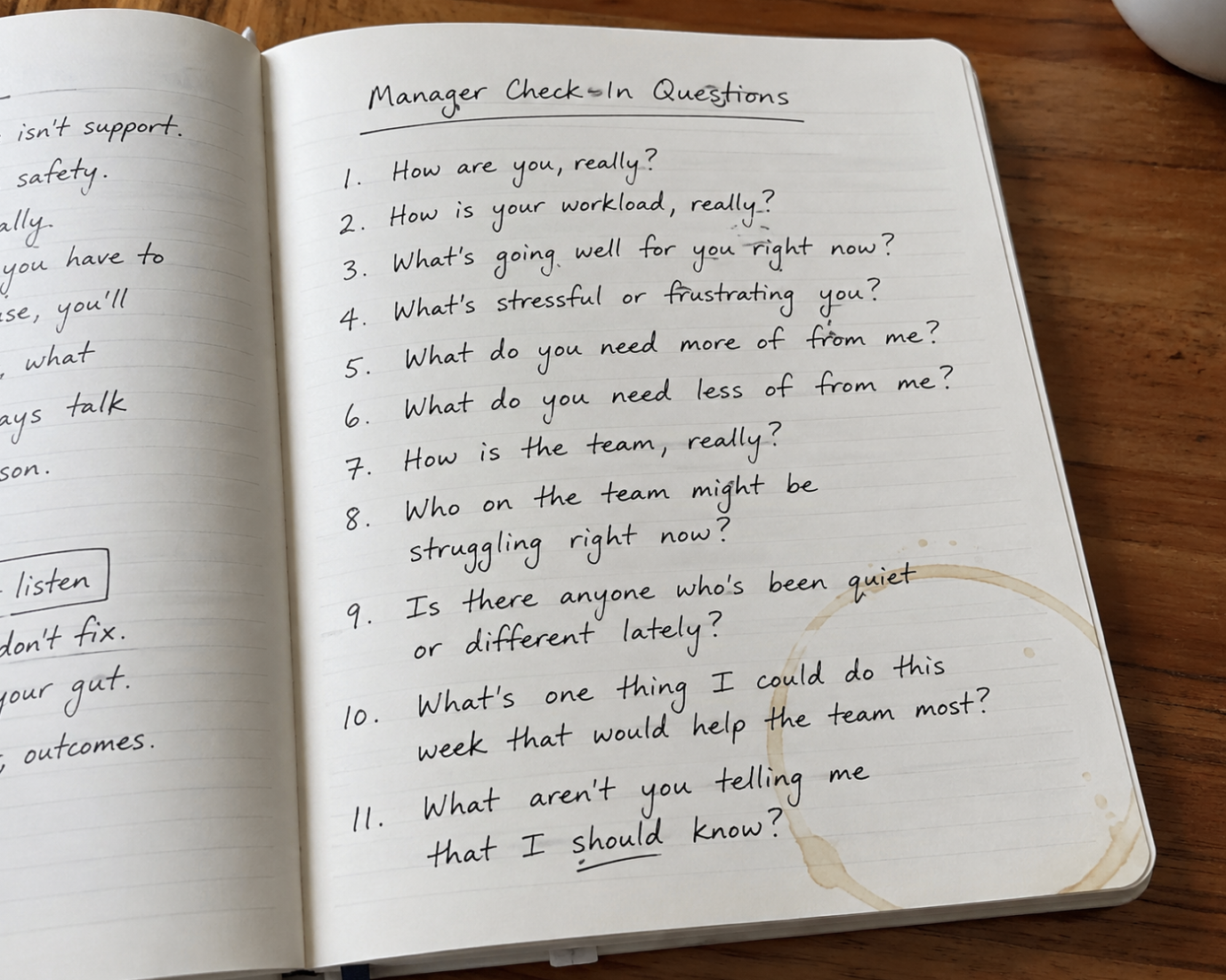
How Well Do You Actually Know Your Team
Most managers are most confident about the people they've known the longest, and least informed about the one who never causes a problem. The Manager Signal Check is a ten minute self-assessment that measures what you actually know about your team. No employee is named or rated. Nobody sees your results. Built for managers who want the conversation to happen before the resignation does.

Someone Just Broke Down in Your Office. You Have Four Seconds.
When an employee breaks down in your office, your instinct is to fix it, hand over a resource, or route them to HR. In the first moment, each one makes it worse. This is a manager's guide to what to actually say when someone shares a personal struggle at work: the first line that keeps them in the room, the small choices to offer, the follow-up three days later, and the two instincts to kill on the spot. No clinical skill required.
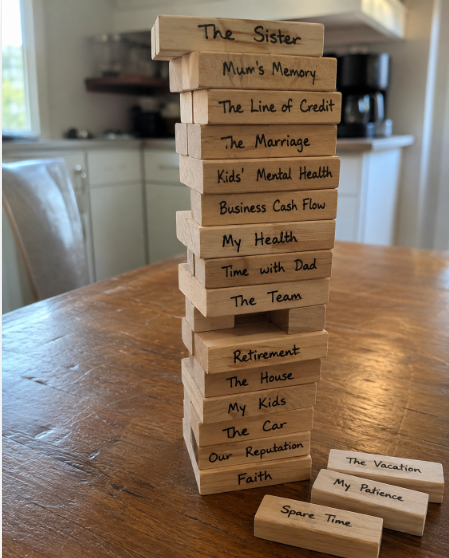
The Conversation Is Coming Either Way
There is no date anyone can point to. No incident. Just a sentence in a review about losing a step. Chris Coulter on what your employee is actually carrying, why the 2 a.m. loop determines your 10 a.m. meeting, and the choice every leader makes by default: have the real conversation now, or pay 50 to 200% of their salary to start over with a stranger in eighteen months.

What If Your Best Employee Is Carrying Five Major Life Challenges Right Now?
Your best employee looks fine. They meet deadlines, answer emails, show up on time. What you can't see is the child in crisis, the aging parent, the grief that never left. This post looks at how parenting stress and personal crisis affect work performance, why presenteeism costs more than absenteeism, and what leaders can actually do without becoming a therapist.

The Avoidable Resignation Letter
Most managers can identify the exact moment they missed. A quiet one-on-one. A late message. A Friday afternoon where something felt off. The Manager Signal Check helps you act before the window closes.
The 30 Seconds That Decide Whether Your Best People Stay or Leave
Chris Coulter of The MentorWell makes the case for supporting whole employees — not just the 9-5 version. From teen mental health to aging parents to financial stress, the employers who show up when it matters earn loyalty no salary can buy. For HR leaders and executives at companies with 50-500 employees.
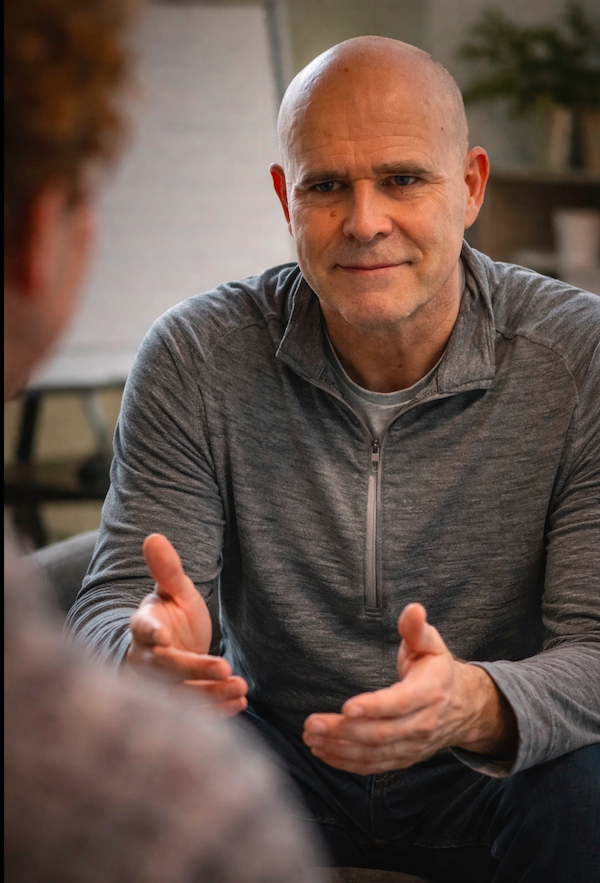
You’re Not Bad at This. You Were Just Never Taught.
Most managers want to support their struggling employees. They freeze because nobody gave them a framework for the first 90 seconds. First Conversation Coaching gives managers the exact language to open the conversation that keeps someone in the door — instead of the one that accidentally signals it isn’t safe to be honest here.

Your Competitor Just Became the Company Parents Choose Over You
Two types of companies compete for the same talent. Type A says "leave personal life at the door." Type B supports the whole human. When 1 in 4 working parents has a teen in crisis, parents are screening for which type you are in interviews. They're asking: "What happens if my kid has a crisis?" One answer loses talent. One builds loyalty. The companies choosing Type B aren't being nice—they're being strategic.