
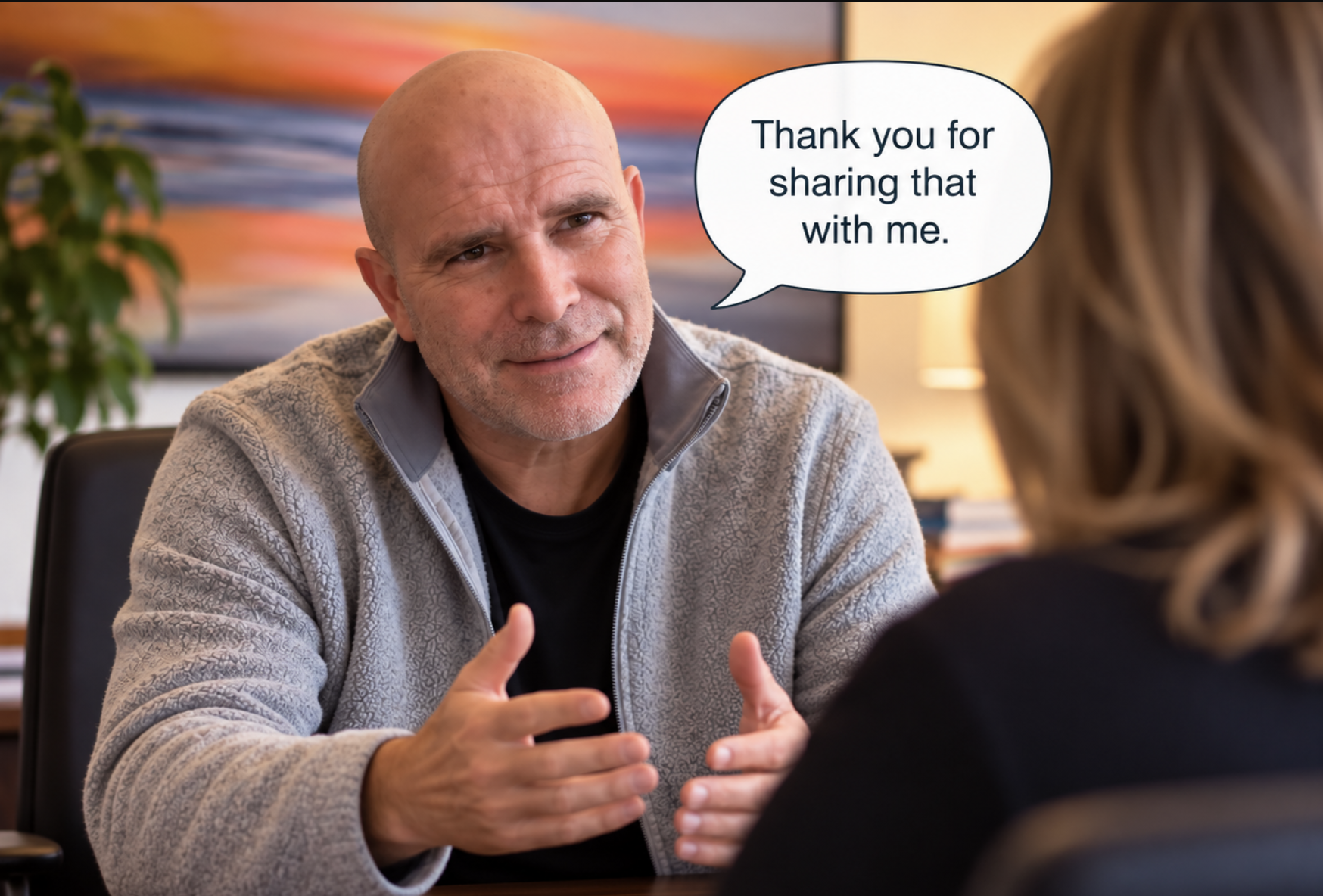
“Do You Have a Minute?” The Conversation Most Managers Aren’t Ready For
A top sales rep closes her manager's door and says her son hasn't been to school in two weeks. Chris Coulter, founder of The MentorWell, walks through five things leaders can do when an employee shares a personal struggle: thank them, listen, ask what they need, leave the reassurance out, and follow up. Plus why this conversation matters for retention, and what it costs when it goes wrong.
HR Can Build the Programme. HR Can't Make It Safe.
A mental health programme only works if people believe it's safe to use. Chris Coulter, founder of The MentorWell, shows how psychological safety at work gets set at the top: by a CEO who says something true about their own life, or who responds well when a leader discloses a struggle. Includes a real CEO story for leaders and HR teams, and what it costs when good people leave without saying why.
Why "Is Everything Okay?" Gets You Nothing
My daughter told me the truest thing she ever said while we were driving home from swim practice. Nothing about that conversation was planned, and that was the point. Sitting across a desk and asking someone to be honest puts them on a stage. Teenagers read it instantly and so do employees. This is about why the check-in fails, and where real answers actually happen.

If Your Employee Is Struggling, Isn't That HR's Problem?
An employee breaks down in a manager's office, and the manager's instinct is to reach for HR. It feels responsible. It's often the worst thing you can do in that moment. This is about the difference between routing someone and staying with them, why "that's HR's job" produces the crises it's meant to prevent, and why noticing your people early is a management skill, not a clinical one.
Mental Health Leave Is the Last Signal: What HR Misses Before Employees Break
By the time an employee requests mental health leave, the signal has been there for months. Most managers saw it. Nobody knew what to say. This post is for HR leaders and people managers who want to close the gap between noticing and acting — before they lose someone they could have helped.

Mental Health Belongs on LinkedIn. Here Is Why Your Business Depends on It.
Someone told Chris Coulter his mental health posts don't belong on LinkedIn. He disagrees. And the research backs him up. Here is what the data says about what your employees are carrying, and what it is costing your organization.

For Maddie: Why The MentorWell Exists, And How It Got Here
In 2015, Chris Coulter lost his 14-year-old daughter Maddie to suicide. What followed was ten years of listening to families, building what they told him they needed, and turning the worst moment of his life into something that protects other families before it's too late.

The Inbox Diaries — Episode 2. "I Haven't Told Anyone at Work"
When a parent messaged Chris Coulter privately because her company frowns on honesty, it revealed something he’d been carrying too. When Maddie was struggling, he told no one at work. In a company of 200, roughly 30 employees are navigating a child’s mental health challenge silently. This article explores the cost of that silence and what it takes to fix the thirty seconds after someone says something real.
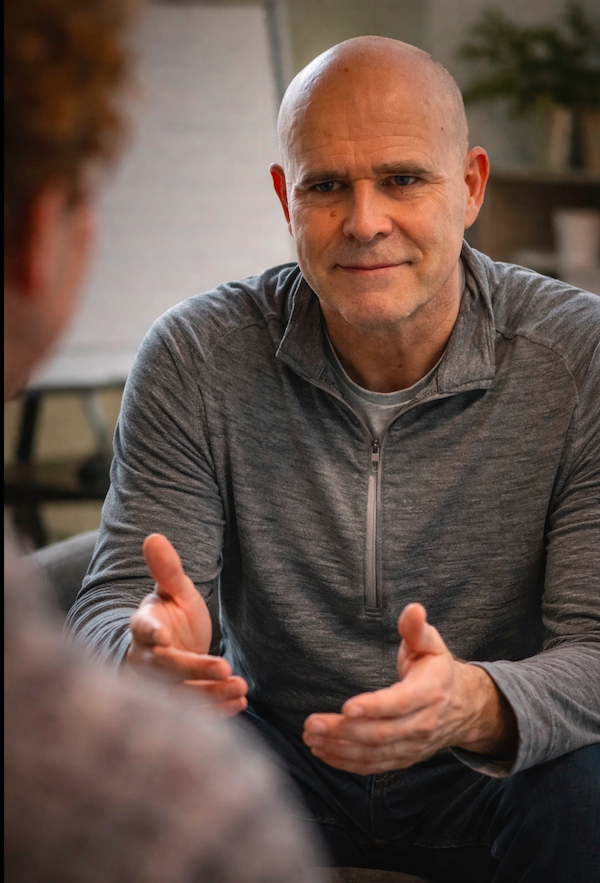
You’re Not Bad at This. You Were Just Never Taught.
Most managers want to support their struggling employees. They freeze because nobody gave them a framework for the first 90 seconds. First Conversation Coaching gives managers the exact language to open the conversation that keeps someone in the door — instead of the one that accidentally signals it isn’t safe to be honest here.