

I Wish Maddie Could Read the Messages I Receive
Earlier this year, someone asked Chris Coulter to stop sharing photos of his daughter Maddie. Days later, a mother told him she'd let her struggling daughter scroll through them in the car, and found someone who felt like a sister. These are the messages strangers send him every week, what they reveal about who parents tell first, and why he wishes Maddie could read them.

My Teenager Won't Talk to Me: 6 Ways to Help Them Open Up
Your teenager says they're fine. You know something's off. Six ways to make the first step smaller when your teen won't talk to you or anyone else, including why letting someone else be first is not a failure, and the one reassurance most parents offer that they will end up breaking. Plus what to do when you've tried everything and your kid still gives you nothing.
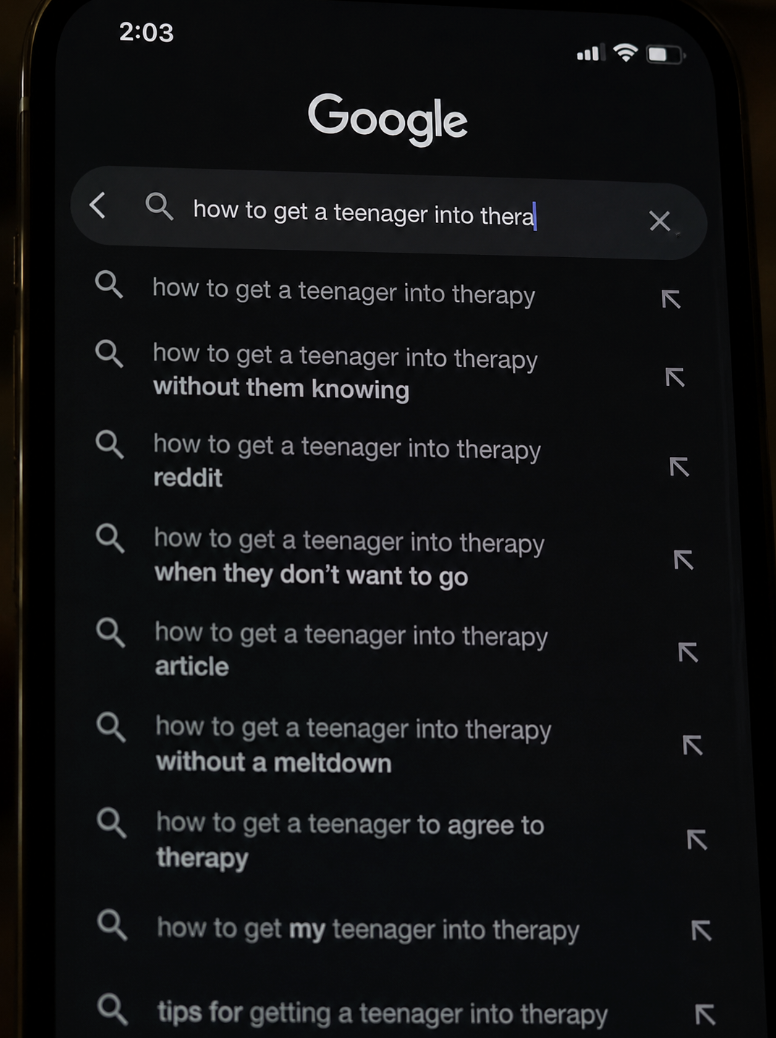
Your Teen Isn’t Refusing Therapy. They’re Refusing What Saying Yes Would Mean
You found someone, sorted the coverage, worked out how to raise it. And your teenager said no, with no reason attached. Most parents read that as stubbornness. It's usually something else. Six things a teenager is protecting when they refuse therapy, what to say instead of arguing, and what to do when the answer stays no.
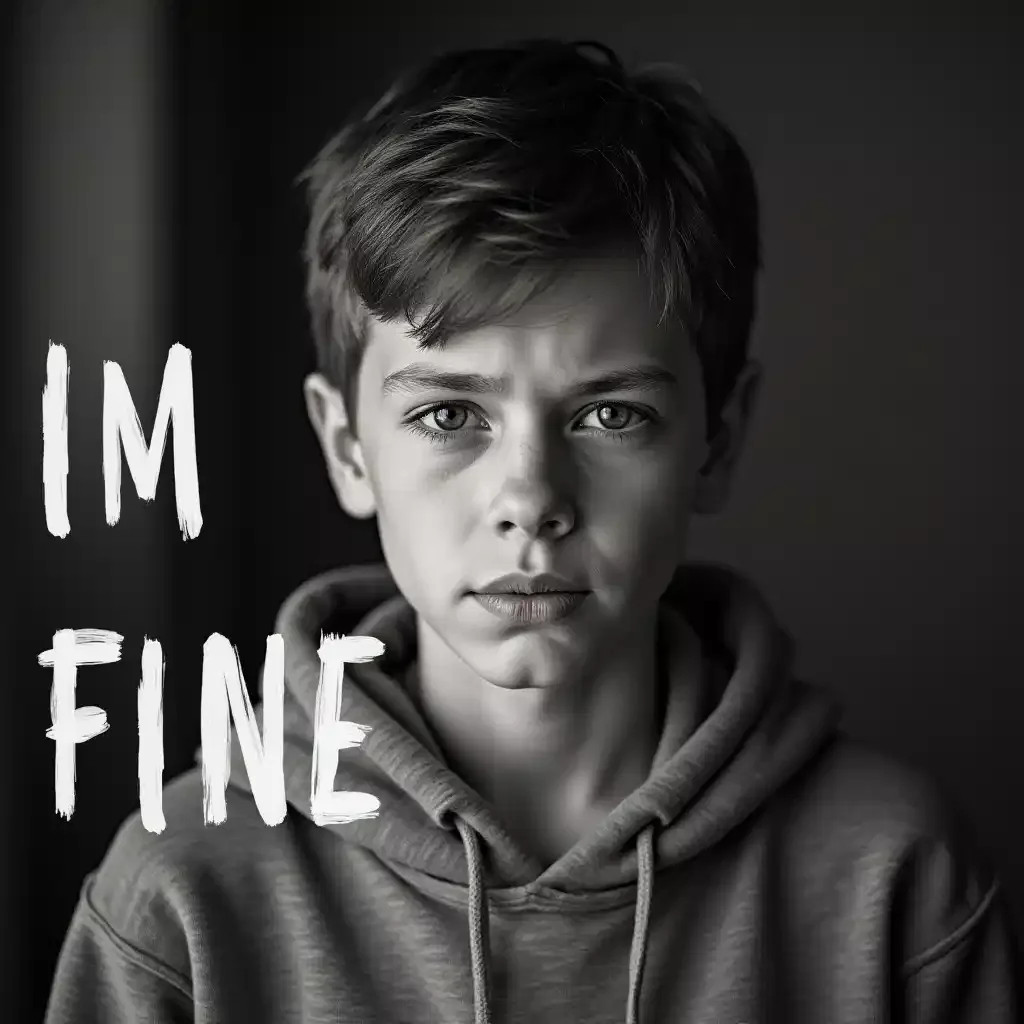
Boys Send the Signal as Attitude
Boys rarely say they're sad. They go short, retreat to their room, and answer everything with "I'm fine." Most parents read that as normal teenage behaviour, and most of the time they're right. Sometimes it's grief with no language attached. A father writes about why attitude is often the only signal a boy can send, and what to do when you're already noticing something.

The Gap
Ask a parent how their kid is doing and you get an answer, not a guess. Ask a manager about the person ten feet away, same confidence. Nobody is lying. Everyone is answering from what they were shown, and somebody decided what that would be. Chris Coulter on why the people closest to you tell you least, what we measure instead, and the question worth sitting with.

She Would Have Told Me
I believed my daughter would tell me if something was wrong. Not confidence. Something closer to how you believe the floor will hold. Every quiet week, every look I couldn't read, went through that filter and came back fine. Chris Coulter on why teenagers often hide more from the parents they're closest to, what that belief was really doing, and the question to ask when your teenager won't talk to you.

You Can Worry About Your Teenager Without Telling Anyone
Four parents signed up for my teen suicide prevention talk. The school cancelled it, and I spent six months deciding the parents who stayed home were in denial. I was wrong. A sign-up sheet is a public act. You can be deeply worried about your teenager and still not want your name on a list in the school office. Here is what I learned running these sessions since, and what to do when you are quietly worried.
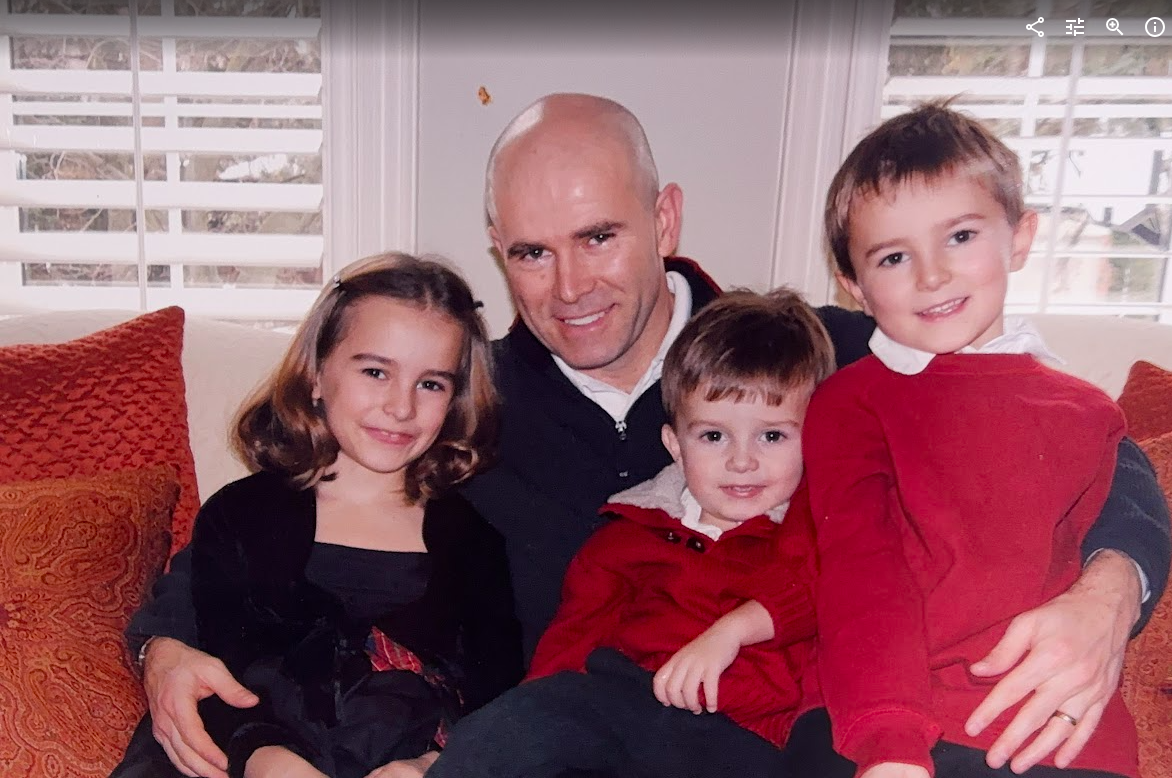
How to Navigate a Teen Mental Health Crisis Together
Worried your teenager is struggling with mental health? Learn the warning signs, the 5Rs framework, and practical ways to support your teen before a crisis escalates.

The Scariest Words a Parent Can Hear Are "I'm Fine"
Most parents accept "I'm fine" because the alternative feels harder. Chris Coulter writes about why teenagers use fine as protection, why parents let them, and what one extra question can do when you stay in the conversation a little longer than feels comfortable.

Experience Teaches. Learning Follows. Everything Else Becomes Regret.
Chris Coulter shares seven honest lessons about parenting a teenager, drawn from lived experience and regret. Written for parents who still have time to listen longer, fix less, and say what matters. A personal reflection rooted in loss and the hope that another family gets a different story.
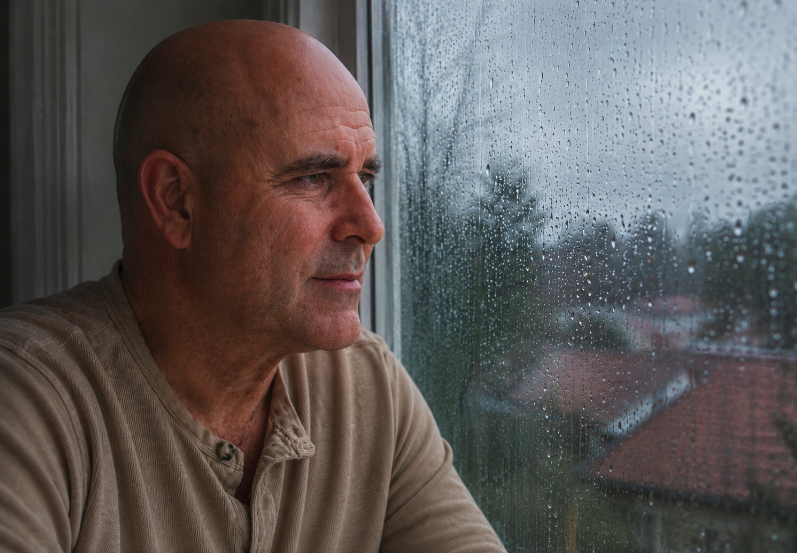
Why I Built a Private Community for Parents of Struggling Teens
Most parent groups start with energy and quietly die. When Something Feels Off is different. Built on Skool by a parent who lost a child and needed a safe room that didn't exist, this private community gives parents of struggling teens a place to think out loud, get informed, and stop carrying it alone. 217 parents and growing.

Why Teenagers Stop Talking to Their Parents
Most parents notice the silence before they understand it. This post breaks down why teenagers stop talking, including the small moments that close the door long before parents realize it's closed. Covers what drives teen withdrawal, what parents do that backfires, how to tell the difference between private and struggling, and what actually helps reconnect without pressure.
There's a Window. And Most Parents Don't Know It's Closing.
Most parents wait too long. By the time they realise their teenager has stopped talking to them, the distance feels permanent. But there is a window before that happens. A window to listen differently. To speak less. To build the kind of trust that makes a teenager want to share things rather than hide them. This post is for parents who can still feel that window and want to know how to use it.

When Something Feels Off
Parents often notice something is wrong with their teenager before they can name it. This post helps you trust that instinct, recognise the early warning signs of teen depression and anxiety, and take one small step before the silence becomes a wall. You are not overreacting. You are paying attention. That matters.
The Question Nobody Asks
Most meaningful conversations begin after the first answer. Whether you're wondering how to get your teenager to open up or how to talk to an employee about personal struggles, the second question often changes everything. Learn why staying in the conversation a little longer can strengthen trust, improve communication, and help you notice concerns before they become bigger problems.

Most Parents Are Looking for the Right Conversation. They're Looking in the Wrong Place.
Teenagers do not open up when you sit them down and ask how they are doing. They open up when the pressure drops. The car. The kitchen. A walk. Side by side instead of face to face. This post is about why where you are when you talk matters more than what you say — and one conversation with Maddie that proved it.

Five Things Losing a Child to Suicide Taught Me About Parenting
Chris Coulter lost his daughter Maddie to suicide in April 2015. She was 14. In the decade since, he has had over 2,000 conversations with parents and built The MentorWell around what teens actually need from the adults in their lives. This post shares five hard-won lessons about listening, presence, and connection — for parents who still have time to pay closer attention.