

"Fine" Is the Answer We Taught Our Kids to Give Us
Ask a teenager how their day was and you'll hear "fine." In my LifeLine Parent Workshops, almost every parent says one of the same five things next, and most of them end the conversation early. Here's why "How was your day?" works like a greeting, how to talk to your teenager without them shutting down, and two questions parents tell me get a real answer, even when they still get the eye roll.

She Used to Tell Me the Number
Your teenager comes home flat. You ask what happened and they say nothing. That can be the literal truth. Chris Coulter remembers when his daughter could name what upset her: a photo that only got forty-two likes. Today the pressure arrives in small pieces a teen can't explain. Here's why hunting for the incident backfires, and a better way to talk to your teenager about mental health.
6 Things Parents Mistake for Laziness That May Be Something Else
Is your teenager lazy, or is something else going on? Chris Coulter looks at six behaviours parents often mistake for laziness, from procrastinating to doing the bare minimum to dropping activities they used to love. Practical ways to respond, what may sit underneath, and how to tell when your teen's behaviour is normal and when it's a change from the kid you know.
Boys Send the Signal as Attitude
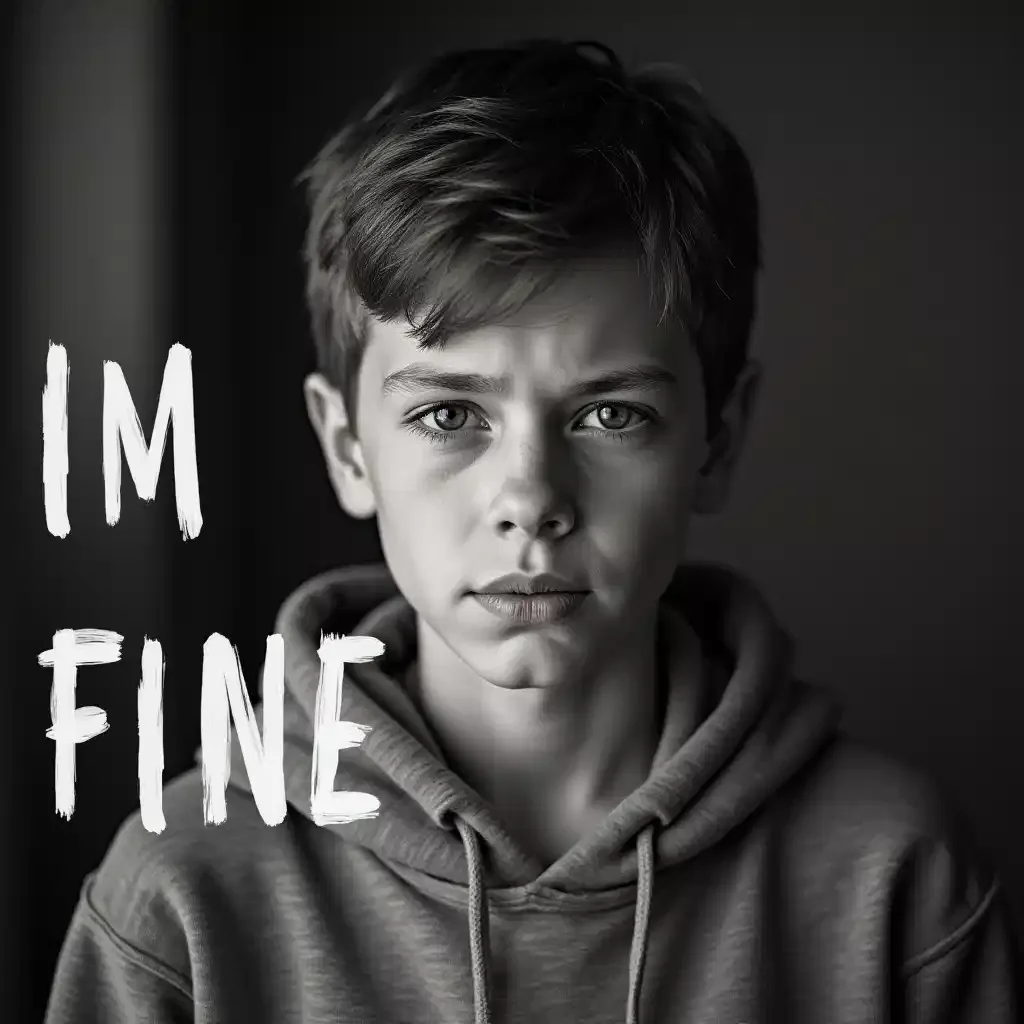
Boys rarely say they're sad. They go short, retreat to their room, and answer everything with "I'm fine." Most parents read that as normal teenage behaviour, and most of the time they're right. Sometimes it's grief with no language attached. A father writes about why attitude is often the only signal a boy can send, and what to do when you're already noticing something.

I Thought I Would Know if My Child Was Hurting. I Was Wrong.
Chris Coulter thought he knew his daughter better than anyone. A quiet four-hour drive home from Prince Edward Island proved him wrong in ways he wouldn't understand for years. This piece looks at confirmation bias in parenting, why "fine" isn't proof of anything, and the early warning signs of teen depression that get explained away. For parents who assume they'd know if something was wrong.

Love Isn't Always Enough. That Truth Nearly Broke Me
Love is why parents show up. But love alone does not teach you how to recognize when your child is struggling. Chris Coulter writes from eleven years of hindsight about the gap between loving deeply and seeing clearly, and why awareness is a skill every parent can learn.

The Scariest Words a Parent Can Hear Are "I'm Fine"
Most parents accept "I'm fine" because the alternative feels harder. Chris Coulter writes about why teenagers use fine as protection, why parents let them, and what one extra question can do when you stay in the conversation a little longer than feels comfortable.

Experience Teaches. Learning Follows. Everything Else Becomes Regret.
Chris Coulter shares seven honest lessons about parenting a teenager, drawn from lived experience and regret. Written for parents who still have time to listen longer, fix less, and say what matters. A personal reflection rooted in loss and the hope that another family gets a different story.

Why Teenagers Stop Talking to Their Parents
Most parents notice the silence before they understand it. This post breaks down why teenagers stop talking, including the small moments that close the door long before parents realize it's closed. Covers what drives teen withdrawal, what parents do that backfires, how to tell the difference between private and struggling, and what actually helps reconnect without pressure.

When Something Feels Off
Parents often notice something is wrong with their teenager before they can name it. This post helps you trust that instinct, recognise the early warning signs of teen depression and anxiety, and take one small step before the silence becomes a wall. You are not overreacting. You are paying attention. That matters.