She Used to Tell Me the Number
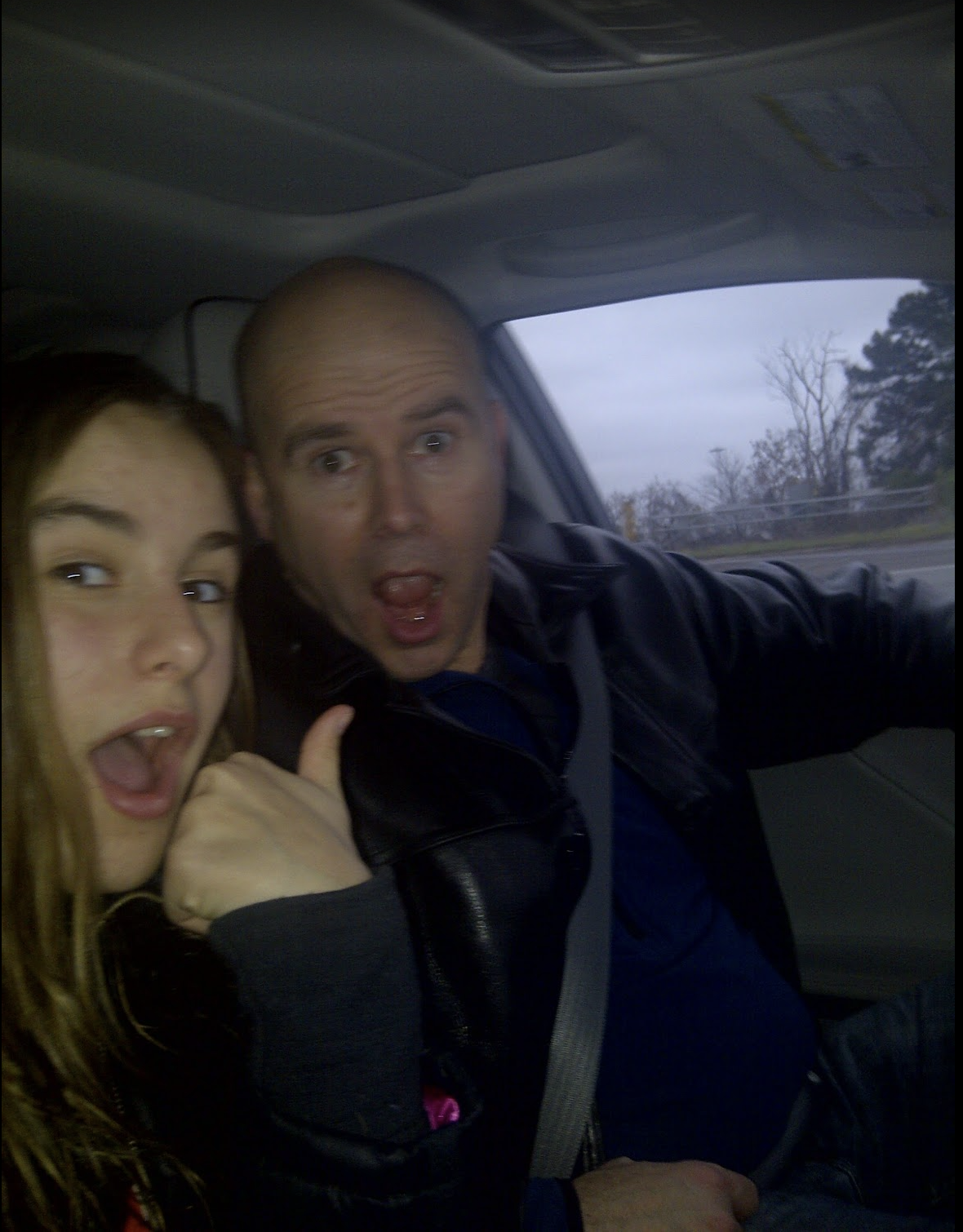
Maddie would post a picture and then she'd watch it.
Not constantly. She wasn't glued to it the way people imagine. She'd put something up, go do something else, and come back to it. And I could tell from across the room how it was going. If it was going well she was loose and chatty and slightly pleased with herself. If it wasn't, the whole house knew, and she'd eventually say something like, it only got forty-two.
Forty-two. She'd tell me the number.
That was 2015. I wrote about it back then, in a post about how much harder I thought it was to be a teenager than it had been for me. Most of that post hasn't aged well. I talked about phones and house parties and follower counts on apps that no longer exist. If I read that post to parents today, they'd look at me the way my kids used to look at me.
One part of it holds up. The part where I watched my daughter's mood turn over on how a photo performed.
What's changed since is what the number can tell you.
What the number was doing
Here's something I didn't appreciate at the time.
That number was doing me a real favour.
It gave the whole thing a shape. There was an event. She posted, it did badly, she felt bad. I could see every step of it, and she could say it out loud. She'd tell me it only got forty-two. I'd say something useless like who cares about forty-two. Then we'd argue about whether it mattered. Even the argument meant we were both looking at the same thing.
She knew what had upset her. That sounds like a small thing. It isn't.
Now there's nothing to point at
A teenager today still gets numbers. They just don't explain much anymore.
What actually decides how a post does is a ranking system nobody can see, including the kid. Something gets shown to a lot of people or it doesn't. A video sits at eleven views for two days and then goes somewhere. The numbers show up after the fact, and they don't tell anyone why.
What replaces them is a sense of where you stand. Whether you're being seen. Whether the group is somewhere you're not. That sense updates all day, in fragments, and none of the fragments are events.
Which means when your kid comes home flat, there's no incident.
You ask what happened. Nothing happened. That's often the literal truth. Nothing you could name, anyway. Since lunch they've taken in a few hundred small signals about where they stand. Added together, it has them on their bed at four in the afternoon with the lights off.
Some kids will tell you. A lot of them can't, because the thing that got them doesn't come in a shape that fits into a sentence.
The eighties were worse in plenty of ways
I want to be careful here, because the version of this post I wrote in 2015 was a nostalgia piece pretending not to be one.
If you were humiliated at school on a Friday, you carried it alone all weekend with no way to check whether anyone still cared. Nobody talked about any of it. There was no language for what was happening to you and no adult who'd have known what to do if you'd found some.
The difference I'm pointing at is narrower than better or worse. It's whether a kid can explain it.
My generation's problems had edges. Something happened, at a time, involving people. You could describe it, badly, to a parent if you decided to. The stuff that flattens kids now often has no edges at all. That makes it hard for them to hand to you. It also makes it hard for you to notice you've been handed anything.
What I'd tell myself in 2015
Stop waiting for the incident.
I spent a lot of energy trying to find out what had happened. Who said what, which photo, which friend. I thought if I could locate the event I could do something about it. Sometimes there was an event and that worked. More often I was digging for something that wasn't there, and the digging itself became the thing my daughter had to manage.
The better question was closer to this: what's it been like lately? Asked at a time when nothing was wrong, with enough room around it that an answer could take a while to arrive.
I didn't ask it enough. That's the honest version.
She used to tell me the number. I miss that more than I'd have expected to.
FAQ
How do I know when teen mood changes are worth worrying about?
Look at weeks instead of days. One flat afternoon is a teenager. A change that sticks for a couple of weeks is worth paying attention to, especially if it shows up in sleep, eating, friends, or things they used to love. You don't need to be sure before you start noticing.
My teen says nothing happened. Is that normal behaviour, or are they hiding something?
Often it's just true. A lot of what wears a teenager down now comes in small pieces through the day, and none of them feel like an event. They may not know why they feel the way they do. Pushing for a cause can make them feel they've failed a test.
Does social media cause depression in teenagers?
Researchers still disagree on how much of a role it plays. What parents describe most is the constant sense of where their kid stands with other kids, and how hard that is to put into words. It's more useful to watch how your teen seems after time online than to count the minutes.
How do I talk to my teenager about mental health if they won't open up?
Ask when nothing is wrong. Try "What's it been like lately?" in the car, on a walk, or while you're both doing something else. Leave room for a slow answer. Sometimes it comes a day later.
When should I get professional help for my teenager?
If changes last more than a few weeks, start affecting school or friendships, or your teen talks about not wanting to be here, reach out. Your family doctor is a good first call. In Canada you can call or text 9-8-8 any time, and Kids Help Phone is at 1-800-668-6868.
You May Also Like
Know Your Child's Normal Well Enough to See When It Changes If there's no incident to find, the baseline is what you have. How to tell ordinary teenage ups and downs from a change worth watching.
My Teenager Won't Talk to Me: 6 Ways to Help Them Open Up Practical ways to make room for a conversation with a teen who's gone quiet, without turning it into an interview.
The Mental Health Checklist I Wish I Had When Maddie Was 14 The steps I'd take now if I noticed a change in my kid and wasn't sure what it meant.