My Dad Asked Me If Life Was Still Worth Living
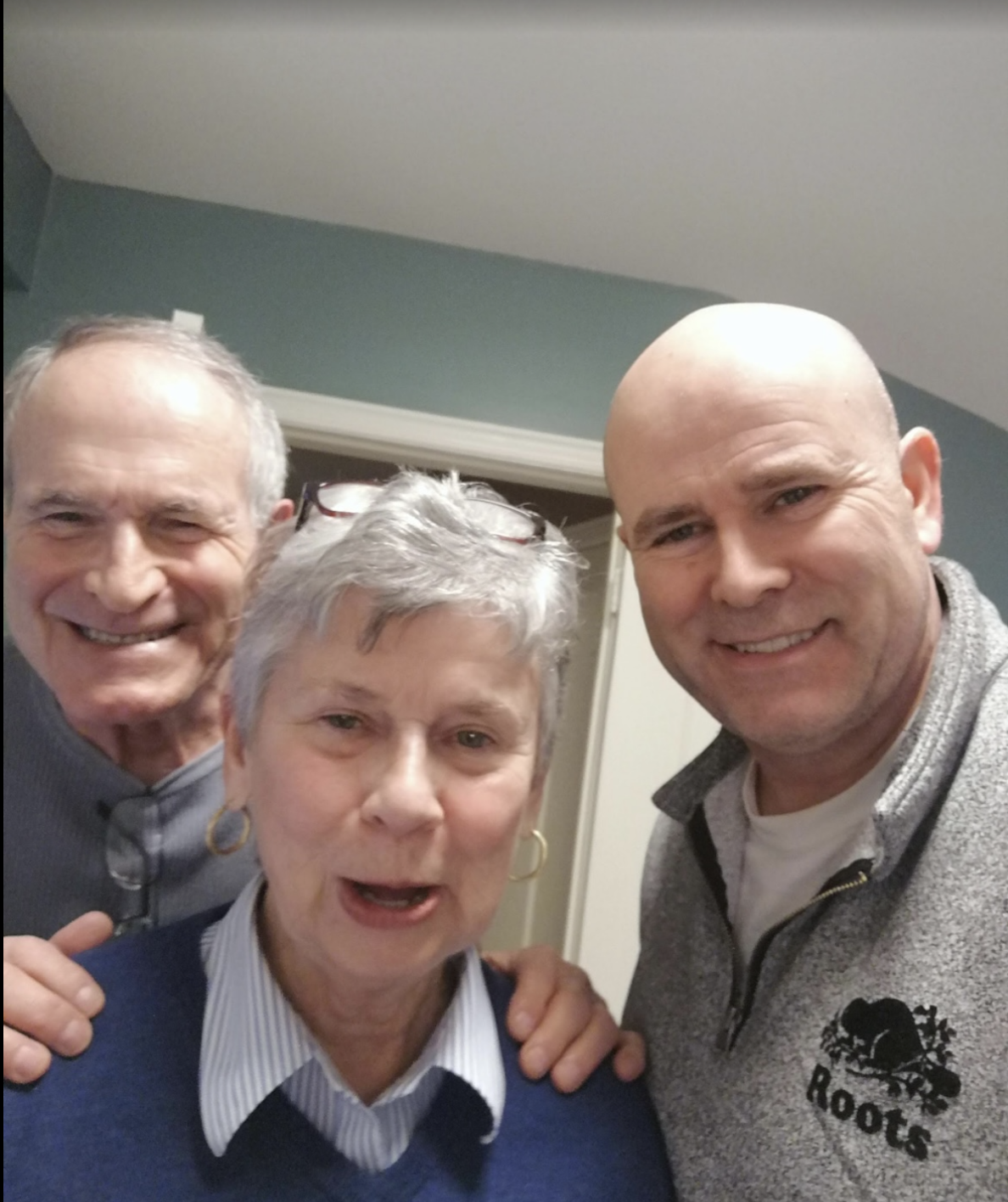
In the early days after my mom died, my dad walked into my room, sat down on my bed and asked me a question.
"Do you ever feel like life isn't worth living anymore?"
I knew exactly what he was asking. I'd asked myself the same thing.
My parents were married for more than 61 years. My dad is disciplined and regimented. My mom was the methodical one. She knew what had to happen, and in what order, for something to go well. He respected her judgement. She admired how he stuck with things. They made each other better.
After she died, I helped my dad sell the house. Packing it up gave us time for conversations we'd never had before. This was one of them.
I didn't have to think about it. I told him yes. There were several times after Maddie died when I felt exactly that way.
I didn't soften it. "It's the worst fucking thing you'll ever go through. It'll make you think long and hard about your beliefs, your spirituality, and what loss does to a person."
Maddie died in April 2015. She was fourteen. I've written about her a lot and I won't retell it here. What matters for this story is that by the time my dad sat down on that bed, I had been living with the answer for years.
What he needed was to know he wasn't the only one who'd thought it. I could tell him that, because I had.
Then he told me something else. He said he'd never fully understood how much pain I was in after Maddie died. He wished he'd been more supportive.
I told him what I believe. I was inconsolable. Nothing anyone said would have made a difference. Kindness matters. Love matters. Next to what you're living through, it barely makes a dent. Nothing fixes it while you're in it.
It was the loneliest I have ever been. You don't understand that kind of lonely until you've been in it.
He understood it now, because he was in it.
I helped my dad find a good grief therapist, and he and I kept talking. About my mom. About how brutal grief is. About the love underneath it.
The early stretch of grief can flatten you. Time softens the worst of it. The pain doesn't disappear. It becomes part of how life goes now, and it stops taking up every hour of the day.
Talking helps. So does wanting to move forward, and that part is harder than it sounds. I've watched people hold on to the pain for years, because letting go of it feels like letting go of the person. I understand why.
Nobody could go to those appointments for my dad. He had to want to go, and he did.
If you can get through that first stretch, living with purpose again becomes possible. It did for me.
Grief and depression are different, and one can turn into the other. Both tend to get lighter when someone says them out loud.
Since then I've asked a lot of people who have lost someone close. A spouse, a child, a parent.
Most of them tell me the same thing. At some point, they wondered whether life was still worth living. Underneath that was a second question, and it was harder: “how are you supposed to live without the person who's gone?”
Almost nobody says either one out loud. Men especially.
I understand why. A lot of us learned early that our job is to be the steady one. If what you're carrying is heavy, keeping it to yourself feels like the decent thing to do. Nobody needs one more person to worry about.
It doesn't work. The people around you feel it anyway. They notice you went quiet at dinner. They notice the short answers. They don't know why, so they come up with a reason, and kids are very good at deciding the reason is them.
My dad grew up in a generation of men who didn't talk about this. He asked anyway. He asked his son.
If someone in your house has gone quiet, ask them. A partner. A parent. Your teenager.
Ask plainly. You don't need the right words. You don't need to fix whatever you hear. My dad asked one question, and that was enough to start.
Asking someone directly whether they've felt life isn't worth living doesn't put the idea in their head. It tells them they're allowed to answer.
My dad asked me the question most people never ask. Because he did, neither of us had to carry it alone.
If you or someone you love is having days like the ones I've described, you can call or text 9-8-8 any time, anywhere in Canada and the US.
You May Also Like
The Question Every Parent Is Afraid to Ask
The same question, pointed at your own kid, and why so many parents stop short of asking it.
What Grief Actually Does to a Person
What grief does to memory, decisions and the ability to function, from the inside.
I Don't Fear Talking About Maddie. I Fear Forgetting.
Why saying her name is a gift and not a wound, and why silence hurts more than the story.
FAQ
Does asking someone if they've thought about suicide put the idea in their head?
No. Asking directly doesn't create the thought or increase the risk. What it usually does is give someone permission to answer a question they've been sitting with alone.
What do I do if I ask and they say yes?
Stay in the conversation. You don't have to solve it, and you're not expected to have answers. Listen, take it seriously, and help them connect with support. In Canada and the US, 9-8-8 is available any time.
What if they say nothing?
That's a common first answer. Leave the door open and ask again another day. People often answer on the second or third ask, once they've seen how you took the first one.
Someone I love is grieving and nothing I say helps. What should I do?
Nothing you say will fix it. Show up anyway. Small consistent gestures reach people when words can't.
Where can I get help right now?
Call or text 9-8-8 in Canada, or 988 in the US, any time.