
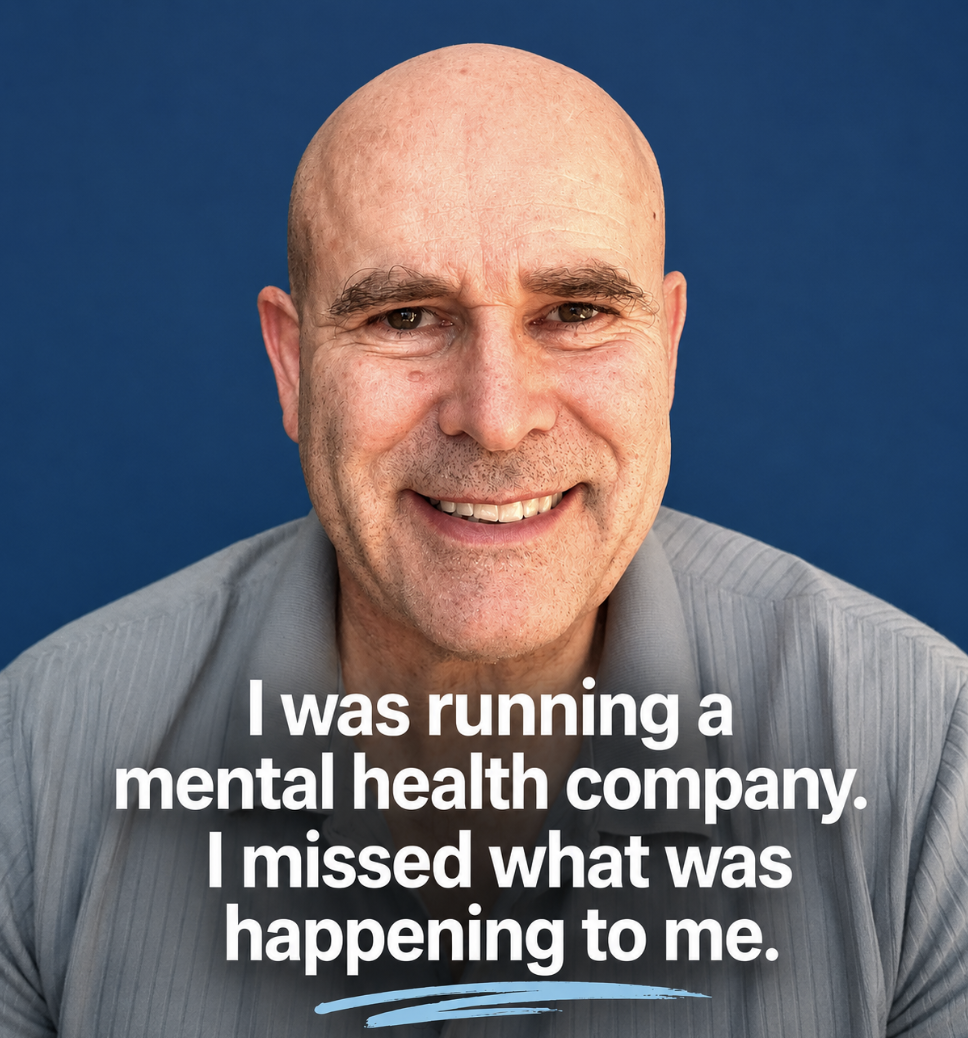
The Decision Was About the Business. It Ended Up Being About the Gummies.
I stopped drinking in August 2023 after working out it was making the depression worse. Then cannabis arrived, quietly and reasonably, first for sleep and eventually as something I told myself helped me write. It took two years and a decision about the business to see it. This is about what happens when a functional adult misreads his own state, and why that worries me about fifteen-year-olds.

I Picked a Day
In the spring of 2018, three years after we lost Maddie, I picked a day and told nobody. Not my therapist, not my closest friends, not the people who had already carried me through the worst thing that can happen to a family. Nothing was missing from my life. I had every person I needed. What I didn't have was any willingness to be a burden to them, and that was the dangerous part.

Losing Maddie Also Meant Losing Myself. Nobody Warned Me About That Part.
When Chris Coulter lost his daughter Maddie in 2015, he spent the next nine years trying to get back to the man he was before. Nobody warned him about the second loss, the one that happens underneath. This is a piece about losing yourself after losing a child, about the two selves that argue in private, and about what finally stopped the arguing after eleven years.

I'll Be Happy When...
I checked my net worth the way other people check the weather. It was in the millions, on paper, and it wasn't pride so much as proof. Then a business failed, a marriage ended, and Maddie died. Chris Coulter on what he'd confused with his own worth, why teenagers are learning the same habit faster than we did, and the one question worth asking a fourteen-year-old instead of asking what's next.
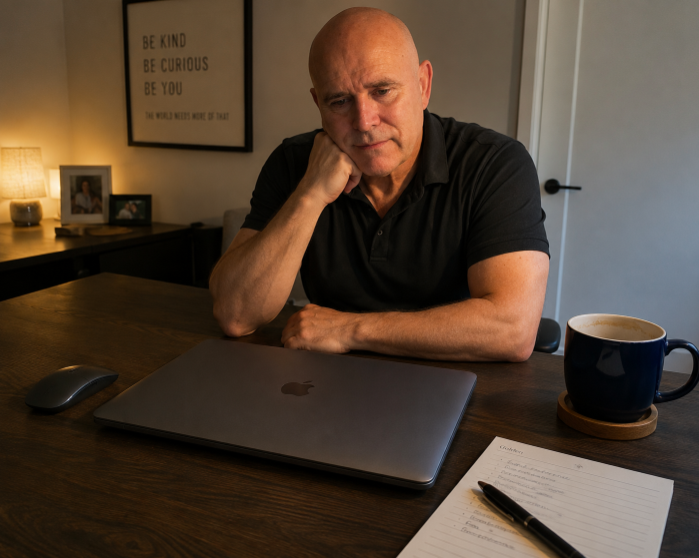
Don't Tell Them the Odds
Most teenagers come through the teenage years. That statistic means nothing to the parent checking their child is breathing before work. This is what a teenage mental health crisis looks like from the parent's side: the bracing, the silence, the fear they cannot say out loud. Written by a father who lost his daughter, for parents living it and the people who love them.
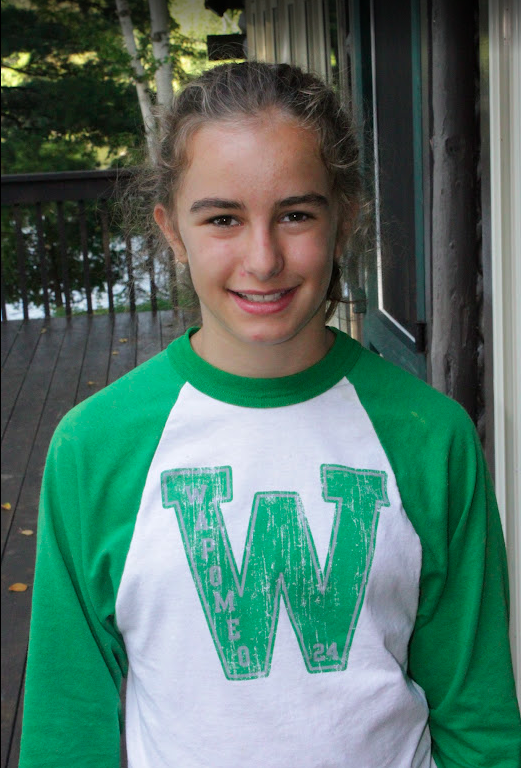
What Grief Actually Does to a Person
Eleven years after losing his daughter Maddie, Chris Coulter writes honestly about what traumatic grief does to the brain, why the pain does not diminish with time, and what people carrying loss actually need from the people around them. For parents navigating grief, loss, or the weight of a struggling child.
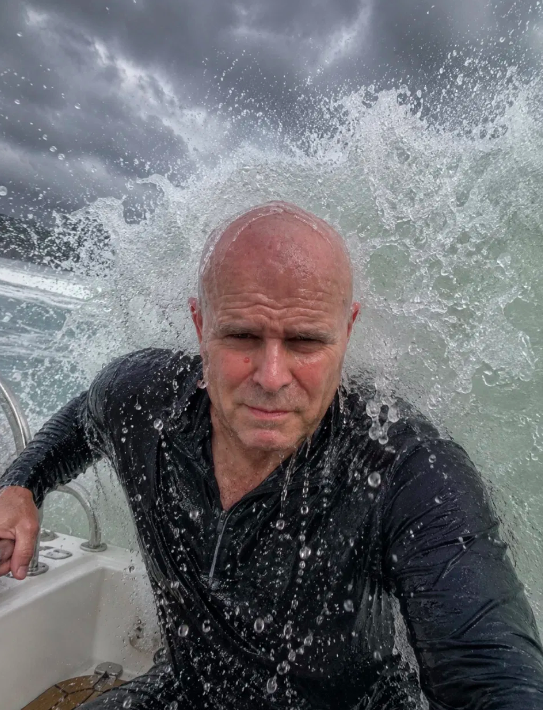
The Rogue Wave
Eleven years into grief and the rogue waves still come. This post is for parents who are years out from their hardest moments and still being blindsided. It addresses antidepressant stigma, the myth of easy grieving, and what it actually means to move forward with grief instead of without it.
You Cannot Pour From an Empty House
When a teenager struggles, everyone asks about the teenager. Nobody asks how the parent is doing. Written from a decade of lived experience — including grief, survival mode, and the years I lied to my own psychiatrist — this post is about what depletion actually costs a family, and why supporting yourself is not selfish. It is structural.
For Maddie: Why The MentorWell Exists, And How It Got Here
In 2015, Chris Coulter lost his 14-year-old daughter Maddie to suicide. What followed was ten years of listening to families, building what they told him they needed, and turning the worst moment of his life into something that protects other families before it's too late.