
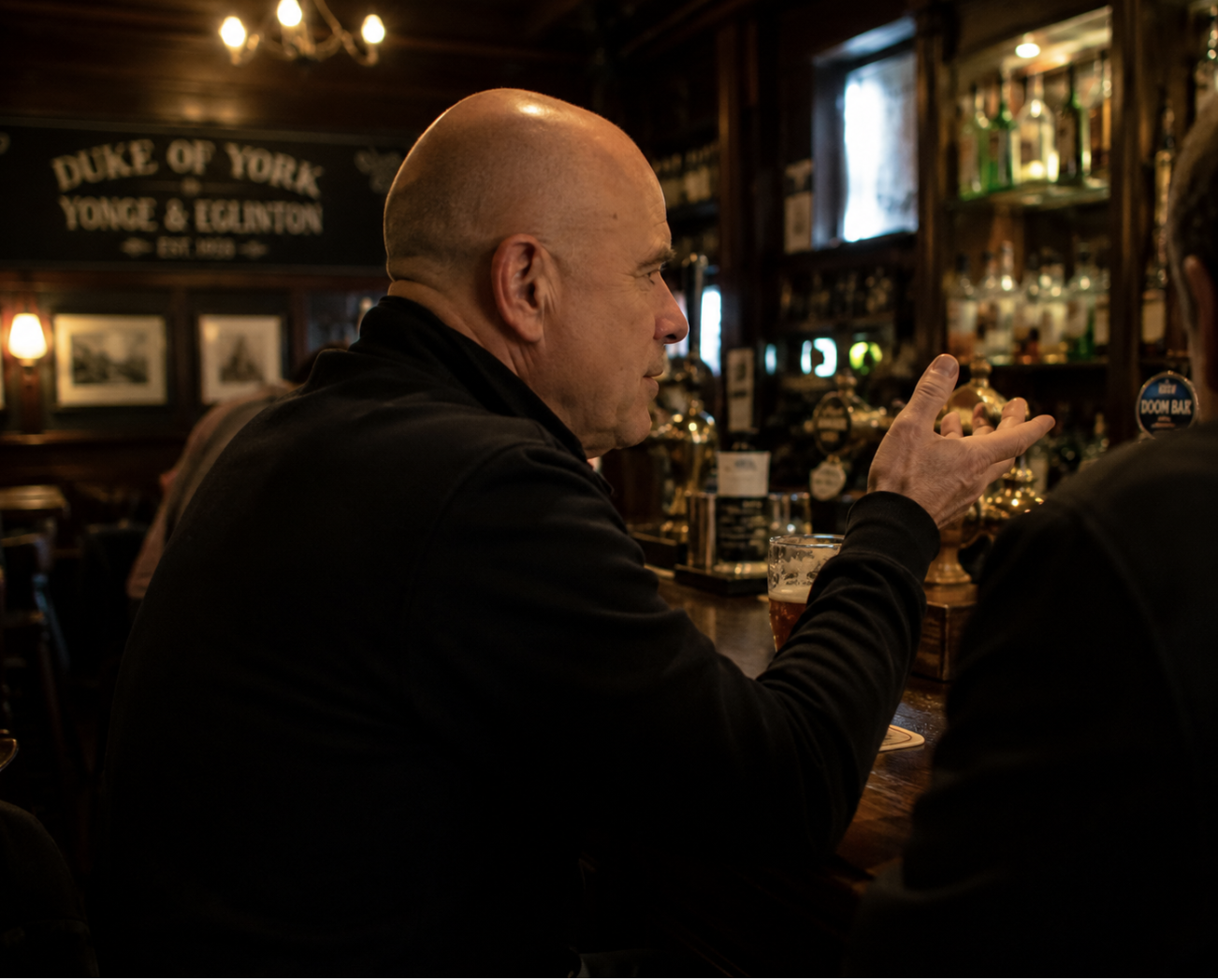
He Hadn't Spoken to His Son in 10 Years. He Couldn't Remember Why.
A stranger in a Toronto pub told me he hadn't spoken to his son in almost ten years, then admitted he couldn't remember what started it. Most managers are carrying a smaller version of the same thing: a person on the team they've quietly stopped talking to properly. Nobody would take it to HR. Nobody is going to raise it either, because the person with the power in the room is you.

I Was Still Hitting My Numbers. Sort Of.
The work went out. Deadlines got met. Nobody chased me for anything. It was taking five times as long to get there, and none of that appears in a performance review, a dashboard, or an engagement survey. This is what a year of hidden decline looked like from the inside, what a manager saw instead, and the one signal that showed up before anything else moved.
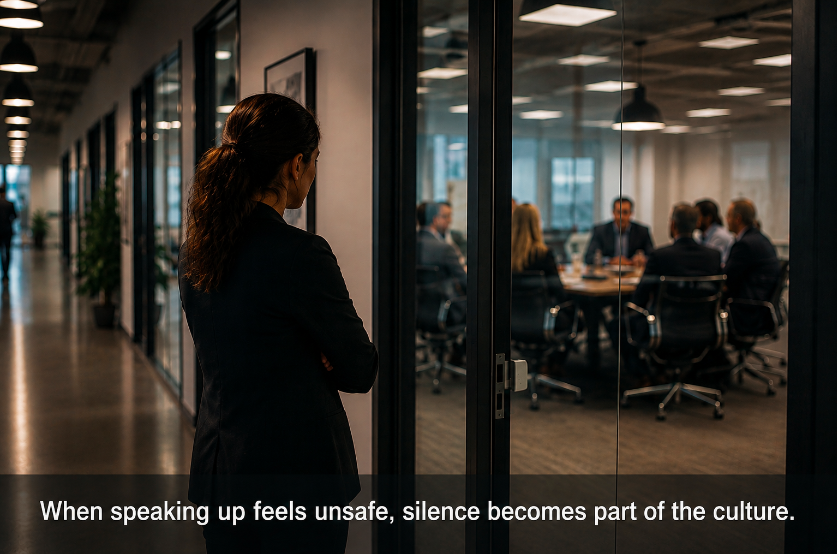
What Your Executives Believe About Your Culture and What Your Employees Actually Live
Leadership sees one company. Employees live in a different one. The Culture Signal Check measures the gap between executive perception and employee reality across 25 questions and three groups. Green means alignment. Red means your best people are already looking. Built by a founder who lost his job for telling the truth in a culture that couldn't tolerate it.
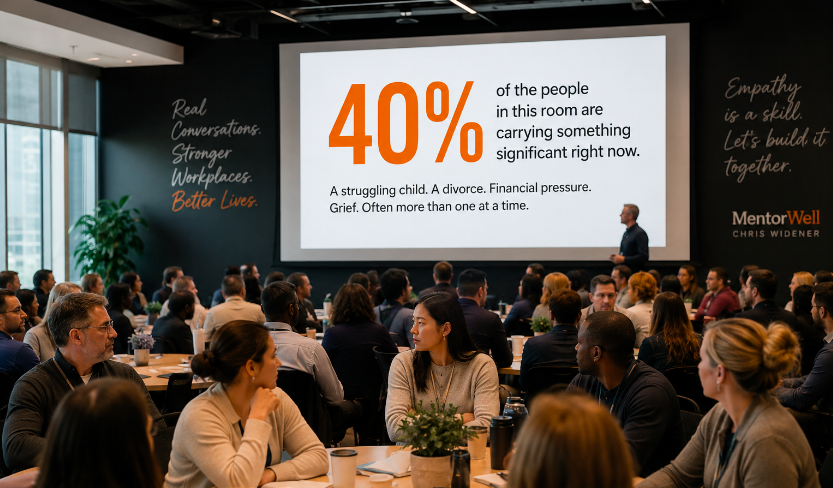
The Slide That Made 200 Employees Look at Each Other
A corporate workshop revealed something many leaders already suspect but few know how to address. More than 40% of employees are carrying significant personal challenges, including struggling children, grief, divorce, and financial stress. This article explores why managers avoid difficult conversations, the cost of silence in the workplace, and how organizations can better support employees through First Conversation Coaching.