
You Don't Have to Know What to Say
Reach out after everyone else has stopped
A message came in Friday at 9:24 in the morning.
Someone I know through LinkedIn had just found out that a friend of hers lost her daughter. The details were thin. The mother had said only that it was unspeakable and that they were trying to heal, which is about as much as anybody can say at that point.
She wrote to me because she wanted to do something and had no idea what. Her line was this: ‘leaving grieving people alone isn't the right thing.’
She's right. She's also in a small minority for knowing it.
I get some version of this message most weeks, and I'm glad every time. Somebody wants to do right by a family in the worst stretch of their life, and they're worried enough about getting it wrong that they'll ask someone they've never met how to do it.
That instinct is the whole thing. The people who don't care never write to anybody.
The question underneath is always the same. People are afraid of saying the wrong thing, so they say nothing, and they've talked themselves into believing that nothing is the respectful choice.
Where we got the idea about space
I think we borrowed it from famous people.
Something terrible happens to an athlete or an actor and within a day there's a public statement issued. “We ask that you respect the privacy of our family at this difficult time.” That's the right ask for them. There are photographers outside the house and a market for a picture of a person at the worst moment of their life.
Then a family down the street loses a kid and we run the same play. We think we're being considerate. We're applying a rule written for people under siege to a family sitting in an empty kitchen with the phone face down on the counter.
Nobody is clamouring for a photo of them. There's no exclusive. There's a house that got very quiet, very fast.
And it does get quiet. Not right away. For the first while there's food on the porch and the phone doesn't stop. Then, for me, it was around six weeks in that I noticed the shift. The texts thinned out. The calls got shorter and further apart.
Nobody decided that. There was no meeting. People went back to their own kids, and their own thing going wrong in their own house, and I don't hold it against a single one of them. That's how attention works.
But it means the window everyone worries about intruding on is the one window where intruding is nearly impossible. Week two, they're surrounded. Week ten, they're not.
If you're wondering when to reach out, reach out after everybody else has stopped.
What I told her to do
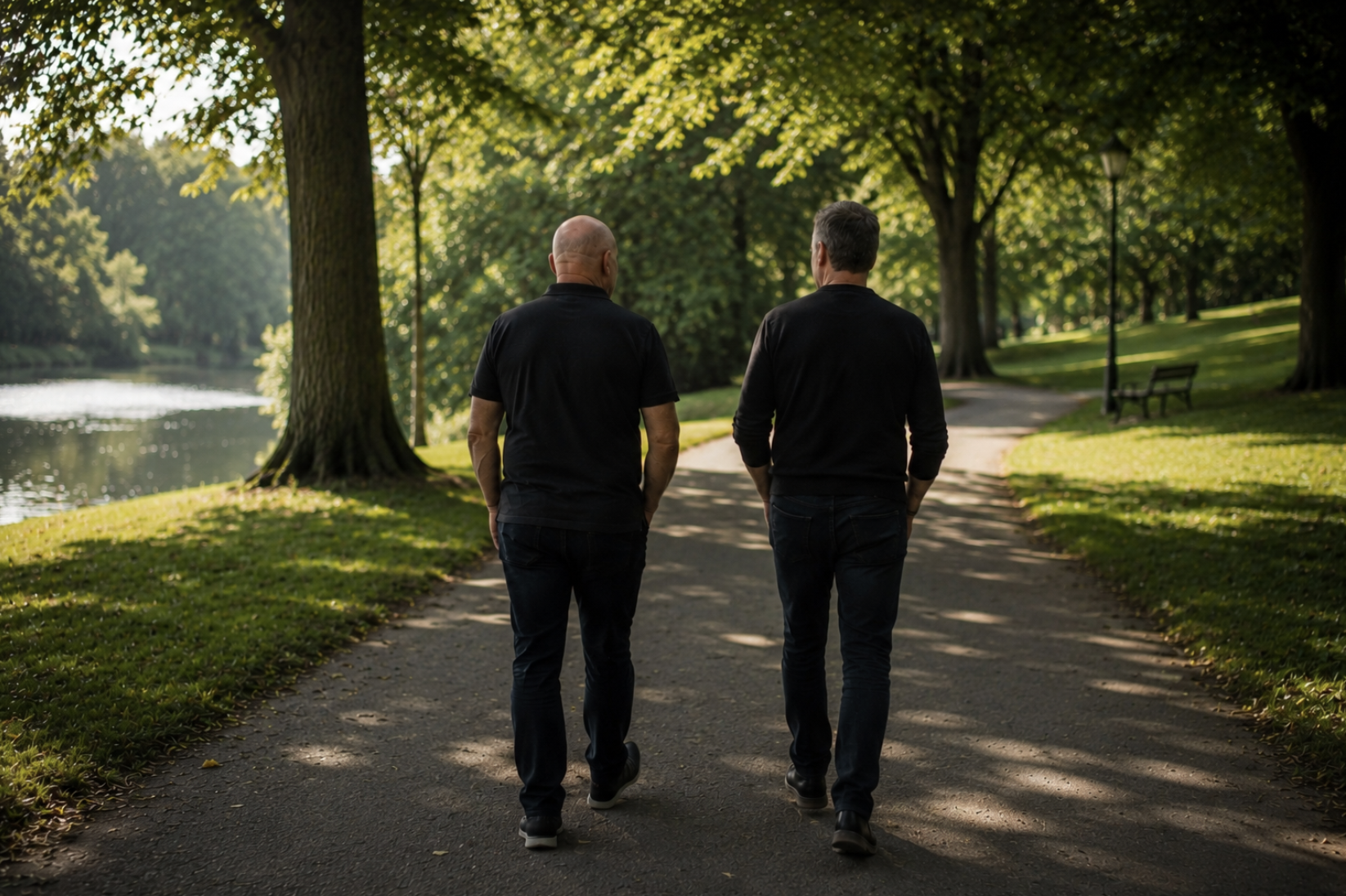
Ask them out for a coffee. Ask them to go for a walk.
Don't put the onus on them. A grieving parent cannot organize anything. Let me know if you need anything sounds generous and it's actually a task you've handed to somebody who can't complete it. Go to them. Pick them up. Name a day.
Say the child's name out loud. Ask for a story.
And if you don't know what to say, say that. I don't know what to say is a real sentence and it works fine. It tells them you're there and that you're not pretending to have any of this figured out. Nobody is grading your delivery.
The two things that land badly
Comparing. Your loss might be real and it might be enormous and it still doesn't belong in that conversation. The second you bring your own into the room, they're managing you instead of being with you.
Advising. Nobody wants the book, the retreat, the podcast, the thing that helped your cousin. Grief isn't a problem you're there to solve. Sitting with somebody and having no solution is harder than offering one. It's also the part that's useful.
That's most of it. Show up, use the child's name, don't compare, don't fix.
What she did next
She wrote back six minutes later.
She said she doesn't have their home address, but she'd already messaged them to say she'd come and sit with them.
Six minutes. She didn't wait until she felt ready. She didn't work out what she'd say when she got there. She had one short exchange with somebody on the internet and then reached out to a family she isn't especially close with, offering to drive over and sit in their living room with nothing prepared.
That's the whole thing. It was never about finding the right words.
There's no version of this where you get it perfect. There's a version where you're in the room and a version where you're not. Eleven years on, I can tell you which one people remember.
Chris Coulter is the founder of The MentorWell, built in memory of his daughter Maddie Coulter, June 28 2000 to April 11 2015.
You May Also Like
What Grief Actually Does to a Person
Eleven years on, the pain hasn't lifted. I've just built muscle around it. On what people's faces do when I say that out loud, and why I usually don't.
Maddie Died by Suicide 11 Years Ago. Here's What I Want Every Parent to Know
Who she was, in her own details. The passenger seat, the radio, the high-five when she nailed the rap section.
Why "Is Everything Okay?" Gets You Nothing
Why the scheduled check-in produces nothing useful, and where honest answers actually happen. Written for managers, useful for anyone who has ever asked a hard question badly.
FAQ
I'm afraid of saying the wrong thing to a grieving parent. What if I make it worse?
You almost certainly won't. The wrong thing has to be pretty specific to do damage: comparing your own loss to theirs, or telling them how to grieve. Everything short of that reads as caring. Saying "I don't know what to say" is a complete sentence and it works.
Should I give a grieving family space?
For the first days, follow their lead. After that, no. Space is what everyone else is already giving them, and it turns into isolation without anyone choosing it. If you're worried about intruding, you're worried about a problem they don't have.
How long after a death should you wait before reaching out?
There's no waiting period, and the more useful question is how long after. For the first stretch there are calls and meals and people at the door. Around six weeks it thins out. That's the moment to show up, and almost nobody does.
What should I actually say or do?
Ask them out for a coffee or a walk and name a day yourself. Don't say let me know if you need anything, because that's a task they can't complete. Say the child's name. Ask for a story. Bring nothing else.
What not to say to grieving parents?
Two things do real harm. Comparing your loss to theirs, which puts them in the position of managing you. And advising: the book, the retreat, the thing that helped your cousin. Grief isn't a problem you're there to solve.
