
Nobody Asks How the Brothers Are
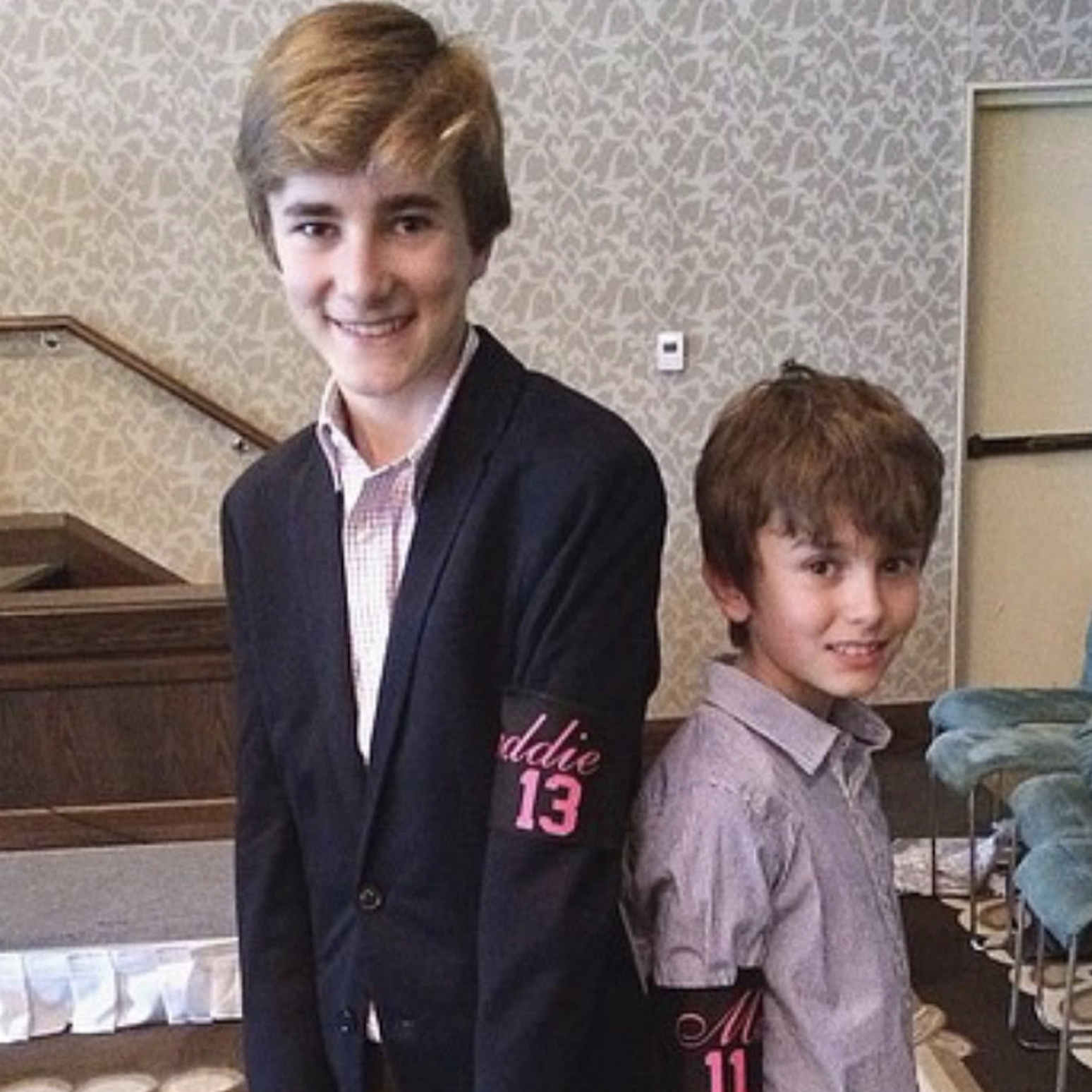
When it came time for high school, Zac and Sawyer both chose somewhere other than North Toronto.
I was glad. I told myself it was because of the bench.
There's a reflection bench on those grounds with Maddie's name on it. Good people put it there and I'm sure it has helped more visitors than I could count. I thought walking past it every morning at fifteen was a weight nobody should have to carry to first period.
That was my reason. I've never been sure it was theirs.
Because the thing I worked out later is that a different school didn't buy them anything. The neighbourhood already knew. Both boys' hockey teams made black armbands with their jersey numbers on them, and the entire team wore them to honour Maddie and support them. That spotlight stayed on them for years. There was no school in that part of the city where my sons walked in as two boys nobody had heard about.
They weren't embarrassed. I want that on the record, because people assume it and it was never true. Neither of them ever once acted like their sister was something to get away from.
In April 2015, Zac had just turned 13 and Sawyer was 9. Zac's decision came a year later. Sawyer's was five years after that.
Here is what I know about that period, which isn't much.
They visited her every day when she was in hospital. Stoic. Patient. No complaints. I've written that before and it's still the only description I have.
And then they went to high school, in a neighbourhood where every adult knew, and where other kids' parents had talked about it at their own dinner tables. They had to be teenagers inside that.
I don't know what it was like. I was somewhere else entirely.
That's the part I'd say to any parent who has lost a child and still has children. There's a version of those years where you are so far inside your own grief that you miss theirs completely, and you don't find out until much later, if you find out at all.
Both of them made their own mark. Neither of them did it by being Maddie's brother.
They're both ambassadors for youth mental health now. They came to that themselves. I didn't ask them to and I wouldn't have.
If you know a family that has lost a child, and there are other kids in that house, ask about them.
Just ask about them.
Nobody does.
You May Also Like
Please Don't Remember My Daughter for the Way She Died
[URL once published]
Who Maddie actually was, told in two stories that have nothing to do with how she died.
What I Would Do Differently as a Parent
https://www.thementorwell.com/blog/what-i-would-do-differently-as-a-parent
On apologizing to your kids, and why most of us are too proud or too tired to do it.
Don't Tell Them the Odds
https://www.thementorwell.com/blog/dont-tell-them-the-odds
What a family actually carries through a teenage mental health crisis.
FAQ
How do surviving siblings grieve differently from parents?
Often more quietly, and frequently by managing the adults around them. Many describe holding themselves together so their parents wouldn't have one more thing to handle. That can look like coping from the outside for years.
What should I say to the brother or sister of a child who died?
Ask them about their own life. School, sport, what they're into. Siblings get asked about the death and about how their parents are doing, and almost never about themselves.
Do surviving siblings need counselling?
Some do and some don't, and it often surfaces later rather than right away. What matters more is whether an adult outside the family is paying attention to them specifically, rather than to the family as a unit.
How do you support your other children when you're grieving yourself?
Imperfectly. Most bereaved parents describe a period where they were not available in any real way. Naming that to your kids later, even years later, does more than pretending it didn't happen.
Should a grieving family change schools or neighbourhoods?
It depends on what the change is meant to achieve. A different building doesn't produce anonymity in a community that already knows, and it may be worth asking the child what they actually want rather than deciding on their behalf.
